

cottom
29 posts

cottom
@cottomcotton
Day time a developer, night time a indiehacker for AI. Worked At @airbnb @antgroup
World Katılım Mayıs 2017
1.1K Takip Edilen28 Takipçiler

日本现在有大概900万套空房子,挺夸张的
按这个趋势走,到2038年,可能三套里就有一套没人住
更离谱的是,有些房子基本等于白送
政府还帮你掏30%到75%的翻修费用
外国人也随便买,跟日本人一样的产权待遇
这东西其实挺挑人的,不是谁都愿意碰。但你看意大利那个1欧元房子,当年一堆人当笑话看,现在西西里、撒丁岛都被买爆了
日本这波空置房,其实也是类似的机会
愿意多看一眼的人,可能能捡到点真东西
像九州那边,有些小镇带温泉、有海鲜、还能上新干线,1.5万到2万美元就能买个能直接住的房子
等闲点自己去跑一圈看看
单从生活质量来说,日本确实挺能打
这东西,说不定是现在亚洲被低估最狠的地产机会之一
GIF
中文

I would like to clarify a few things.
First, the obvious one: we do not have or want government guarantees for OpenAI datacenters. We believe that governments should not pick winners or losers, and that taxpayers should not bail out companies that make bad business decisions or otherwise lose in the market. If one company fails, other companies will do good work.
What we do think might make sense is governments building (and owning) their own AI infrastructure, but then the upside of that should flow to the government as well. We can imagine a world where governments decide to offtake a lot of computing power and get to decide how to use it, and it may make sense to provide lower cost of capital to do so. Building a strategic national reserve of computing power makes a lot of sense. But this should be for the government’s benefit, not the benefit of private companies.
The one area where we have discussed loan guarantees is as part of supporting the buildout of semiconductor fabs in the US, where we and other companies have responded to the government’s call and where we would be happy to help (though we did not formally apply). The basic idea there has been ensuring that the sourcing of the chip supply chain is as American as possible in order to bring jobs and industrialization back to the US, and to enhance the strategic position of the US with an independent supply chain, for the benefit of all American companies. This is of course different from governments guaranteeing private-benefit datacenter buildouts.
There are at least 3 “questions behind the question” here that are understandably causing concern.
First, “How is OpenAI going to pay for all this infrastructure it is signing up for?” We expect to end this year above $20 billion in annualized revenue run rate and grow to hundreds of billion by 2030. We are looking at commitments of about $1.4 trillion over the next 8 years. Obviously this requires continued revenue growth, and each doubling is a lot of work! But we are feeling good about our prospects there; we are quite excited about our upcoming enterprise offering for example, and there are categories like new consumer devices and robotics that we also expect to be very significant. But there are also new categories we have a hard time putting specifics on like AI that can do scientific discovery, which we will touch on later.
We are also looking at ways to more directly sell compute capacity to other companies (and people); we are pretty sure the world is going to need a lot of “AI cloud”, and we are excited to offer this. We may also raise more equity or debt capital in the future.
But everything we currently see suggests that the world is going to need a great deal more computing power than what we are already planning for.
Second, “Is OpenAI trying to become too big to fail, and should the government pick winners and losers?” Our answer on this is an unequivocal no. If we screw up and can’t fix it, we should fail, and other companies will continue on doing good work and servicing customers. That’s how capitalism works and the ecosystem and economy would be fine. We plan to be a wildly successful company, but if we get it wrong, that’s on us.
Our CFO talked about government financing yesterday, and then later clarified her point underscoring that she could have phrased things more clearly. As mentioned above, we think that the US government should have a national strategy for its own AI infrastructure.
Tyler Cowen asked me a few weeks ago about the federal government becoming the insurer of last resort for AI, in the sense of risks (like nuclear power) not about overbuild. I said “I do think the government ends up as the insurer of last resort, but I think I mean that in a different way than you mean that, and I don’t expect them to actually be writing the policies in the way that maybe they do for nuclear”. Again, this was in a totally different context than datacenter buildout, and not about bailing out a company. What we were talking about is something going catastrophically wrong—say, a rogue actor using an AI to coordinate a large-scale cyberattack that disrupts critical infrastructure—and how intentional misuse of AI could cause harm at a scale that only the government could deal with. I do not think the government should be writing insurance policies for AI companies.
Third, “Why do you need to spend so much now, instead of growing more slowly?”. We are trying to build the infrastructure for a future economy powered by AI, and given everything we see on the horizon in our research program, this is the time to invest to be really scaling up our technology. Massive infrastructure projects take quite awhile to build, so we have to start now.
Based on the trends we are seeing of how people are using AI and how much of it they would like to use, we believe the risk to OpenAI of not having enough computing power is more significant and more likely than the risk of having too much. Even today, we and others have to rate limit our products and not offer new features and models because we face such a severe compute constraint.
In a world where AI can make important scientific breakthroughs but at the cost of tremendous amounts of computing power, we want to be ready to meet that moment. And we no longer think it’s in the distant future. Our mission requires us to do what we can to not wait many more years to apply AI to hard problems, like contributing to curing deadly diseases, and to bring the benefits of AGI to people as soon as possible.
Also, we want a world of abundant and cheap AI. We expect massive demand for this technology, and for it to improve people’s lives in many ways.
It is a great privilege to get to be in the arena, and to have the conviction to take a run at building infrastructure at such scale for something so important. This is the bet we are making, and given our vantage point, we feel good about it. But we of course could be wrong, and the market—not the government—will deal with it if we are.
English

这个 VoidZero 主要做什么的呀?
Vue大佬还是厉害,技术、文档和宣传的平衡力很强,没有太大短板。
Asa@app_sail
Vue & Vite+ 作者 尤雨溪 @yuxiyou 创建 VoidZero 拿下 1250 万美元 A 轮融资 尤雨溪 应该是目前融资金额最高的个人开源作者之一,也可能是全球第一。 融资由 Accel 领投,还有一大票优秀公司的创始人都投了: Tom Preston-Werner(GitHub 创始人) Eric Simons(StackBlitz 创始人) Paul Copplestone(Supabase 联合创始人) David Cramer(Sentry 联合创始人) Matt Biilmann & Christian Bach(Netlify 联合创始人) Sébastien Chopin(NuxtLabs 创始人) Johannes Schickling(Prisma 创始人) Zeno Rocha(Resend 创始人) 下一步计划:用 Rust 重写前端工具链。太炸了 这年头,还在专心做前端开源基础建设,真心佩服!
中文
cottom retweetledi

🎁Exclusive NFT & Community Role that you can't miss! 🎁
How to claim❓
Simply follow the rules here app.questn.com/quest/76076590…
Then join the community👉 discord.gg/did, link your wallet and go claim your NFT & ".bit alias" role.
#DID #Dotbit #SafeDigitalID #DIDSafe

English

Perplexity is coming to iPhone soon. Join the waitlist! @perplexity_ai getwaitlist.com/waitlist/5067?…
English
cottom retweetledi

ChatGPT 背后的原理是什么?
Stephen Wolfram 花了大概 3 个多小时的时间解释了 ChatGPT 背后涉及的原理,从最基础的模型概念一直到如何构造一个神经网络,深入浅出,对于没有深度学习背景的人也能够很好地理解。
视频 👇
youtube.com/live/flXrLGPY3…

YouTube

中文
cottom retweetledi

cottom retweetledi

OpenAI的创始人Sam 19岁的他05年成立了位置服务提供商Loopt,12年4300万美元估值被收购,14年上任YCombinator总裁,19年正式上任他和马斯克共同创立的OpenAI,也正是这年他写下了一篇博客 - how to Be Successful / 如何才能成功,整理了一下他的13点分享和我的思考:
中文
Notion + AI = magic 🪄 Join me in the alpha waitlist! notion.so/product/ai?wr=…
English

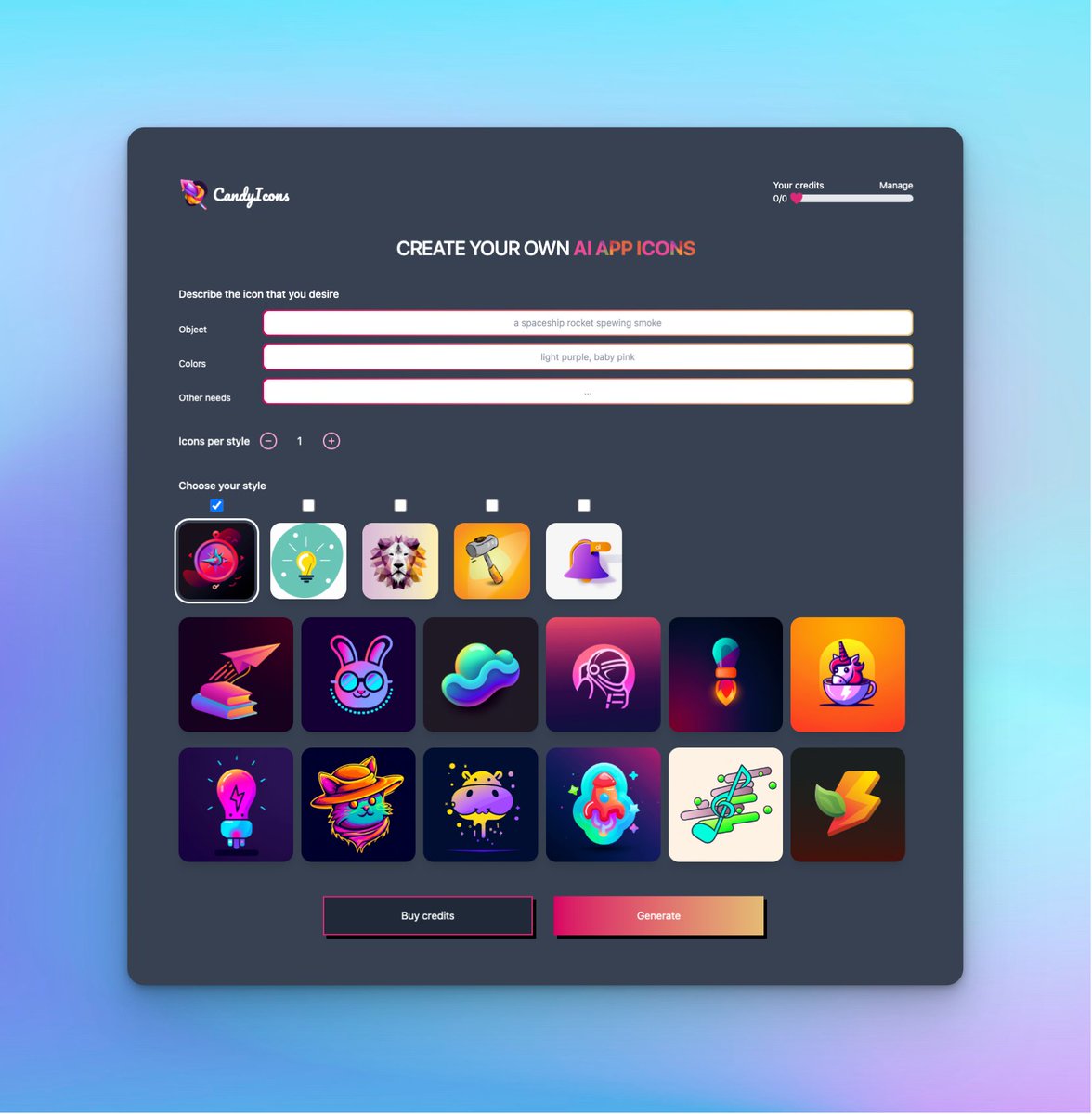
Now, you can create your own AI app icons by simply selecting styles 🥳.
As this is the first time I've set up a server to process user requests, would rlly appreciate it if you could use it and give me feedback.
candyicons.com/create-app-ico…
Drop a 👋, I'll DM you a 100% OFF coupon.
English
cottom retweetledi
北美科技巨头普遍裁员10%-30%,Crypto接连黑天鹅事件连FTX都被深熊祭天了,看到了身边很多极其优秀的朋友受到影响在找工作。
这里整理了包括红杉美国、GGV资本、A16Z、YCombinator、Techstars等全球头部基金和孵化器被投生态的招聘信息。选得好的话极其有机加入一个已经有较好成绩的海外未来独角兽。
中文
cottom retweetledi
磨刀不误砍柴功,Crypto 投资/学习的要收藏的6个网站
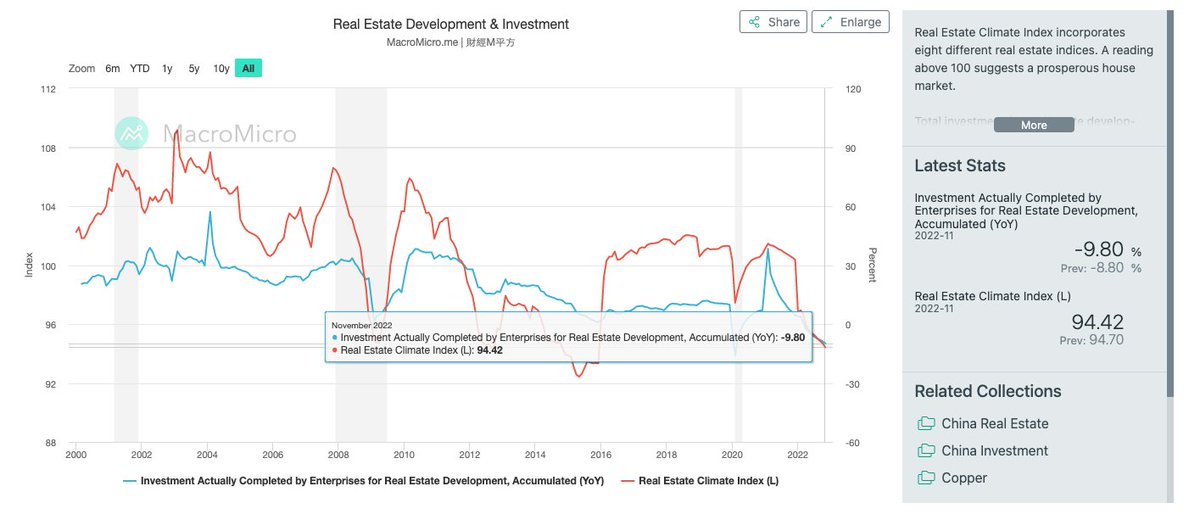
1/en.macromicro.me真实的宏观经济数据(美中欧),比如中国企业房地产投资指数已经到了自2016年新低,内房的确是比Crypto 更冷的熊
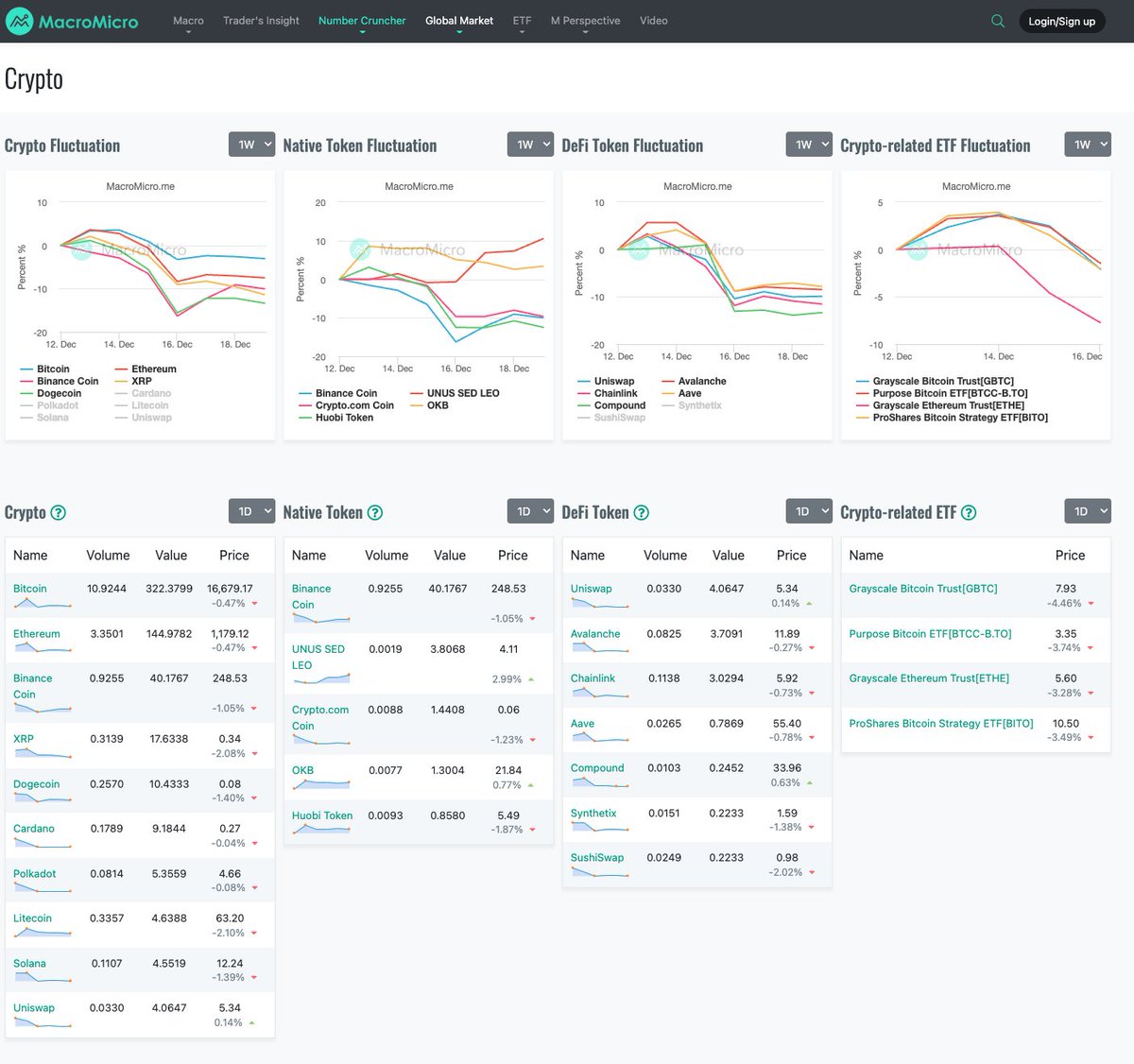
en.macromicro.me/crypto 数字货币同板块不同币价格在同一个图,板块轮动时可找还没涨的价值洼地
中文
cottom retweetledi
过去 3 个月,整个 web3 生态的每周活跃开发者才不到 5k(GitHub 数据统计,实际上会更多一些)。
如何早期进入这个领域并成为 top 10% 的开发者,下面的几门课可以帮助你打下一个坚实的基础 🧵

中文
cottom retweetledi

Crafting a high-converting landing page is hard.
The secret: a great above the fold.
I created a guide with my 12 secrets to build a perfect Above the Fold (+2 bonuses).
Today, it's yours, 100% free.
Just:
1. RT this tweet
2. Reply "SEND"
(Must be following so I can DM)

English
I just subscribed to ByteByteGo Newsletter blog.bytebytego.com/subscribe?utm_…
English

No-Code will be revolutionary.
I've created a Bubble.io course with 20+ videos.
And I'm giving it for free today! (else $50)
To grab your copy
1. Like
2. Retweet
3. Commend "nocode"
I'll DM you the course link!
(Must be following)

English