Carlofredo Rizzo Fuentes

35.3K posts

Carlofredo Rizzo Fuentes banner
Carlofredo Rizzo Fuentes

Carlofredo Rizzo Fuentes

@crizzof

The old that is strong does not wither, Deep roots are not reached by the frost...

CDMX. Katılım Haziran 2010
894 Takip Edilen602 Takipçiler
Carlofredo Rizzo Fuentes
Feliz día, médicos maestros. #abstract" target="_blank" rel="nofollow noopener">tandfonline.com/doi/full/10.10…
Español
0
0
0
4
Carlofredo Rizzo Fuentes retweetledi
Néstor F. Marqués - Antigua Roma al Día
Poco me satisface aquella ciencia que no ha sabido hacer virtuosos a quienes la profesaron. Salustio.
Español
1
3
31
878
Carlofredo Rizzo Fuentes
«Madre e hijo», Pablo Picasso. Óleo sobre tela, c. 1901. Harvard Arts Museums.
Carlofredo Rizzo Fuentes tweet media
Español
1
0
2
57
Carlofredo Rizzo Fuentes retweetledi
MLB
MLB@MLB·
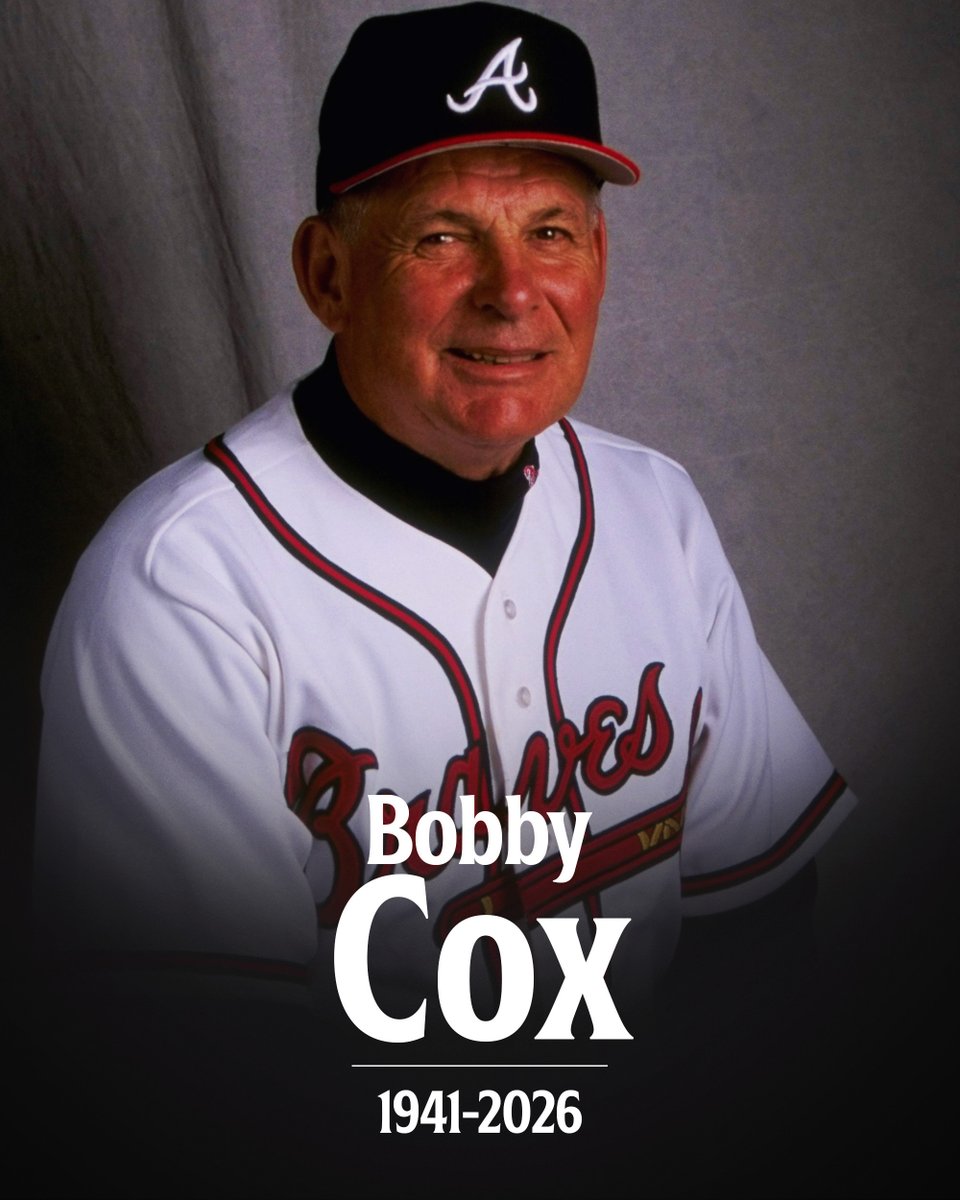
We mourn the passing of Hall of Famer Bobby Cox, the fourth-winningest manager in MLB history. Cox led the Atlanta Braves to unprecedented success, winning 14 straight division titles from 1991-2005, along with 5 NL pennants and the 1995 World Series championship. The four-time Manager of the Year won 2,401 games overall, behind only Connie Mack, Tony La Russa, and John McGraw. Of the 13 managers with at least 2,000 career wins, only one (Joe McCarthy) got there in fewer games than Cox. Cox managed the Braves for 25 seasons in all, leading them to six 100-win seasons and eight 90-win seasons. He also managed the Blue Jays for four years, including the franchise’s first winning record in 1983 and first division title in 1985. As General Manager of the Braves from 1986-90, Cox laid the foundation for the teams he would manage to success over the next two decades by trading for one future Hall of Famer in John Smoltz, drafting another in Chipper Jones, and helping develop homegrown legend Tom Glavine. Owner of a .556 winning percentage in 29 total seasons as manager, Cox was elected to the Hall of Fame in 2014. He was 84 years old.
MLB tweet media
English
390
3.4K
16.1K
695.1K
Carlofredo Rizzo Fuentes
Tal vez solo se trata de ser buenos: buenos médicos, médicos buenos. 🫂 Dos citas para concluir esta reflexión: 1. «Soy [Humano] y nada de lo humano me es ajeno», Publio Terencio Africano. 2. -”¿Ya encontró balance?” -”¡No, no estoy ni cerca!”. ‘The Pitt’, temp. 1, cap. 3. 👋🏽
Español
0
0
0
20
Carlofredo Rizzo Fuentes
O la reflexión crítica. O podemos apoyarnos en terapia, aunque puede ser caro. Ojo: yo no propongo preguntarle a la IA ni entrarle a los psicotrópicos pero no soy experto. Tal vez “hacer menos” en lugar de hacer de más. No dejar de sentir sino dejar de sufrir. 🤔
Español
1
0
0
33
Carlofredo Rizzo Fuentes
Gracias a la Academia Nacional de Medicina de México y a la Facultad de Bioética de la @anahuac por la sesión de ayer. Les comparto algunos de mis apuntes, a manera de reflexión “educativa”.
Carlofredo Rizzo Fuentes tweet media
Español
1
1
1
75
Carlofredo Rizzo Fuentes retweetledi
Ancient History Hub
Ancient History Hub@AncientHistorry·
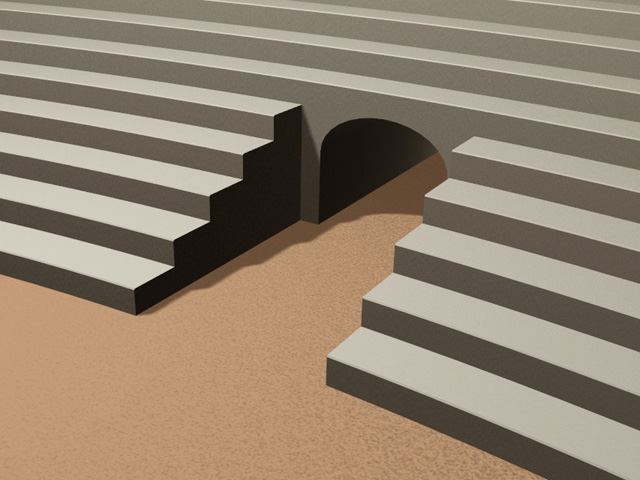
The "vomitorium" is one of the most persistent myths about ancient Rome. The popular belief is that it was a special room where wealthy Romans would go to vomit during lavish feasts, emptying their stomachs so they could return to the table and continue gorging themselves. This image of decadent excess has been repeated in countless books, films, and casual conversations as a symbol of Roman gluttony and moral decline. The reality is quite different. A vomitorium was actually an architectural feature, not a room for purging. The word comes from the Latin verb vomere, meaning "to spew forth" or "to discharge." In Roman amphitheaters, theaters, and stadiums (like the Colosseum), vomitoria were the passageways and entrance/exit tunnels that allowed large crowds to "spew forth" into the seating areas quickly, or to disgorge the audience efficiently at the end of an event. The Colosseum, for example, had around 76 vomitoria that could empty its 50,000+ spectators in roughly 15 minutes, an impressive feat of crowd management still echoed in modern stadium design. The term was first recorded in this architectural sense by the Roman writer Macrobius in the early 5th century CE. The misconception likely took root in the 19th and 20th centuries, when writers conflated the word's vivid etymology with separate (and often exaggerated) accounts of Roman feasting excesses. Ancient sources do mention some Romans inducing vomiting during banquets. Seneca complained about the practice, and figures like the emperor Vitellius and Claudius were said to indulge in it, but this was done at the table, in basins, or in nearby latrines, not in a dedicated architectural "vomiting room." No such room ever existed. So the next time someone references a vomitorium as a Roman binge-and-purge chamber, you can correct them: it was essentially the ancient equivalent of a stadium exit ramp.
Ancient History Hub tweet media
English
5
10
77
13.5K
Carlofredo Rizzo Fuentes
cfr. Dominique-Jean Larrey.
Ancient History Hub@AncientHistorry

205 years ago today, Napoleon Bonaparte died on a tiny British prison island in the middle of the South Atlantic. He was 51. He had ruled most of Europe. And he changed the world so thoroughly that you are still living inside the systems he built. Start with the obvious one. The Napoleonic Code. He commissioned it in 1800, sat in on the drafting sessions personally, argued with the lawyers, and pushed it through in four years. Equality before the law. Property rights. Religious freedom. The end of feudal privilege. It is still the basis of civil law in France, Belgium, the Netherlands, Italy, Spain, Portugal, most of Latin America, Quebec, Louisiana, and chunks of the Middle East and Africa. About a third of the planet writes contracts using rules a Corsican artillery officer wrote between battles. He sold Louisiana to Thomas Jefferson in 1803 for 15 million dollars. Roughly four cents an acre. It doubled the size of the United States overnight. Without that deal there is no St. Louis, no New Orleans as an American city, no Lewis and Clark, no Manifest Destiny. The American century starts with Napoleon needing cash for a war. He invaded Egypt in 1798 with an army and, weirdly, 167 scientists, mathematicians, and artists. They found the Rosetta Stone. That single slab is the reason we can read hieroglyphs at all. Egyptology as a field exists because Napoleon brought scholars to a war. He built the Bank of France, which still runs French monetary policy. He created the lycée system that still educates French teenagers. He shoved the metric system across Europe at sword-point until it stuck. He emancipated the Jews of every territory he conquered, tearing down ghetto walls in Rome, Venice, Frankfurt. He abolished serfdom in Poland. He standardized road networks, civil registries, and tax codes that European governments still operate from. And then there's the soldiering. He fought around 60 major battles and won most of them. Austerlitz, in 1805, against the combined Russian and Austrian empires, is still taught at West Point as one of the closest things to a tactically perfect battle ever fought. He was outnumbered, baited the enemy onto ground he had pre-selected, and broke them in a single afternoon. Three emperors took the field that morning. Only one walked off it on his own terms. He slept four hours a night. He read constantly, dictated letters to four secretaries at the same time, and personally signed off on everything from cavalry boot specs to the seating chart at the Comédie-Française. Wellington, the man who finally beat him at Waterloo, was asked decades later who the greatest general in history was. He answered without hesitating. "In this age, in past ages, in any age, Napoleon." He lost, in the end, because he could not stop. Russia in 1812 swallowed his army whole. Six hundred thousand men marched in. Maybe a tenth came back. He abdicated in 1814, escaped from Elba, ruled France again for 100 days, and lost it all for good in a wheat field in Belgium in June 1815. The British shipped him to St. Helena, a volcanic dot 1,200 miles off the African coast, and waited. He spent six years there dictating his memoirs, gardening, complaining about the dampness, and quietly rewriting his own legend so effectively that Europe spent the next century arguing about him. He died on May 5, 1821, during a storm so violent it ripped up the willow tree he liked to read under. His last words trailed off into fever. France. The army. Joséphine. Nineteen years later France brought him home. Two million people stood in the snow to watch the coffin go by. He was a tyrant. He was a reformer. He started wars that killed somewhere between three and six million people. He also wrote the rulebook that a third of humanity still lives under. Most people who try to conquer the world are forgotten inside a generation. Napoleon has been dead for 205 years and we are still arguing about him because we are still using his furniture.

HT
0
0
0
7
Carlofredo Rizzo Fuentes retweetledi
Libreta Negra Mx
Libreta Negra Mx@LibretaNegraMx·
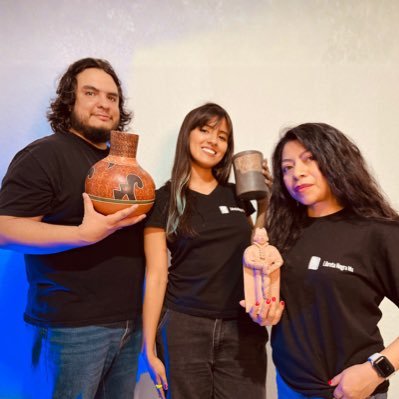
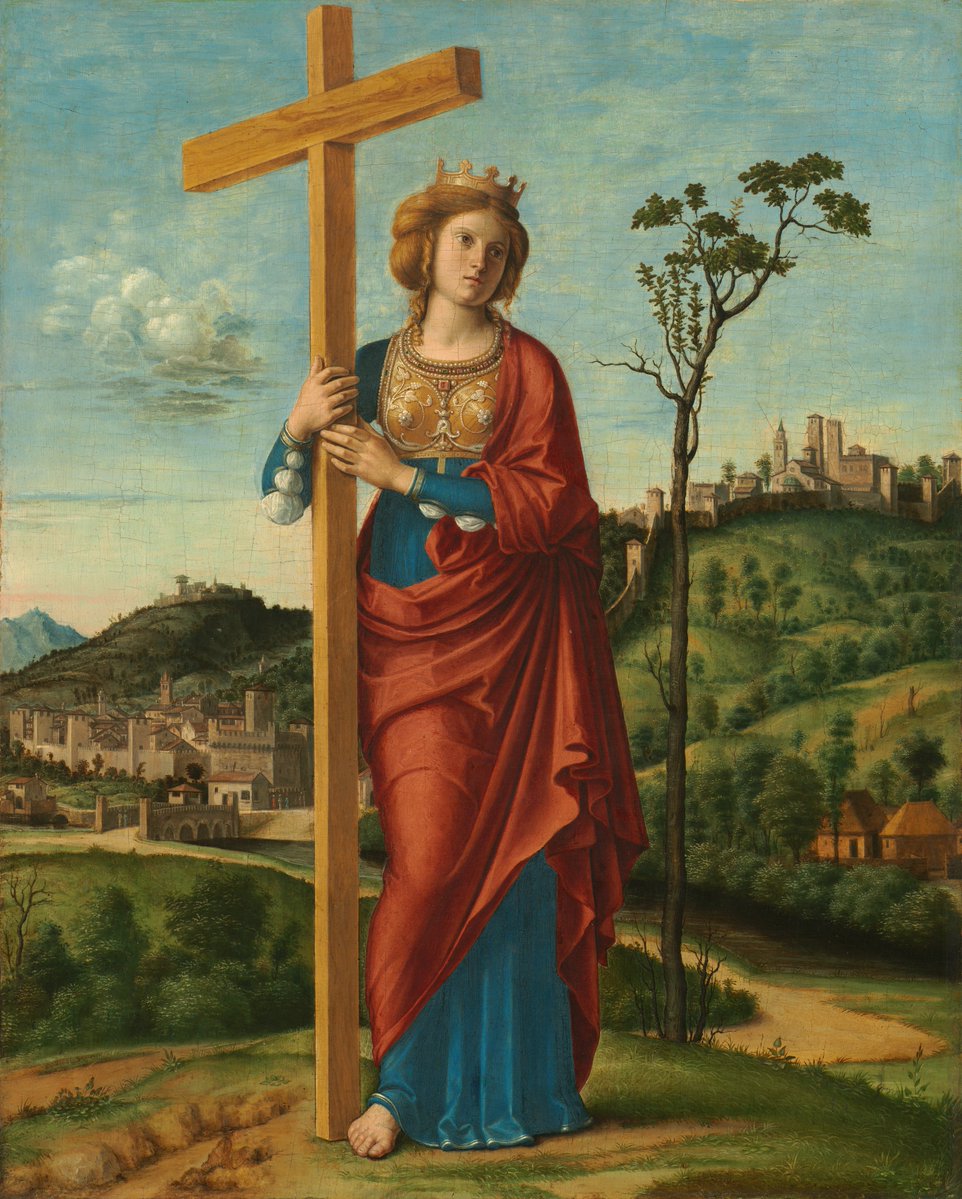
El 3 de mayo parece una coincidencia… es el día de la Santa Cruz, del arqueólogo y del albañil. ¿Qué los une? Todo comienza con Flavia Julia Helena, quien en el siglo IV excavó en Jerusalén buscando la Vera Cruz. No era arqueología como la entendemos hoy, pero sí el mismo impulso: excavar para encontrar sentido en la materia. Siglos después, esa fecha llegó a México y se encontró con algo más antiguo: rituales de mayo ligados a la lluvia, la tierra y la fertilidad. La cruz no reemplazó esas prácticas… las absorbió. Así nació un sincretismo que sigue vivo. En las obras, los albañiles colocan una cruz en lo alto: protección, pero también memoria. El arqueólogo excava el pasado, el albañil construye el futuro y ambos —como Helena— trabajan con la tierra. Es lo que se conmemora ele 3 de mayo. #Arqueología #Historia #México #PatrimonioCultural #CultivamosMemorias
Libreta Negra Mx tweet media
Español
2
61
190
4.1K