Dominique Vellin

902 posts

Dominique Vellin banner
Dominique Vellin

Dominique Vellin

@d_vellin

Strategy professor & Management consultant · Founder of Strasao · Affiliate professor at ENSTA Paris · Teaching at X, ESCP Exed, Zhejiang University

Paris, France Katılım Kasım 2009
2.4K Takip Edilen534 Takipçiler
Dominique Vellin retweetledi

Steve Stewart-Williams
Steve Stewart-Williams@SteveStuWill·
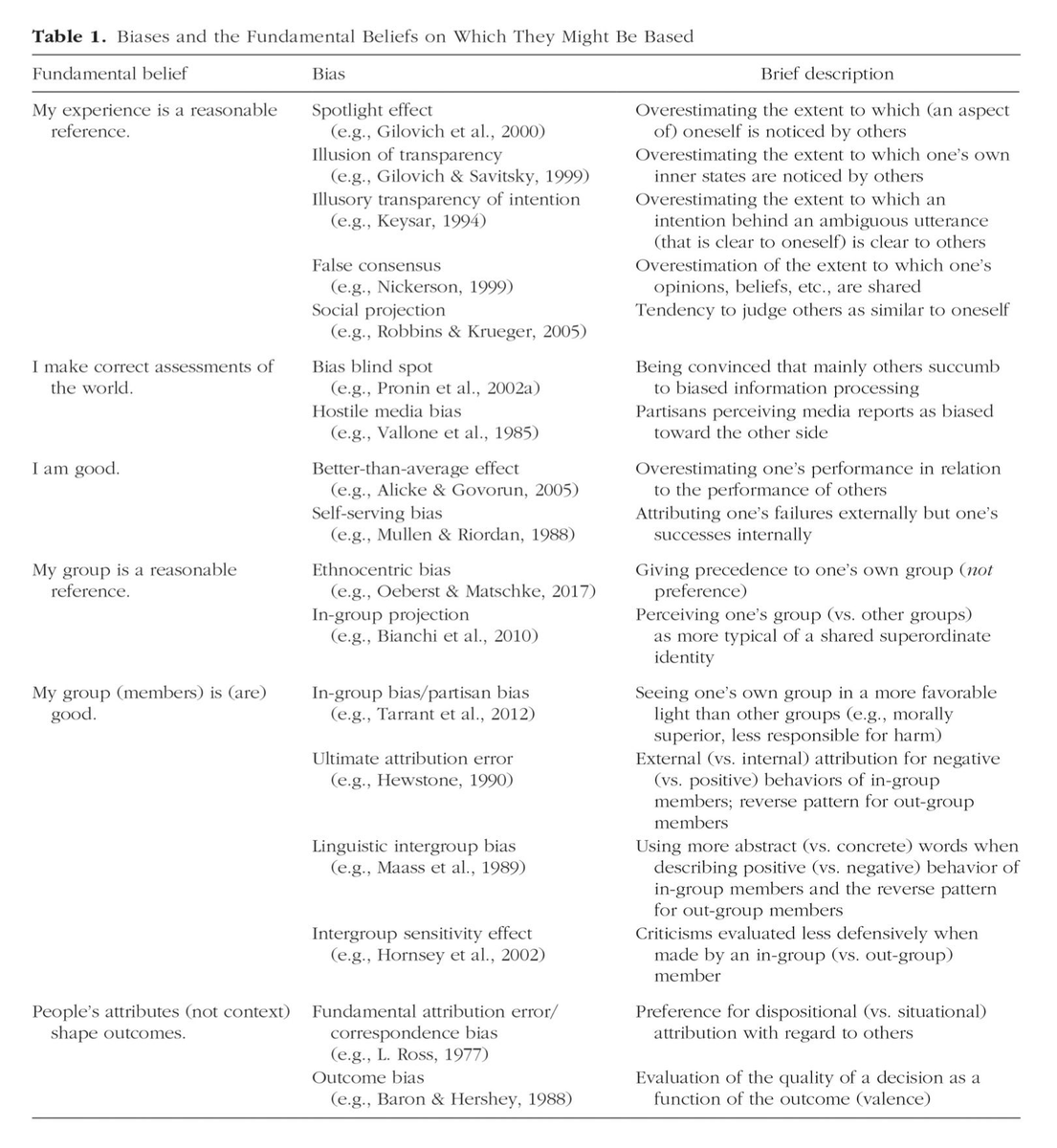
Psychologists have posited hundreds of cognitive biases over the years. A fascinating new paper argues that they all boil down to one of a handful of fundamental beliefs coupled with confirmation bias. stevestewartwilliams.com/p/one-bias-to-…
Steve Stewart-Williams tweet media
English
47
603
2.5K
201.3K
Dominique Vellin retweetledi
Alice Evans
Alice Evans@_alice_evans·
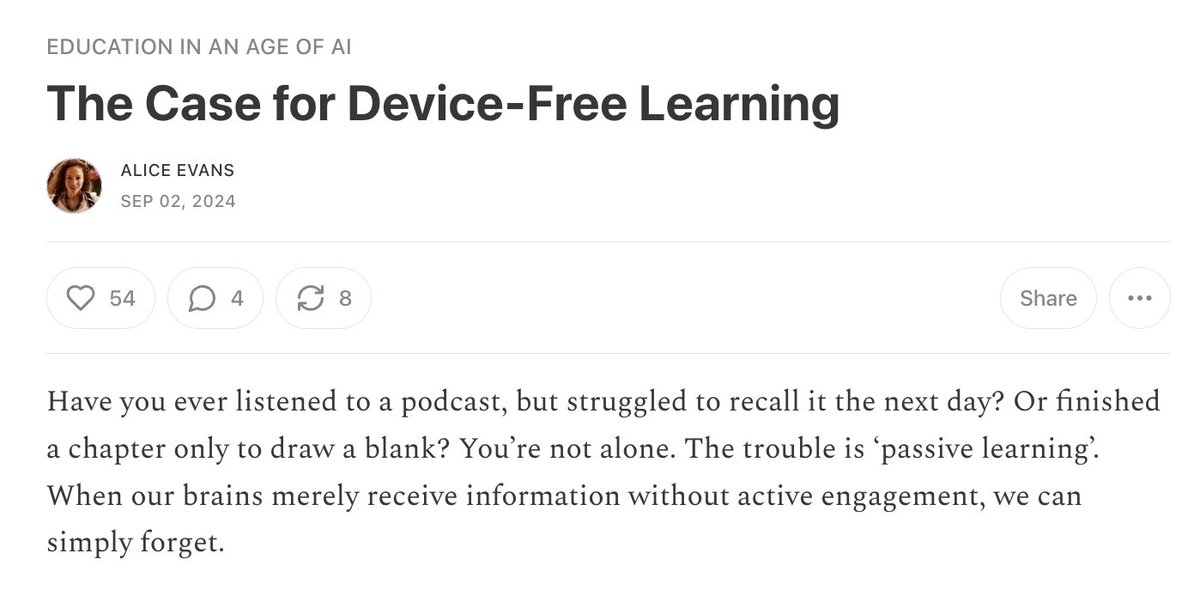
When I wrote an essay on banning devices in my lectures, some people shouted back in horror as if this was some insensitive injustice, failing to accommodate diverse needs. A little over a year later, pretty much everyone recognises that devices are distracting and perhaps unhelpful. A good reminder not to be intimidated or censored by very online bullies.
Alice Evans tweet media
Jonathan Haidt@JonHaidt

Many college professors are discovering that students learn less when they have laptops open. Many of us are banning their use in class. Putting computers and tablets on students desks in K-12 may turn out to be among the costliest mistakes in the history of education

English
19
76
461
39.1K
Dominique Vellin retweetledi
Dr. Rhonda Patrick
Dr. Rhonda Patrick@foundmyfitness·
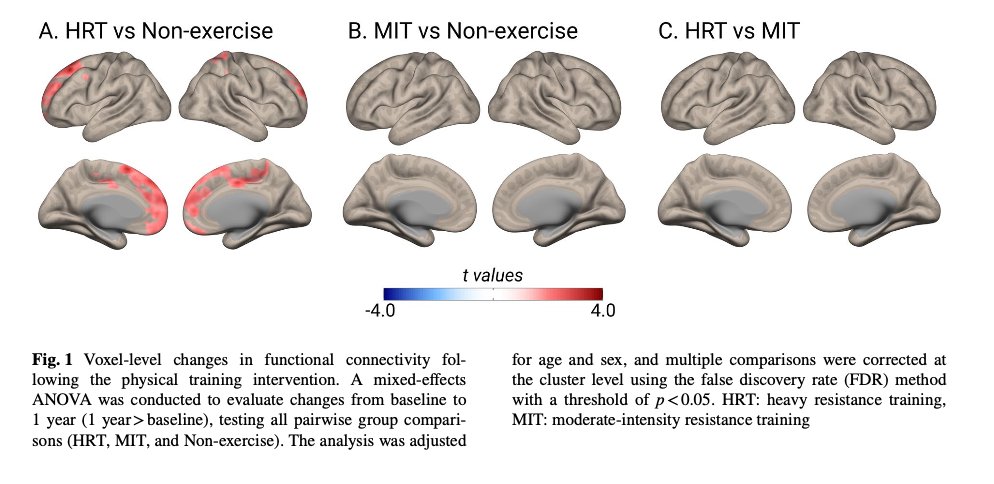
Lifting weights makes your brain look younger. One year of either heavy- or moderate-intensity strength training reduced older adults' estimated brain age by 1.4-2.3 years on average and enhanced functional connectivity between brain networks. What I find remarkable is, while the training lasted only one year, the effects on the brain were still noticeable at the two-year follow up. So many benefits of going to the gym, and not just for your muscles.
Dr. Rhonda Patrick tweet mediaDr. Rhonda Patrick tweet media
English
145
1.2K
9.2K
470.1K
Dominique Vellin retweetledi
Jay Van Bavel, PhD
Jay Van Bavel, PhD@jayvanbavel·
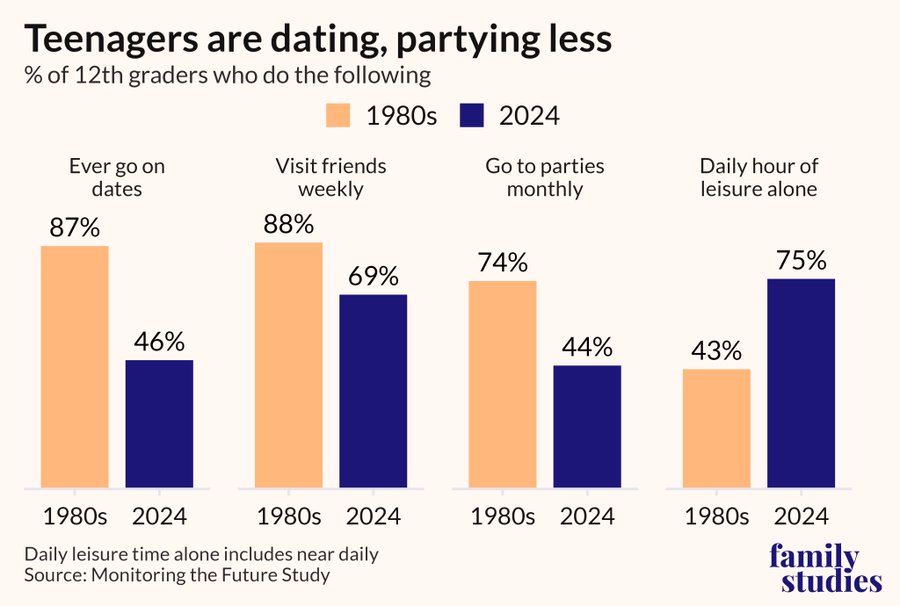
Humans are social animals. Our relationships give life meaning and joy. I think we need to bring back parties, dating, and visiting friends.
Jay Van Bavel, PhD tweet media
English
15
75
397
54.9K
Dominique Vellin retweetledi
Jonathan Haidt
Jonathan Haidt@JonHaidt·
Many college professors are discovering that students learn less when they have laptops open. Many of us are banning their use in class. Putting computers and tablets on students desks in K-12 may turn out to be among the costliest mistakes in the history of education
Frank Luntz@FrankLuntz

The U.S. spent $30 billion to ditch textbooks for laptops and tablets in classrooms. The result: Gen Z is the first generation to score lower on standardized tests than their parents. fortune.com/2026/02/21/lap…

English
271
1.1K
6.8K
960.4K
Dominique Vellin retweetledi
Steven Pinker
Steven Pinker@sapinker·
I can never get enough of this family of illusions - and it took me a while to understand how they work well enough to explain it to my intro psych class. (Pixels at the edges continually shift color, perceptually dragging the segments with them.) Shows (together with other illusions, like the waterfall aftereffect) that motion has its own representations in the brain, not reducible to change in position.
English
0
119
963
145.7K
Dominique Vellin retweetledi
Jonathan Haidt
Jonathan Haidt@JonHaidt·
"Early data on the effects of school phone bans confirm what teachers and administrators have long suspected—that phones in the classroom were the primary culprit behind bad behavior and low engagement." From @juliejargon at @WSJ wsj.com/us-news/educat…
English
94
649
2.5K
482.6K
Dominique Vellin
Dominique Vellin@d_vellin·
« How to compose a successful critical commentary: 1.You should attempt to re-express your target’s position so clearly, vividly, and fairly that your target says, “Thanks, I wish I’d thought of putting it that way.” 2.You should list any points of agreement (especially if they are not matters of general or widespread agreement). 3.You should mention anything you have learned from your target. 4.Only then are you permitted to say so much as a word of rebuttal or criticism. »
Steven Pinker@sapinker

How to Criticize with Kindness: Philosopher Daniel Dennett on the Four Steps to Arguing Intelligently – The Marginalian themarginalian.org/2014/03/28/dan…

English
0
0
0
40
Dominique Vellin retweetledi
Ethan Mollick
Ethan Mollick@emollick·
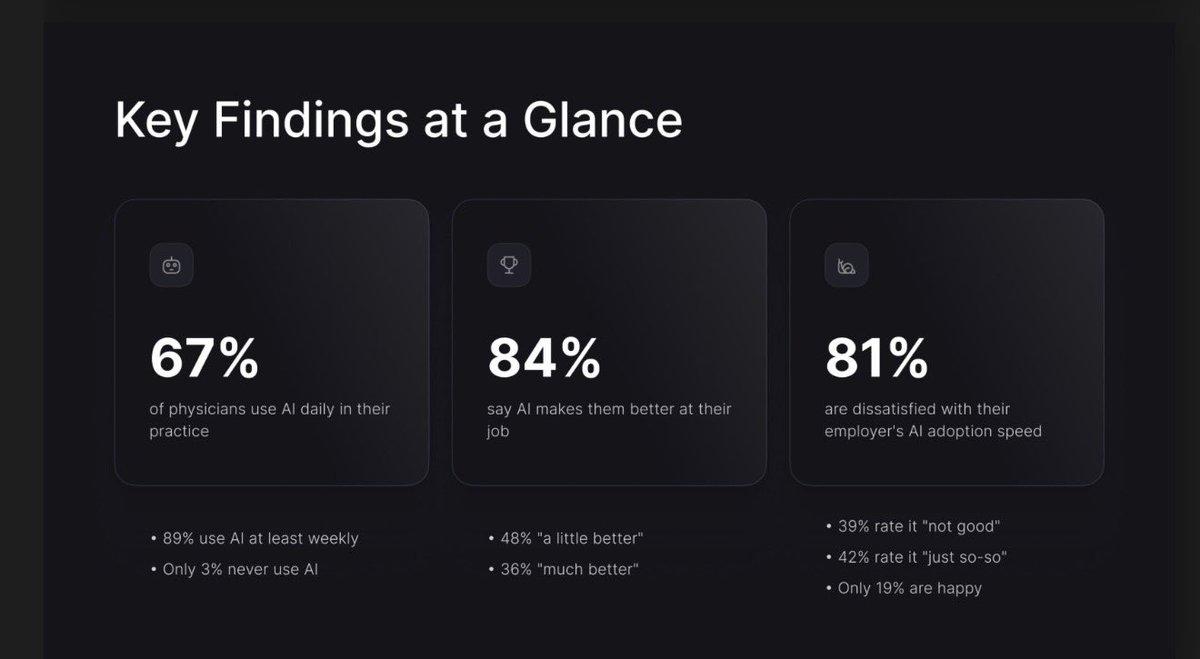
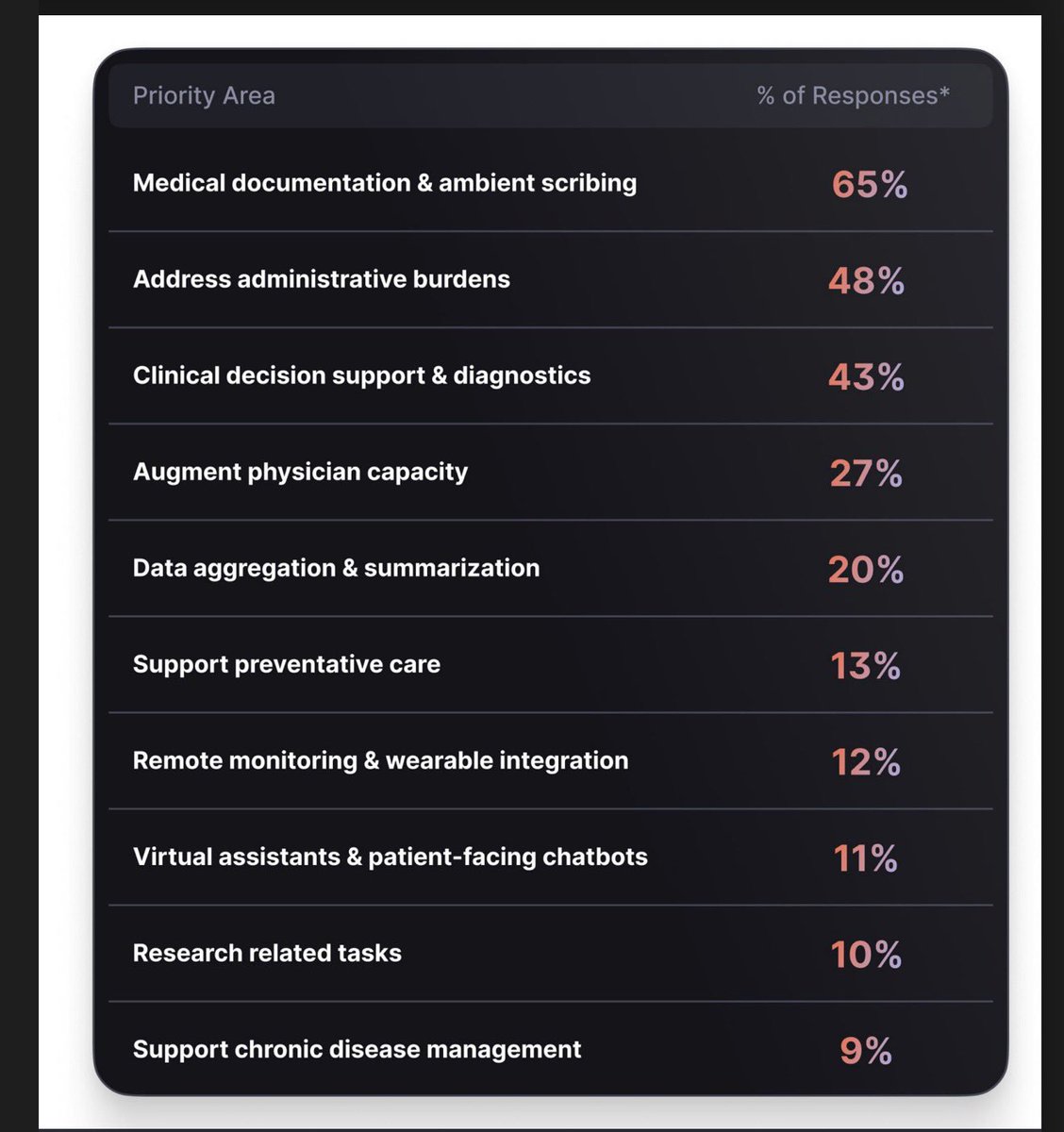
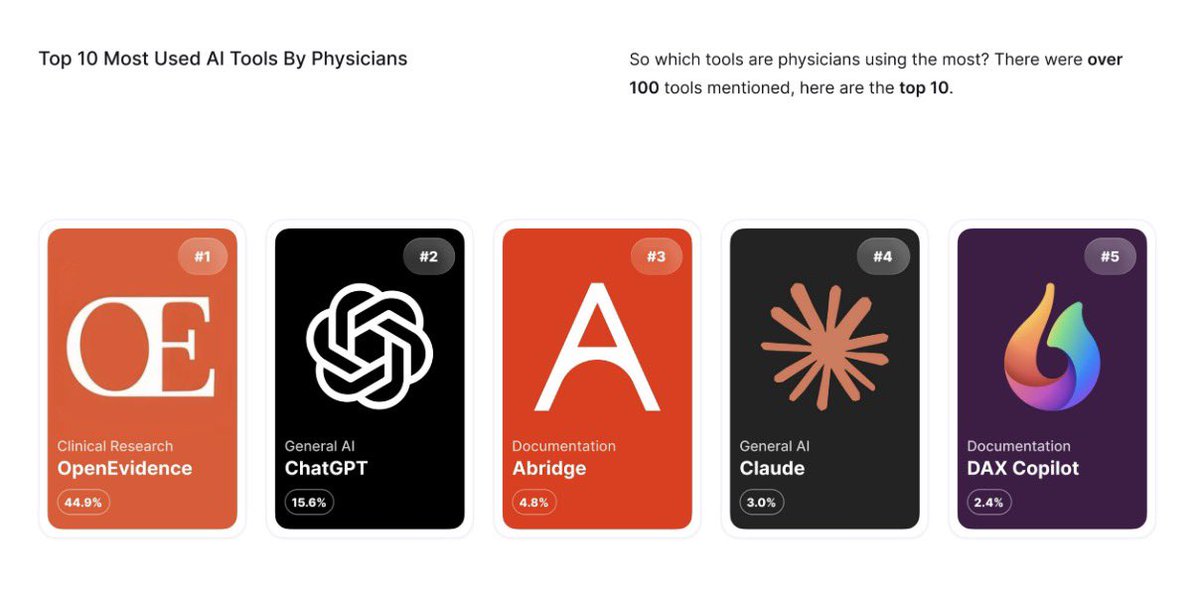
Surprisingly rapid & high Ai adoption by doctors: 67% use it daily, 84% says it makes them better doctors, 42% says it makes them want to stay in medicine more (10% said less). A lot of the use cases appear to be administrative and research assistance. 2025-physicians-ai-report.offcall.com
Ethan Mollick tweet mediaEthan Mollick tweet mediaEthan Mollick tweet media
English
62
199
1.3K
264.9K
Dominique Vellin retweetledi
Adam Grant
Adam Grant@AdamMGrant·
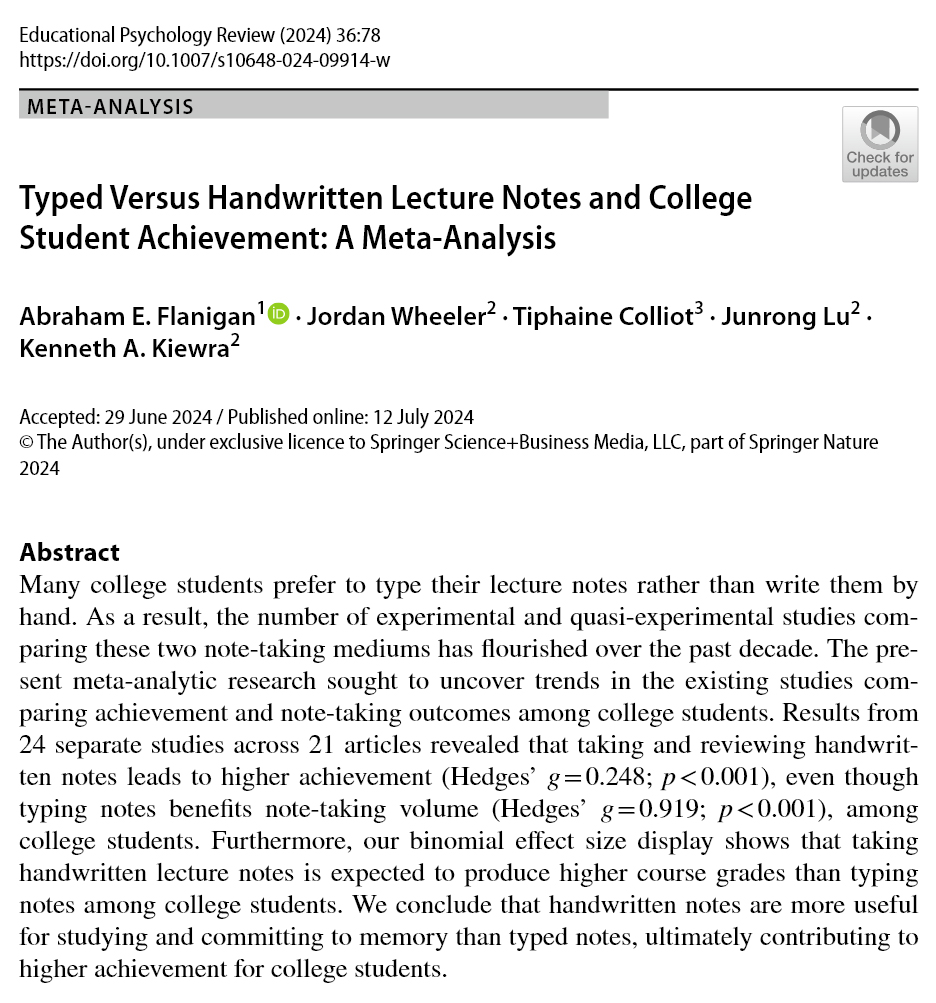
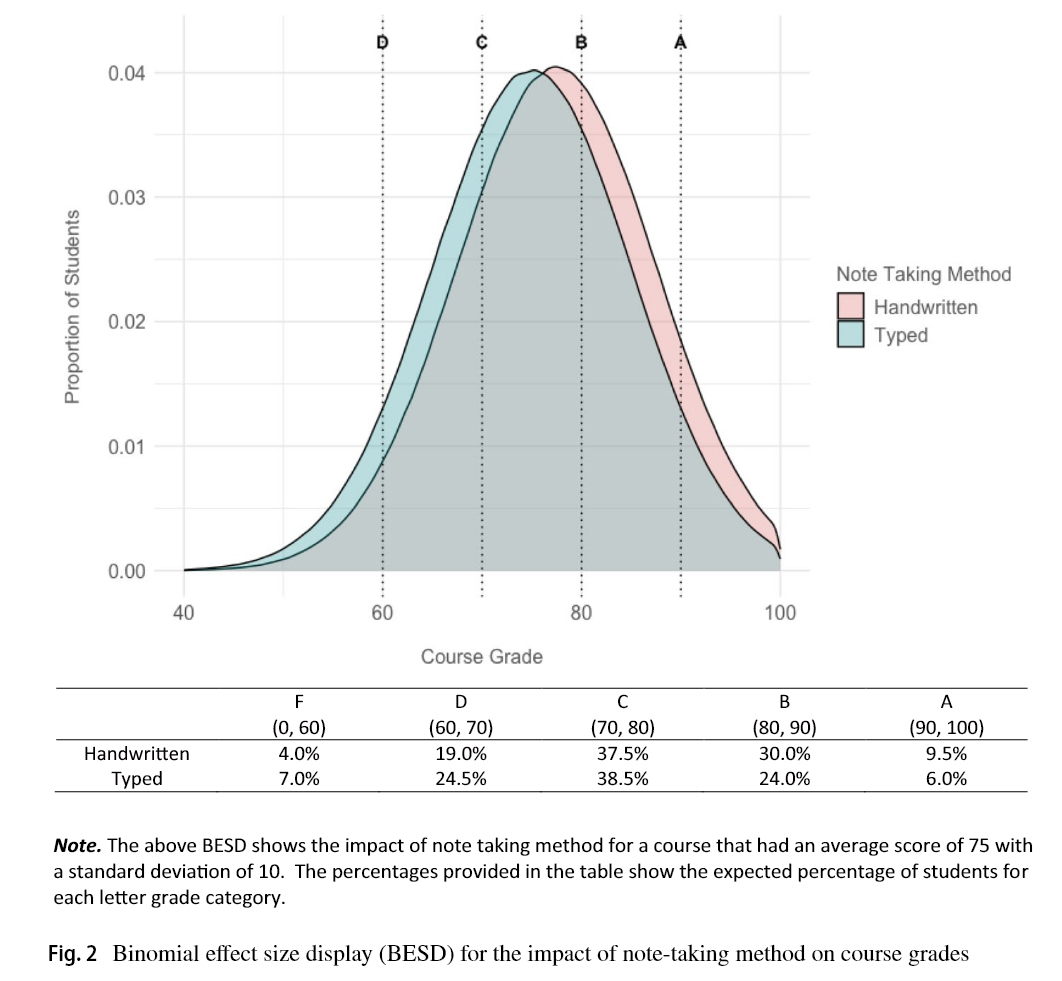
It's time to remove laptops from classrooms. 24 experiments: Students learn more and get better grades after taking notes by hand than typing. It's not just because they're less distracted—writing enables deeper processing and more images. The pen is mightier than the keyboard.
Adam Grant tweet mediaAdam Grant tweet media
English
739
6.7K
26.4K
3.7M
Dominique Vellin retweetledi
Steven Pinker
Steven Pinker@sapinker·
An AI pioneer, Yann Lecun, says his field has been led astray by Large Language Models (since they are not based on factual models of the world, but only on massive correlations and abstractions from them). As a cognitive scientist, I'm sympathetic. wsj.com/tech/ai/yann-l… via @WSJ
English
0
179
1K
156.4K
Dominique Vellin retweetledi
Adam Grant
Adam Grant@AdamMGrant·
Bingeing TikTok reels may be hazardous to your well-being. 71 studies, >98k people: The more short-form videos teens and adults watched, the more they struggled with attention, self-control, and stress and anxiety. Read a book. Watch a movie. Long live longform.
Adam Grant tweet media
English
184
2.9K
9.2K
3.3M
Dominique Vellin retweetledi
Dr Jérôme BARRIERE, MD.
Dr Jérôme BARRIERE, MD.@barriere_dr·
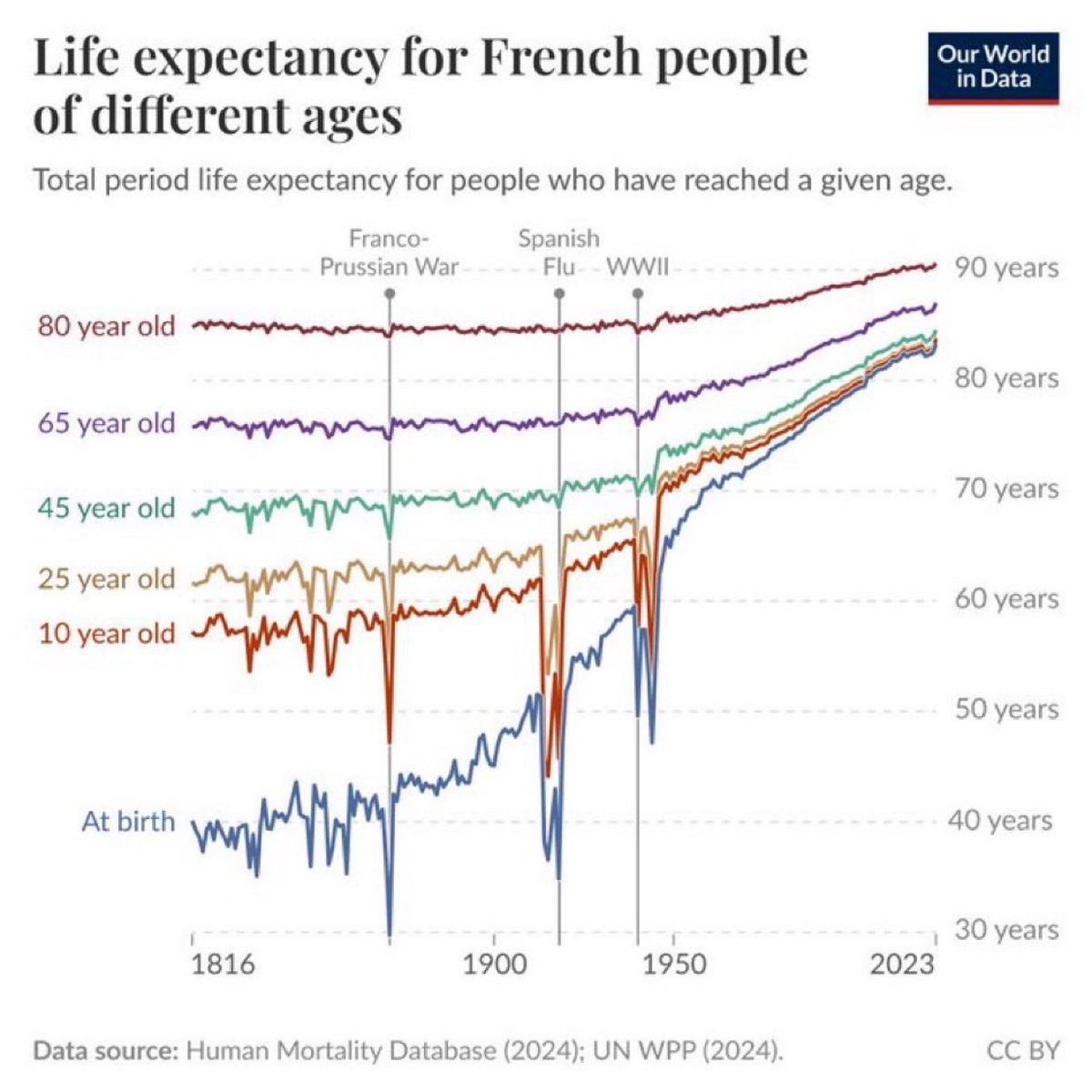
Paradoxe : la médecine a l’air d’échouer… parce qu’elle réussit. Avant, on guérissait ou on mourait. Aujourd’hui, grâce aux progrès, des millions de personnes vivent des décennies avec une maladie chronique. Résultat : on voit plus de « malades », plus d’actes, plus d’alertes médiatiques. Ce n’est pas un échec, c’est la survie. Le problème, c’est que la facture suit… et notre financement décroche. 👉Plus de maladies chroniques => parcours longs, soins répétés, coordination nécessaire. (En France, ~12 millions de personnes en ALD en 2021, en hausse continue.) 👉Des dépenses de santé structurellement élevées (les pays OCDE, France incluse, dépassent souvent 10 % du PIB).  👉Des budgets sous tension : ONDAM 2025 fixé à 263,9 Md€ (+2,8 % vs 2024) alors que la demande augmente plus vite. Et qui sont les bous émissaires que l’on sanctionne ? Les professionnels de santé libéraux ! Les médecins, les infirmiers, les kinésithérapeutes, les pharmaciens… Car ce sont eux les fautifs Les « rentiers » des maladies
Dr Jérôme BARRIERE, MD. tweet media
Simon Maechling@simonmaechling

Paradox: Medicine looks like it’s failing, because it’s working. In the past, you got better or you died. Now? Millions live for decades with chronic illness, thanks to science. But that means more visible sickness, more headlines, more worry. It’s not failure. It’s survival.

Français
41
146
708
104.7K
Dominique Vellin
Dominique Vellin@d_vellin·
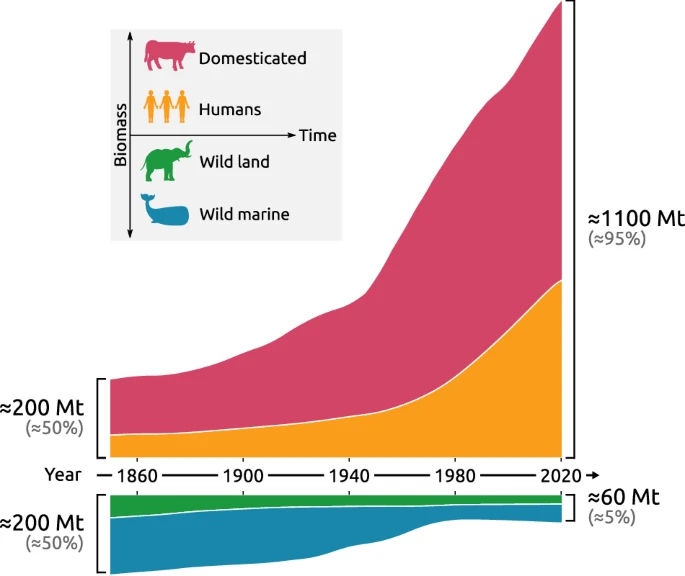
En 1850, les mammifères sauvages représentaient ≈ la moitié de la biomasse des mammifères sur Terre. Aujourd’hui : ≈ 5 %. Les humains et leurs animaux domestiques en concentrent ≈ 95 %. Une bascule planétaire silencieuse. 🔗 nature.com/articles/s4146…
Dominique Vellin tweet media
Français
0
0
0
35
Dominique Vellin retweetledi
Crémieux
Crémieux@cremieuxrecueil·
Pretty interesting: Companies that have adopted AI aren't hiring fewer senior employees, but they have cut back on hiring juniors ones.
Crémieux tweet media
English
409
987
9.5K
4.7M
Dominique Vellin retweetledi
Our World in Data
Our World in Data@OurWorldInData·
Over the last 60 years, the world population has more than doubled. This has inevitably reduced the land available per person to live and grow food. How have we managed to feed a rapidly growing population with ever-shrinking land resources? Let's look at this for cereals, which make up more than half of total caloric intake in many countries and dominate global arable land use by area. We see in the chart that for cereals, this has been achieved by massively increasing the yield — the world can now produce more than three times as much cereal from a given area of land as it did in 1961 (i.e., an increase in yield of 214%). In the same period, land used for cereal has only increased by 14%. This increase in yield output (or "intensification") has typically been achieved through a combination of chemical inputs (such as fertilizer, pesticides, and herbicides); improved water use (e.g., irrigation); mechanization and improved farming practices; and the use of higher-yielding crop strains or seeds.
Our World in Data tweet media
English
18
128
476
54.2K
Dominique Vellin retweetledi
Crémieux
Crémieux@cremieuxrecueil·
It's really remarkable just how well climate predictions from decades ago have held up. Mainstream climate science has done a good job forecasting the future.
Crémieux tweet media
English
267
486
3.7K
709.7K
Dominique Vellin retweetledi
Alex Prompter
Alex Prompter@alex_prompter·
This is going to revolutionize education 📚 Google just launched "Learn Your Way" that basically takes whatever boring chapter you're supposed to read and rebuilds it around stuff you actually give a damn about. Like if you're into basketball and have to learn Newton's laws, suddenly all the examples are about dribbling and shooting. Art kid studying economics? Now it's all gallery auctions and art markets. Here's what got me though. They didn't just find-and-replace examples like most "personalized" learning crap does. The AI actually generates different ways to consume the same information: - Mind maps if you think visually - Audio lessons with these weird simulated teacher conversations - Timelines you can click around - Quizzes that change based on what you're screwing up They tested this on 60 high schoolers. Random assignment, proper study design. Kids using their system absolutely destroyed the regular textbook group on both immediate testing and when they came back three days later. Every single one said it made them more confident. The part that surprised me? They actually solved the accuracy problem. Most ed-tech either dumbs everything down to nothing or gets basic facts wrong. These guys had real pedagogical experts evaluate every piece on like eight different measures. Look, textbooks have sucked for centuries not because publishers are idiots, but because making personalized versions was basically impossible at scale. That just changed. This isn't some K-12 thing either. Corporate training could work this way. Technical documentation. Professional development. Imagine if every boring compliance course used examples from your actual job instead of generic office scenarios. We might have just watched the industrial education model crack for the first time. About damn time.
Alex Prompter tweet media
English
185
1.5K
8.9K
902.2K
Dominique Vellin retweetledi
Jesse Peltan
Jesse Peltan@JessePeltan·
Solar generation for comparison.
Jesse Peltan tweet media
Español
2
5
45
4K