David Albright

10.9K posts

David Albright banner
David Albright

David Albright

@dalbright

Head of Design & Comms at @allen_ai ☕️🚲🏡📱♻️🌿🏳️‍🌈🇺🇸🎌

Seattle, WA Katılım Kasım 2008
1.3K Takip Edilen1.3K Takipçiler
David Albright
David Albright@dalbright·
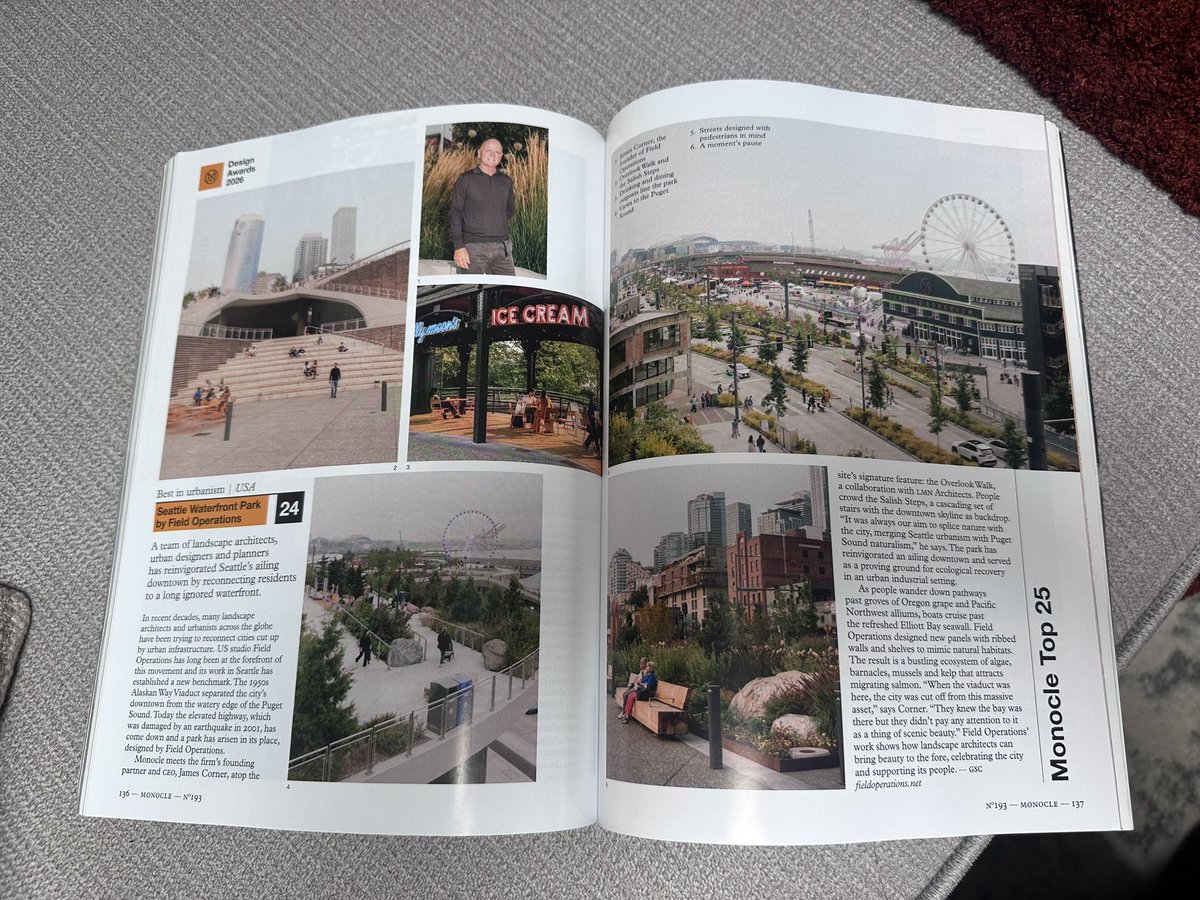
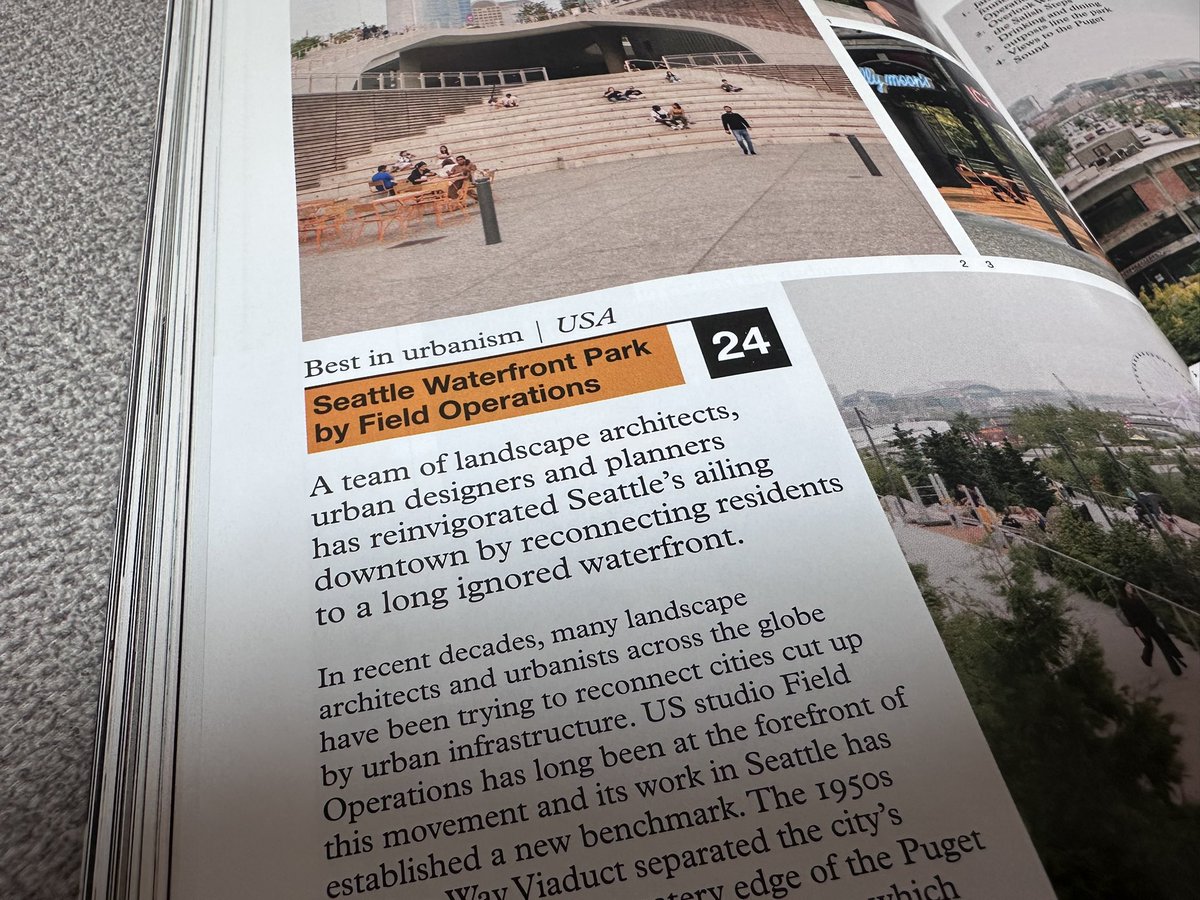
Nice to Seattle get some love in @MonocleMag. We are so rarely blessed with a mention in this magazine 😅
David Albright tweet mediaDavid Albright tweet media
English
0
0
0
53
David Albright retweetledi
Alex Armlovich
Alex Armlovich@aarmlovi·
A significant amount of the charm embodied in the 5000 years of urbanism before WWII exists in the urban form, not the materials We can recover the urban form even when we have to use modern materials
Alex Armlovich tweet media
Jeremy Wayne Tate@JeremyTate41

This is the best preserved medieval street in Europe. Recorded in the Domesday Book of 1086, The Shambles in York, England has had shops trading on it for nearly a thousand years. It's older than the Crusades.

English
95
121
1.7K
310.5K
David Albright
David Albright@dalbright·
Very cool to see these conversations happening! This is what openness enables. The "tool that allows you to trace those n-grams directly to their source," is infinigram, AKA OlmoTrace from @allen_ai, created by @liujc1998. x.com/alexolegimas/s…
Alex Imas@alexolegimas

This from @TuhinChakr is brilliant. That prize winning story from Granta? Turns out it's just a bunch of random whole phrases taken directly from existing text on the internet. Tool allows you to trace those n-grams directly to their source, which is mostly random fanfiction. tuhinchakrabarty.substack.com/p/ai-slop-gran…

English
2
9
32
8.6K
David Albright retweetledi
SEATTLESUBMISSIONS
SEATTLESUBMISSIONS@SEATTLESUBMISS·
America’s first shopping mall is almost unrecognizable now… this is Northgate Mall today #seattle 😳 (video credit @meaganxking)
English
92
128
774
59.8K
David Albright retweetledi
Nathan Lambert
Nathan Lambert@natolambert·
For a long time, academic researchers being at the cutting edge of new technologies has been a great social equilibrium. Neutral, unbiased technologists have been the people to spread new ideas to the world. As AI research takes off in velocity, it is also going behind closed doors. The tech industry has sewed distrust, and now they are the ones trying to tell the world about incredible changes coming. It's a big loss to a form of social contract in America. There's been a history of scientists helping society understand new technologies. There is a public service in the culture of science that I want to see continue. It's being exacerbated by feelings of FOMO, especially finically driven, where I'm seeing many people who previously wanted to be professors -- and likely still do deep down -- feel a need to conform and chase money, in a pocket of industry. I get it, I grapple with this. For those with a safety net, there will be great returns to some who choose to zag, and try to build something good, for people who need something different. For me, this is building interesting, fully-open models, to show what you can do with a variety of open weight sizes. Yes, AI's immediate future is dictated by the frontier, but it's long-term trajectory still deeply includes academic institutions and open science. Knowledge will always diffuse, but to whom? As of today, I think China is positioned to be the global home of AI research in a few years. The home of research is where ideas are accessible, spread rapdily, and are nurtured. The U.S. seems to be unwinding many institutions and relationships. The largest returns go to people who build something differentiated, at least in reputation, and a lot of people are not being shown that this path exists.
English
24
46
418
94.6K
David Albright
David Albright@dalbright·
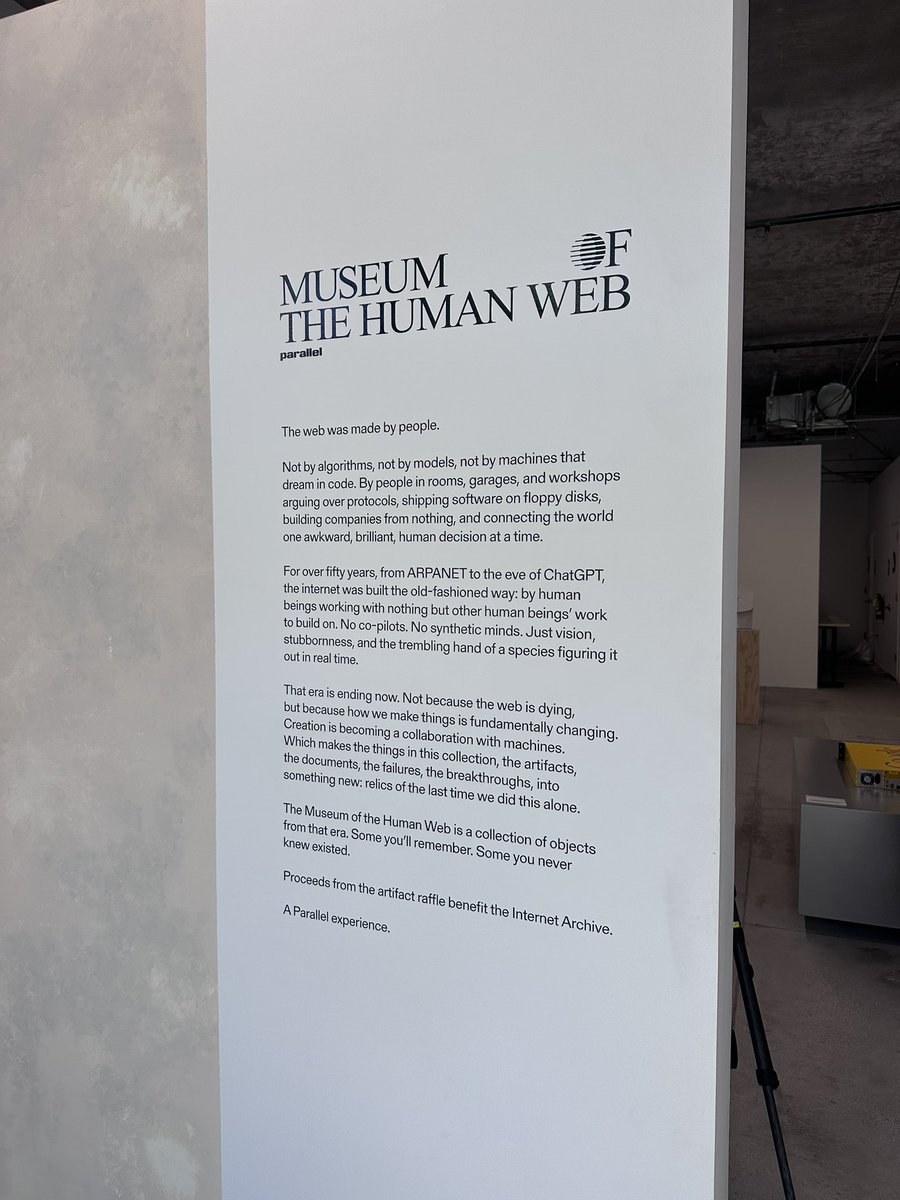
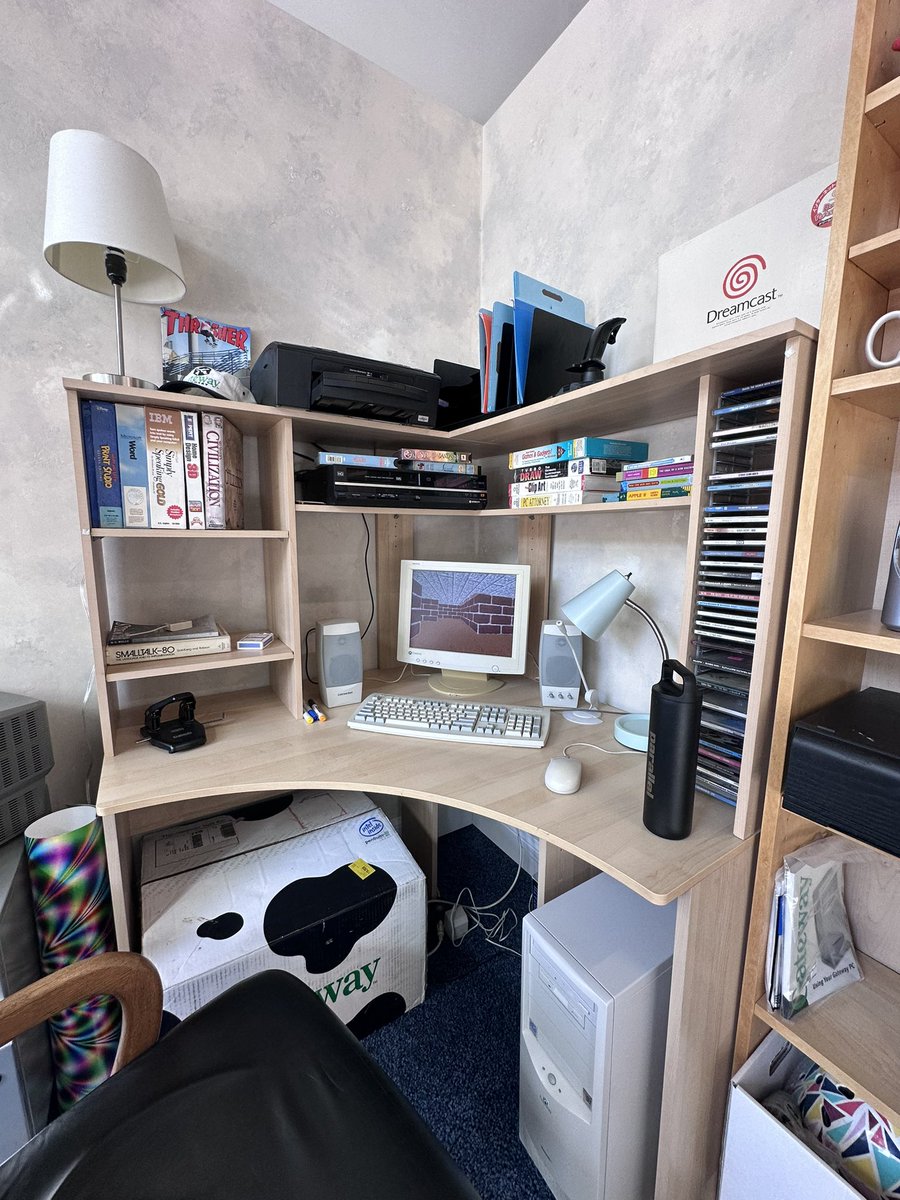
Loved this exhibit at @p0. “The web was made by people.”
David Albright tweet mediaDavid Albright tweet mediaDavid Albright tweet mediaDavid Albright tweet media
English
0
0
2
76
David Albright retweetledi
Ai2
Ai2@allen_ai·
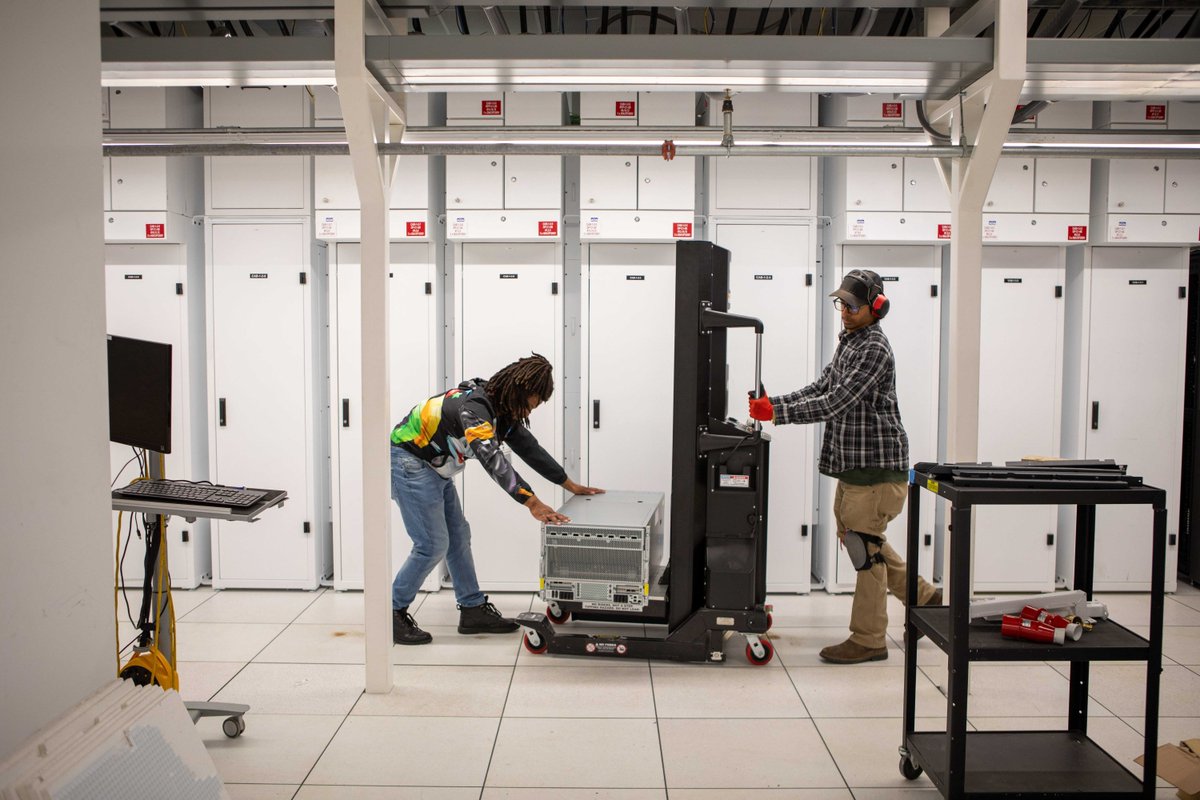
Today we’re bringing new NSF OMAI compute online with NVIDIA Blackwell Ultra-powered systems, turning a $152M national investment from @NSF & @NVIDIA into a foundation for truly open AI research. 🧵
Ai2 tweet mediaAi2 tweet mediaAi2 tweet media
English
6
22
127
286.2K
David Albright retweetledi
Ai2
Ai2@allen_ai·
Interim CEO Peter Clark shares his thoughts on this moment for Ai2, our commitment to open science, and where the institute is headed next. 👇 You've been part of Ai2 for many years, including as Interim CEO before. What feels different about this moment? What feels different now is the incredible pace of progress in AI—and the risk that, in that acceleration, we lose sight of some of the longer-term work that really matters. Ai2 was created to take that longer-horizon view. From the beginning, Paul Allen's vision was to advance AI in ways that push science forward while also delivering meaningful benefit to the world, and, critically, doing it in the open. That's a commitment that's become even more important in the current landscape. So for me, stepping back into this role is about renewing our commitment to that mission, and maintaining a sharpened focus on long-term, high-impact research and engineering. There's a real sense of momentum here internally. Teams are coming together, new ideas are emerging, and there's a lot of energy around what comes next. Where has that mission shown up in the projects at Ai2? It’s always been a combination of deep research and real-world impact. Early on, we helped set the stage for the LLM revolution with our project ELMo, and more recently, that work turned into Olmo and Molmo, along with new training approaches like FlexOlmo. All these projects show that you can be open and still operate at the frontier. At the same time, we’ve been applying AI in meaningful ways. Systems like AutoDiscovery are already changing how oncologists think about treatments for certain types of cancer, and efforts like OlmoEarth are helping us better understand complex Earth systems. That connection between advancing the science of AI and actually deploying these tools is really central to how we operate. Where do you think Ai2 is doing something meaningfully different? A lot of the work we focus on doesn’t fit neatly into existing incentives. Some of it is just longer-term. It’s more exploratory, where the path to impact is real but not immediate. And some of it is about openness and building in a way that others can actually understand and expand on. As a nonprofit, we have the flexibility to do that. We can spend time on problems that need sustained attention, even if they’re not tied to short-term outcomes. It also shapes the kind of environment we’re trying to create. People have the space to think long-term, to explore ideas that aren’t fully formed yet, and to work in the open—while still aiming toward something that has real impact. How do you think about the role of open models in Ai2’s work? Open models remain fundamental to what we do. They matter not just because they improve access, but because they enable a deeper scientific understanding of how these systems work. When models are open, the broader community can study them, build on them, and push the field forward more quickly. That’s also a big part of what’s driving our NSF OMAI work. The U.S. National Science Foundation and NVIDIA invested in us to create the next generation of open model development by bringing together the compute, infrastructure, and research needed to build systems that are fully open and transparent. We’re excited to share an update on the OMAI project very soon as our teams get to work developing the next generation of models and foundational research that will come from it. Where is the Institute planning to focus its time and energy going forward? There are a few areas we’re leaning into. One is continuing to advance the science of AI systems, especially around understanding how models behave and how to make them more reliable. There’s still a lot we don’t fully understand there, and industry-wide, too much of that work is happening behind closed doors. The NSF OMAI project I mentioned earlier is a big part of this. Another is AI for scientific research and discovery. We’re building Asta, an agentic ecosystem that can help researchers generate hypotheses, connect ideas, and move faster. Tools within Asta such as ScholarQA, AutoDiscovery, and Theorizer exemplify this direction, helping scientists by analyzing the scientific literature, discovering surprising findings in data, and positing explanatory theories. Something we’re also really excited to keep advancing is embodied AI. There’s a lot of interesting work happening at the intersection of language models and physical systems, and some of our early efforts like MolmoAct and MolmoBot are starting to explore what it means to build more general, adaptable systems that can operate in the real world, and we have a lot more to come this year. And then there’s our AI for the planet work—including the environment, conservation, and global systems. These are areas where our work is already having real, long-term impact, and we see huge potential for AI to help those on the ground make an even greater impact as platforms like OlmoEarth grow and expand. How does all of this translate to real-world impact? We’ve always tried to connect the research to something that can actually be used. In practice, that means moving across a spectrum from fundamental research to early prototypes to systems with real-world applications. And often, the interesting part is how those pieces connect. AutoDiscovery is a good example. It began as a research system for automated, open-ended scientific discovery and is now available as a managed solution where researchers can upload structured datasets, generate and test hypotheses, and inspect the code and statistical analysis behind each result. It’s not a linear path, but the progression from exploration to application is where a lot of the impact actually happens. Looking ahead—what kind of future is Ai2 working to build, and how can people be part of it? We’re working toward a future where AI is both more deeply understood and more broadly useful. That means continuing to make systems more transparent and reliable, while also applying those advances in ways that have real impact – whether that’s accelerating scientific discovery or addressing challenges in areas like the environment and global systems. The opportunity is to do both at once, and to do it in the open. And that really resonates with a certain kind of person: those who want to work on ambitious problems, who are motivated by impact, and who value being part of a broader scientific effort. That’s the kind of community we’re continuing to build.
Ai2 tweet media
English
1
6
24
3.4K
benmaritz
benmaritz@benmaritz·
In the city of Seattle, the only way to justify owning and renting out a single family home is either (1) you are nuts (2) you are an at scale company with many homes and you can absorb the risk
Captain Mark Kelly@CaptMarkKelly

It’s becoming far too common for corporate landlords to buy up single-family homes by the thousands, pricing out hardworking people from owning a home. We’ve got to crack down on these predatory practices and build more housing.


English
6
5
144
20.4K
benmaritz
benmaritz@benmaritz·
@dalbright @SEANewLiberals I’m sure many folks like your partner have great experiences! The issues are 1) the yield is very low and 2) if you have bad luck and end up with a renter that can’t or won’t pay, you have very little recourse. The law is stacked against you.
English
1
0
8
373
David Albright retweetledi
Daniel Wortel-London
Daniel Wortel-London@dlondonwortel·
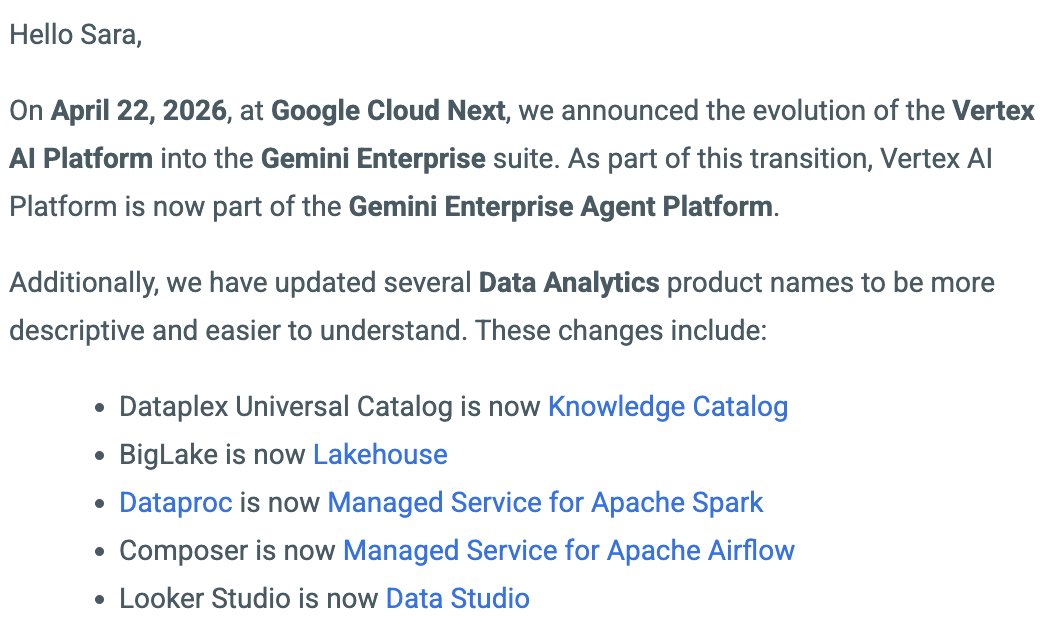
It’s not just new, it’s newspeak
Daniel Wortel-London tweet media
English
265
1.6K
21.7K
3.5M
David Albright
David Albright@dalbright·
Back in Bremerton this weekend to pack the house as we start the process of moving back to Seattle, and I get this reminder of why this Bremerton life is so special.
English
0
0
11
618