In Episode 18 we are joined by @NealGlaviano from the University of Connecticut @uconn_soar@UConn_ISM to discuss all things patellofemoral pain! Special thanks to Dr. Glaviano for joining us and sharing his knowledge and perspective. 🙏🧠
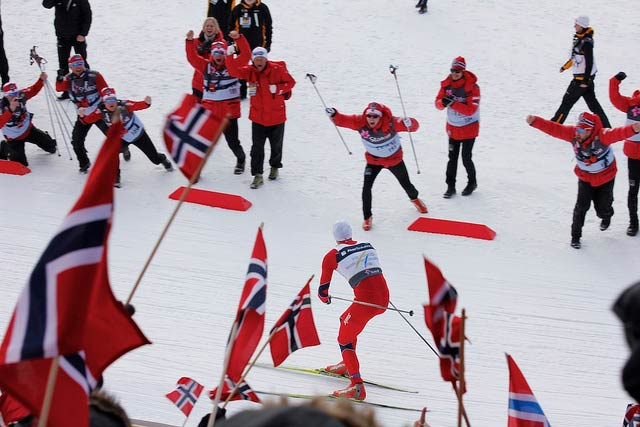
Norway consistently wins the most medals at the Winter Olympic Games, with a population of just 5.6 million people.
A big part of their success is how they treat youth sports—and it’s the opposite of what we do in the US. Here’s what we can learn from Norway:
1. Scorekeeping:
In the US: Youth sports tend to be hyper competitive even at early ages. Leagues almost always keep score.
In Norway: Scorekeeping isn’t even allowed until age 13.
Removing winners and losers keeps the focus on the process not outcomes. It keeps kids engaged longer because it minimizes pressure (and tears) and maximizes fun, learning, and growth. The goal isn’t to win a third grade championship. It’s to love sport and keep playing.
2. Trophies:
In the US: If you give everyone a trophy, you’re creating snowflakes who will never gain a competitive edge.
In Norway: Whenever trophies are awarded, they are handed out to everyone.
If getting a trophy makes young kids feel good, we should give them trophies. Maybe they’ll come back and play again next year!!
As for the creation of snowflakes with no competitive edge—Norway’s athletes are tough as nails and all they do is win.
3. Prioritizing Fun:
In the US: Far too often, the goal is to win.
In Norway: The national philosophy is “joy of sport.”
Youth sports in the US are driven by adults, ego, and money. Youth sports in Norway are driven by fun.
Only half of kids in the US participate in sports. The number one reason they drop out: because they aren’t having fun anymore. In Norway, 93% of kids participate in youth sports. Fun is the foremost goal.
4. Playing Multiple Sports:
In the US: There’s pressure to specialize early and play your best sport year round.
In Norway: Try as many sports as you can before specializing as late as college.
Norway encourages kids to try all types of sport. This reduces injury and burnout and increases all-around athleticism. It also helps promotes match quality, or finding the sport you are best suited for as your body develops, which is impossible if you commit to a single sport too early.
5. Affordability
In the US: There is increasingly a pay-to-play model with high fees for leagues, equipment, and travel. This excludes many kids from playing.
In Norway: It’s a national priority to keep youth sports affordable and therefore accessible for all.
Kids aren’t priced out, which creates opportunities for everyone to participate (and develop into athletes), regardless of their parents’ income level.
We could learn a lot from Norway:
In the US, 70% of kids drop out of youth sports by age 13. This not only diminishes an elite-athlete pipeline, but it also destroys an opportunity for healthy habits and all the character lessons kids can learn from sport.
In Norway, lifelong participation in sport is the norm. The goal isn’t to have the best 9U team. It’s to develop the best athletes. Those are two very different things. And Norway has the gold medals to prove it.
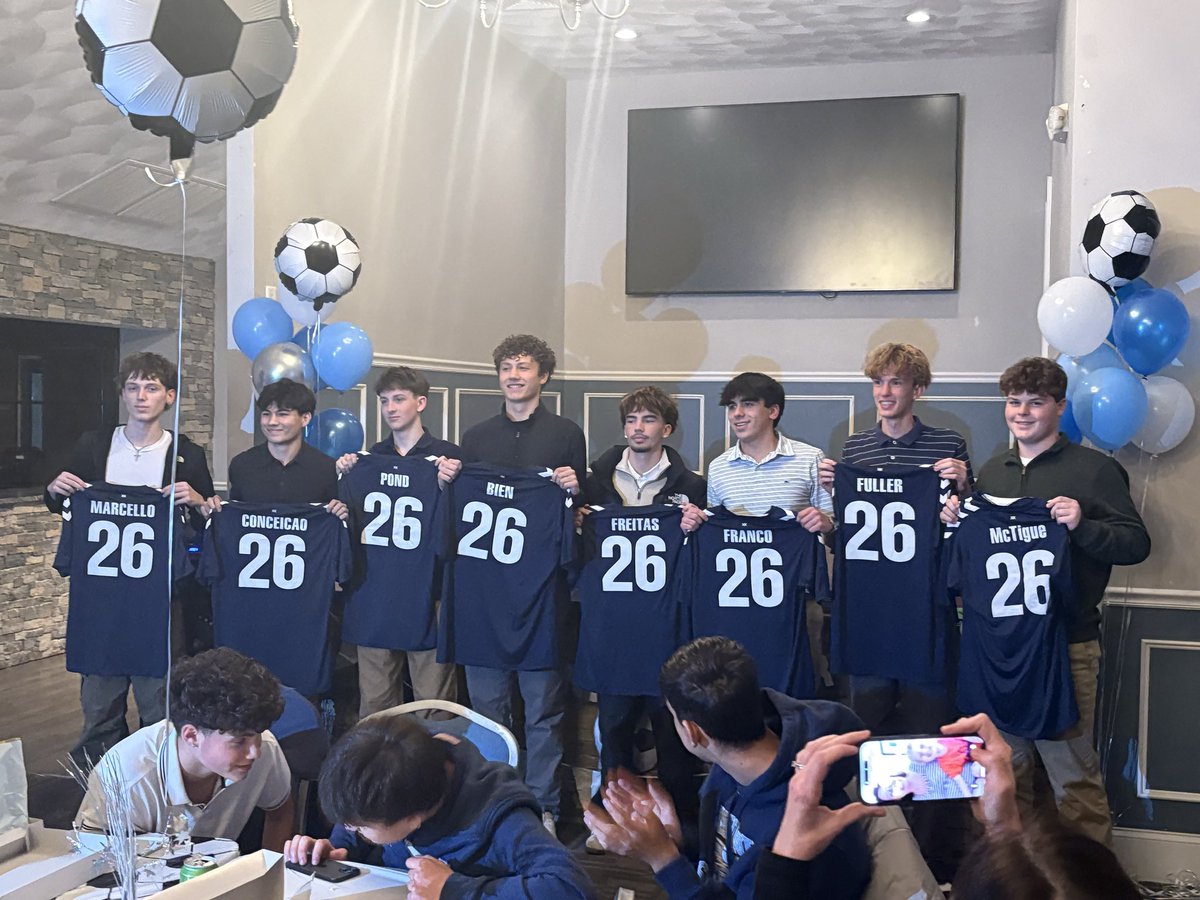
@SeekonkSoccer 2025 post season awards.
Coaches Award- Jonah Amaral
Rookie of the Year- Isaac Twitchell
Team Sportsmanship- Jace Conceicao and Connor McTigue
MVP- Josh Bien
@SeekonkHS@SeekonkWarrior
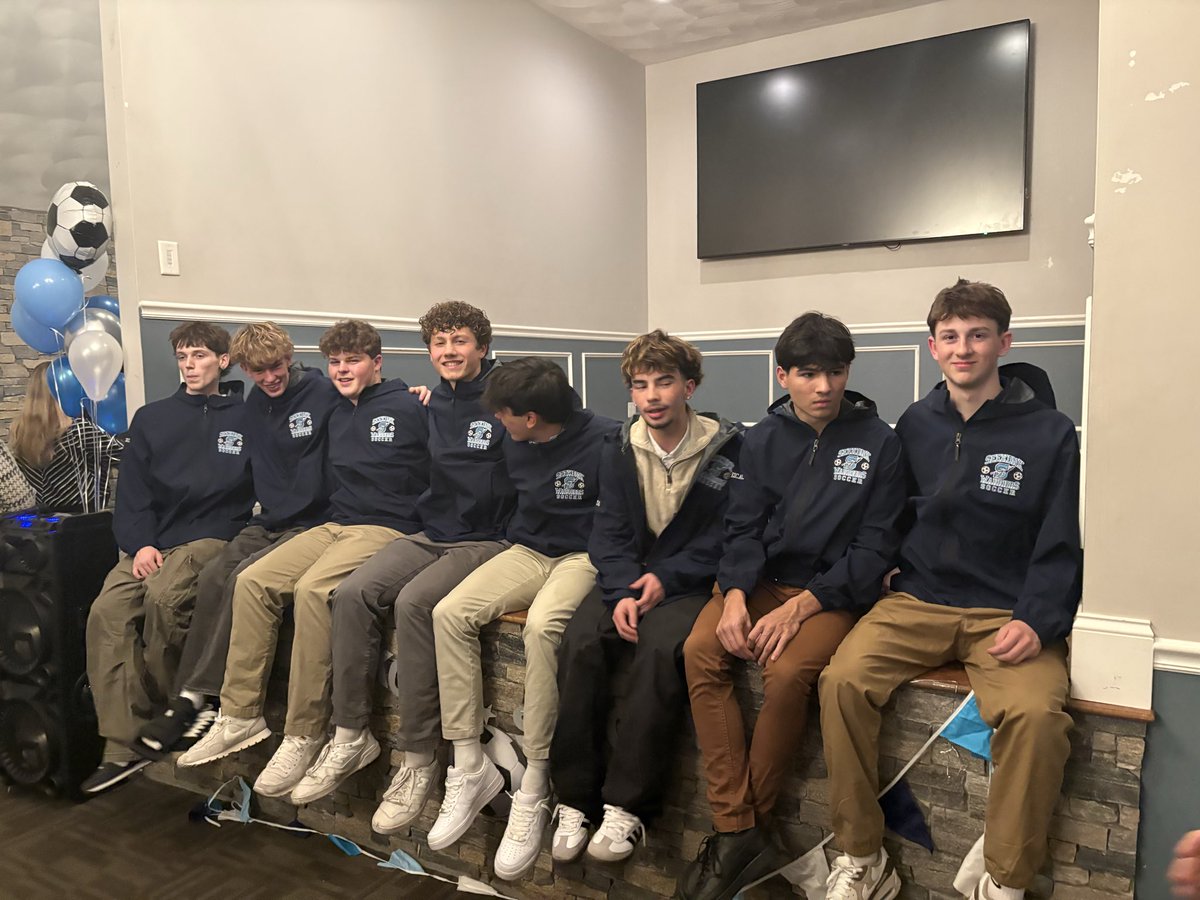
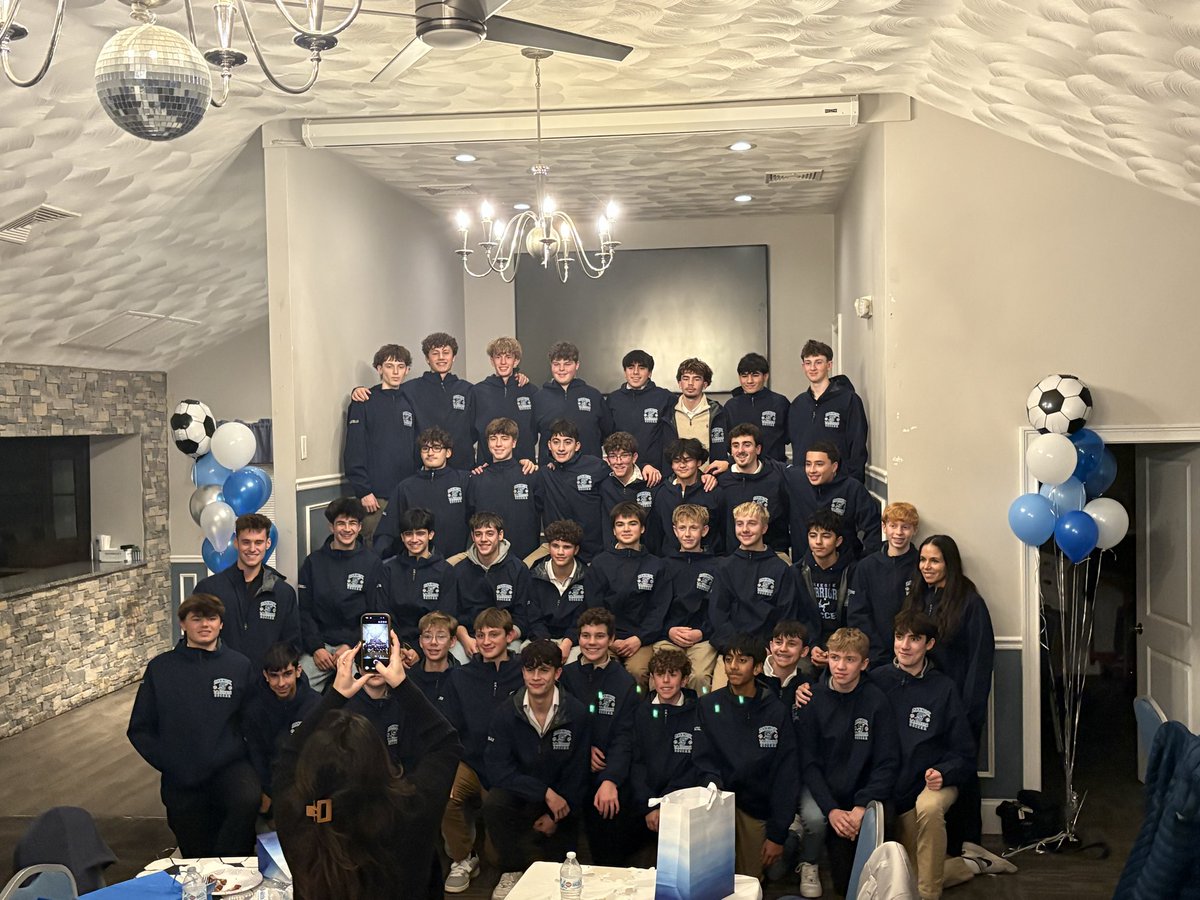
@SeekonkSoccer wrapped up their 2025 season with a banquet to celebrate a second consecutive playoff appearance and a strong jv season. Congrats to the 8 graduating seniors.
Episode includes meniscal tear subtypes and classification, key surgical information to extract and know to influence post-op rehab, non-operative meniscal tear management keys, aging knee considerations, and post-operative management precautions and biomechanical rationale.
Episode 17 of the Rehab, Exercise, and Sports Therapy podcast is now available on Spotify (link below) and YouTube through our sponsor @UOrthopedics . Thanks to @AirelleGiordano for taking time out of her busy schedule @aaspt_apta@UDelawarePT to discuss meniscus rehab!
@SeekonkSoccer participated in the annual Veterans Day leaf rake this weekend to help out Seekonk citizens . Thanks again to Matt Bosh and SHS for organizing this great event . Thanks to captains @JoshBien2026 and Kyle Franco for capping the soccer season with this event !
*If we didn't teach kids how to read & write, we wouldn't expect them to be successful intellectually.
*If we don't teach kids how to move their bodies, we shouldn't expect them to be successful physically.
No wonder many adults hate exercise, get hurt often, and don't know where to start.
Imagine your adherence rate when trying to learn to read for the first time ever as a 45-year-old with 2 kids and a job...
"Physical Education" in school should be viewed similarly (not identical, but similar) to mental education.
PE is not simply to give kids (and teachers) a much-needed break from academics (though that is a very valid reason as well), or to give them time to get their crazies out.
We have a different term for this; it's called "recess."
PE is also not just sports tryout time.
PE should be viewed as a critical opportunity to teach insanely valuable human movement skills, which will impact physical health for the rest of a kid's life.
The current US average for Elementary schools is PE...
2 days per week.
My kids currently get it once (1) per week.
The major push many years ago to remove/reduce PE in schools was an epic failure.
Nicole joins to discuss female athlete ACL injuries.She outlines current and historical evolution of evidence for female ACL injury mechanisms, issues with youth sport specialization,injury prevention programs and barriers to implementation+training/performance considerations
Excited to welcome @Chris_Juneau3 of (thesciencept.com/online-courses…) to talk all things force-related, objective rehab testing, and integrating technology into rehab assessment and treatment. 🔥