Daniel Massaro

2.9K posts

Daniel Massaro banner
Daniel Massaro

Daniel Massaro

@dannymaz1

Coaching, playing, thinking ❤️ Laura, Leo, Woody

England Katılım Eylül 2011
34 Takip Edilen848 Takipçiler
Daniel Massaro retweetledi
Laura Massaro MBE
Laura Massaro MBE@ljmassaro·
Mark Campbell is on The Between the Lines podcast, out NOW Ahad and myself talk all things training for squash. How he thinks the role of S&C coach should support the coach and why training certain energy systems is so important. Such a nice, understated guy - enjoy!
English
0
2
6
549
Daniel Massaro retweetledi
Laura Massaro MBE
Laura Massaro MBE@ljmassaro·
The legend himself - David Pearson, better known as DP. Not often someone drags him on a podcast but we discuss all things technique & his coaching style. If you have any comments drop them below the episode. Link in bio #podcast #squash #technique #DP #training #betweenthelines
English
3
3
16
2.6K
Daniel Massaro
Daniel Massaro@dannymaz1·
@waynegoldcoach Sounds great in a book or a self proclaimed “expert presentation”.. even a tweet! A better coach would weigh up the moment and go from there, knowing there’s no golden move ……
English
0
0
5
312
Wayne Goldsmith
Wayne Goldsmith@waynegoldcoach·
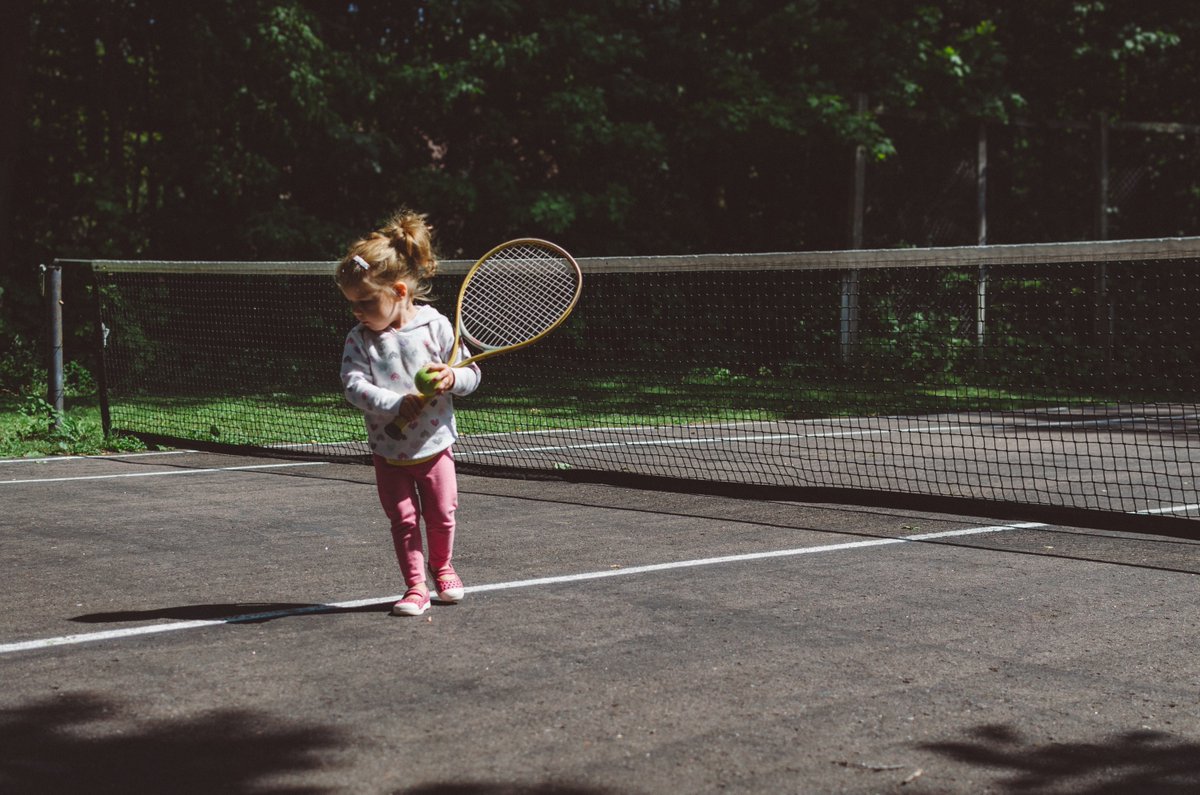
Great #coaching and parents story my good friend Terry the tennis #coach told me - I'll share it with you - as there's many lessons in this: He said, "When a kid walks into your program for the first time with their #parents and they're looking for coaching, look the kid in the eyes and ask them "Why do you want to play tennis?". If mom or dad answers, THAT'S STRIKE 1. Look the kid in the eyes again and ask them directly, "Why have you chosen to come and play with me at my #coaching program?". If mom or dad answers, THAT'S STRIKE 2. Address the kid again, "What is that you'd like to achieve here - what are your tennis goals?". If mom or dad answer, THAT'S STRIKE 3! Shake the kid's hand, smile, look at mom and dad and give them the phone number of another #coach as you politely show them the door. Would love your thoughts on Terry's story!
Wayne Goldsmith tweet media
English
5
0
12
5K
Daniel Massaro
Daniel Massaro@dannymaz1·
From one glass box to the next … 🔥
English
0
0
12
1.2K
Daniel Massaro
Daniel Massaro@dannymaz1·
@mrjakehumphrey I recently completed a thesis on this exact topic. My wife @ljmassaro is former world champion and number 1 squash player and I wanted to make sense of “a lived life in sport.” It’s more about existential being and “everydayness” rather than “sport psychology”
Jake Humphrey@mrjakehumphrey

I need this guy on the podcast. The faster we start seeing footballers as humans the faster the narrative around them can change. Empathy not opinion.

English
0
0
3
595
Dr Fareeha Faisal
Dr Fareeha Faisal@drfareehafaisal·
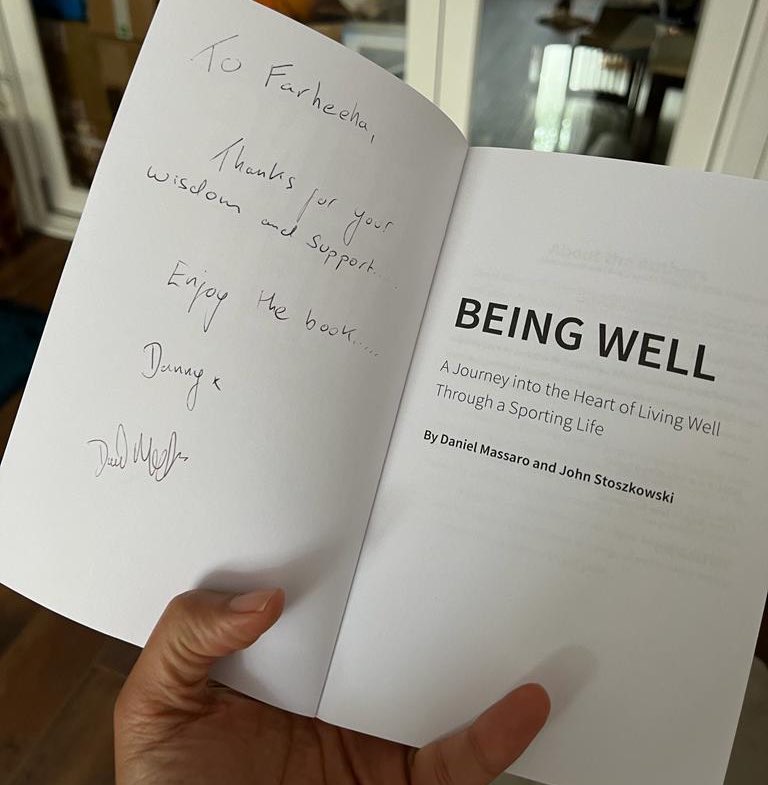
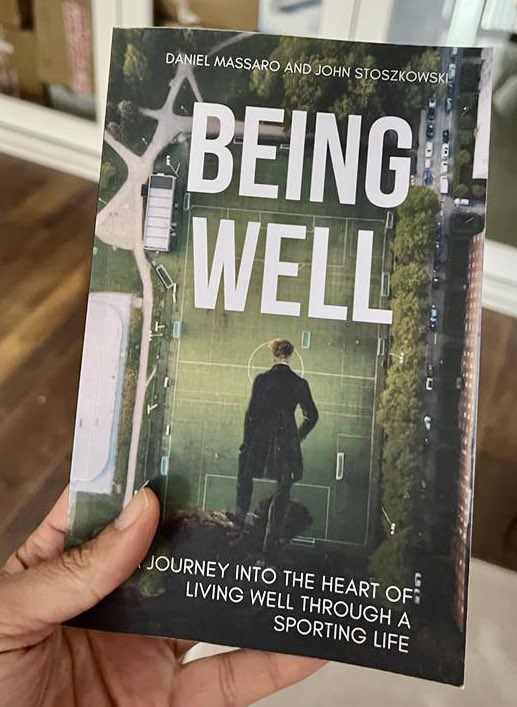
It’s been a pleasure to get to know you Danny @dannymaz1 and Laura @ljmassaro ❤️ 🙌All the best for ur second book Danny In the end all what matters is how well we are, physically, mentally & spiritually. #BeingWell 🦅
Dr Fareeha Faisal tweet mediaDr Fareeha Faisal tweet media
English
1
1
13
823
Billy Oppenheimer
Billy Oppenheimer@bpoppenheimer·
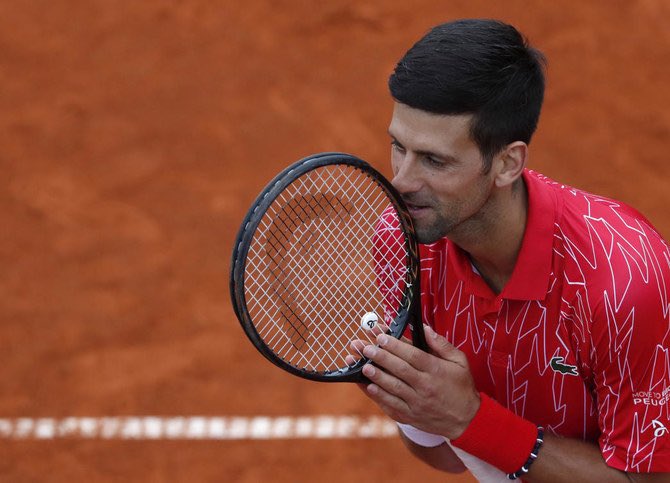
Days after a quarterfinals loss in the 2010 French Open, Novak Djokovic told his coach, Marián Vajda, that he had decided to quit playing tennis. He was No. 3 in the world, a grand slam winner, and a favorite to win Wimbledon. After Djokovic said he was quitting, Vajda asked, “Why did you start playing this sport?” Vajda immediately sensed what the problem was: Djokovic was focusing too much on rankings, records, titles, and external expectations. As a result, Djokovic said, “I was mentally at one very messed up place.” As Djokovic thought about Vajda’s question, he thought about how many of his earliest childhood memories include his “most beloved toy”—a mini tennis racket and a soft foam ball. He started playing tennis, answering Vajda’s question, “because I just really loved holding that racket in my hand.” “Do you still love holding a racket in your hand?” Vajda asked. Djokovic thought about it for a few seconds, got excited, and said: “I do. I still love holding a racket in my hand. Whether it’s a grand slam final on center court or just playing around on a public court, I like playing for the sake of playing.” Vajda nodded, “Well that’s your source. That's what you need to tap into. Put aside rankings and what you want to achieve and what you think others are expecting of you.” Vajda then suggested that Djokovic take a few weeks off. Djokovic agreed that he would. But when he woke up the next morning, Djokovic was dying to hit tennis balls. He went to the courts to play for the sake of playing. “And I never looked back ever since that moment.” The following season, Djokovic enjoyed one of the greatest seasons in sports history. He won 43 straight matches. He won three Grand Slams, including his first Wimbledon title. And he finished the year as the number one player in the world. “I started to play freely,” he says of that season. “I became the kid that I was when I started playing.” Takeaway 1: There's a word for being like the kid who does something for the sake of doing it: Autotelic. From the Greek "auto" (self) & "telos" (end)—an Autotelic is "someone or something that has a purpose in, and not apart from, itself." As opposed to someone who focuses on rankings, records, titles, and external expectations—for an Autotelic... ”The work is the win,” as Ryan Holiday once told me. Since you control the effort more than the outcome, “Ultimately, you have to love doing it,” Ryan said. “You have to get to a place where doing the work is the win and everything else is extra.” Takeaway 2: When reading about Autotelics—people who describe their work as play, who simply seem to love what they do—a common mistake is to think that it’s all bliss all the time. One of my favorite Autotelics is the legendary skateboarder Rodney Mullen, who is in his 50s and still skateboards every day. “There are days,” Rodney said, “where you don’t want to go out. Or it hurts. Or you’re sore. Or you just suck—you're not making progress, and you feel defeated...But that's the nature of love—it's got hate in there, it's got pain in there. And that’s what draws you in, that's the magnetism.” At one point during the recent Wimbledon final, Djokovic angrily smashed and shattered his racket. And after losing the match, he admitted that it will take him a while to get over the loss. That’s the nature of love—it’s got hate in there, it’s got pain in there. - - - “I see people with talent, with all those things, but the one thing they don't have is just that love for doing it for the sake of it.” — Rodney Mullen Follow @bpoppenheimer for more content like this!
Billy Oppenheimer tweet media
English
174
1.6K
8.2K
2.3M
Daniel Massaro retweetledi
John Stoszkowski
John Stoszkowski@JohnStoszkowski·
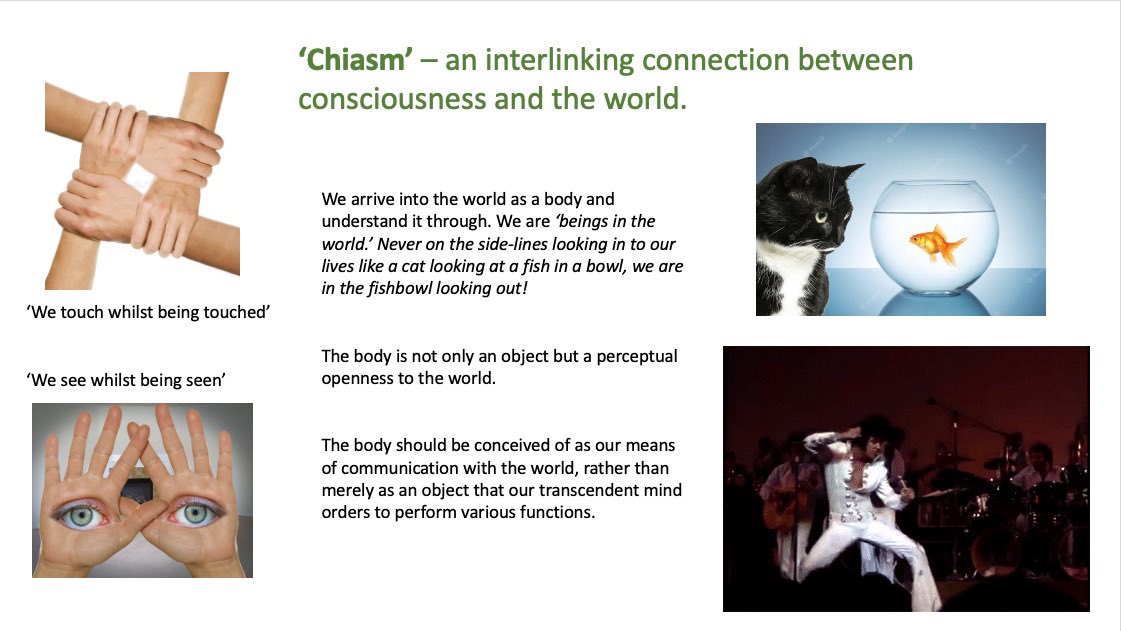
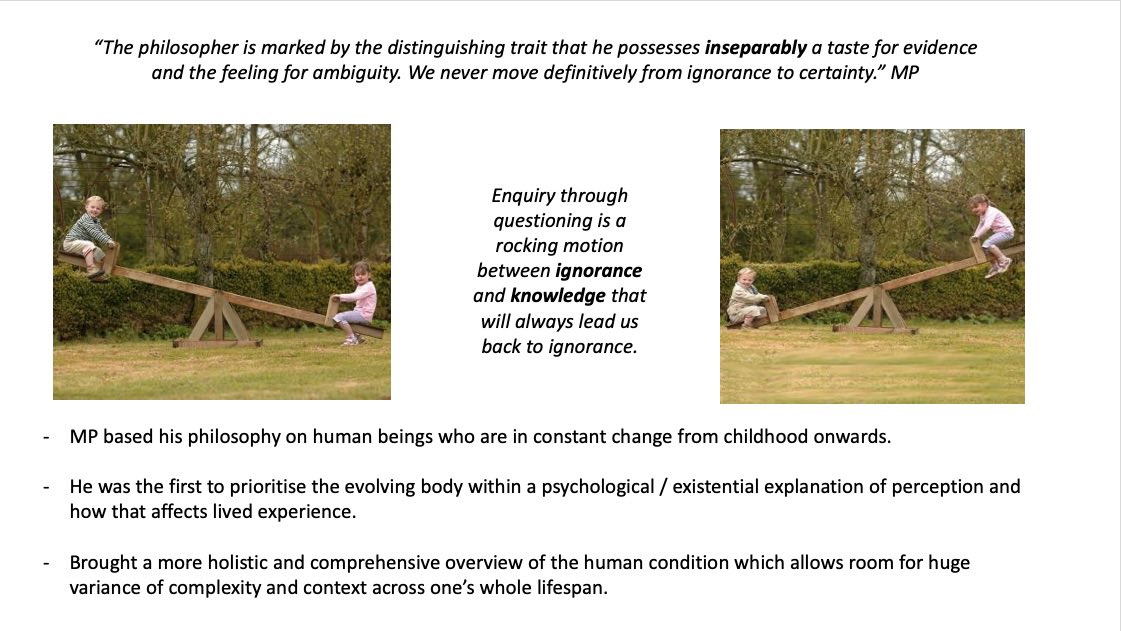
Looking forward to exploring the ideas of Maurice Merleau-Ponty and embodied perception with @dannymaz1 this morning
John Stoszkowski tweet mediaJohn Stoszkowski tweet mediaJohn Stoszkowski tweet media
English
1
1
4
949
Daniel Massaro retweetledi
John Stoszkowski
John Stoszkowski@JohnStoszkowski·
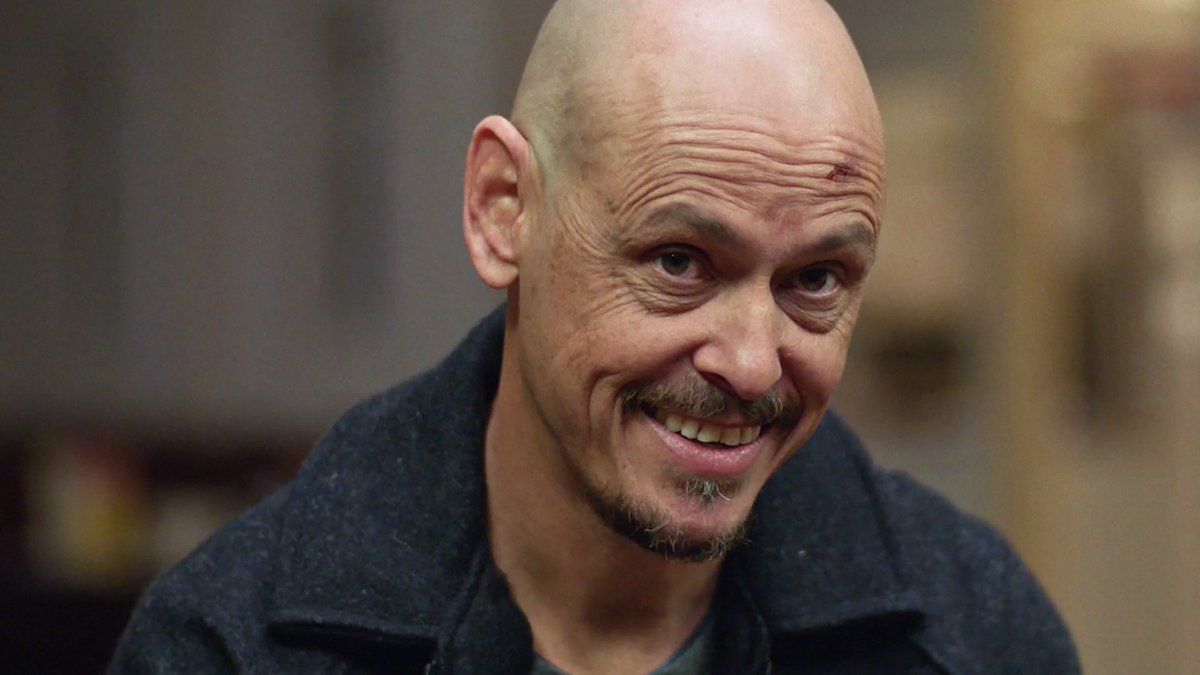
New podcast episode on the genius that is Mr Inbetween. We explore how it relates to morality, authenticity, and absurdism and ask why the lead characters in TV shows like this and The Sopranos, The Wire, and Breaking Bad appeal so much. Listen here: podcasters.spotify.com/pod/show/john-…
John Stoszkowski tweet media
English
2
3
2
1.5K
Daniel Massaro
Daniel Massaro@dannymaz1·
Some of my thoughts on communication in coaching , care and picking your moments with players … some nuggets I’ve picked up over the years .
Graeme Kilgour@Graeme21Kilgour

🎙️I’ve started a new podcast called How You Say It. 🗣️ Interviews and discussions about communication from lots of different and interesting people. 🎧The latest episode is my chat with @dannymaz1 who’s coached squash at the top level. 👇👇 spoti.fi/41iHrKA

English
0
1
3
1.5K