
Dave Schatz

580 posts

Dave Schatz banner
Dave Schatz

Dave Schatz

@daveschatz

cto @titanvest, prev: co-founder @gasappteam (acq by discord), co-founder @trytape (acq by hustle), early eng @meta. otherwise: punk rock 🤘 snowboarding 🏂

nyc + la Katılım Kasım 2008
1K Takip Edilen6.1K Takipçiler
Dave Schatz
Dave Schatz@daveschatz·
Over the last few months, AI tools for engineering have gone from “interesting” to genuinely impressive. That's exciting and, for a lot of engineers, a little unsettling. Hot take: the need for engineers is not going away but the job is changing fast. What worries me most is not AI itself, it’s skill atrophy. There is a real risk in over-relying on AI for coding work and I’ve already seen signs of skill atrophy in the industry. If we hand too much of the work over to models, we risk losing the muscles that actually matter: problem decomposition, system design, debugging, tradeoff analysis, product judgment, and taste. The output still ships, but the engineer behind it gets weaker. These tools are not going away. So the question isn't whether to use them, it's how to use them well. The best engineers will use AI for leverage, while staying close enough to the work to keep their instincts sharp. They’ll use their own experience to keep the model on the rails. They’ll know when to trust it, when to challenge it, and when to throw the output away and think from first principles. Ultimately, I’m optimistic. AI will absolutely increase the amount of software that gets built. Just like YouTube made it possible for anyone to publish content, AI will make it possible for far more people to build products. That means more indie software, more experimentation, and more noise. This doesn't mean the end of engineering, it means the value of real engineering goes up. Because when anyone can generate software, quality becomes the differentiator: - well-designed systems - clear product thinking - solid architecture - performance - reliability - security - scale Demand for software is growing, so demand for engineers who can bring judgment to that complexity will keep growing too. Takeaways: Use AI. Learn it deeply. But keep your skills sharp enough that the tool works for you, not the other way around.
Dave Schatz tweet media
English
0
1
1
216
Dave Schatz retweetledi
Timothy Zelinsky
Timothy Zelinsky@timothyzelinsky·
I’ve been working on an iOS-first SDK for bringing Codex-style agents into Apple apps. Supports auth, threads, tools, structured output, and memory. If you’re building in this space, give it a try — would love issues, ideas, and PRs. github.com/timazed/CodexK…
English
1
2
6
354
Dave Schatz
Dave Schatz@daveschatz·
Grit and curiosity are undeniably more important than credentials
English
0
0
3
271
Dave Schatz
Dave Schatz@daveschatz·
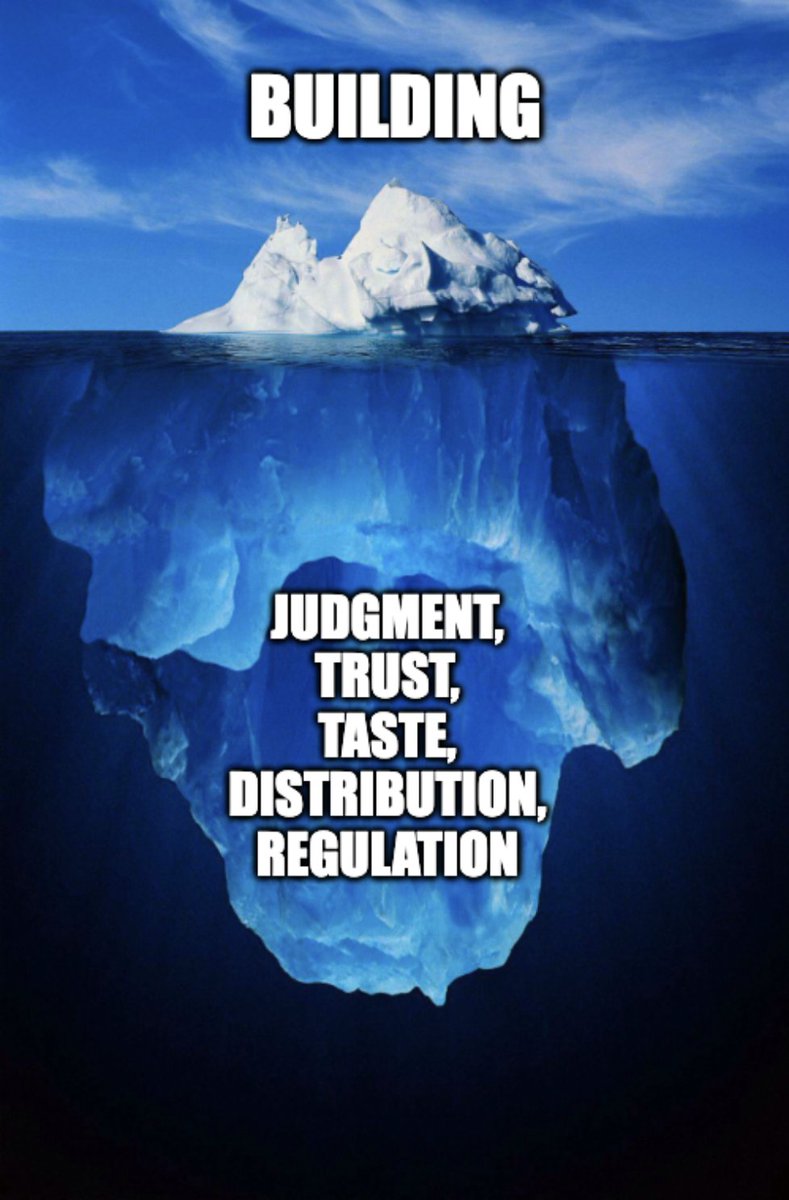
When the cost building is cheap, bad ideas get cheaper. For a long time, the playbook was simple: spend years building something technically difficult, and complexity became your moat. That’s changing fast. AI is collapsing the cost and time of building. So the advantage is shifting toward: • Smaller teams with absurdly high judgment • Regulated industries where trust matters • Knowing which problems are actually worth solving Building is getting easier. Knowing what’s worth building isn’t.
Dave Schatz tweet media
English
0
0
2
310
Dave Schatz
Dave Schatz@daveschatz·
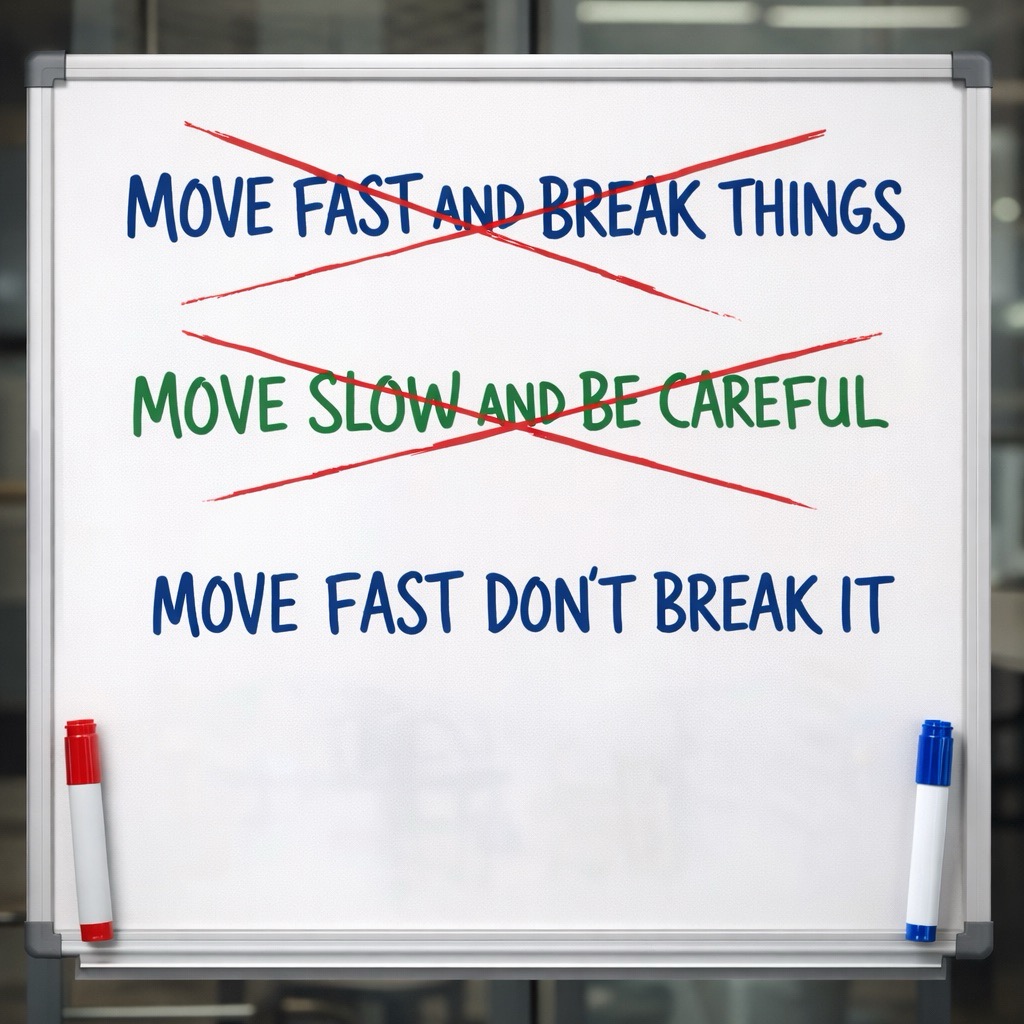
In the early 2010s, when I was building Facebook NY, we held tight to our defining culture of “move fast and break things” I lived that mantra in everything I did at work, today I’m not so sure... When models touch regulated industries, national security, or real people, speed without safety isn’t bold, it’s reckless. The recent OpenAI and Claude debates aren’t ideological fights. They’re about whether velocity and responsibility can coexist. In fintech and other regulated spaces, you can’t ship first and fix later. You build with constraints, assume scrutiny, and think through second-order effects from day one. That’s the fun part. Constraints force creative solutions, smarter designs, and better products. The teams that win aren’t the loudest or the fastest. They’re the ones who move quickly and still stand behind what they ship when the stakes are high.
Dave Schatz tweet media
English
1
0
4
422
Dave Schatz
Dave Schatz@daveschatz·
AI will make everyone a writer of code. But it won't make many people engineers. Writing already went through this. Spellcheck -> Google Docs -> AI And yet, great writing is still rare. AI raises the floor. It doesn’t raise the ceiling. Tools didn’t create the great writers of our time. The work happened after the draft: - Clarity - Structure - Editing - Taste AI is doing the same thing to software. Yes, more people can generate code and ship hacky projects. That’s progress. But real engineering still lives in revision: - Systems, not snippets - Tradeoffs - Edge cases - Ownership AI will flood the world with first drafts. Builders are defined by what they do next.
Dave Schatz tweet media
English
0
0
3
286
Dave Schatz
Dave Schatz@daveschatz·
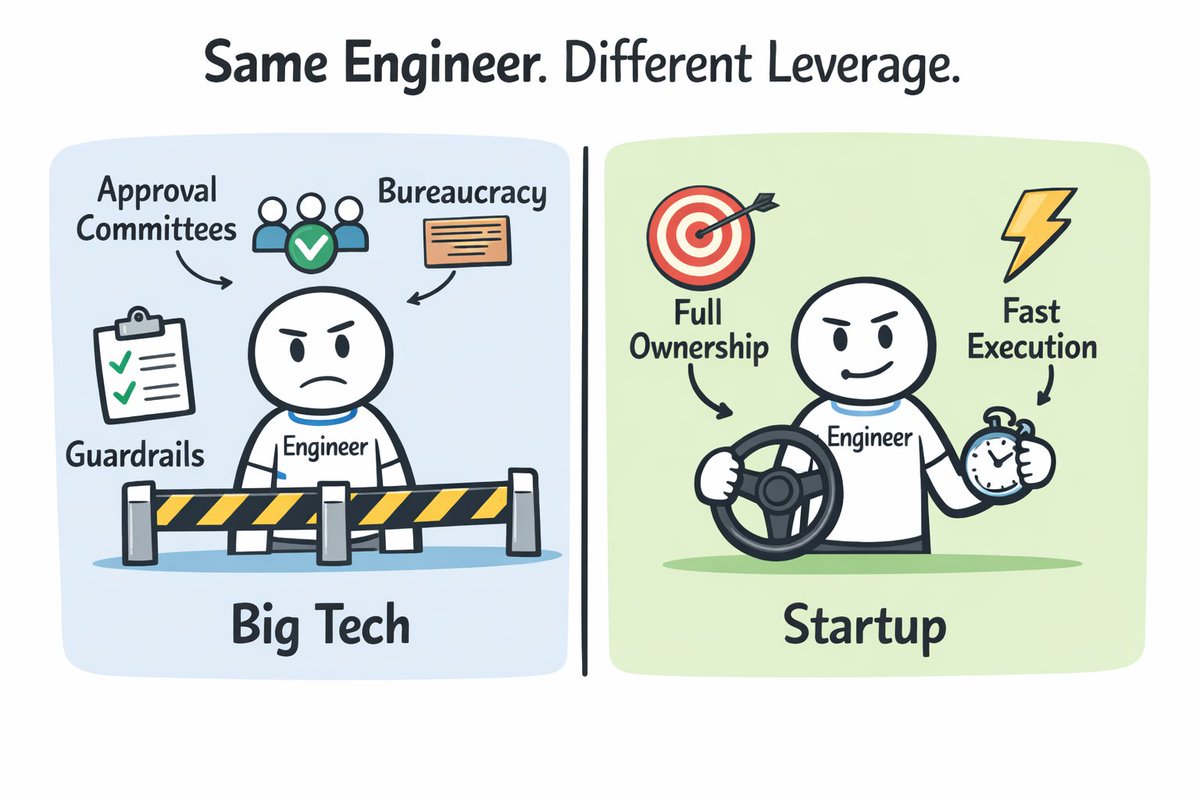
Big Tech muscle memory is a liability. I say that as someone who came from it. Big Tech trains you to survive at scale: optimize for safety, alignment, and correctness. That works when mistakes cost millions. It breaks down in high-ownership environments. In early teams: - waiting for alignment is the risk - process slows learning - speed creates clarity The hardest part for ex–Big Tech engineers isn’t talent. It’s unlearning: - “that’s not my scope” - “who needs to sign off?” - “let’s get consensus first” High-ownership teams don’t need perfect decisions. They need early ones with fast feedback. Big Tech taught me how not to break things. Leaving taught me how to decide, ship, and own the outcome. Same tools. Same intelligence. Very different leverage. Come build with me at @titanvest
Dave Schatz tweet media
English
1
0
5
427
Dave Schatz
Dave Schatz@daveschatz·
The tools in front of us are absurd. They give any engineer, regardless of title, the chance to get ahead faster than ever before. This isn’t a bad time to be junior. Or senior. It’s a bad time to be passive.
English
0
0
0
98
Dave Schatz
Dave Schatz@daveschatz·
Don’t chase demos. Don’t chase ARR screenshots. Don’t build for X clout. Build things that break. Build things you can ship without asking. Build where failure is cheap and learning compounds. The gap isn’t experience anymore. It’s ownership.
English
1
0
0
124
Dave Schatz
Dave Schatz@daveschatz·
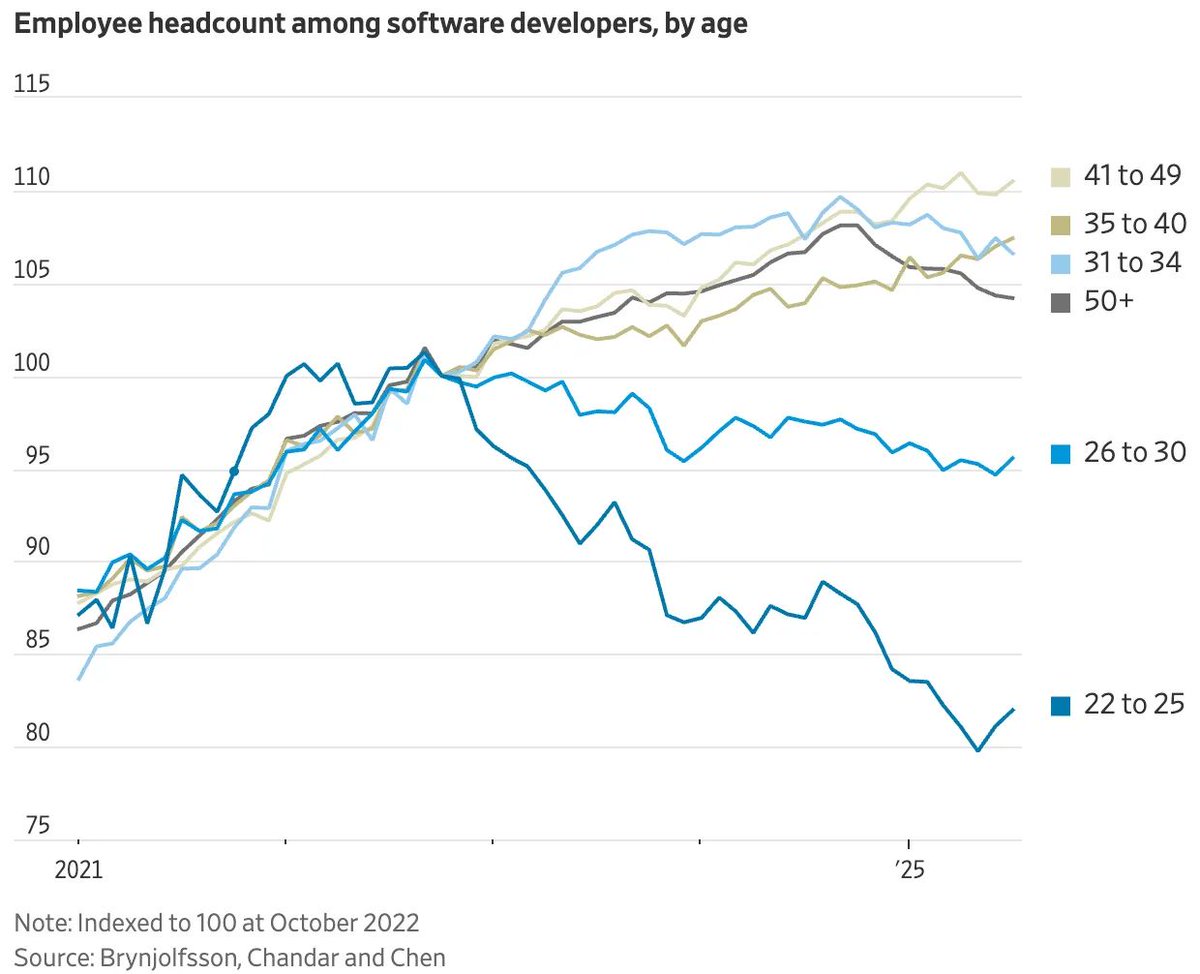
“Junior engineers are cooked.” That’s the laziest take in tech right now. What’s actually cooked is the idea that seniority guarantees leverage. The rules changed. The tools did the flattening. 🧵
Dave Schatz tweet media
English
1
0
1
252
Dave Schatz
Dave Schatz@daveschatz·
I’ve led engineering teams for 10+ years and thought I knew how to build. Then @hursh (CTO, @browsercompany) said: "The alignment cost is now higher than the cost to build." 3-person squads. Designers shipping code. Less planning, more output. We recorded a deep dive at @titanvest: challenges, realities, tradeoffs, process. Video linked in thread.
Dave Schatz tweet media
English
1
0
7
292
Dave Schatz
Dave Schatz@daveschatz·
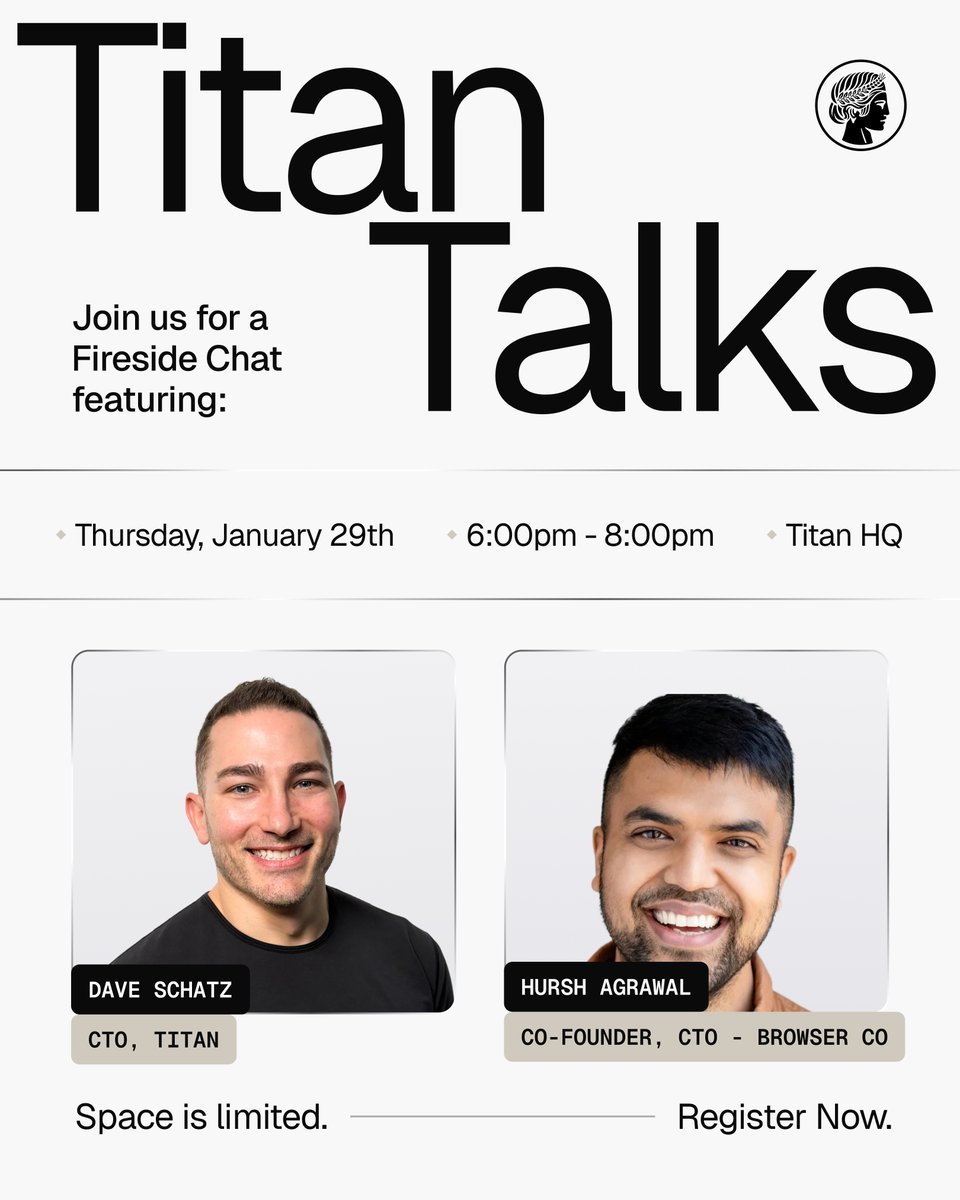
NYC engineers — quick reminder 👀 We’re kicking off Titan Talks, our new Engineering Speaker Series, with an intimate conversation at Titan HQ (@titanvest) next Thursday, January 29th. I’ll be joined by my good friend Hursh Agrawal (@hursh), CTO & Co-founder of The Browser Company (@browsercompany), the team behind Arc and Dia and recently acquired by Atlassian for $610M. We’ll go deep on how Hursh builds exceptional products and engineering teams and the principles that shaped The Browser Company’s culture. We’ll wrap with pizza, drinks, and great conversation. Limited spots still available. If you’re an engineer or part of the NYC tech community, RSVP with the link below and we’ll follow up with details
Dave Schatz tweet media
English
1
0
2
244
Dave Schatz
Dave Schatz@daveschatz·
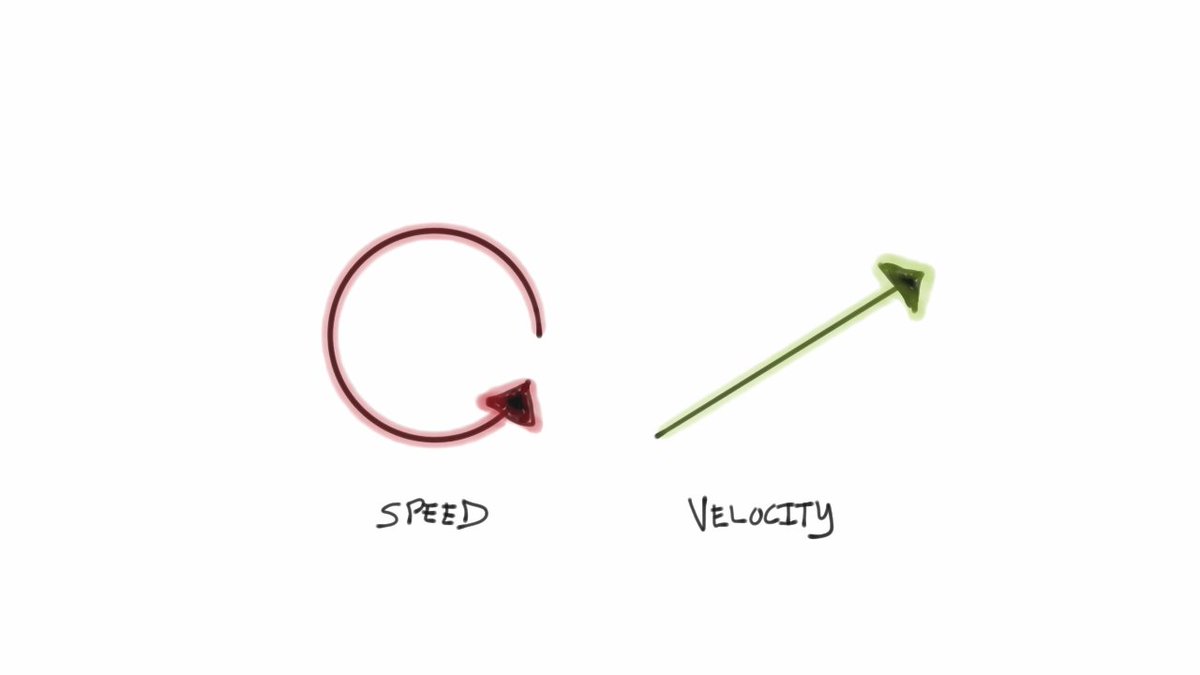
Speed gets a lot of credit. Velocity deserves more. Speed is how fast you’re moving. Velocity is speed with direction, and direction matters when uncertainty is high. Most teams don’t stall because they’re slow. They stall because they’re unsure, so they hesitate. More debate, more process, one more feature, one more refactor. But uncertainty doesn’t get resolved in meetings. It gets resolved with information. At Gas, velocity was the guiding principle but only by keeping scope tight so polish and quality didn’t suffer. We shipped focused things, watched real behavior, and iterated quickly. Shipping creates information. Real usage, real failures, real metrics. That signal collapses ambiguity faster than any internal discussion. Momentum isn’t just an engineering concern. It sets the pace for product decisions, team confidence, and how boldly the business can move. Build something small. Ship it. Pay attention. Say no early. Adjust.
Dave Schatz tweet media
English
0
0
5
359
Dave Schatz
Dave Schatz@daveschatz·
I’m excited to kick off Titan Talks, our new Engineering Speaker Series at @titanvest hq. For our first conversation, I’ll be joined by my good friend Hursh Agrawal, CTO and Co-founder of @browsercompany. Having built the popular Arc and Dia multi-platform AI browsers and whose company was recently acquired by Atlassian for $610 Million, @hursh knows firsthand what it takes to build with quality, speed, and scale. We’ll dive into how Hursh builds world-class products, high-performing engineering teams, and the principles that shaped The Browser Company’s culture. This will be an intimate, candid discussion followed by a live Q&A. Afterward, we’ll stick around to chat over pizza and drinks. Capacity is limited but we still have spots available. If you're an engineer or in the NYC tech community and are interested in attending, please express interest via the form linked below and we’ll follow up with details and an invite.
Dave Schatz tweet media
English
1
2
6
513
Dave Schatz
Dave Schatz@daveschatz·
@AbdulraheemAki1 awesome! that's really fun. I just asked how much caffeine via coffee or celsius I can safely consume in a day 😅
English
2
0
0
28
Dave Schatz
Dave Schatz@daveschatz·
I'd rather see your repo than your resume. I’m not a traditional interviewer and that’s very intentional. Bring me something you’ve built and let’s jam. We’ll poke at it, tweak constraints, ask "what if?" until something interesting breaks. That’s a better signal than trick questions or contrived coding sessions for both of us. If you want to join my team at Titan, send me a project you’re proud of (polished or not). Let’s build.
English
3
0
1
309