Sabitlenmiş Tweet
New paper: Can Only Meat Machines be Conscious? Free link until November 26th: authors.elsevier.com/a/1luwh4sIRvW-… 1/
English
Ned Block
673 posts
@De_dicto
Silver Professor, Departments of Philosophy, Psychology and Center for Neural Science


Thanks for the engagement, @allTheYud ! Really appreciate it; never expected to see you here on this little account, and happy to have a chance to discuss. 1. Your initial post (x.com/allTheYud/stat… ) was not restricted to AI. I'm open to the idea (mostly agree, actually) that academic philosophers aren't addressing the most important practical questions about AI. But that doesn't mean they never say sensible things. Your audience will read the tweet in the general way, not as "philosophy isn't addressing AI policy" in the way you've formulated the point here. 2. From the discussion here, I take it you're conceding that you don't read much academic philosophy, so the general pronouncement about the state of the field wasn't based in the evidence. This seems at odds with a policy of speaking only when one has good evidence. Perhaps that's not a principle that a rational Bayesian would uphold? I know questions about the game theory of communication and whether one should speak the truth are a bit hard to make come out in an intuitive way in the theory. 3. You're absolutely right that I was thinking of FDT in my comment. I stopped reading you around the time of FDT because I was very disappointed by your responses to what seemed to me devastating objections both to the intelligibility of the core ideas in the theory, and to the theory charitably interpreted (e.g. here: lesswrong.com/posts/ySLYSsNe…). I'm frankly surprised the theory is still so seriously discussed. Maybe there's been progress on it, and I'm out of date, but at the time what I saw was confused enough and unserious in its engagement with objections that it seemed to me to be a waste of my intellectual energy to try to keep up. If there's a summary of how these problems have been addressed, that reflects your current views, I'd be glad to be pointed to it and would reconsider if I felt it rose to the (high) standard of intellectual honesty and charity in this area of academic philosophy. 4. It's the job of any serious author to determine whether what they are saying can be upheld in the face of objections and/or really does represent a new idea in the literature. It's not the job of academics to provide citations for everyone on the internet who thinks they have a new idea.



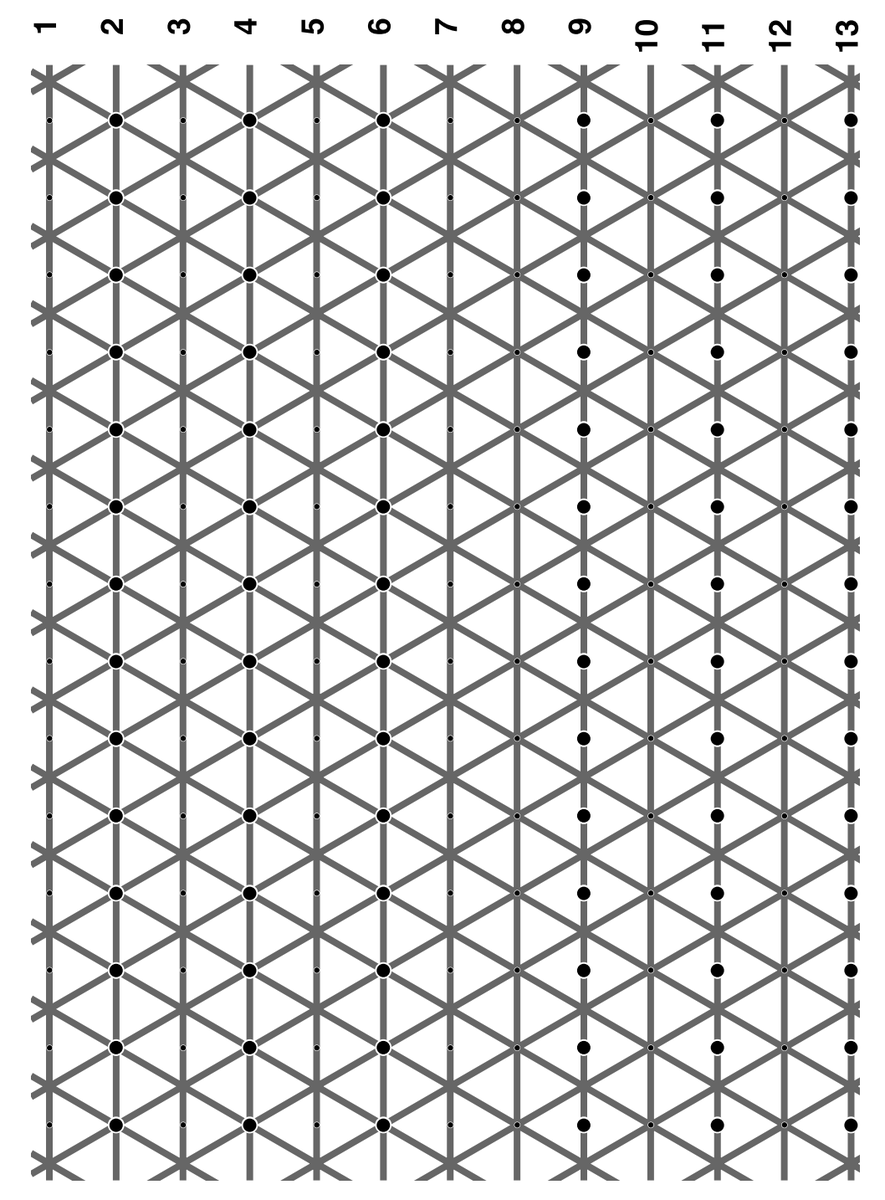






New paper: Can Only Meat Machines be Conscious? Free link until November 26th: authors.elsevier.com/a/1luwh4sIRvW-… 1/