

Mauro Mason
710 posts
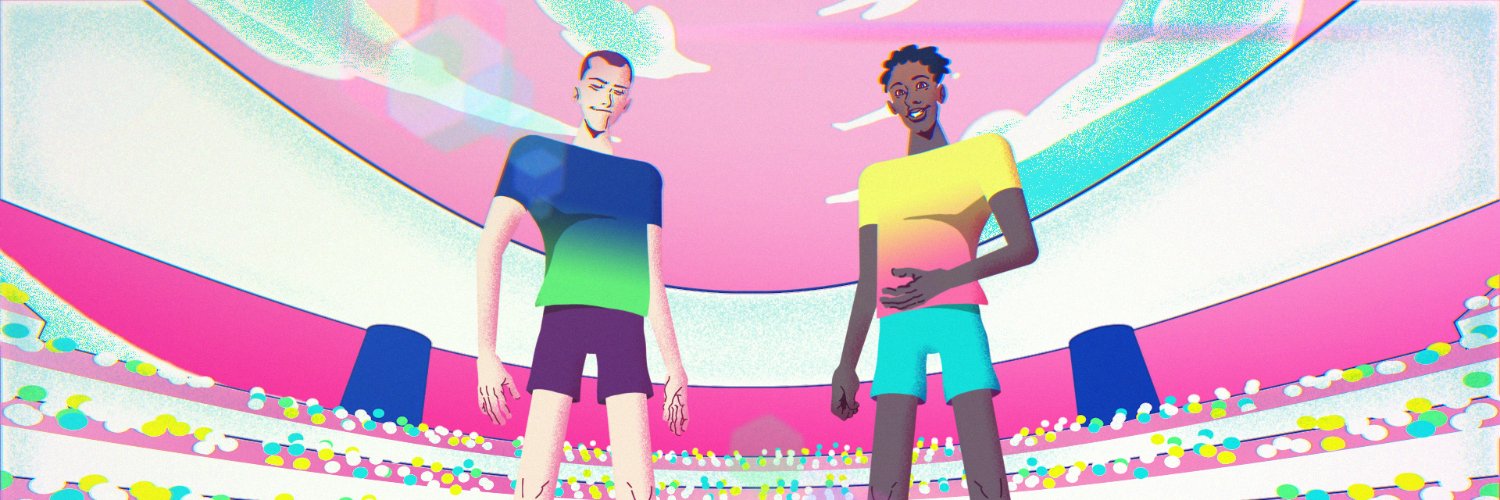
Mauro Mason
@deckard977
I'm a motion designer, author of animation for the FIFA23 / eSerieA eSport tournament trailer and CEV Eurovolley 2023 broadcast openings.
Katılım Şubat 2014
519 Takip Edilen182 Takipçiler
Made with ms Halftone by @deckard977
aescripts.com/ms-halftone
#aftereffects #aescripts #mshalftone
Glad to share my new showreel PLUS my new portfolio available at mauromason.com (we’ll talk about it again very soon). My fav works and personal projects until this summer 2025. Rep. by @laconic_talentmanagement .
Made with a lot of love using plugings from @aescripts : Limber, Deep Glow, m’s Halftone, and more!
#motiondesign #motiondesigner #showreel #motionreel #aftereffects #animation #damngoodmove #buckuback
English
Made with Limber by @deckard977
aescripts.com/limber
#aftereffects #aescripts #limber
Glad to share my new showreel PLUS my new portfolio available at mauromason.com (we’ll talk about it again very soon). My fav works and personal projects until this summer 2025. Rep. by @laconic_talentmanagement .
Made with a lot of love using plugings from @aescripts : Limber, Deep Glow, m’s Halftone, and more!
#motiondesign #motiondesigner #showreel #motionreel #aftereffects #animation #damngoodmove #buckuback
English
Thanks to @aescripts to repost my reel!
aescripts+aeplugins@aescripts
Made with Deep Glow by @deckard977 aescripts.com/deep-glow #aftereffects #aescripts #deepglow Glad to share my new showreel PLUS my new portfolio available at mauromason.com (we’ll talk about it again very soon). My fav works and personal projects until this summer 2025. Rep. by @laconic_talentmanagement . Made with a lot of love using plugings from @aescripts : Limber, Deep Glow, m’s Halftone, and more! #motiondesign #motiondesigner #showreel #motionreel #aftereffects #animation #damngoodmove #buckuback
English
My new #showreel 2025 is here! Don't miss my new website at mauromason.com #motionGraphics #motiondesign #direction #design #animation #aftereffects #illustration #deckard977 #mauromason
English
Thanks @aescripts
aescripts+aeplugins@aescripts
Made with Limber by @deckard977 aescripts.com/limber #aftereffects #aescripts #limber Per spezzare la monotonia della mia griglia di IG, ecco un #wip del mio progetto personale in corso. So già che ci vorrà davvero molto per finirlo, ma per ora cerco di godermi il viaggio (quando trovo il tempo). Made with #Limber from @animatabledotco , available on @aescripts #motion #motiondesign #animation #illustration #walkcycle #damngoodmove #buckuback @buck.u.back @adobecreate
English
thanks for sharing!
aescripts+aeplugins@aescripts
Made with Joysticks 'n Sliders by @deckard977 aescripts.com/joysticks-n-sl… #aescripts #aftereffects #joysticksnsliders Mining in my archives: this is an old test for and project for a fashion brand made in 2021, produced by my @thatsmotion friends. Main character by
English
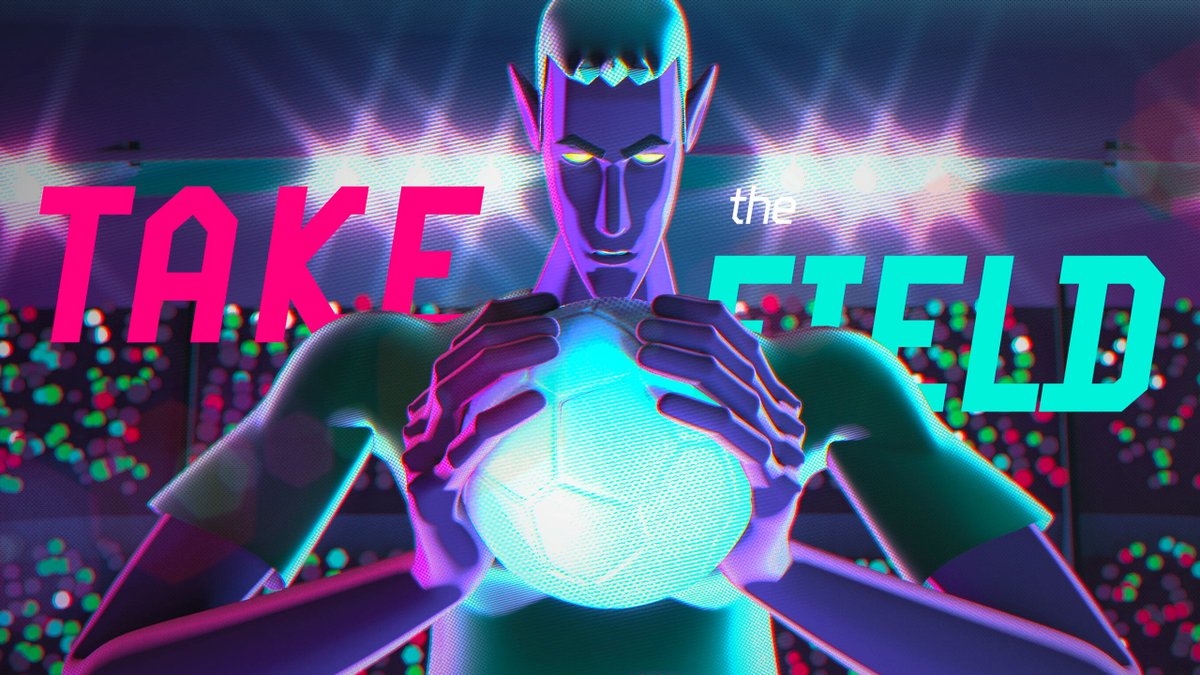
Personal project made in my spare time, for a fictional #esports championship #intro, related to a football videogame.
#opening #trailer #motion #animation #motiondesign #3Danimation #3Dart #Cinema4D #OctaneRender #AfterEffects
English
Mauro Mason retweetledi

🔵 Nuovo candidato ɴɪɴᴊᴀ ᴄʟᴀᴜs sᴛʀɪᴋᴇs ʙᴀᴄᴋ! di @deckard977
🚀 Motion&animazione
🗣 Vota questo progetto su bit.ly/47fI8Hc
#DDA23 #DigitalDesignAward

Italiano
Oh Yeah! Greeting from me and #NinjaClaus!
#motion #motiondesign #motiongraphic #characterdesign #characteranimation #nightmarebeforchristmas
aescripts+aeplugins@aescripts
Made with Limber by @deckard977 aescripts.com/limber #aescripts #aftereffects #limber Merry Christmas from Ninja Claus! For you my mashup between something like maybe Jack Skellington and my character re-made with #limber!
English
My new #showreel 2023 is here! HQ ver in first comment!
#motionGraphics #motiondesign #motion #reel #artdirection #characterdesign #characteranimation #intro #opening #esports #videogames #aftereffects #cinema4d #illustration #astronaut #deckard977 #mauromason
English

I’ve resigned from my role leading the Audio team at Stability AI, because I don’t agree with the company’s opinion that training generative AI models on copyrighted works is ‘fair use’.
First off, I want to say that there are lots of people at Stability who are deeply thoughtful about these issues. I’m proud that we were able to launch a state-of-the-art AI music generation product trained on licensed training data, sharing the revenue from the model with rights-holders. I’m grateful to my many colleagues who worked on this with me and who supported our team, and particularly to Emad for giving us the opportunity to build and ship it. I’m thankful for my time at Stability, and in many ways I think they take a more nuanced view on this topic than some of their competitors.
But, despite this, I wasn’t able to change the prevailing opinion on fair use at the company.
This was made clear when the US Copyright Office recently invited public comments on generative AI and copyright, and Stability was one of many AI companies to respond. Stability’s 23-page submission included this on its opening page:
“We believe that Al development is an acceptable, transformative, and socially-beneficial use of existing content that is protected by fair use”.
For those unfamiliar with ‘fair use’, this claims that training an AI model on copyrighted works doesn’t infringe the copyright in those works, so it can be done without permission, and without payment. This is a position that is fairly standard across many of the large generative AI companies, and other big tech companies building these models — it’s far from a view that is unique to Stability. But it’s a position I disagree with.
I disagree because one of the factors affecting whether the act of copying is fair use, according to Congress, is “the effect of the use upon the potential market for or value of the copyrighted work”. Today’s generative AI models can clearly be used to create works that compete with the copyrighted works they are trained on. So I don’t see how using copyrighted works to train generative AI models of this nature can be considered fair use.
But setting aside the fair use argument for a moment — since ‘fair use’ wasn’t designed with generative AI in mind — training generative AI models in this way is, to me, wrong. Companies worth billions of dollars are, without permission, training generative AI models on creators’ works, which are then being used to create new content that in many cases can compete with the original works. I don’t see how this can be acceptable in a society that has set up the economics of the creative arts such that creators rely on copyright.
To be clear, I’m a supporter of generative AI. It will have many benefits — that’s why I’ve worked on it for 13 years. But I can only support generative AI that doesn’t exploit creators by training models — which may replace them — on their work without permission.
I’m sure I’m not the only person inside these generative AI companies who doesn’t think the claim of ‘fair use’ is fair to creators. I hope others will speak up, either internally or in public, so that companies realise that exploiting creators can’t be the long-term solution in generative AI.
English
Very glad for this #award!!!
#motion #motiondesign #motiongraphics #aftereffects #intro #opening #eurovolley #volley #pallavolo
Digital Design Award@ddaward
🏅Il vincitore della settimana è ᴄᴇᴠ ᴇᴜʀᴏᴠᴏʟʟᴇʏ 𝟸𝟹 ʙʀᴏᴀᴅᴄᴀsᴛ ᴏᴘᴇɴɪɴɢs di @deckard977 👉🏼 Scopri i dettagli su bit.ly/3EwOgPl #DDA23 #DigitalDesignAward
English
Mauro Mason retweetledi
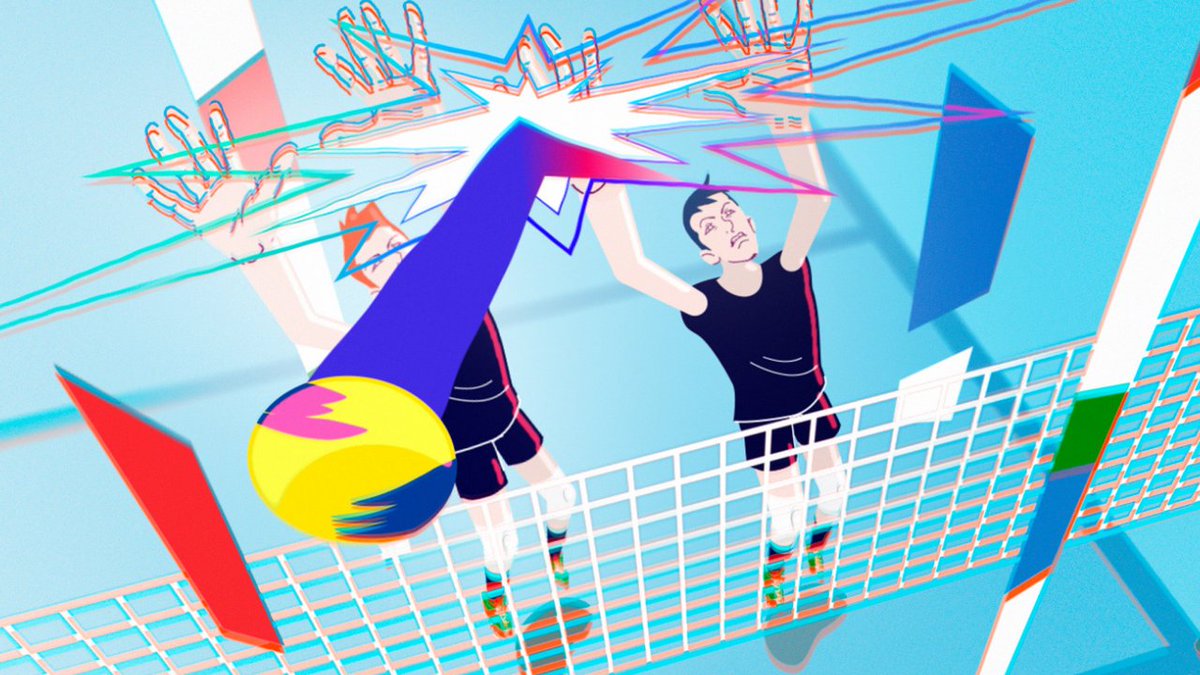
🏅Il vincitore della settimana è ᴄᴇᴠ ᴇᴜʀᴏᴠᴏʟʟᴇʏ 𝟸𝟹 ʙʀᴏᴀᴅᴄᴀsᴛ ᴏᴘᴇɴɪɴɢs di @deckard977
👉🏼 Scopri i dettagli su bit.ly/3EwOgPl
#DDA23 #DigitalDesignAward
Italiano
Mauro Mason retweetledi
🔵 Nuovo candidato ᴄᴇᴠ ᴇᴜʀᴏᴠᴏʟʟᴇʏ 𝟸𝟹 ʙʀᴏᴀᴅᴄᴀsᴛ ᴏᴘᴇɴɪɴɢs di @deckard977
🚀 Motion&Animazione
🗣 Vota questo progetto su bit.ly/3EwOgPl
#DDA23 #DigitalDesignAward
Italiano
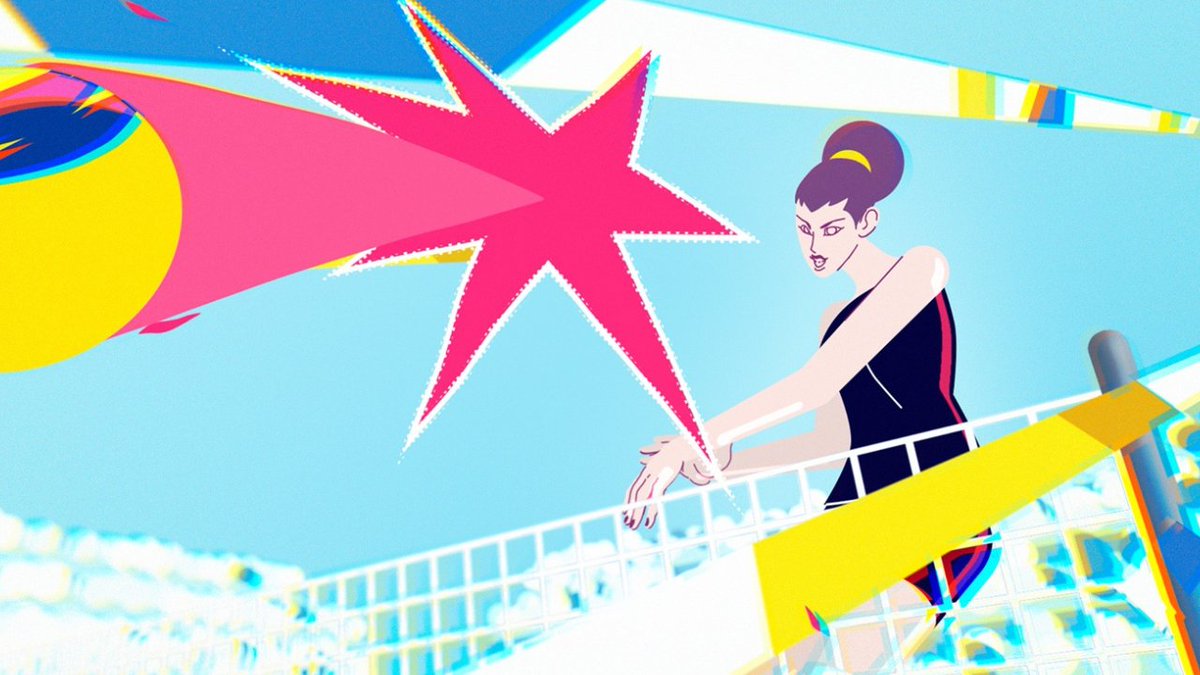
I was commissioned to design and create the animated sequences for the opening titles of the #EuroVolley2023 tournament matches.
#volley #EuroVolleyM #EuroVolleyW #EUROVOLLEY #motiondesign #opening #intro #animation
English