
Rémi Eismann

15.5K posts

Rémi Eismann banner
Rémi Eismann

Rémi Eismann

@decompwlj

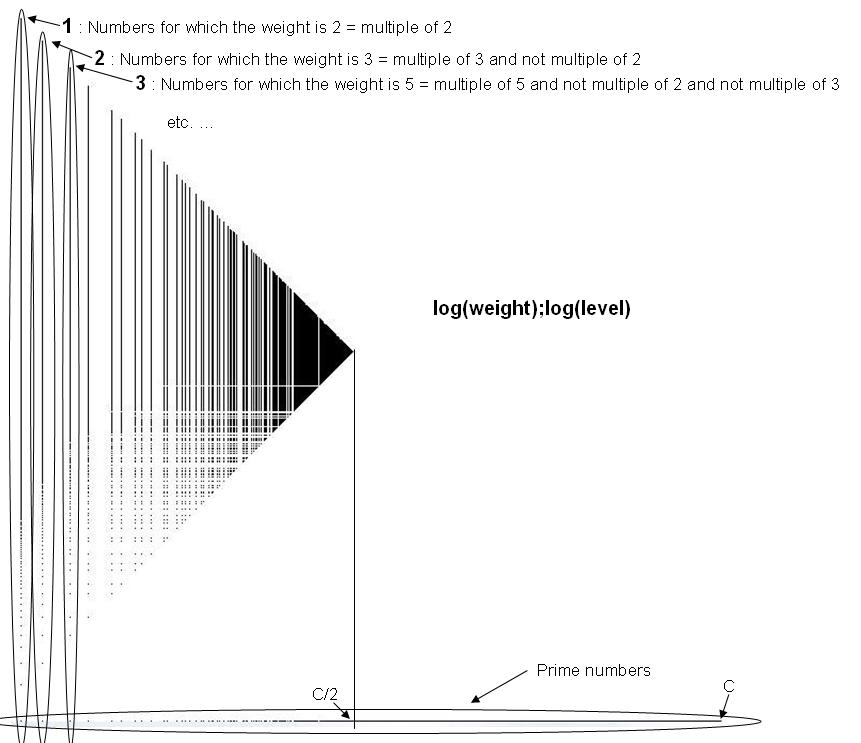
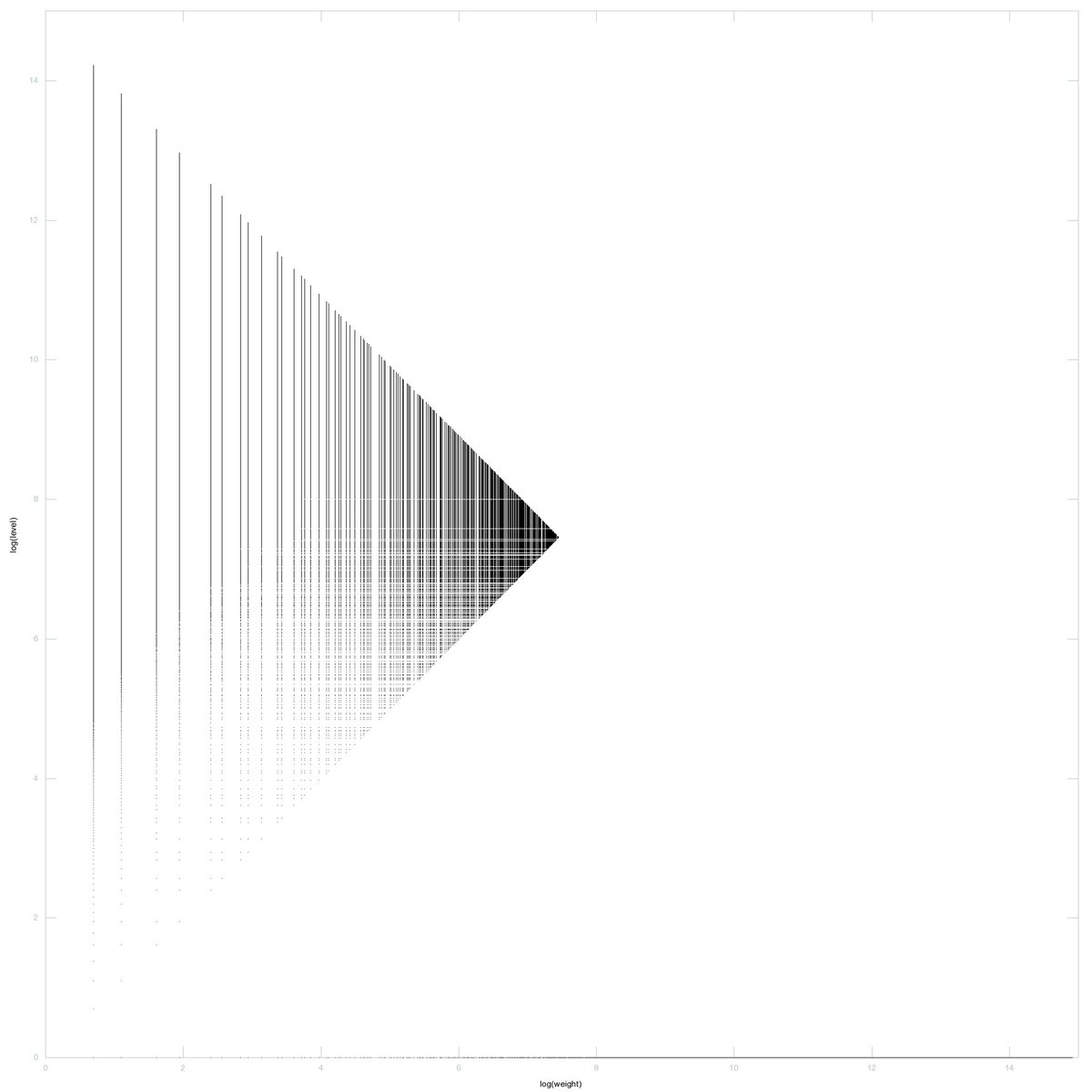
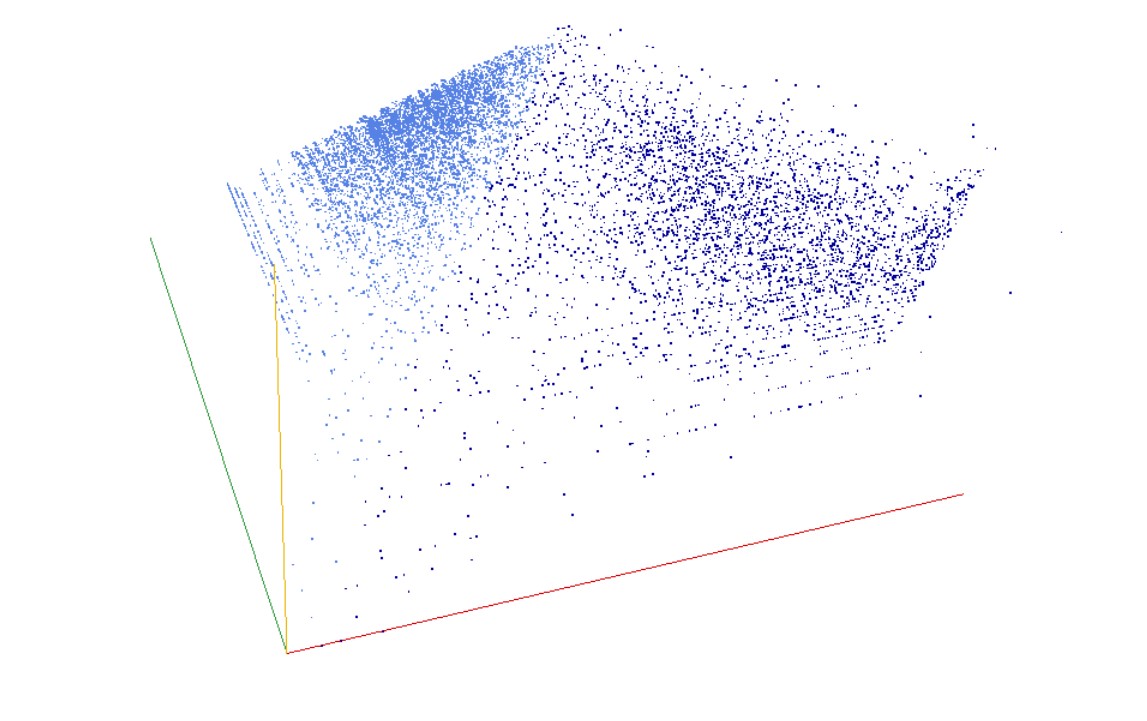
I invented the decomposition into weight × level + jump, an extension to the fundamental theorem of arithmetic and a new way to see the numbers. #decompwlj

France Katılım Aralık 2013
2K Takip Edilen879 Takipçiler
Timothy Gowers @wtgowers
I think now both games are working properly, with all puzzles showing up. (I've checked this by opening them in incognito mode.)
English
3
0
7
1.2K
Timothy Gowers @wtgowers
I've created a couple of mathematical games, both based on word problems in groups or semigroups. One of them could lead to a Polymath project if enough people are interested in it, as it is connected with an open problem. More details in a blog post linked below. 1/2
English
2
32
260
20.4K
Rémi Eismann
Rémi Eismann@decompwlj·
A202822: Numbers of the form 3*(x^2 + xy + y^2 + x + y) + 1 where x and y are integers
English
0
0
1
13
Rémi Eismann
Rémi Eismann@decompwlj·
A202268: Numbers in which all digits are neither primes nor zero, i.e., are members of (1, 4, 6, 8, 9)
English
0
0
1
14
Rémi Eismann
Rémi Eismann@decompwlj·
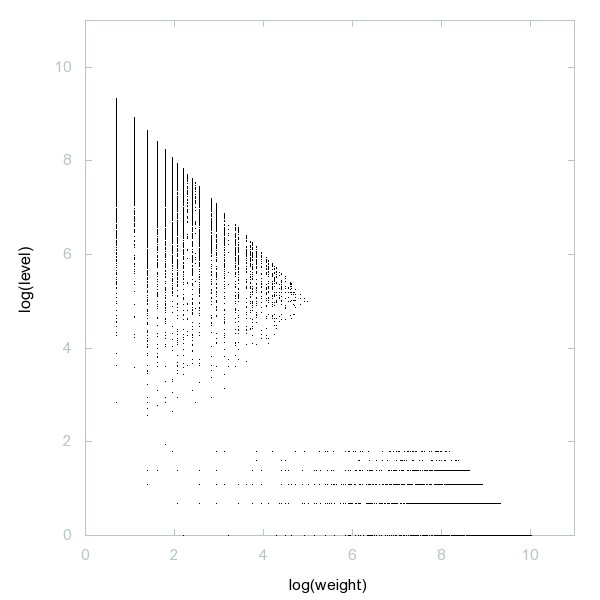
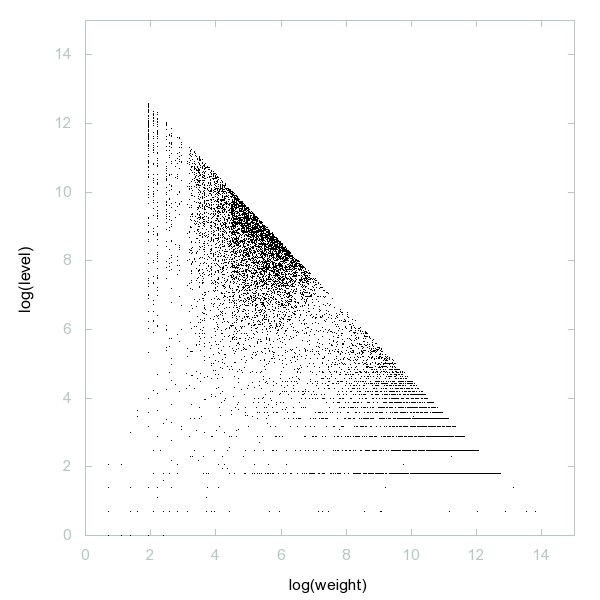
@Math_files In the decomposition into weight × level + jump, the Twin Prime Conjecture becomes: "The number of prime numbers with a weight of 3 is infinite"
Rémi Eismann tweet media
English
0
0
1
661
Math Files
Math Files@Math_files·
The Twin Primes Conjecture is one of the most famous unsolved problems in mathematics—simple to understand, yet still mysterious. Twin primes are pairs of prime numbers that differ by 2: (5, 7), (11, 13), (17, 19), … The big question: Are there infinitely many twin primes? No one knows—yet. But here’s a fun little property: Take any pair of twin primes (except 3 and 5), multiply them, and then repeatedly add the digits until you get a single digit. Examples: 5 × 7 = 35 → 3 + 5 = 8 11 × 13 = 143 → 1 + 4 + 3 = 8 17 × 19 = 323 → 3 + 2 + 3 = 8 59 × 61 = 3599 → 3 + 5 + 9 + 9 = 26 → 2 + 6 = 8 It always leads to 8. A simple pattern, hidden inside prime numbers—reminding us that even in unsolved mysteries, mathematics is full of beautiful surprises.
English
13
25
216
12.7K
Rémi Eismann
Rémi Eismann@decompwlj·
A202267: Numbers in which all digits are noncomposites (1, 2, 3, 5, 7) or 0
English
0
0
1
12
Rémi Eismann
Rémi Eismann@decompwlj·
A201012: Integers that cannot be written as the product and/or quotient of Lucas numbers
English
0
0
1
10