
Sabitlenmiş Tweet
Marcus “Olówó Èkó” Aurelius
31.7K posts


Marcus “Olówó Èkó” Aurelius
@dee_thephoenix
Finance || Strategy || Heterodox Economics || Yoruba Culture || Ìgbàdùn
Financial Services Katılım Aralık 2021
829 Takip Edilen1K Takipçiler

Marcus “Olówó Èkó” Aurelius retweetledi

Nearly every successful case of rapid industrialization - Germany, Russia, Japan, Korea, China - was state directed.
Steve Hanke@steve_hanke
"Government cannot make man richer, but it can make him poorer." – Ludwig von Mises
English
Marcus “Olówó Èkó” Aurelius retweetledi

not sure why anyone thought increasing tariffs on vehicles is a good thing
it gives me headache
English
Marcus “Olówó Èkó” Aurelius retweetledi

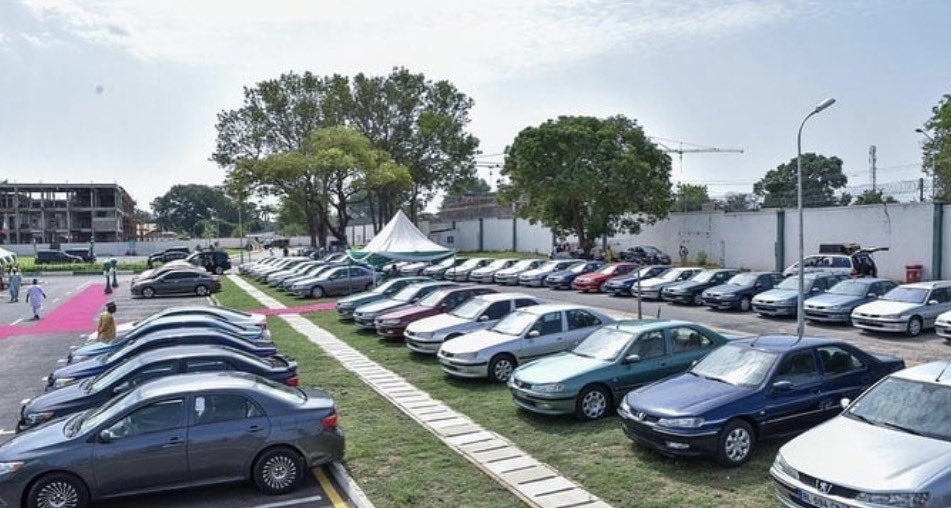
EXCLUSIVE: FG cuts tariffs on cars, palm oil, sugar in new 2026 fiscal policy measures
The federal government has approved the implementation of 2026 fiscal policy measures (FPM), which include significant tariff amendments.
In a circular seen by TheCable dated April 1, 2026, and signed by Wale Edun, the minister of finance and coordinating minister of the economy, the government announced that the new measures supersede the 2023 FPM.
thecable.ng/exclusive-fg-c…
English
Agriculture contributes ~26% to GDP, employs 35-40% of our workforce, yet receives <5% of private credit.
Models like the CBN-ACGSF have done little to close the persistent credit gap, largely due to structural bottlenecks.
English
And I’m well familiar with state-led experiments gone wrong (e.g., Anchor Borrowers’), but you can have the right tool and still use it wrongly.
Hopefully, I get to pen my views on the right approach to such interventions (but execution risk go still dey)
English
That is why certain opinions here surprise me a lot.
You can say Nigeria unwittingly protects billionaires in cement (and latest, refining), but not in agric.
In agric, Nigeria protects smallholders who are responsible for ~90% of our agric output.
English
This is a topic I’m fascinated with.
Since 2021, agric has got <5% of all our banking system credit.
Yeah, <5%.
Private capital chases only ROI, hence the allure of fintech.
Nigeria’s agric/industry will be mostly saved by state-led intervention.
Bremen@Rxbremen
We need agricultural based investment funds to solve so many supply chain problems, also the lack of production that we have and not being able to manufacture on a great scale, we need investment funds to run these things. All our OG’s building fintechs can you people look into investment funding 😩😩😩😩😩.
English
In English, they say “my wife.” In Yoruba, we say “iyawo mi.”

Marcus “Olówó Èkó” Aurelius@dee_thephoenix
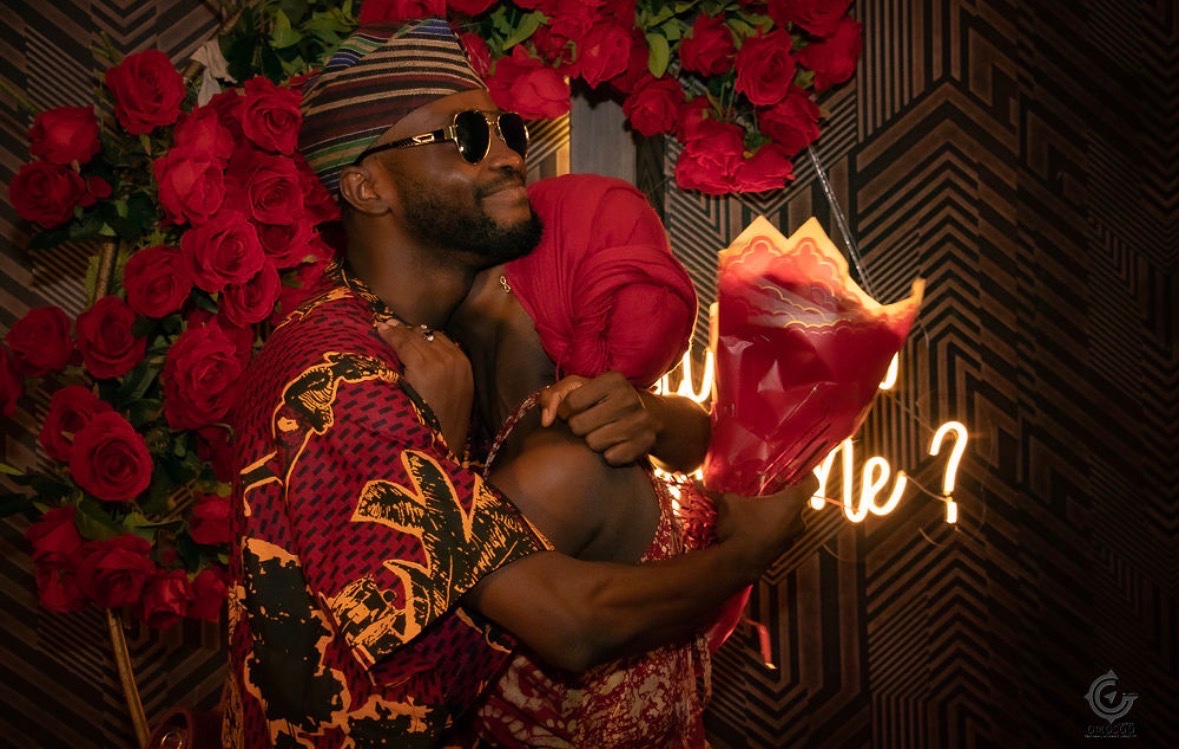
Earlier tonight, I proposed to Àníké. She’s the kindest and most unassuming girl I have ever met. She brings so much peace to my life. When I think about the future, I don’t want to do any of it without her. May Allah bless this journey for us.
English
Marcus “Olówó Èkó” Aurelius retweetledi

Activism isn’t the best way to help people imo
Building goods and services people want to use is the best way to help people
Jeff Bezos has been more helpful and impactful for humanity than any climate activist
.davιd🎀@dqveed
If you are born into a family with financial security I actually think dedicating your life to actively trying to help people is probably the best you could do.
English
Earlier tonight, I proposed to Àníké. She’s the kindest and most unassuming girl I have ever met.
She brings so much peace to my life. When I think about the future, I don’t want to do any of it without her.
May Allah bless this journey for us.
English
@dee_thephoenix @Busolami_ay Lol we produce Garri and Elub
i actually regretted my comment
Thats not my catchment area
English
“Nigeria imports everything” is exaggerated, but directionally correct.
We “produce” a lot, yes. But what kind of production?
A country can be first in volume and still be poor if it is stuck in low-value activities.
Where do we sit in the value chain?
Bremen@Rxbremen
We are 3rd in nation producing most groundnut in the world btw. Just behind China and India. We produce the most yam in the world, we produce the most cassava in the world. We are second highest exporter of onions in Africa after Egypt and before Algeria. We are 5th in Cocoa production in the world, 3rd in Africa. We are the country that produces the most cowpea in the world, we account for 48% of global production. We are the 5th in Millet in the world, 3rd in Africa. We are second in sorghum production just after USA. We are second in Maize production in Africa We are the largest producer of rice in Africa. But someone would still tell you Nigeria produces nothing, and we import everything.
English
Nigeria, the largest producer, captures only 2% of the $180bn global cassava processing market.
13% of advanced economies are commodity-dependent while 85% of the world's least developed countries are.
You guys need to stop being analytically shallow 🤦🏿♂️
English
The cassava example is funny.
Thailand is the world's largest exporter of cassava (it earned $3.7bn from cassava products in 2023), despite Nigeria producing far more.
The difference?
Nigeria grows it, Thailand processes, packages, and profits from it.
English
You are conflating the mechanism with the source. Capital markets are vehicles, not the origin, of wealth creation.
Wealth is not created ex nihilo, but rather through underlying productive enterprise.
Founding a successful company is what is, per data.
Kolade Afolabi@koladeafolabi20
There is no greater wealth printing machine in history than the capital markets. Absolutely none. If you know of any other, I am all ears.
English
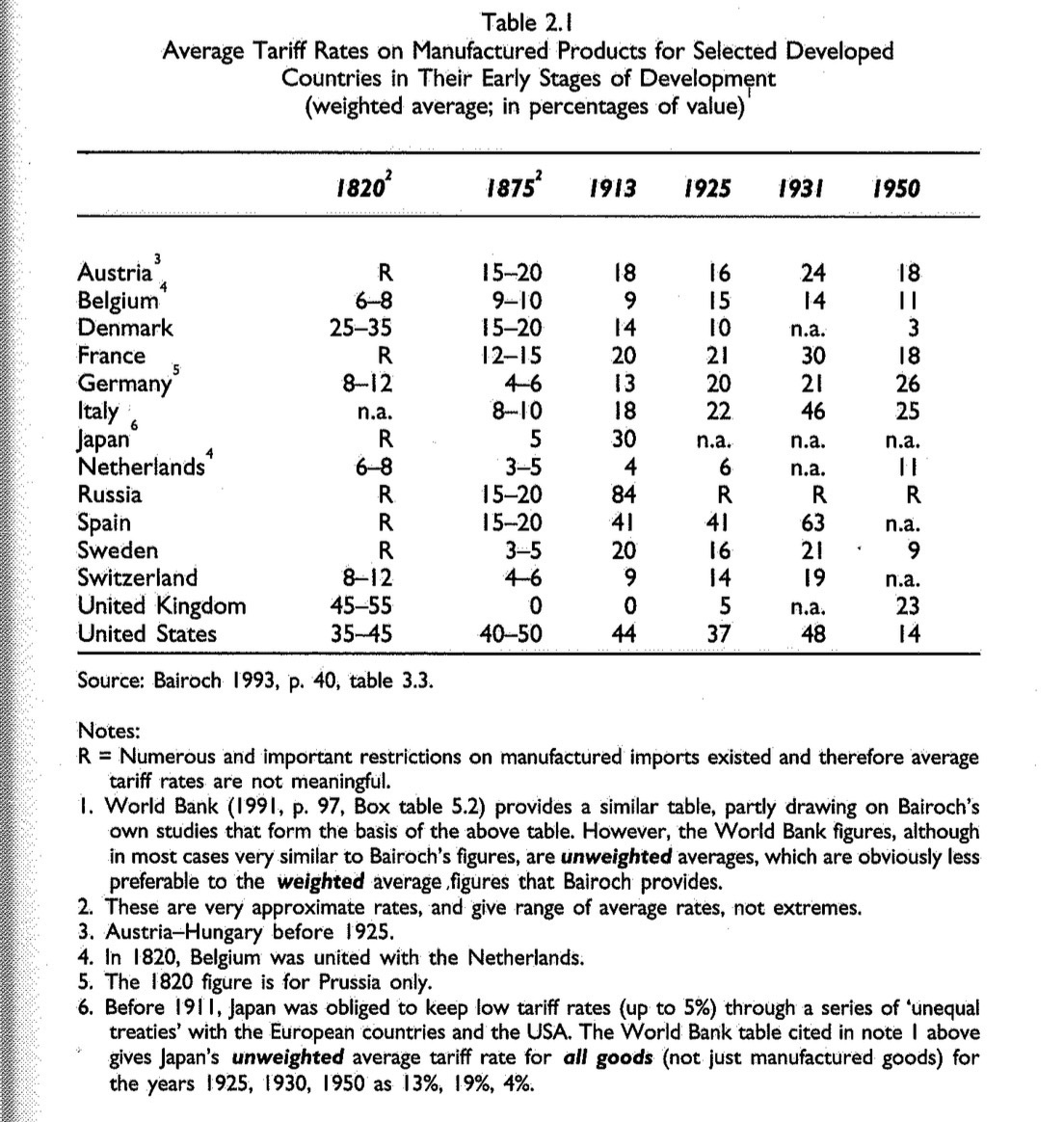
Theories are neat, but the actual paths countries used to develop? Messy.
The Classic Man@tkb417
Adam Smiths Wealth of Nation was in 1776 Economics is a social science where arguments is neither here nor there.. Friedrich List also argued that Free Trade was a weapon rich nations used to keep poor nations permanently backward Fun Fact: Germany and America in the 19th century deliberately used tariffs to build key sectors/industries and it worked Fun fact: Nations that ignored trade protection got industrially dominated These are all talking points in the business school.. Adam Smiths position was stress tested by many after him… Its not gospel.. It is social science A mix of this and that is what grows economies
English
Smith didn’t preach blind free trade. In The Wealth of Nations, he backed the protectionist Navigation Acts to secure Britain’s strategic base.
Comparative advantage is also dynamic: no country prospers by specializing in poverty.
Leave this Econ 101.
Bremen@Rxbremen
In wealth of nations Adam Smith argues against restricting imports, advocating for free trade based on the principle that restricting imports (protectionism) does not serve national economic interests. He argues that a nation should focus on producing goods where it has an absolute advantage and import items that are cheaper to buy than to produce domestically.
English