Denry Machin

36 posts

Denry Machin banner
Denry Machin

Denry Machin

@DenryMachin

Consultant. Writer. Entreprenuer.

Bangkok Katılım Ocak 2010
193 Takip Edilen54 Takipçiler
Denry Machin
Denry Machin@DenryMachin·
As a writer today, everyone suspects AI — especially if you use ‘that’ dash... It’s the AI giveaway; it’s the sign of the times. But, the em dash has long been a habit of mine, and I don't intend to give it up. Read why here: foxly.link/nTrKqN
Denry Machin tweet media
English
0
1
2
35
Denry Machin retweetledi
PEDAGOGUE
PEDAGOGUE@PDPEDAGOGUE·
As ever more international schools open (often for-profit), and as UK independent education evolves (increasingly into the hands of for-profits), I was going to repost an old piece on the ‘morality of profit’. But I reread it and, frankly, was embarrassed. Suitably shamed by what I thought passed muster in 2019, I spent the weekend on an entirely new article. I’ve updated the data and rewritten the arguments. Yes, it still leaves a lot of unanswered questions; plenty of “yeah buts” and “what abouts”. But I wanted to stick to roughly 2,000 words, and I wanted to focus on the for-profit debate. It’s an evidence-backed thought piece, not a PhD. It’s a longer read (grab a coffee), but hopefully accessible enough to add some evidence to the debate, without you needing to wade through a stack of academic journals (…you’re welcome). TL;DR Should schools be run for-profit? The data suggest it’s neutral. Or rather, when it comes to quality of education, profit or not is not what matters. - There are good for-profit schools and bad ones, just as there are good not-for-profit schools and bad ones. - Private schooling does confer advantages, but, in terms of grades, it mostly doesn’t matter if a school is for-profit or not. Once you account for who attends and how well the school is run, profit status explains relatively little of the difference. - What’s important is what a school does with the money it has, and that the children within receive an education that is both value-for-money and genuinely valuable. And if you want to test that in context, ask: What happens when there is a trade-off between margin and mission? Do the school’s actions match its stated values when they become expensive? Enjoy. PS: ChatGPT helped with some of the sources, but the writing is mine, not AI—em dashes and all. 😀 linkedin.com/pulse/should-s…
PEDAGOGUE tweet media
English
0
2
4
27
Denry Machin retweetledi
TheWisdomOfHeads
TheWisdomOfHeads@WisdomOfHeads·
As ever more international schools open (often for-profit), and as UK independent education evolves (increasingly into the hands of for-profits), I was going to repost an old piece on the ‘morality of profit’. But I reread it and, frankly, was embarrassed. Suitably shamed by what I thought passed muster in 2019, I spent the weekend on an entirely new article. I’ve updated the data and rewritten the arguments. Yes, it still leaves a lot of unanswered questions; plenty of “yeah buts” and “what abouts”. But I wanted to stick to roughly 2,000 words, and I wanted to focus on the for-profit debate. It’s an evidence-backed thought piece, not a PhD. It’s a longer read (grab a coffee), but hopefully accessible enough to add some evidence to the debate, without you needing to wade through a stack of academic journals (…you’re welcome). TL;DR Should schools be run for-profit? The data suggest it’s neutral. Or rather, when it comes to quality of education, profit or not is not what matters. - There are good for-profit schools and bad ones, just as there are good not-for-profit schools and bad ones. - Private schooling does confer advantages, but, in terms of grades, it mostly doesn’t matter if a school is for-profit or not. Once you account for who attends and how well the school is run, profit status explains relatively little of the difference. - What’s important is what a school does with the money it has, and that the children within receive an education that is both value-for-money and genuinely valuable. And if you want to test that in context, ask: What happens when there is a trade-off between margin and mission? Do the school’s actions match its stated values when they become expensive? Enjoy. PS: ChatGPT helped with some of the sources, but the writing is mine, not AI—em dashes and all. 😀 linkedin.com/pulse/should-s…
TheWisdomOfHeads tweet media
English
0
2
5
50
Denry Machin retweetledi
PEDAGOGUE
PEDAGOGUE@PDPEDAGOGUE·
Why don't schools advertise like this iconic 1981 LEGO ad? It's brave, smart, sassy, and emotionally connected—celebrating real, messy childhood over glossy perfection. Time for honest education marketing? Thoughts? foxly.link/uiqYrc #EdMarketing #LEGO
PEDAGOGUE tweet media
English
0
2
3
93
Denry Machin retweetledi
PEDAGOGUE
PEDAGOGUE@PDPEDAGOGUE·
Why don't schools advertise like this iconic 1981 LEGO ad? It's brave, smart, sassy, and emotionally connected—celebrating real, messy childhood over glossy perfection. Time for honest education marketing? Thoughts? foxly.link/uiqYrc #EdMarketing #LEGO
PEDAGOGUE tweet media
English
0
5
6
81
Denry Machin retweetledi
TheWisdomOfHeads
TheWisdomOfHeads@WisdomOfHeads·
Why don't schools advertise like this iconic 1981 LEGO ad? It's brave, smart, sassy, and emotionally connected—celebrating real, messy childhood over glossy perfection. Time for honest education marketing? Thoughts? foxly.link/uiqYrc #EdMarketing #LEGO
TheWisdomOfHeads tweet media
English
0
4
4
72
Denry Machin retweetledi
TheWisdomOfHeads
TheWisdomOfHeads@WisdomOfHeads·
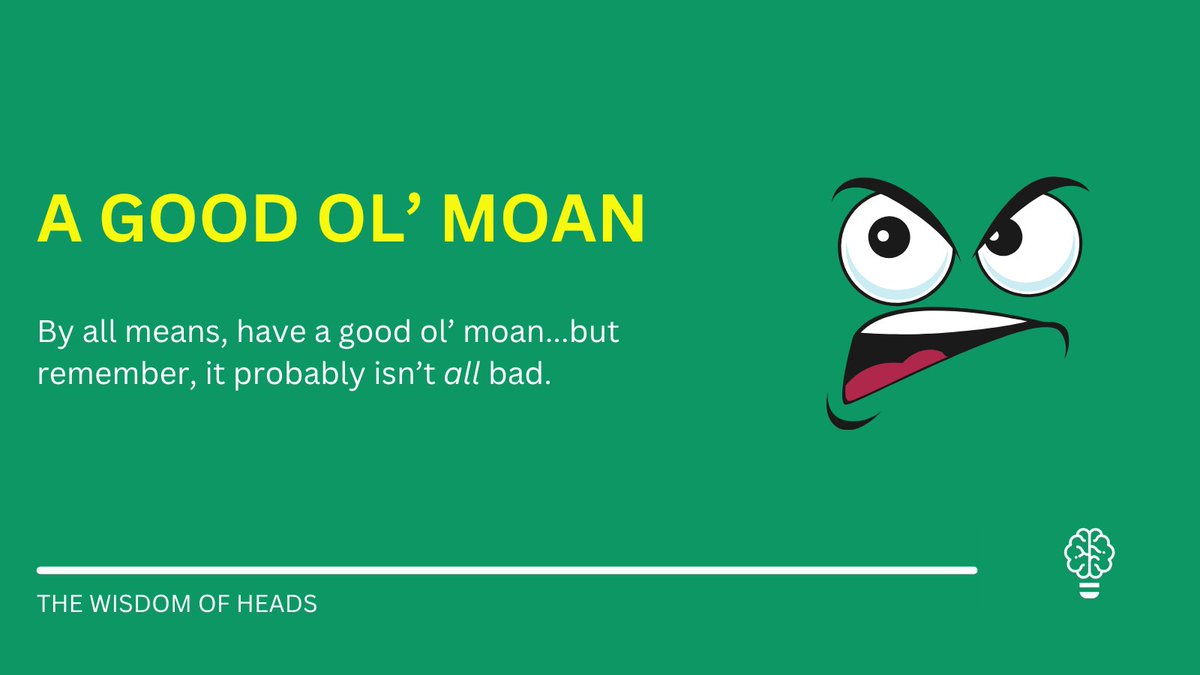
Teachers like to moan. So do school leaders. And they both like to moan about each other. There’s a lot of moaning. When you’re working in education—with all its emotional labour, policies, bureaucracy, and issues—it’s easy to become jaded with a school, perhaps even with all schools. It’s important to remember, though, that like most organisations, schools might be full of contradictions, varying ambitions, and challenging behaviour, but they are also full of excellence, passion, and delightful people (yes, the students and the teachers). So, whilst it’s necessary and cathartic—healthy even—to boo at the bad parts, remember to also cheer for the good parts. There’s no inconsistency in challenging, say, a school’s assessment structure or timetable while also acknowledging the strength of its safeguarding frameworks, exam results, or curriculum innovation. Schools are never monolithic; they are a mix of ambitions, contradictions, and competing priorities. So, next time you are having a ‘good old moan’, remember it is possible to hold multiple truths at once—to applaud what’s working, push back where it’s not, and to resist the comfort of a single, simplistic narrative. It may not (all be) as bad as you think. ----------------------- Thoughts on leadership, done differently Follow or, sign-up to join my newsletter; wisdom direct to your Inbox weekly (no spam, just nudges to think a little differently): sendfox.com/lp/3ed08p ------------------------
TheWisdomOfHeads tweet media
English
0
4
6
126
Denry Machin retweetledi
TheWisdomOfHeads
TheWisdomOfHeads@WisdomOfHeads·
With new international school announcements emerging almost weekly, I’m resurfacing another old article that feels more relevant than ever. As the number of international schools grows, more markets are showing signs of saturation—or at least early-stage maturity. But how can you tell if your market is maturing? And what should you do if it is? TL;DR: In growth markets, average often suffices. A rising tide lifts all boats. Most schools can survive, even thrive, on momentum alone. But in maturing markets, that safety net disappears. Maturity exposes inefficiencies and forces clarity. Schools must confront—often for the first time—competitive pressures, strategic trade-offs, and operational weaknesses. In such environments, financial and commercial awareness become a core leadership responsibility. Marketing, finance, public relations, and business acumen are no longer peripheral—they become as critical as pedagogy, curriculum, safeguarding, or pastoral care. Curious where your market sits on the growth–maturity curve? The full article is on LinkedIn here👇 bit.ly/4lEflnB
TheWisdomOfHeads tweet media
English
0
3
6
80
Denry Machin retweetledi
PEDAGOGUE
PEDAGOGUE@PDPEDAGOGUE·
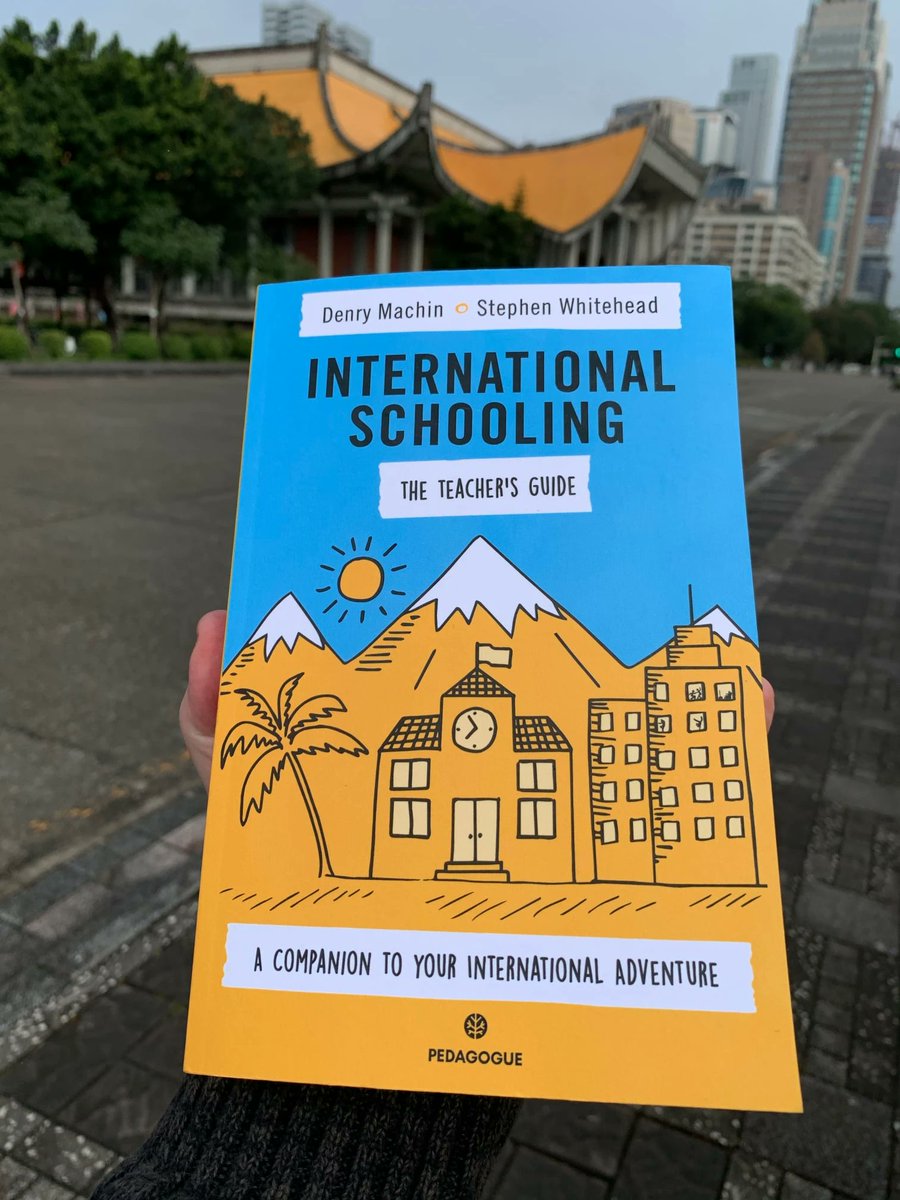
It's that time of year 🛫🏖️🌇🏔️🛬 A time when many teachers are planning and packing for the BIG MOVE - the move to international school teaching. If that's you (or a friend/relative) don't forget to grab a copy of 'International Schooling: The Teacher's Guide'. It's full of hints, tips, and advice from people already enjoying the adventure. Grab a copy here (or just take a look at the FREE bonus section): pedagogue.ac
PEDAGOGUE tweet media
English
0
4
5
80
Denry Machin retweetledi
PEDAGOGUE
PEDAGOGUE@PDPEDAGOGUE·
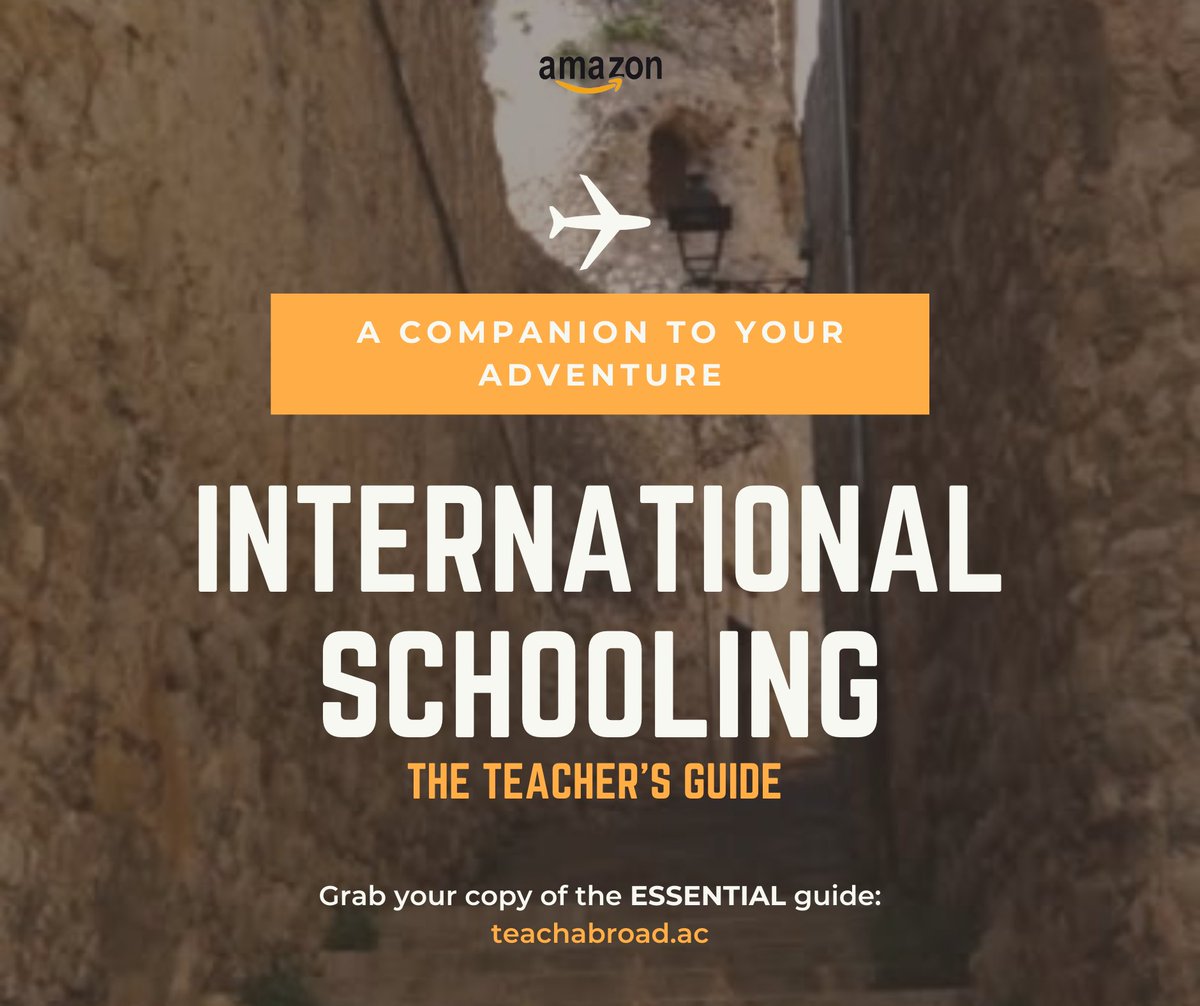
Looking to teach overseas? 🛫 🏖️🌆🛬 There's a useful podcast coming up, with requests for questions in advance. Head here: foxly.link/WXg779 Or, perhaps grab a copy of 'International Schooling: The Teacher's Guide': teachabroad.ac And, for anyone wondering what qualifications you need, head here: bit.ly/PGoriQTS
PEDAGOGUE tweet media
English
0
5
6
219
Denry Machin retweetledi
PEDAGOGUE
PEDAGOGUE@PDPEDAGOGUE·
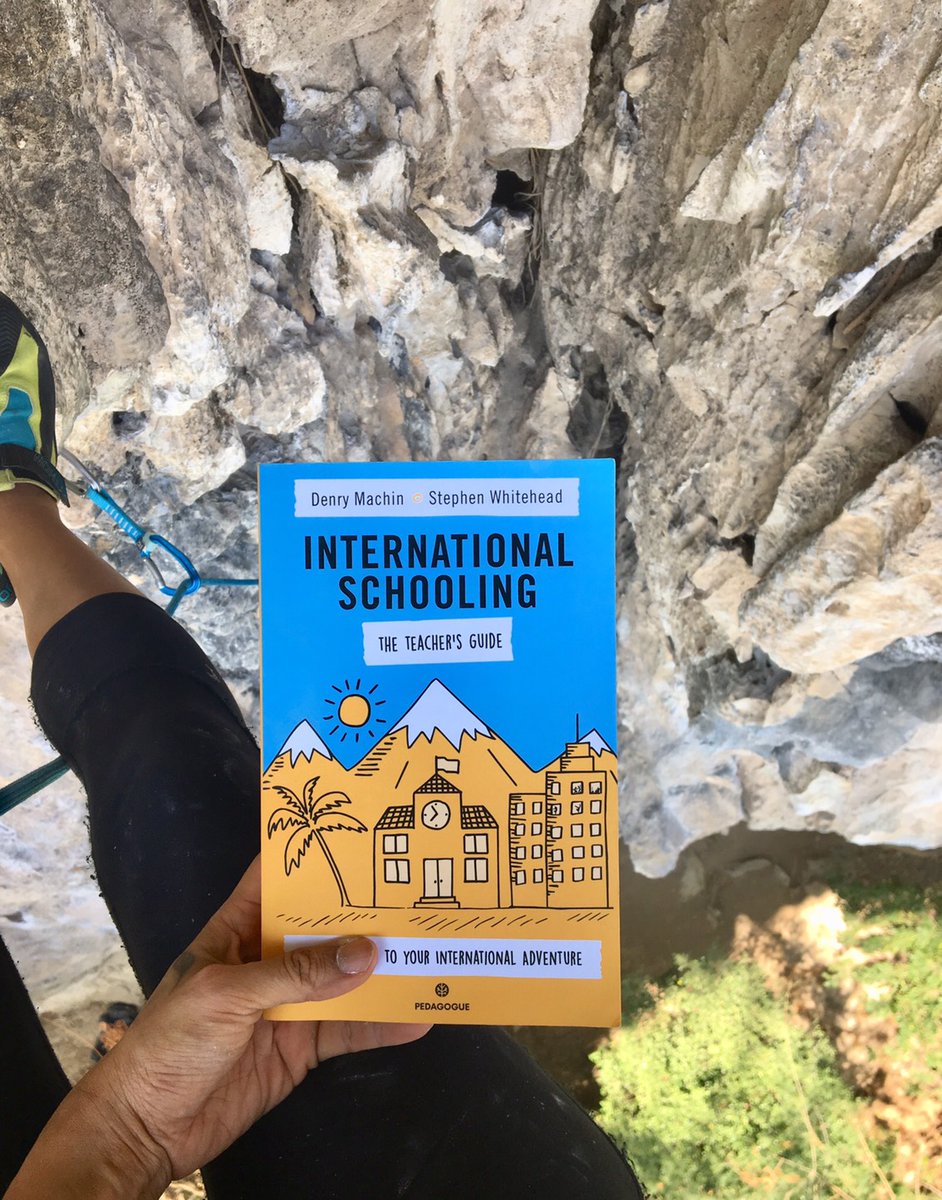
Are you about to head on your first international teaching adventure? Lots of posts at the moment of people packing, heading to airports, and saying their farewells. If that's about to be you, if you are about to embark on your first international school teaching job, don't forget t pack a copy of: 'International Schooling: The Teacher's Guide'. It's filled with tips, stories, mistakes to avoid, and advice from teachers already living the international adventure. Read it and hit the ground running. COPIES AVALIABLE HERE: foxly.link/TeachISGuide (PS: Picture all from teachers enjoying the book in unique locations)
PEDAGOGUE tweet mediaPEDAGOGUE tweet mediaPEDAGOGUE tweet mediaPEDAGOGUE tweet media
English
0
6
8
466
Denry Machin retweetledi
TheWisdomOfHeads
TheWisdomOfHeads@WisdomOfHeads·
People outgrow all sorts of things. Shoes, clothes, houses, relationships. And yes, schools. It’s part of the natural order. No matter how good your school, not matter how strong your PD, no matter how welcoming your culture, and no matter that the biscuits at break time are free, people will leave. If they no longer fit, wish them well. If they fit really well but leaving is the right thing for them, wish them well. Even if you aren’t sure leaving is the right thing for them, wish them well. You might, of course, want them to stay. And by all means do what you can to keep them—to their benefit and the schools. But, don’t fight too hard to keep people who want to go. Accept that people grow. Things change. Life ebbs and flows; the seasons change. Sometimes it’s professionally right that someone leaves, even if it’s wrong for the school. If that’s the case, wish them well. Let people go with good grace. Support them. Applaud them. Ultimately, your school benefits from being seen as a place of growth. People will outgrow your school. The time to worry is when people have stopped outgrowing your school. ------------------------ Thoughts on leadership, done differently Follow or, sign-up to join my newsletter; wisdom direct to your Inbox weekly (no spam, just nudges to think a little differently): sendfox.com/lp/3ed08p #education -------------------------
TheWisdomOfHeads tweet media
English
0
4
6
149
Denry Machin retweetledi
ManyFacesOfMen
ManyFacesOfMen@ManyFacesofMen·
Determined and driven. Strong, mentally and physically. This man is effortlessly Alpha. When he walks into a room women want him and men want to be him. Clooney, Connery, Dyson and Branson. Each an Alpha, but for very different reasons. Are you an Alpha? How do you become one? Do you even want to be one? Or, if you are looking for a partner, how to you get one? And do you even want one? Find out in this week's episode.... podcasters.spotify.com/pod/show/manyf…
English
0
3
4
51
Denry Machin retweetledi
PEDAGOGUE
PEDAGOGUE@PDPEDAGOGUE·
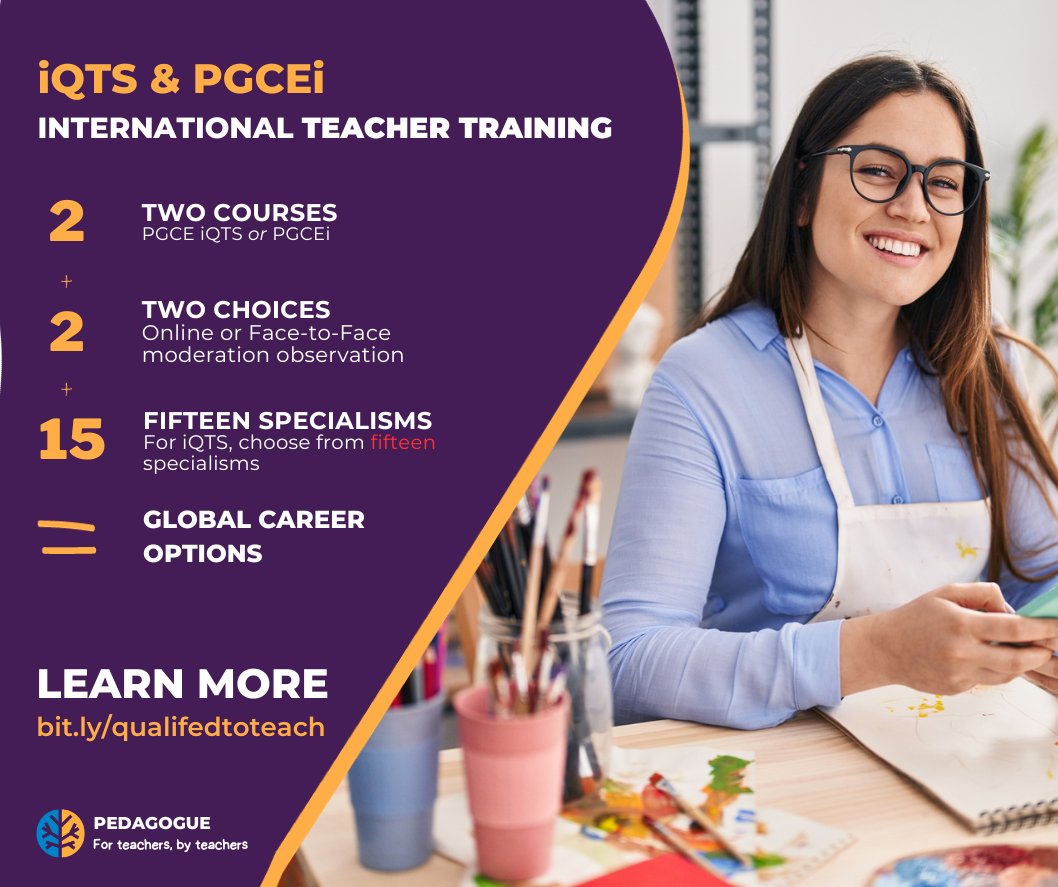
A PGCEi or the new (ish) PGCE iQTS, which is better? It's a common question. And the answer is both complicated and contextual. YOUR situation will impact the answer. One key difference is that iQTS is offered in specific subjects, plus and as EY and Primary tracks. The PGCEi is generic or, for the likes of Warwick, Primary or Secondary. So, if you are looking to specialise, iQTS is the better option. There's more detail on the different specialisms here: bit.ly/iQTS Plus, this key differences summary from Warwick is also useful: bit.ly/KeyDiff
PEDAGOGUE tweet media
English
0
3
5
109
Denry Machin retweetledi
TheWisdomOfHeads
TheWisdomOfHeads@WisdomOfHeads·
The higher you climb up the leadership ladder, the more recruitment becomes part of your job. There’s an argument that, once at the top, it pretty much is your job - and certainly the most important part of your job. The more interviews you do, the more bad ones you’ll experience. There are obvious red flags: candidates showing up late, strange outfits, unnecessary bragging, or a candidate not even knowing what job they’re applying for. Sometimes a bad interview can enliven a day. They break the routine. The best interviews do the same. They stand out. It’s the bad ones we bemoan though. Here’s some red flags I’ve experienced in bad interviews, all of them real: - Gets the name of the school wrong (repeatedly, and despite correction) - Gets interviewers names wrong (repeatedly, and despite correction!) - Candidate is not curious about the school, or the children - Bringing their toddler to interview, expecting child care (without prior warning…and to a Secondary school) - Answers and CV don’t match - Unable to explain job moves - Dodges questions about gaps in CV - Taking credit for the work of others (worse, this was an internal candidate) - Speaking poorly of previous Heads - Too cool for school (overly casual, use of slang, trying to out cool the kids) - More interested in salary and title than in the job itself (or, in one case, how good the local surfing was) - Buzzword bingo - tries too hard to look like an expert - Vague about references - Swearing - Going AWOL during the process (a two-day residential interview, AWOL after the first day, only to return late on the second to claim expenses) - Taking calls during the interview (unbelievable, but yes) - Dressed for a night out, not an interview (males and females); wearing ALL the brands, too many brands, and too obviously - Body odors, bad breath, poor hygiene (or too much perfume/aftershave) Whilst I’m sure you wouldn’t make any of those mistakes (those who did are unlikely to be readers), flip that list, turn the lens on yourself, and you also have a list of things not to do in your own next interview. A list of things to avoid. ------------------------ Thoughts on leadership, done differently Follow or, sign-up to join my newsletter; wisdom direct to your Inbox weekly (no spam, just nudges to think a little differently): sendfox.com/lp/3ed08p #education -------------------------
GIF
English
0
4
7
97
Denry Machin retweetledi
PEDAGOGUE
PEDAGOGUE@PDPEDAGOGUE·
Fire away. What do you want to know? ❓❔❓ We get a lot of questions about the differences between iQTS and PGCEi's. So many it's all covered in this popular article: bit.ly/PGoriQTS But, if you have your own questions, drop them below and we'll attempt to answer. If certain questions prove popular, we'll update the article to ensure everyone has access to as much info as possible.
PEDAGOGUE tweet media
English
0
2
4
38
Denry Machin retweetledi
PEDAGOGUE
PEDAGOGUE@PDPEDAGOGUE·
PGCEi or the new iQTS qualification? It's a common question. And there isn't an easy answer. There's a useful article here breaking down the differences between the two courses: bit.ly/PGoriQTS TL;DR: iQTS can seem expensive and the requirements are strict but, closely mirroring QTS gained in the UK, it is the ‘gold standard’. PGCEi’s still have a place though, especially for those who don’t need or can’t afford iQTS. This key differences summary from Warwick also useful: bit.ly/KeyDiff
PEDAGOGUE tweet media
English
0
5
7
325
Denry Machin retweetledi
TheWisdomOfHeads
TheWisdomOfHeads@WisdomOfHeads·
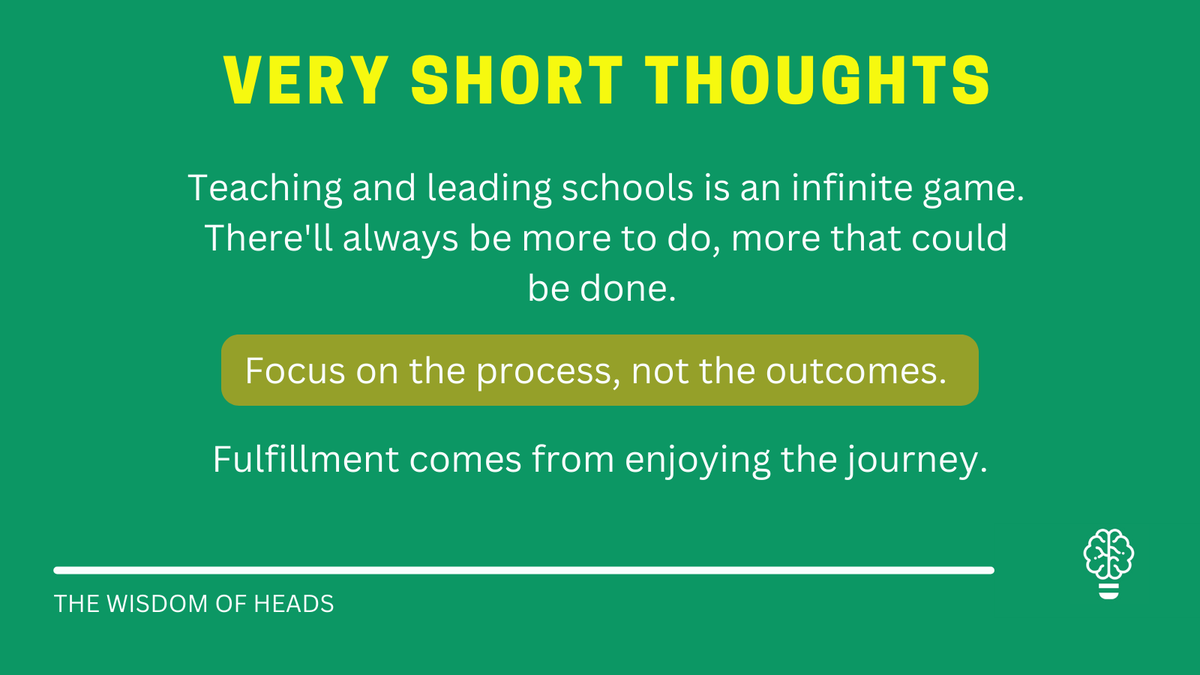
It's the summer. You're on holiday. I'll be brief then: "Teaching and leading schools is an infinite game. There'll always be more to do, more that could be done. Focus on the process, not the outcomes. Fulfillment comes from enjoying the journey." ------------------------ Want more short thoughts? Follow or, sign-up to join my newsletter; wisdom direct to your Inbox weekly (no spam, just nudges to think a little differently): ➡️sendfox.com/lp/3ed08p #education -------------------------
TheWisdomOfHeads tweet media
English
0
2
5
126
Denry Machin retweetledi
Elizabeth Stafford
Elizabeth Stafford@DrLizStafford·
Really enjoying this! Well-written, accessible, and informative.
Elizabeth Stafford tweet media
English
1
1
5
549
Denry Machin retweetledi
PEDAGOGUE
PEDAGOGUE@PDPEDAGOGUE·
Any one considering the move should read 'International Schooling: The Teacher's Guide'. Advice and guidance (and red flags to look for) from teachers already working overseas. teachabroad.ac The free bonuses include useful webinars with Heads, teachers, and recruiters.
PEDAGOGUE tweet media
English
0
3
4
180