
derPeter21 retweetledi

Praxis-Workshop in Wien: Wie Bitcoin-Transaktionen funktionieren, welche Wallet zu dir passt und wie du deine Keys sicher verwahrst. Klein gehalten, 15 Plätze.
pretix.bitcoin-austria.at/BA/Basislayer1/
Deutsch
derPeter21
2K posts

@derPeter21
Buy Bitcoin - don't sell | Promoter of #BTC22 & #BTC23 in #Innsbruck | My advice: BTC Prague https://t.co/6R5fdVKK7z



Diesen Mittwoch 18.2. ab 18:30 Uhr ist wieder unser monatlicher Bitcoin-Stammtisch im Ghf Bierstindl in Innsbruck. Wir treffen uns in der Ofenstube (EG, nach Haupteingang links). Jede/r ist herzlich willkommen.




Morgen Mittwoch, 17.12. treffen wir uns um 17:30 Uhr zum Glühwein beim Christkindlmarkt am Wiltener Platzl, Leopoldstraße 27. Ab 19:30 (!) sind wir dann im Ghf Bierstindl zum Bitcoin-Stammtisch. Philipp wird einen Impuls-Vortrag halten über "bitcoin insights - der einfache Umgang mit mempool.space". Der Stammtisch findet höchstwahrscheinlich im Clubraum (3. Stock) statt. Jede/r - ob Anfänger oder Profi - ist herzlich willkommen.






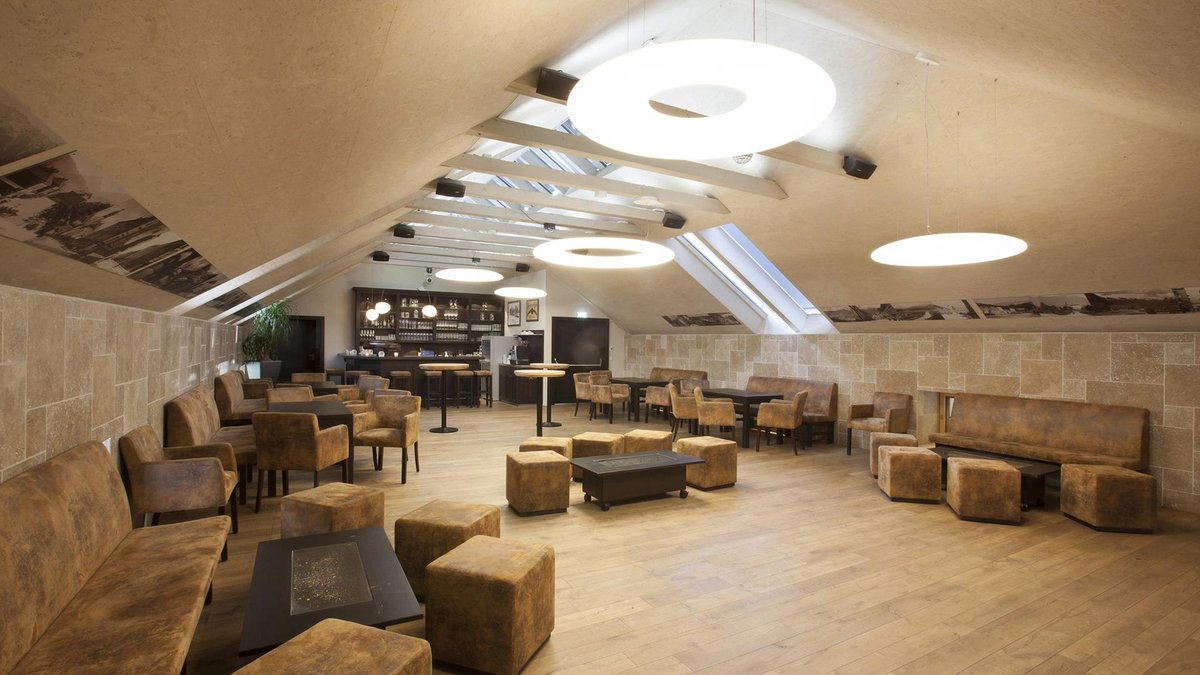
Diesen Mittwoch, 19.11. findet ab 18:30 Uhr unser nächster Bitcoin-Stammtisch im Ghf Bierstindl in Innsbruck statt. Wir haben einen Spezialgast: Joachim Kranzler wird einen Impuls-Vortrag über "Bitcoin im Unternehmen" halten. Joachim war bis Anfang 2025 Geschäftsstellenleiter der Hypo Reutte. Seit Februar ist er als DACH-Firmenkundenbetreuer für @coinfinity tätig. Der Stammtisch findet diesmal im Clubraum (3. Stock) statt. Jede/r - ob Anfänger oder Profi - ist herzlich willkommen. @bitcoin_at @_einundzwanzig_ @JoachimKranzler

Property Rights: The Root Cause of the Palestinian/Israeli Conflict The Palestinian-Israeli conflict is the inevitable result of the destruction of a centuries-old system of private property rights and its replacement by race-based state ownership. Since 1947, property rights in Palestine have been replaced by a government agency that owns the majority of land, constantly steals more, never sells, and only leases land to one racial group. Religious and racial conflict are not destined in Palestine; they are historically rare occurrences, but this system of property rights would create violent conflict anywhere. In 1945, the British mandate government surveyed land ownership in Palestine and found that Jews owned 5.67% of the total land, while Muslims, Christians & other denominations owned 48.31% of the land. The remaining 46.02% was public land, mainly in the sparsely inhabited desert in the south, most of which was de facto owned by the Bedouins who herded there. Among the privately-owned lands, only 10.5% was owned by Jews, while 89.5% was owned by non-Jews. There was not a single district in Palestine in which Jews owned a majority of the land, as this illustration makes clear.[1] In 1917, when the Balfour Declaration was issued, the Jewish population ranged from 4% to 13%. In 1945, the population of Palestine was 1,764,520, of which 69% were Muslim and Christian, and 31% were Jewish.[2] The majority of the Jewish population was recent immigrants from Europe, many illegal. Even after decades of legal and illegal immigration, land purchases financed by European benefactors, and terrorism against Palestinian civilians and British forces, the Zionist movement had less than a third of the population of Palestine, and owned less than 6% of its land when it established its ethnostate. To establish an ethnostate on a land in which the right ethnicity was less than a third of the population, and owned less than a twelfth of the land, Zionist terrorists engaged in a premeditated and systematic campaign of terrorism, murder, and violent expulsion, meticulously planned from the 1930s, ruthlessly executed against a largely unarmed population, and practically continuing until this day, explaining the conflict’s longevity. This has been extensively documented by Palestinian historians, such as Walid Khalidi and Rashid Khalidi, as well as by Israeli historians like Ilan Pappe and Benny Morris.[3] [Continues in next tweet]
