@HermanMashaba Please know your history of Helen Zille before you comment, but its really funny how hou are destroying your own campaing.
English
Derick Kuün
4K posts
@derickkuun
Dedicated husband, maize, soybean & cattle farmer. Have been blessed with the 2 most wonderful children to take care of in this world.

Helen Zille says the only options for coalition partners in Johannesburg for the DA is ActionSA, the IFP, ACDP and the FF+. No chance working with the ANC, EFF or MK Party.
“The City of Joburg is bankrupt, it is bankrupt…” says Helen Zille at a large meeting of Ward 99.






⛱️🌊 Just another day in the City of Johannesburg. Let’s get Joburg working. Register to #VoteDA. Visit check.da.org.za.







FERTILISER SUPPLY AND FOOD PRICES IN SOUTH AFRICA I have been monitoring online comments about the situation in the Middle East and its implications for our agricultural sector. There are concerns about fuel and fertiliser supplies and price increases. I want to comment on the fertiliser market for now. -We don’t have a fertiliser supply issue for now, but prices are rising due to fears of global supply disruptions. -The events in the Middle East are material for the global fertiliser market, and we see a surge in prices and the region’s growing importance as a source of fertiliser ingredients. -What will matter the most in all this is the duration of the war — how long will the disruptions last? -The next major fertiliser usage period in South Africa and Southern Africa at large is from October 2026, when we plant summer crops. Another issue is how the fertiliser surge will influence consumer food prices. On this, I will say: -Farmers can’t pass on fertiliser costs to consumers. They are price takers. In extreme cases, they can mainly influence prices by adjusting the area planted. We don’t see this as a near-term possibility. And the new crop is only planted in October 2026. -This also means farmers will be under immense strain if the fertiliser prices remain elevated for some time. Fertiliser accounts for 35% of grain farmers’ input costs. -Again, this is still early, and we don’t know much about how long the disruptions or the Middle East war will last. I also want to note that we expect South Africa’s consumer food price inflation to moderate in 2026. We haven’t shifted from this view, but we are increasingly worried that higher fuel prices due to the war in the Middle East may alter this optimistic food inflation path if the war continues for longer. The latest data released by Statistics South Africa has not accounted for the war in the Middle East and still indicates a moderating path for food price inflation, underpinned by ample domestic supplies of grain, fruit, and vegetables. The data show that consumer food price inflation slowed to 3.7% in February 2026, down from 4.0% in January. In essence, we expect South Africa’s consumer food price inflation to slow in 2026, but fuel prices remain a major upside risk, as they account for a substantial share of the distribution costs of food products. Fuel accounts for 13% of grain farmers’ input costs, but farmers are price takers and can’t pass this cost on to consumers except through adjustments in their planting decisions in the next season. -Wandile Sihlobo Presidential Envoy on Agriculture and Land



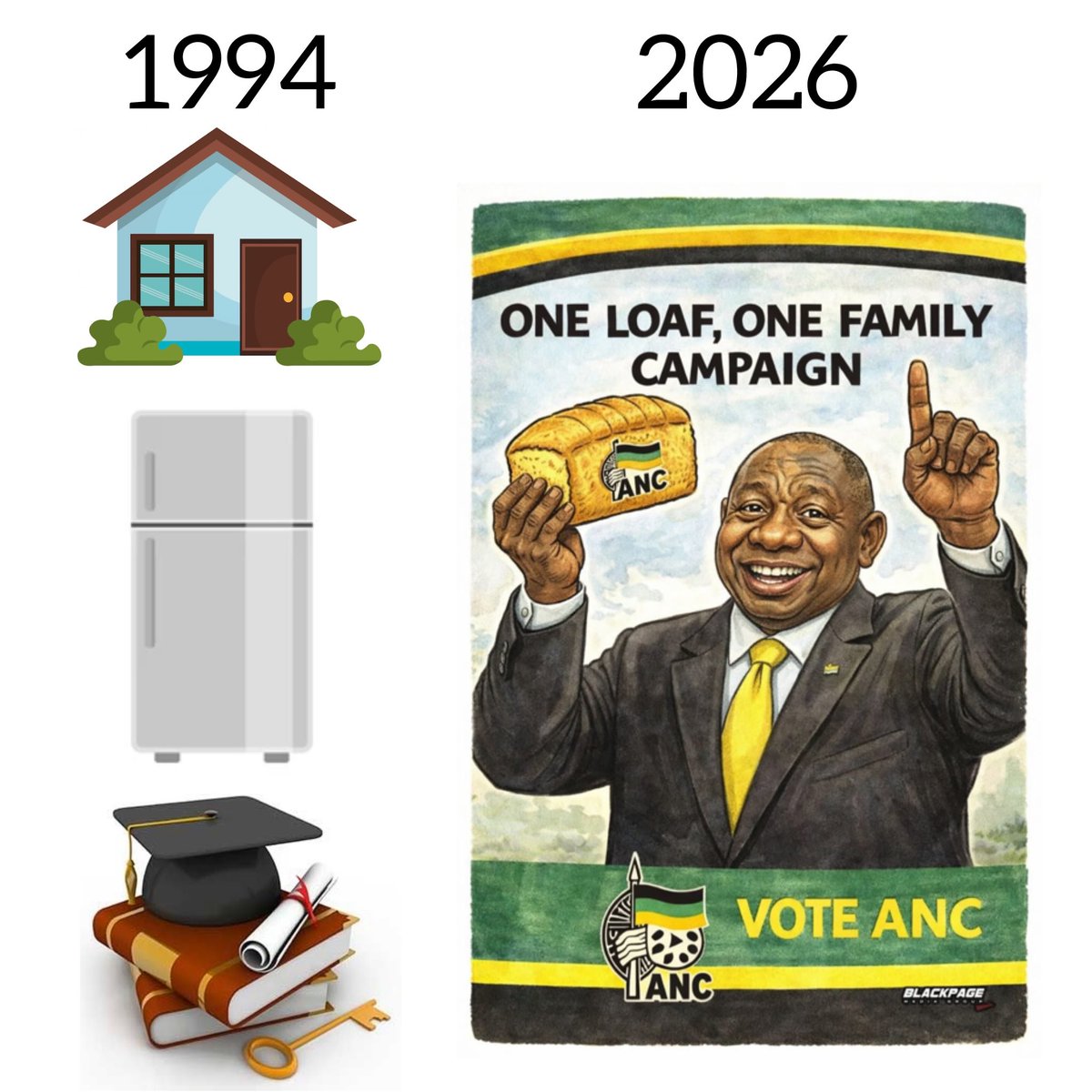
It's only Africans who are told to forget what happened in the Past. 💔💔

Let me then say what the US ambassador @BrentBozell is seemingly not allowed to say: "I do not care what the South African court says — the “Kill the Boer” chant, which calls for the killing of Afrikaners and farmers, is hate speech." @afriforum enca.com/top-stories/us…