

露山
6.7K posts
露山
@dew_ka_docpe_ka
良き友、良き本、眠りかけた良心、これぞ理想の人生。 by マーク・トウェイン
ミサイルサイロ Katılım Ağustos 2021
4.4K Takip Edilen213 Takipçiler

She went to Japan of her own free will and complains that there's little halal food available. God save Japan from them.
English

#戦争に反対するオタクの会
私は日本社会にとって害らしい。。。
高橋が朝から晩までSNSにはりついて
レスバしてる間にも、
私は会社を経営し、働いて、外国人にも雇用を与え、1年で何千万って税金も払ってます。
1日中SNSで遊んでるやつに
言われる筋合いないし。
戦争起こしたいのこの人?

日本語


🚨 🇪🇸 CHOQUANT : Les féministes de gauche en Espagne demandent le licenciement de cette présentatrice météo, pour avoir porté une tenue « inappropriée » en plateau télé.
Moi, je vois une femme belle, féminine, avec une veste et un décolleté élégant. Et toi ?
Un ❤️ si tu soutiens la présentatrice‼️
Français
@valentine_hoso 一心不乱に旗やペンライトを振るだけで成果が出るなら誰も苦労はしませんよね。「願う」から「考える」にシフトしていくべきなんだと思います。
日本語

なってねーよ
何十年も前から『戦争反対』と唱えて来たけど、なんの効果もなかった事に人々が気づき始めただけだ
戦争反対は、当たり前
戦争によって起こる悲劇をどう繰り返さないか?具体的な案が必要なんだよ
どっか馬鹿集団みたいに、音楽かけて『No War』って叫ぶだけで戦争がなくなるなら、誰も苦労してねーよ
エックス速報@tsuisoku777
イラン出身のタレント、サヘル・ローズ(40)「戦争に反対することが、勇気のいる時代になってしまった」 xsokuhou.net/archives/14730…
日本語


玉川徹氏、トランプ大統領は「知性が感じられず、何も信用できない」
sn-jp.com/archives/272371
日本語

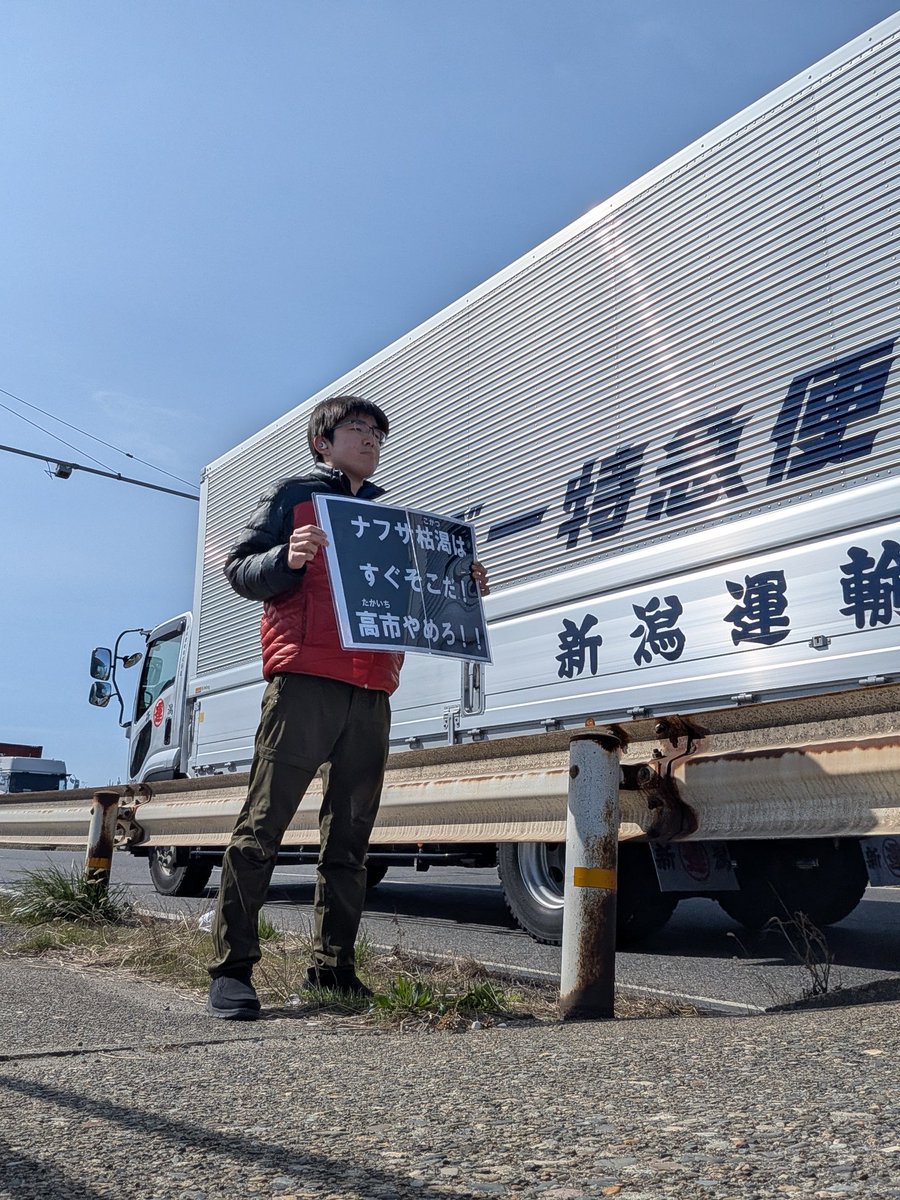
高市辞めるまで毎日立つ
5日目
#高市を辞めさせよう
#高市やめろ
#高市早苗働かない内閣
#高市逃げるな
#高市早苗は今すぐやめろ
#高市早苗辞めろリレー
#高市早苗辞めろ
戌年生まれのビール好き@asterte2
高市辞めるまで毎日立つ 4日目 #高市を辞めさせよう #高市やめろ #高市早苗働かない内閣 #高市逃げるな #高市早苗は今すぐやめろ #高市早苗辞めろリレー #高市早苗辞めろ
日本語
@Hanapan8723 自国民を大量に虐殺したイラン政府並びに革命防衛隊の所業に触れないのは何故ですか?なぜ米国やイスラエルの所業ばかり殊更大きく取り上げるのでしょうか?
日本語

イスラエル、本当に悪魔だとしか…
どうして子供を殺せるのか1ミリも理解ができない。
吐き気がする…。
駐日パレスチナ常駐総代表部@PalestineEmb
絞首刑法:イスラエル、パレスチナの子どもたちの処刑に向けて動き出す #パレスチナの子供たちをイスラエルから守れ
日本語

高市早苗は国会で約束した通り、イラン大統領に電話をかけた。これが初めての対話。しかし高市はイランがホルムズ海峡に通行料を課する権利はないと批難しただけだった。これは交渉ではない。日本の長年の友好国イランと敵対し、状況を悪くするだけ。国益を損ねることしかしない
Shanaka Anslem Perera ⚡@shanaka86
JUST IN: Japan’s Prime Minister just called Iran’s President. Twenty-five minutes. The first top-level contact between Tokyo and Tehran since the war began. And every word Takaichi chose was a weapon disguised as diplomacy. She called the Strait of Hormuz a vital artery for global logistics and an international public good. That phrase, international public good, is the most precisely calibrated language any leader has used since the ceasefire was announced. It is a direct legal rejection of Iran’s toll system without naming it. Under international law, a public good cannot be privatised. A public good cannot charge admission. A public good cannot require a secret code from an IRGC intermediary, a yuan payment to a military contractor, and an armed escort through territorial waters near Larak Island. Takaichi did not say this by accident. Japan imports 94.2 percent of its crude oil from Arab nations, nearly all of it transiting Hormuz. In February 2026, Japan imported 74.13 million barrels of crude. The effective closure of Hormuz forced Tokyo to release 80 million barrels from its national strategic reserves, enough to cover 45 days of domestic demand. The Nikkei has fallen 11 percent since the war began. The yen weakened to 20-month lows. The Bank of Japan warned of oil-driven inflation and markets are pricing a 70 percent chance of a rate hike this month. Japan’s entire economic stability is tethered to a 34-kilometre channel that an IRGC military council now controls through a toll booth it legislated on March 31. Takaichi’s call adds Japan to the coalition that is forming against the toll precedent. Oman’s transport minister told parliament today that international agreements prohibit Hormuz fees. Saudi Arabia, the UAE, and Bahrain called the tolls unacceptable. Trump offered to help with the traffic buildup. And now Japan, the world’s fourth-largest economy, has formally defined the strait as an international public good on a direct call with the Iranian president, creating a diplomatic record that can be cited at Islamabad on Friday and at every international forum thereafter. But Takaichi also spoke to Pezeshkian, not to the IRGC military council that actually runs the toll booth. Pezeshkian is the civilian president of a regime where the civilian president does not control the military, the intelligence apparatus, the provincial commands, or the strait. Takaichi’s statement will be filed in Tokyo. The IRGC’s clearance codes will still be issued at Larak. The gap between what diplomats say and what military operators do is the gap the ceasefire was built on, and it is the gap that will determine whether the toll precedent becomes permanent. Japan released 80 million barrels of reserves because it could not access the strait. It will now pay tolls to access the strait, or reroute around the Cape of Good Hope at $5 per barrel in additional shipping costs, or rely on US naval escorts that Trump described as “hangin’ around” to make sure everything goes well. None of these options restore the status quo ante. The strait that was free before the war is now either tolled, militarised, or both, and Japan’s 94 percent dependence means it absorbs the cost regardless of which option it chooses. The Strait of Hormuz was an international public good. It is now a contested chokepoint. And the distance between those two descriptions is measured in yuan. open.substack.com/pub/shanakaans…
日本語
公立小学校の先生「お守りをランドセルにつけるのは禁止」「特定の宗教の物を身につけるときは親の申請が必要」
sn-jp.com/archives/272336
日本語


日本語


山添拓さん、さすが!
それにしても、なぜ戦争反対デモに
自民党も
維新も
国民民主も
参政党も
チームみらいも
日本保守党も
来ないんだろ?
え、まさか、戦争賛成なの?😱
ジャポニスタン@japonistan
あくまでも、その場の参加者を守る「弁護士」として立ってるとこがカッコ良かった。 #平和憲法を守る0408
日本語
前川喜平氏「デモ参加者をせき止めるのではなく、車をせき止めて、車道をデモに開放せよ」
sn-jp.com/archives/272386
日本語
露山 retweetledi
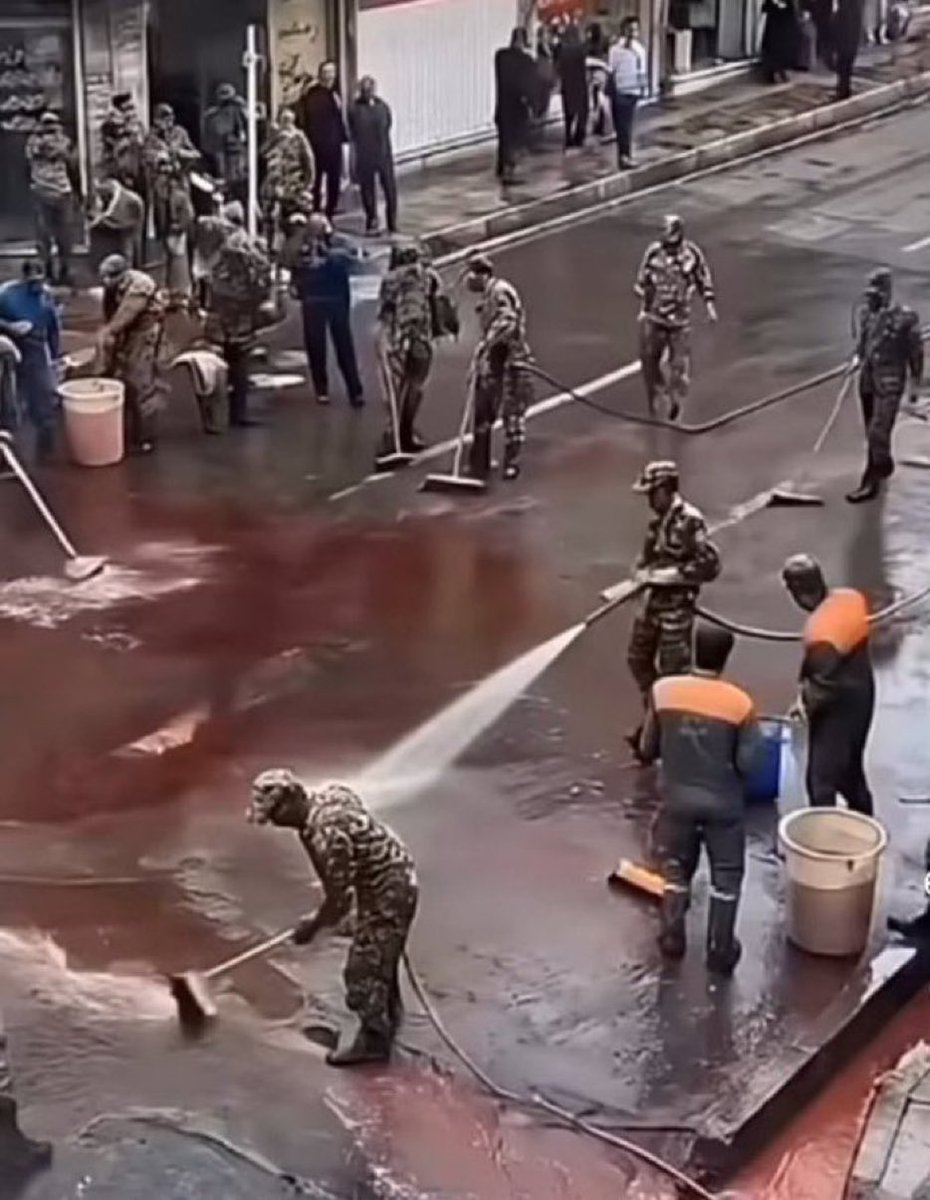
This image of the regime washing blood off the streets after they massacred protestors in January in Iran is intensely symbolic
The "international community" is whitewashing the regime all over again
English

Les fascistes Antifas au Japon 🇯🇵 sont aussi bêtes qu'en France 🇲🇫
Français
@senkyo_bougai 隣国の領土的野心や経済的浸食に危機感を持ち、抑止力を意識し、国防や安全保障の課題に真摯に取り組む現政権の姿勢を、私は高く評価しています。
日本語
露山 retweetledi


漫画家小林よしのり氏(72)「高市早苗を支持する奴らは国賊ネトウヨで決定だ。さっさと首を吊れ!」
xsokuhou.net/archives/14756…
首を吊れなどと言い始めた・・
日本語