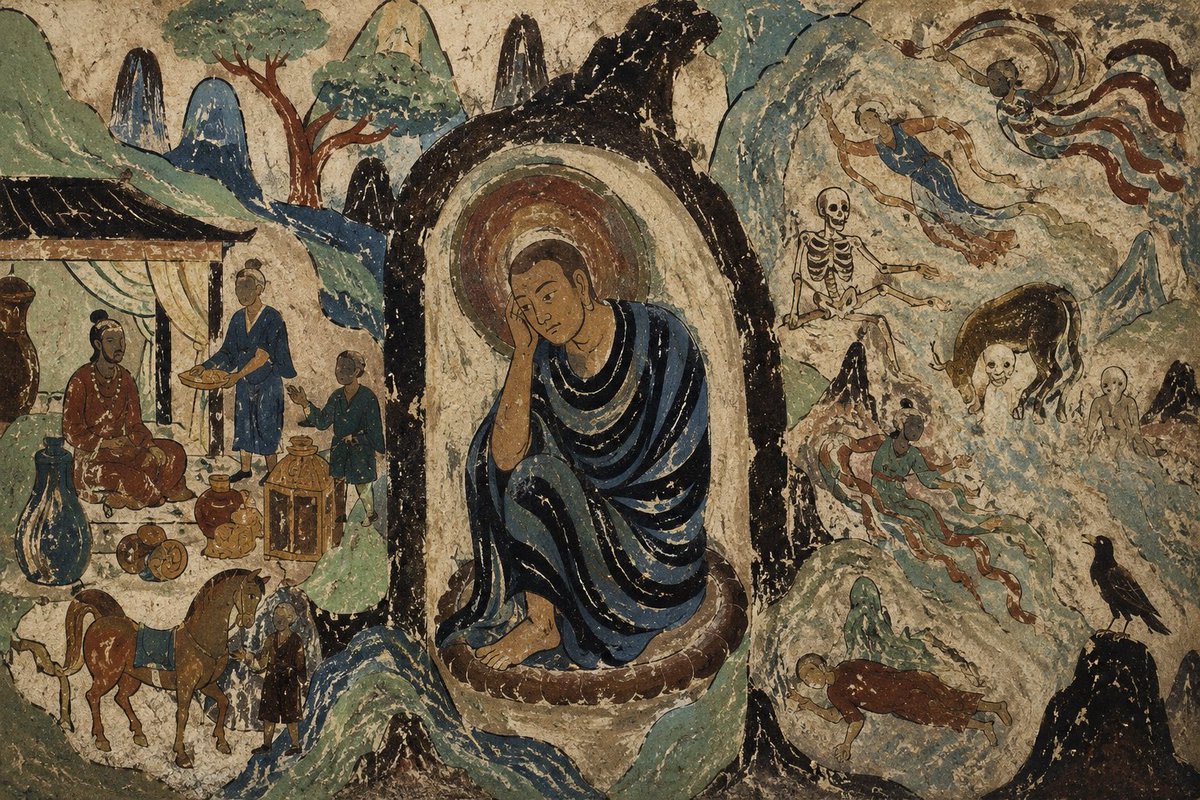
Panditavagga Verse 77: The man of wisdom should admonish others; he should give advice and should prevent others from doing wrong; such a man is held dear by the good; he is disliked only by the bad.
Dhamma Literati
79 posts

@dhammaliterati
Project to render the Dhamma in AI image. Mistakes are mine. Merits to the pups. “All compounded things are subject to vanish. Strive on with diligence.”


Panditavagga Verse 77: The man of wisdom should admonish others; he should give advice and should prevent others from doing wrong; such a man is held dear by the good; he is disliked only by the bad.


Panditavagga Verse 76: One should follow a man of wisdom who rebukes one for one's faults, as one would follow a guide to some buried treasure. To one who follows such a wise man, it will be an advantage and not a disadvantage.


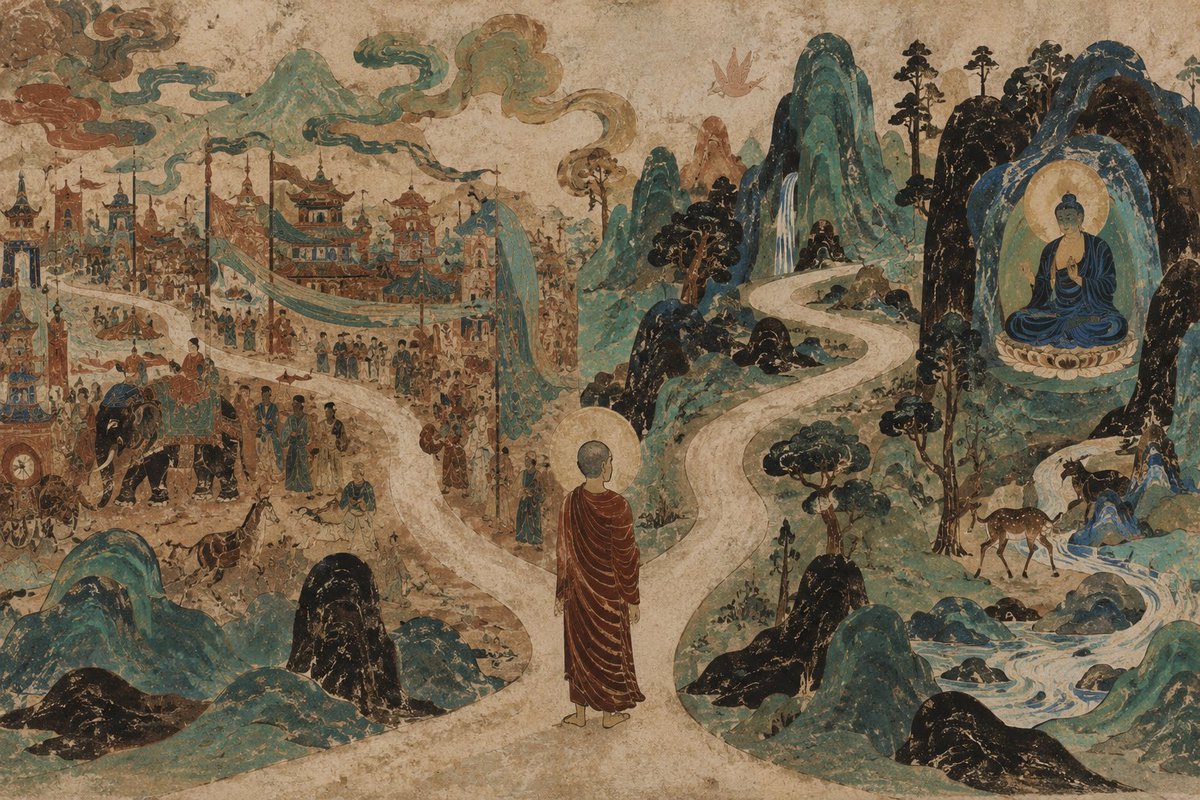
Balavagga Verse 75: The path that leads to worldly gain is one & the Path that leads to Nibbana is another. The bhikkhu, the disciple of the Buddha, should not take delight in worldly gain & honour, but devote himself to solitude, detachment & the realization of Nibbana.


Balavagga Verse 74: “Let both laymen and bhikkhus think that things are done because of me; let them obey me in all matters, great and small.” Such being the thoughts of the fool, his greed and his pride grow.


Balavagga Verse 73: The foolish bhikkhu desires praise for qualities he does not have, precedence among bhikkhus, authority in the monasteries, and veneration from those unrelated to him.


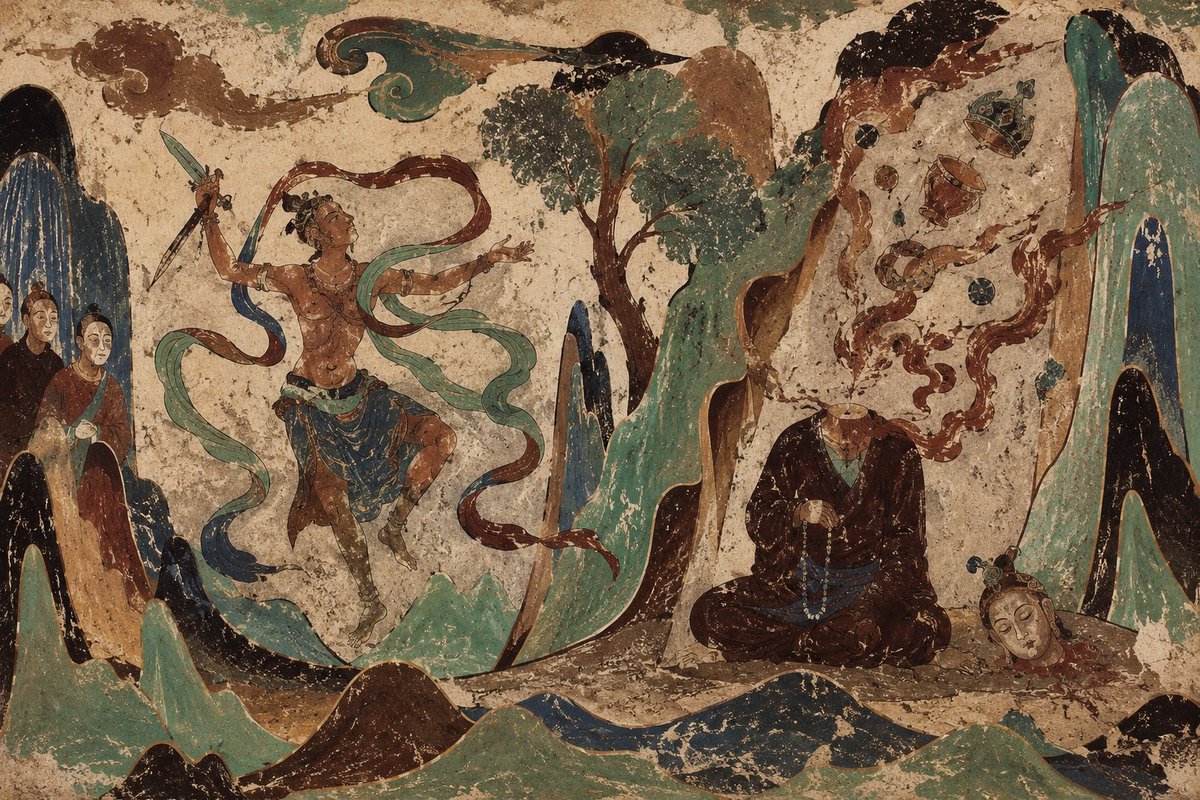
Balavagga Verse 72: The skill of a fool can only harm him; it destroys his merit and his wisdom (lit., it severs his head).


Balavagga Verse 71: An evil deed does not immediately bear fruit, just as the newly-drawn milk does not curdle at once; but it follows the fool burning him like live coal covered with ashes.


Balavagga Verse 70: Even though, month after month, the fool (living in austerity) takes his food sparingly with the tip of a grass blade, he is not worth even one-sixteenth part of those who have comprehended the Truth (i.e., the ariyas)


Balavagga Verse 69: As long as the evil deed does not bear fruit, the fool thinks it is sweet like honey; but when his evil deed does bear fruit, the fool suffers for it.


Balavagga Verse 68: That deed is well done if one has not to repent for having done it, and if one is delightful and happy with the result of that deed.


Balavagga Verse 67: That deed is not well done, if one has to repent for having done it, and if, with a tearful face, one has to weep as a result of that deed.


Balavagga Verse 66: With themselves as their own enemies, fools lacking in intelligence, move about doing evil deeds, which bear bitter fruits.


Balavagga Verse 65: An intelligent man, even though he is associated with a wise man only for a moment, quickly understands the Dhamma, just as the tongue knows the taste of soup.


Balavagga Verse 64: A fool, even though he is associated with a wise man all his life, does not understand the Dhamma, just as a ladle does not know the taste of soup.


Balavagga Verse 63: The fool who knows that he is a fool can, for that reason, be a wise man; but the fool who thinks that he is wise is, indeed, called a fool.


Balavagga Verse 62: “I have sons, I have wealth”; with this (feeling of attachment) the fool is afflicted. Indeed, he himself is not his own, how can sons and wealth be his?


Balavagga Verse 61: If a person seeking a companion cannot find one who is better than or equal to him, let him resolutely go on alone; there can be no companionship with a fool.


Balavagga Verse 60: Long is the night to one who is wakeful; long is (the journey of) one yojana to the traveller who is tired; long is samsara (round of rebirths) to the fool, who is ignorant of the true Dhamma (the Teaching of the Buddha).


Pupphavagga Verses 58 - 59: As a sweet-smelling and beautiful lotus flower may grow upon a heap of rubbish thrown on the highway, so also, out of the rubbish heap of beings may appear a disciple of the Buddha, who with his wisdom shines forth far above the ignorant worldlings.


Pupphavagga Verse 57: Mara cannot find the path taken by those who are endowed with virtue, who live mindfully and have been freed from moral defilements by Right Knowledge.