
Samuel Andruszkiewicz
8.5K posts

Samuel Andruszkiewicz
@digitalAU
yaps in human shape
Bozeman, MT Katılım Kasım 2010
1.8K Takip Edilen494 Takipçiler

And we wonder how the AI will treat us.
Sabri Amca@SabriAmca1453
🟥 Engelli kuşunun gökyüzünün tadını yeniden çıkarabilmesi için kabinli küçük bir drone yaptı.
English

🟥 Engelli kuşunun gökyüzünün tadını yeniden çıkarabilmesi için kabinli küçük bir drone yaptı.
Türkçe

There's an UNBELIEVABLE use case for regional trips in the US that will decimate air travel and buses.
Fully autonomous Tesla Robovans outfitted as long-haul first-class "buses".
These would run routes similar to Amtrak or Greyhounds, but with First-Class-like comfort, amenities, and space.
The price per seat of these can be the same as a bus, but FAR more comfortable and FAR more luxurious.
Can obviously optimize the interior for the best configuration but MAN. This would absolutely KILL.

English
@brookejlacey @Bencera Yeah, I went and tried it. It’s a piece of shit.
English

@Bencera my brother in christ for all we know those are AI generated user testimonials - why would they be anything else since you say literally everything is done by AI? they could be paid actors. fake testimonials cannot be why you raised $30m right? RIGHT??
English
A $30M Series A. The About page autoplays the actual instrumental of Daft Punk's "Giorgio by Moroder" with Moroder's vocals AI-stripped from the track. Not a reimagining. Not "inspired by." The real song, vocals removed looping on the page in the background while you read.
The words on that page mirror Moroder's opening monologue beat by beat. like letter-precise transposition. he cast himself in the Moroder role- He scored his own founder bio to a copyrighted Sony track he ran through stem separation which is, incidentally, the same category of tool his platform sits in.
I spent a weekend trying to decide whether to read this as elaborate performance art or as the most expensive sony copyright violation in startup history. Either way, it's the about page of a $30M company.
The announcement video pinned to the round contains literally zero product. No dashboard. No demo. No metric. No customer. Just diatom thumbnails and pixel art "lonely AI" and stock footage of children silhouetted on beaches at sunset.
The ARR claim has 14x'd in 90 days. 🤡 $709K on Mixergy → $3M on the True Ventures blog → "approaching $10M" in the announcement. 2.7-star Trustpilot. The math doesn't math.
And then the founder, on his own announcement post on X, in reply to someone asking what the $30M is actually for: "mostly AI compute and marketing tbh. And also hire the best marketing agencies to help to the next marketing stunts."
The next. Marketing. Stunts. He said it in writing. With "next" doing the work of admitting that the previous ones were stunts too. The mask isn't slipping down his face he took it off and is holding it.
I don't actually care if my brother in Christ here gets called out. I care that this is now the precedent.
If a $30M round closes on this in 2026, the next ten companies of this shape are much easier to fund. Which means every founder who is actually shipping something real, who is grinding through compliance, who is in their inbox at 3am answering customer emails (unlike my guy here), just got handed a version of the AI startup category that they have to compete with for capital and attention and air.
The receipts of "aisloP" BS have been sitting on the marketing surface the entire time. Nobody hid anything.
So what do we do when the dishonest version is louder than the honest one?
Ben Cera@Bencera
Will I be the first one-person billion-dollar company? I don't care. My goal is to be the first one-person company to help a billion people get into the new AI economy. That's Polsia. Fun talking through it with the extremely talented @willsclips_ on his behind-the-scenes documentary.
English


Jonathan Demme’s career is so fascinating to me because what do you mean the guy directed Columbo episode, one of the greatest concert movies of all time and The Silence of the Lambs
English
@BillHuntBits That’s how I saw it in Australia for some reason
English
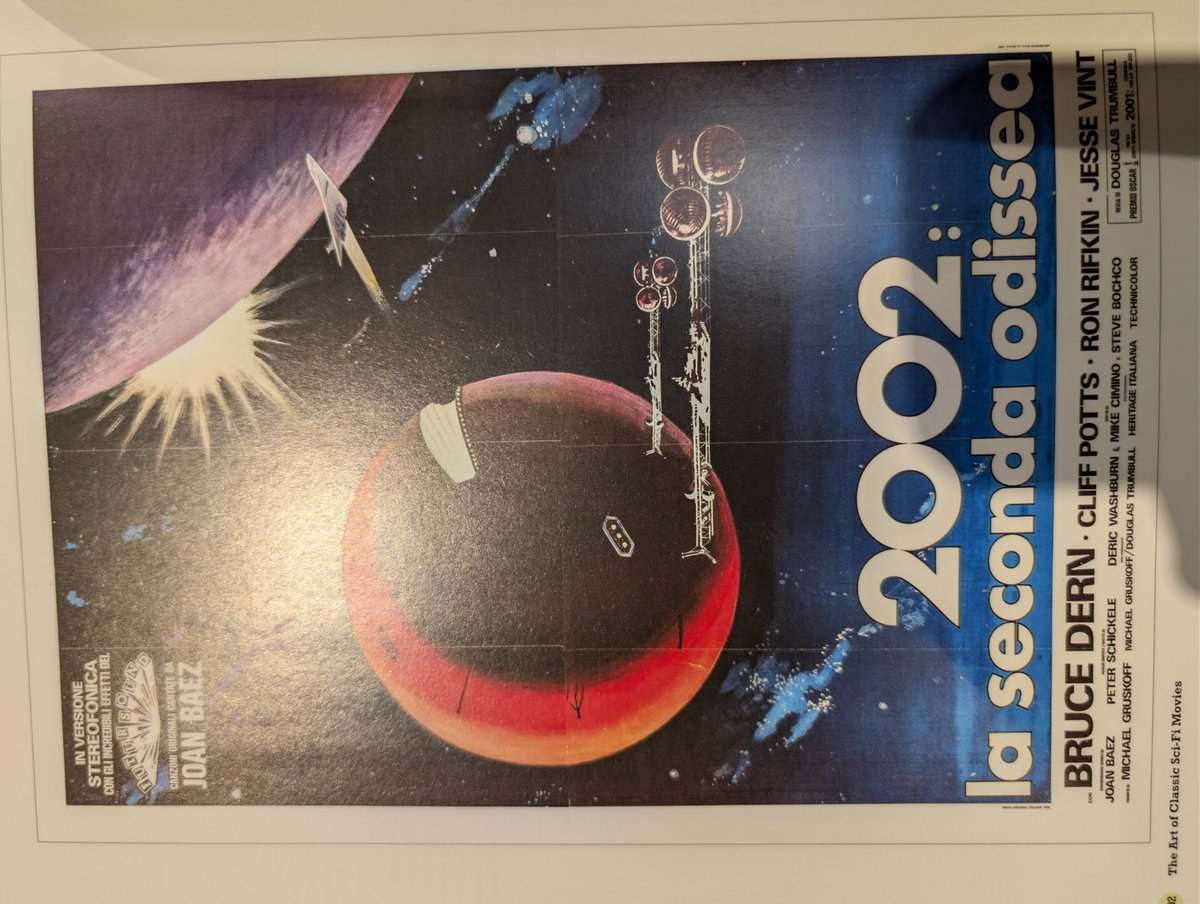


@AdityasArifian1 @BillyKryzak To me, it’s more like tourists. Have you ever seen people in Yellowstone?
English

@digitalAU @BillyKryzak true, they behave like orca in the wild
curious, but never see us as equal or threat
English

DOW Drop 2 UAP files SUPERCUT
Cut out all the dead space and video that drags on.
There is wheat in the chaff here. Definitely some chaff, but there are a couple bangers that i'll dig into soon.
English
@andruyeung Montana is good 👍 bring your own starlink and you can go anywhere
English

Looking for recs.
Remote, distraction-free destinations to do a “think week.” Want to immerse myself in reading, writing, and creative thinking.
Has anyone done this before? Where did you go?


English

🚨 HOLY CRAP — This one is WILD @timburchett
DOW-UAP-PR051 “Syrian UAP instant acceleration” [2021] [CENTCOM]
MQ-9 Reaper drone gets a weapons-quality lock on the object near the Jordan-Syria border.
Then it does instantaneous acceleration + abrupt direction change — one of the classic “five observables” that still blows minds.
No visible propulsion. No conventional explanation.
This is official military sensor footage, just dropped today in PURSUE Release 02.
Full video & report here:
#DOW-UAP-PR051-Syrian-UAP-instant-acceleration" target="_blank" rel="nofollow noopener">war.gov/ufo/?releaseDa…
#UAP #UFO #Disclosure #PURSUE
English
@DiscussingFilm Ummmm, The Blair Witch Project and Paranormal activity blew that out of the water, almost $200 million box office each, with less than $100k budget.
English

‘OBSESSION’ may become one of the only films in history to earn $100M+ on a budget of less than $1M.
The film is expected to earn more this weekend than it did in its opening weekend, a rare feat.


English

@chrisfirst A true world model. Smart as hell! Can’t wait for the full version
English
Google shipped a different category of tool this week.
It truly is Nano Banana for video.
PS: The original video had no sound
English

If Christopher Nolan has never used a smartphone then who have I been exchanging tasteful nudes with
English
what a strange position apple must be in right now watching ppl retrofit core experiences on top of their operating systems, from computer use to reimagined home screen dynamics like what we are doing on the iphone.
the demand is clearly obvious & maybe the future is too. but imagine being the platform owner & seeing the fundamental grammar of how computers & phones work get rewritten on your own surfaces, with such speed & ruthlessness that the os itself starts to feel incidental to what people actually want from it.
e.g. i no longer use computers in the same way after tools like claude code & codex & i no longer use my iphone apps in the same fashion either for the most part.
English