
Sabitlenmiş Tweet
Dim Niko
502 posts


Dim Niko
@dim_niko_
Aussie buying companies across Africa and (hopefully) living to tell the tale. I post about it once a day. Former agency + supercar club founder - in recovery.
Cape Town, South Africa Katılım Aralık 2017
160 Takip Edilen512 Takipçiler
@willempet Why don’t you show the line items on this bill so we can see what they’re paying for?
English

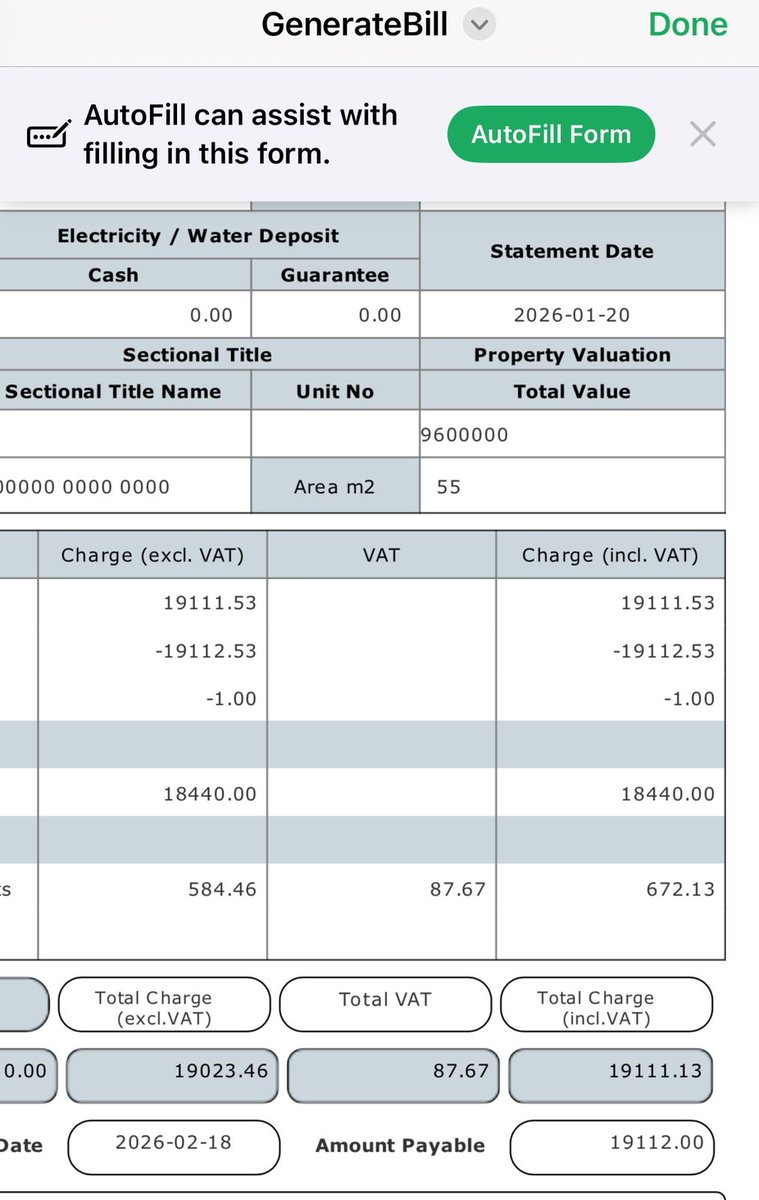
Here's another receipt for you Dean:
55m2 flat.
R9.6M value (according to municipality).
R18440 per month rates and taxes ex VAT.
Do you guys really believe this is sustainable?
Dean Macpherson MP@DeanMacpherson
You forgot to mention the house is worth R50 million and in Bishopscourt.
English

Can other organisations in South Africa have their own military wings, or does that right only extend to the ANC?
Asking for research purposes.
English
Reasons you need a board of directors for your business buying journey:
1. It's a legitimate life power-up (I was wrongly arrested and thrown into a South African jail a few months ago - and my famous board lawyer was the first call I made).
2. Other people's credibility is even more valuable than other peoples money
3. Other people's credibility helps you GET other people's money
4. A board gives you institutional-level credibility
5. Institutional-level credibility opens golden doors for you and your company.
6. It mitigates the "first time buyer" risk for both the seller, and the banks
7. There is adult supervision in the room - because let's face it, you have no idea what you're doing (this is business-buying for dummies).
8. Technical mastery - you're guided, operationally, by the very best, when it comes to the real part - running the business after you buy it.
And you do not have to pay your board members cash upfront. They get equity, and are co-founders/partners in your venture.
What could you achieve with 6 new business partners and mentors, who are at the very top of their field?
English
Which industry should I choose when buying my first business?
That's a question I've been asked a few times now, and the answer (no, I'm not copping out here...) is, it depends...
Let me explain...
To first cut to the chase, there are a few key characteristics of an industry that are important, no matter what. The number one is are there plentiful sellers, and are they motivated?
You need to be working in an industry where there is an aging cohort, with little acquisition competition. If many of the business owners are old, a lot will want (or better yet, need) to sell. That's not the whole piece though. There's no use in being in a market with a lot of sellers, if there are a lot of buyers.
The last thing you want is to be in a position where there are multiple bids on every business you are trying to buy. As soon as there's any real buy side competition, the game becomes very tricky, and you need to set yourself apart in ways other than what you are offering financially - not an easy feat, especially if it's your first deal.
You see this a lot when considering industries that private equity have sunk their teeth into. Sure, exit multiples may sound exciting, but what about your entry?
I learned this the hard way in the vet industry. It's a small industry here, and there are a few key players/consolidators. So at the first thought of selling, the business owner would just speak to all of us consolidators and get an offer from each. Immediately, a seller that may have been motivated, now has options, which makes it hard to get a great deal.
Secondary to this, you ideally want to work in an industry where it is easier to fund the acquisitions. This simply comes down to risk. Assets are a nice to have, such as in industrial businesses, as the banks have some security against their debt, giving them some comfort. But you don't need assets. "Airball" businesses like healthcare (veterinary, GP, specialist medicine, etc) have no assets (hence the name "airball"), but they're unsexy and stable. If you google the failure rate of a veterinary clinic, you will quickly see why the banks are so comfortable lending there, despite the lack of hard assets.
When you consider this, you will understand why I did not go into e-commerce/online business acquisitions. There are few motivated sellers, zero hard assets, and inconsistent/high-risk revenues. A disaster recipe for m&a and the reason why most owner-operated ecom businesses only really end up fetching 2-3X multiples.
So, to summarise, a good industry:
1. Has a lot of motivated sellers
2. Has few buyers
3. Has assets in the business
4. Has predictable revenues
You don't need all of them, but you do need a combination of the above.
'Til tomorrow.
Dim Niko
English
LOOKING FOR INTERVIEW GUESTS:
Requirements:
1. Must have acquired at least one business in the past
2. Must be actively working on further acquisitions
Will be having a curiosity driven conversation with these people, because I want to learn from them. And then the conversation will be published in podcast format.
Please tag anyone who know who may be keen and fits the bill 👇
English
How to recruit a World-Class Advisory Board (even if you have zero track record).
Most people think heavy-hitters won't talk to them. "I'm a nobody. Why would a CEO work with me?"
This is a limiting belief. I built a board of industry titans when I knew absolutely ZERO about buying businesses.
Here is the psychology of how to land them: 🧵
English