
diarrhEA Sports retweetledi
diarrhEA Sports
6.4K posts


@FriedgeHNIC Meanwhile Dubas has the Pens competitive again
English

Toronto is making a change at the GM position
Let go of Brad Treliving tonight
English


@Cole73James @rabbriansamuel Daniel. 9:25 says: 'from the going forth of the word to restore & rebuild Jerusalem...'
That word came from Cyrus before it did Artaxerxes. He authorized the return from exile & the rebuilding of the Temple. Cyrus' decree ended the desolations of Jeremiah's 70 years (Dan 9:2)


English
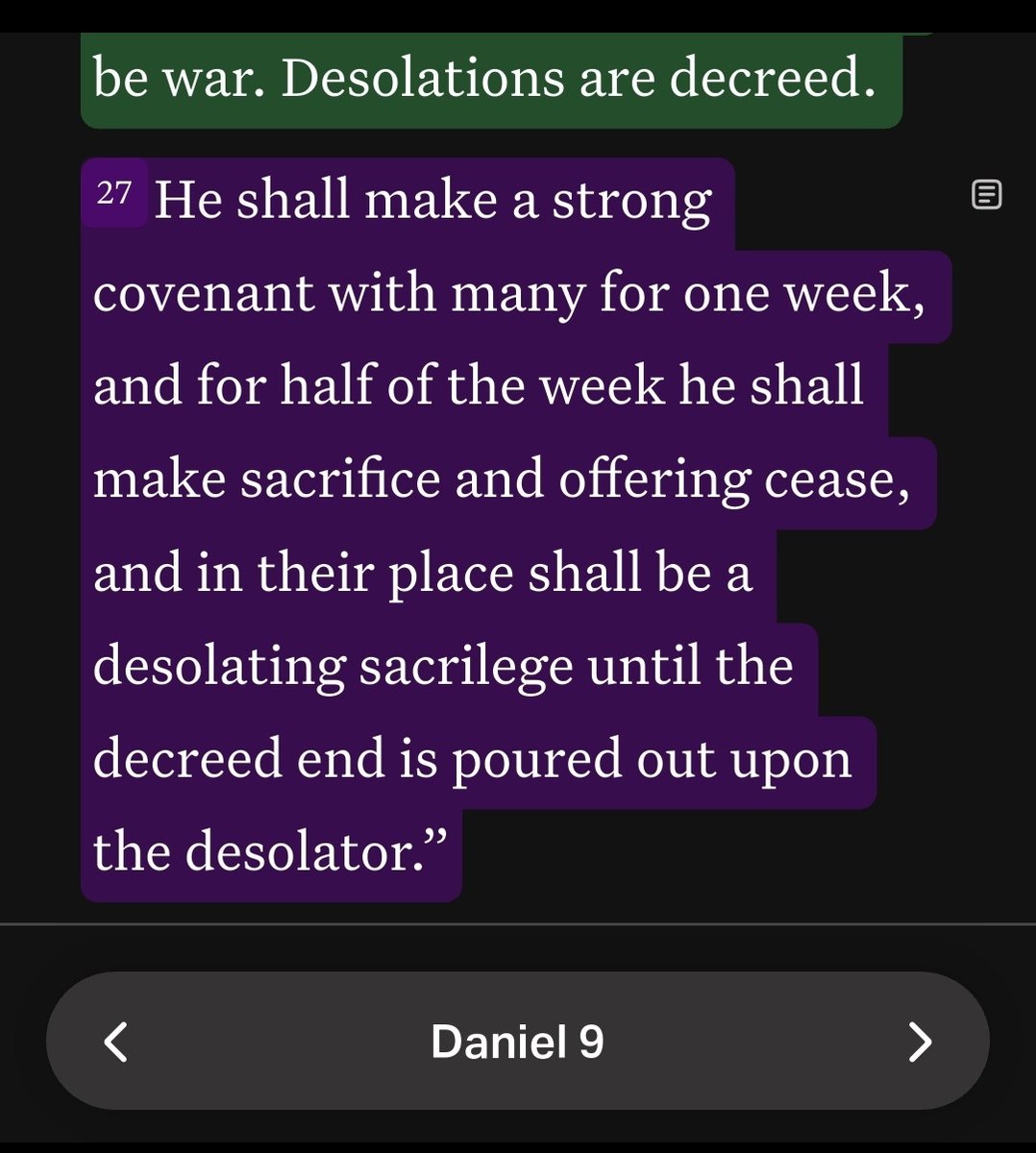
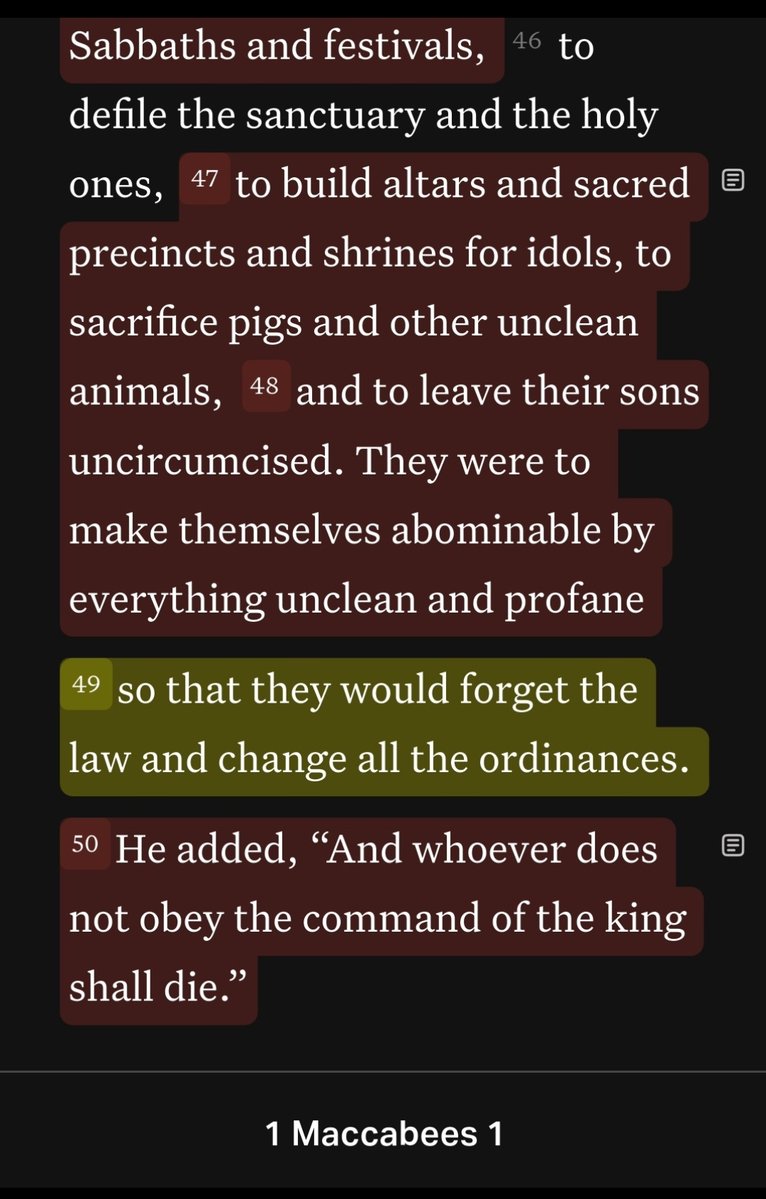
@Cole73James @rabbriansamuel "Desolations are decreed" (Daniel 9:26)
What decree?
-> Maccabeas 1:41-54
Maccabeas is not scripture, but its an important historical piece that reveals Daniel's context when read alongside imo


English

What Scriptures led me, a Jew, to believe that Jesus is the Messiah?
Part 3
Zechariah 13:1:
On that day a fountain will be opened for the house of David and for the inhabitants of Jerusalem, for sin and for defilement.
This clearly points to the beginning of the Messianic age.
What stands out immediately is that it begins with national forgiveness.
So what brings about this moment of repentance and atonement?
Zechariah 12:10:
…that they will look to Me concerning whom they pierced; and they will mourn for him, like one mourning for an only son…
There is well-known rabbinic discussion about the identity of the one who is pierced. Some interpret this as referring to those killed in an end-times war. Others associate it with Messiah ben Joseph, a figure said to die in battle.
But regardless of how that debate is resolved, the larger point remains unmistakable: the Messianic era begins with the Jewish people mourning over the death of someone.
That theme is not often emphasized in traditional Jewish teaching.
Yet it aligns directly with the Gospel account, where Yeshua is the one who was pierced.
The progression in Zechariah is clear:
1. They look upon the one that was pierced
2. They mourn (repent)
3. They are forgiven nationally
4. The Messianic era begins
English
@Cole73James @rabbriansamuel Messiah ben Joseph is an extra biblical fringe Rabbinic view that emerged after Simon Bar Kokhba's failed revolt. Its not about Jesus
Messiah ben Joseph is also an endtime precursor to the ben David who fights in Gog & Magog
Jesus isn't the Messiah ben Joseph either
English

@dingoatembabi23 @rabbriansamuel Even as Joseph’s brothers
didn’t recognize him
until he revealed himself,
Neither will 12 tribes of 🇮🇱recognize Mashiach Ben Joseph until
Mashiach Ben David
shows up & shows He’s also
Mashiach Ben Joseph.
& they’ll weep together
& then rejoice together
& He’ll live in your sight.

English
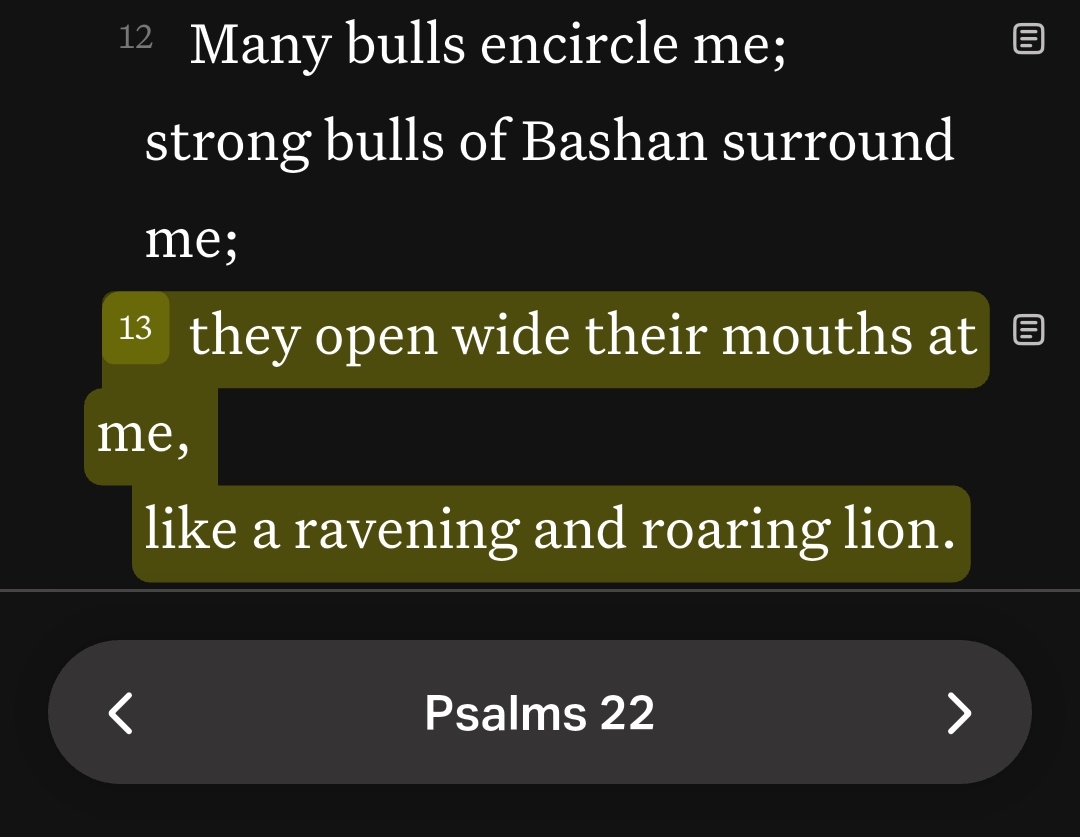
@Cole73James @rabbriansamuel It's either "like a lion" or "dug" based on the Hebrew. Not "peirced". Either way, it's not a clear crucifixion imagery
Casting lots for garments (22:18) was a common practice when anyone was captured or executed, hardly unique to Jesus
English


@Cole73James @rabbriansamuel I don't think "like a lion at my hands & feet" is awkward at all within the context of poetic lamentation
The "lion at my hands & feet" clearly refer to the lion's mouth metaphorically biting David's hands & feet
Not nails & a cross

English
@Cole73James @rabbriansamuel It looks very similar to "ka'ari" ("like a lion"), which fits context of David surrounded by his enemies (dogs, bulls, lions)
Scribes could have easily extended a yod (i) into a vav (u). We know there are other scribal errors in the text
The "pierced" is interpretive
English



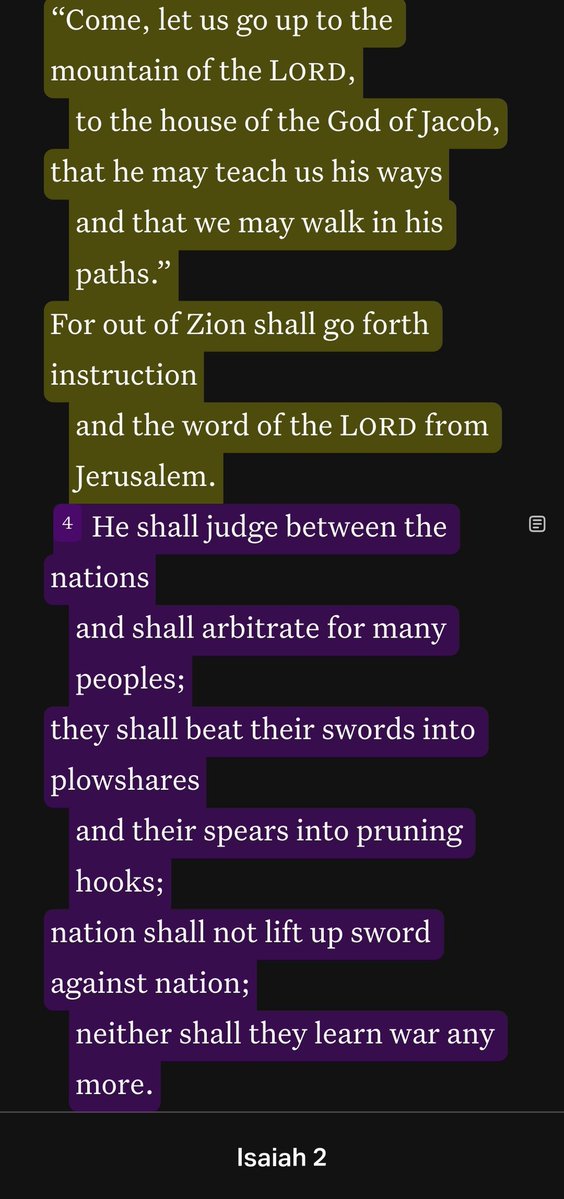
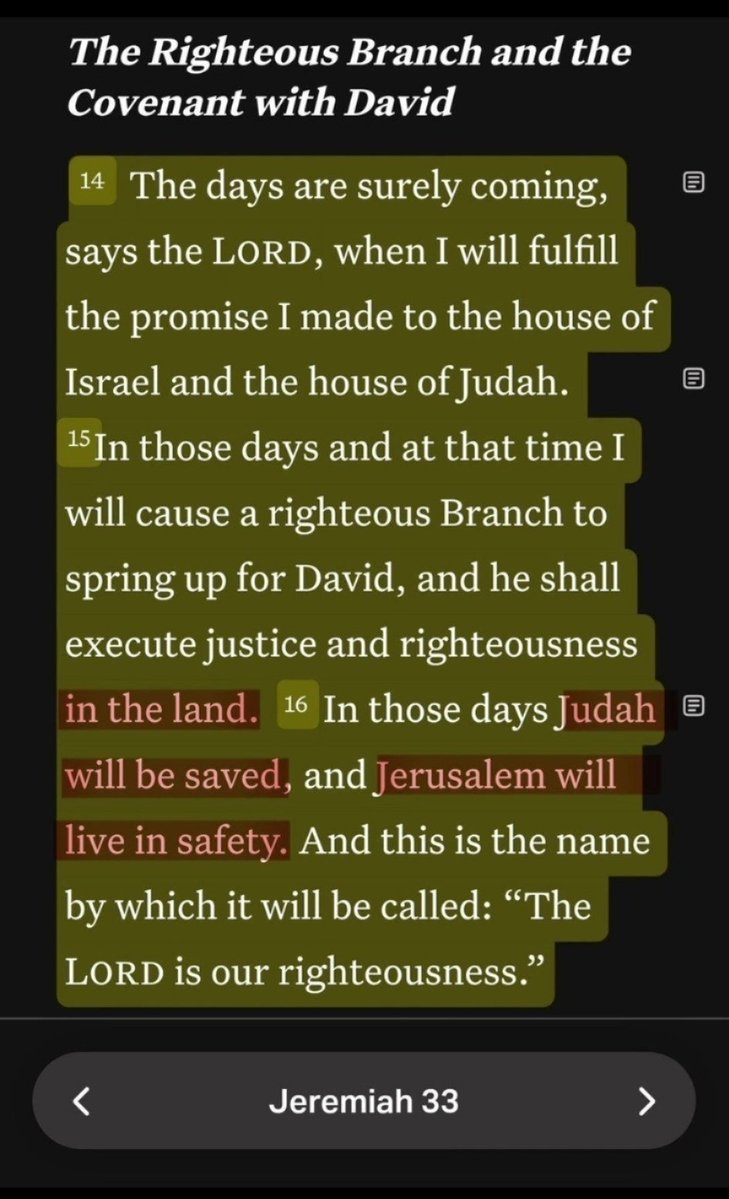
@23wjohnston @darwintojesus Peace between the nations is one that remains unfulfilled
Anyone can ride a donkey. Doesn't make them the Messiah


English

@dingoatembabi23 @darwintojesus In your opinion….what wasn’t fulfilled?
English
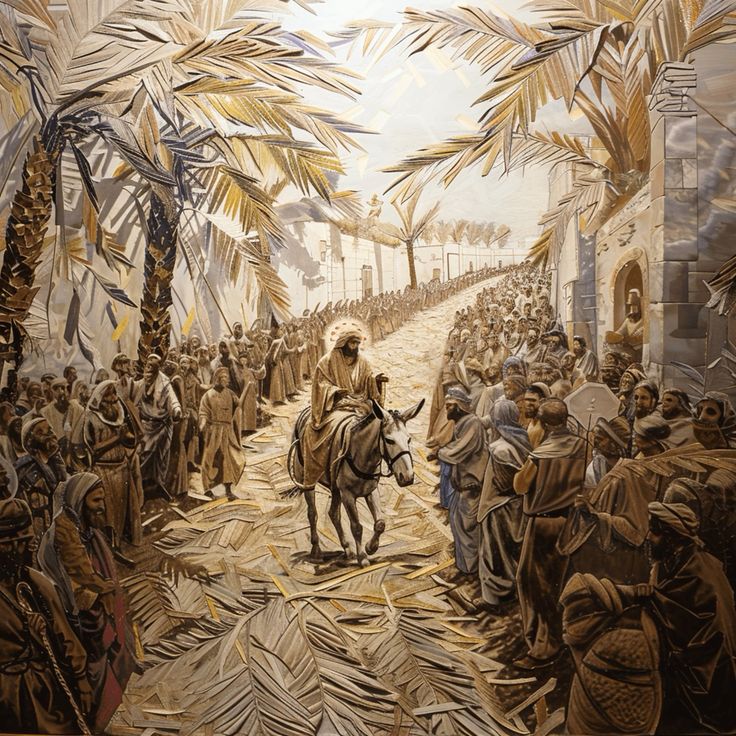
I find it fascinating that Christ entered Jerusalem on a donkey instead of some majestic animal, but that's how He was, always humble.
He was born in a manger, then he worked as a carpenter until beginning His ministry, and then He died in one of the most humiliating and low ways imaginable. Why would a man like this say that He was God?
Because it's the truth.
English
@Yoyo54845612 @rabbriansamuel Yes. John is attempting to link Jesus to the Passover Lamb in Exodus 12. Some say its a reference to Psalm 34, but I don't necessarily agree
John says Jesus is the Lamb of God who takes away the sins of the world. But where did Ex. 12 ever say the Passover Lamb "took away sins"?

English

@dingoatembabi23 @rabbriansamuel Oui. C'est pour ça qu'il est écrit "qu'aucun de ses os ne fut brisé"
Français
@Yoyo54845612 @rabbriansamuel They didn't break Jesus' legs because when the soldiers came to his cross, he was already dead
The legs would be broken to prevent the victim from holding themselves up, leading to asphyxiation
English
@dingoatembabi23 @rabbriansamuel 1) c'est pour ça que le romain vérifie qu'il est mort avec la lance plutôt sur de lui briser les jambes comme c'est la coutume 2) l'éthique et la découverte de Dieu auprès des nations prend du temps plutôt que tomber du ciel avec un roi terrestre guerrier
Français