
Rob D'Ippolito retweetledi

One third of the world’s fertilizer trade transits the Strait of Hormuz. The Strait is closed. Nobody is talking about what happens next to food.
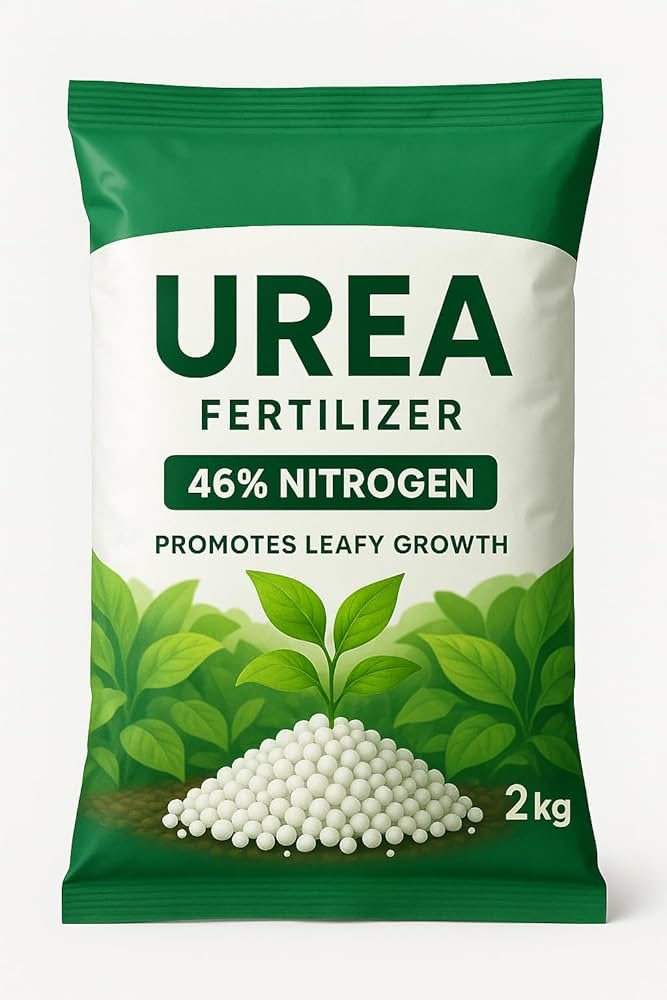
Urea, the nitrogen compound that feeds half the planet’s crops, hit $584.50 per ton on 9 March. Up 29% in eleven days. Up 52% year over year. Pre-war baseline: $470. The NOLA barge price surged to $520-550. DAP, the phosphate fertilizer, jumped to $655 per ton, up $30 in a single week.
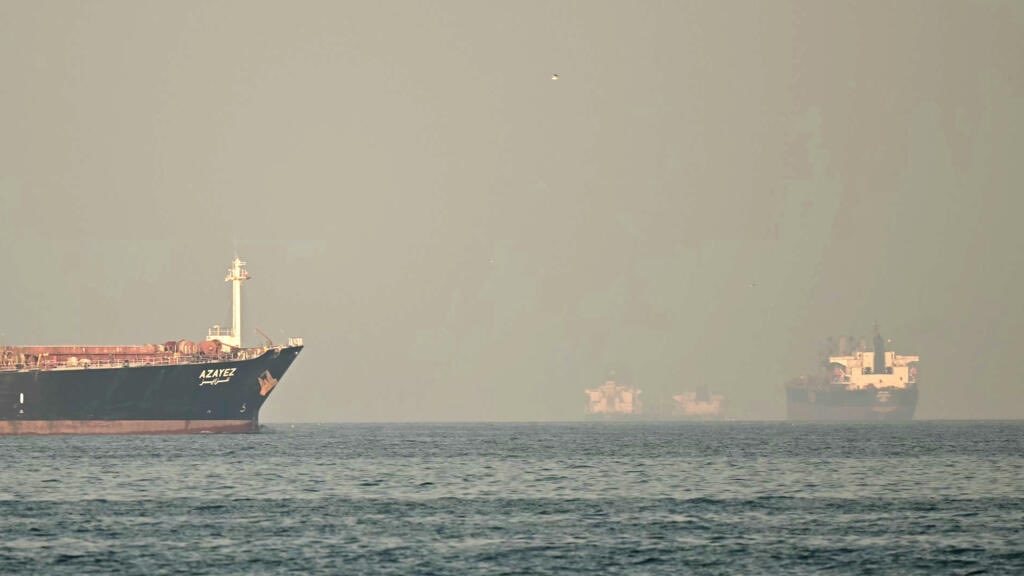
The mechanism is identical to oil. Iran exports 10 to 12% of global urea. That supply is offline. Qatar’s Ras Laffan plant, one of the largest nitrogen facilities on Earth, declared force majeure on 2 March after halting production. The Gulf and Middle East account for 34 to 50% of all globally traded urea and 25 to 35% of total nitrogen fertilizer trade by volume. Hormuz shipping has collapsed 70 to 75%. The same seven P&I clubs that cancelled maritime war-risk coverage for oil tankers cancelled it for fertilizer carriers. The same Solvency II calculation. The same 31 autonomous IRGC commands that no insurer can model. The same 12-to-24-month reinstatement timeline.
The fertilizer does not move because the ships cannot be insured. The ships cannot be insured because the actuaries cannot price 31 independent threat actors. The fertilizer that does not move does not reach the soil. The soil that does not receive nitrogen does not produce grain. The grain that is not produced raises the price of bread in Cairo, Lagos, Dhaka, and Jakarta.
India imports over 40% of its urea from the Middle East. That supply has been cut. The Fertiliser Ministry invoked emergency powers on 5 March and ordered all domestic refiners to maximise output by diverting propane and butane. Petronet LNG declared force majeure on Qatari imports, slashing the gas feedstock that Indian fertilizer plants need to produce domestically. India is losing both imported fertilizer and the gas required to make its own. Spring planting season peaks in March and April. The window does not wait.
The World Bank’s calibrated model estimates that every 1% rise in fertilizer prices transmits a 0.45% rise in food commodity prices. Urea is up 29% in eleven days. The FAO Food Price Index reached 125.3 in February, up 0.9% from January, the highest in four months, and that was before the full Hormuz shutdown registered in the data. The March and April readings will capture the transmission. By the time the numbers are published, the planting window will have closed.
The oil crisis is priced. Brent swung from $119.50 to $91.88 and every trading desk on Earth recalculated. The fertilizer crisis is invisible. It moves slower. It hits harder. And it arrives not as a price on a Bloomberg terminal but as a yield collapse in fields across South Asia and Sub-Saharan Africa where subsistence farmers have never heard of Solvency II but will pay its price in hunger.
The Strait carries oil. The oil makes headlines. The Strait also carries nitrogen. The nitrogen makes food. And the food is not coming.
Full analysis on Substack!
open.substack.com/pub/shanakaans…
English