

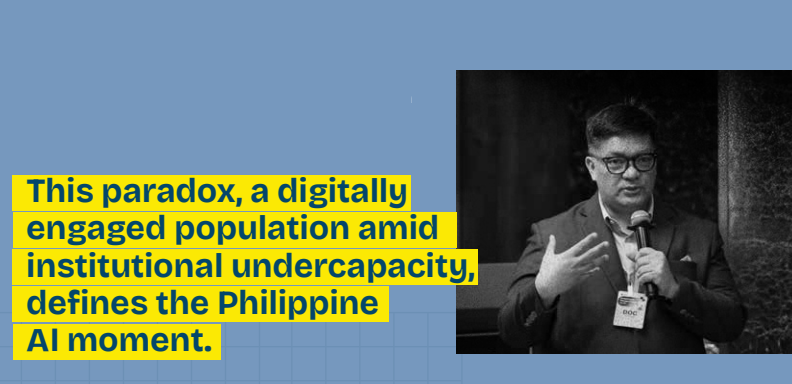
We Don’t Have an AI Problem. We Have a Policy Problem Most AI policy is written from the top down. AI itself is not. People are already using it, students, workers, small businesses, and communities. The challenge is no longer adoption. It is whether policy reflects real life. That is why we chose a bottom-up approach, built on four pillars: Education, Engineering, Enforcement, and Ethics. Read our report: kas.de/documents/2751… Education matters because people are using AI faster than they are being taught how it works. Teachers need training. Families need inclusion. Literacy must be practical and shared early. Engineering reminds us that AI depends on power, data, and connectivity. Without strong foundations, communities stay dependent on systems they do not control. Engineering policy is about building capacity, not just tools. Enforcement showed us that fear-based rules fail. When laws are slow or overly punitive, AI use simply goes underground. Smart enforcement guides, adapts, and builds trust. Ethics ties it all together. Ethics is protection. Without it, AI can spread misinformation, deepen inequality, and harm the most vulnerable. Ethics must live inside institutions, not just words. The message is clear: policy must meet practice. If AI is being built from the ground up, governance must follow. It is time to finally marry policy with practicality. Download the report: researchgate.net/publication/40…