

Dollar Commerce
737 posts

Dollar Commerce
@dollarcommerce
Top writers, operators and voices in e-commerce 😎
London, UK Katılım Temmuz 2024
1K Takip Edilen487 Takipçiler

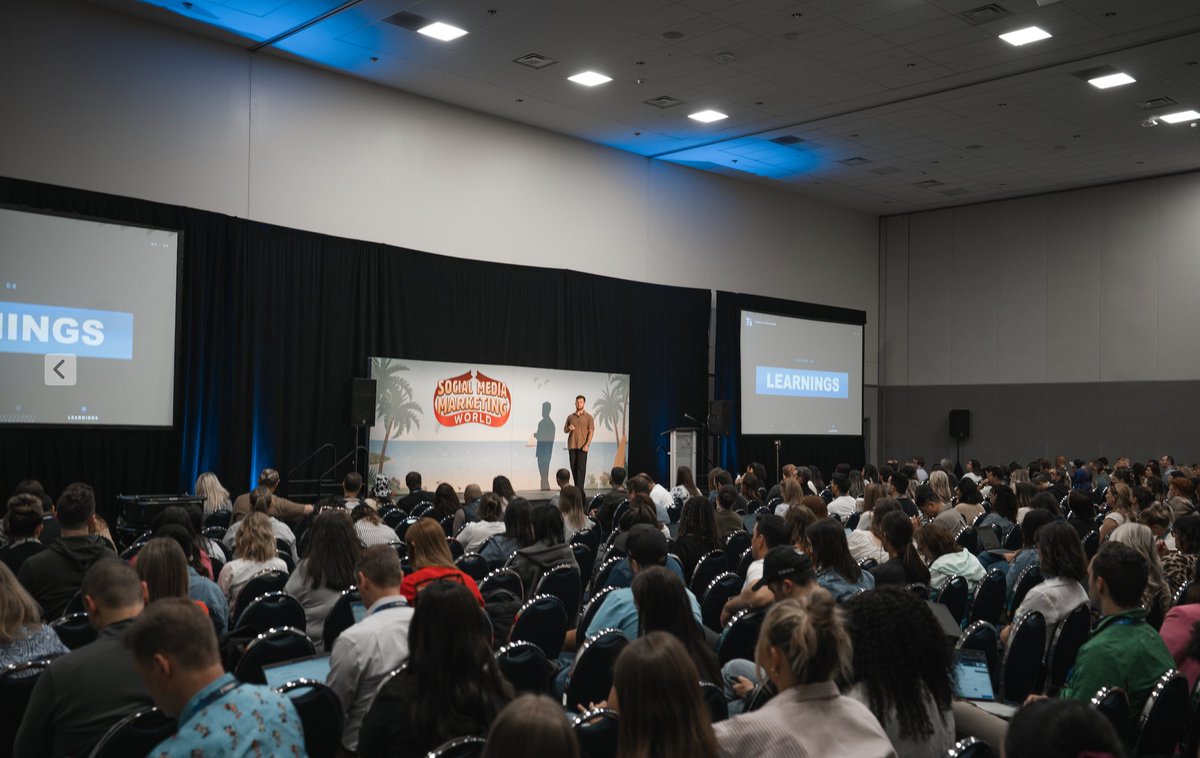
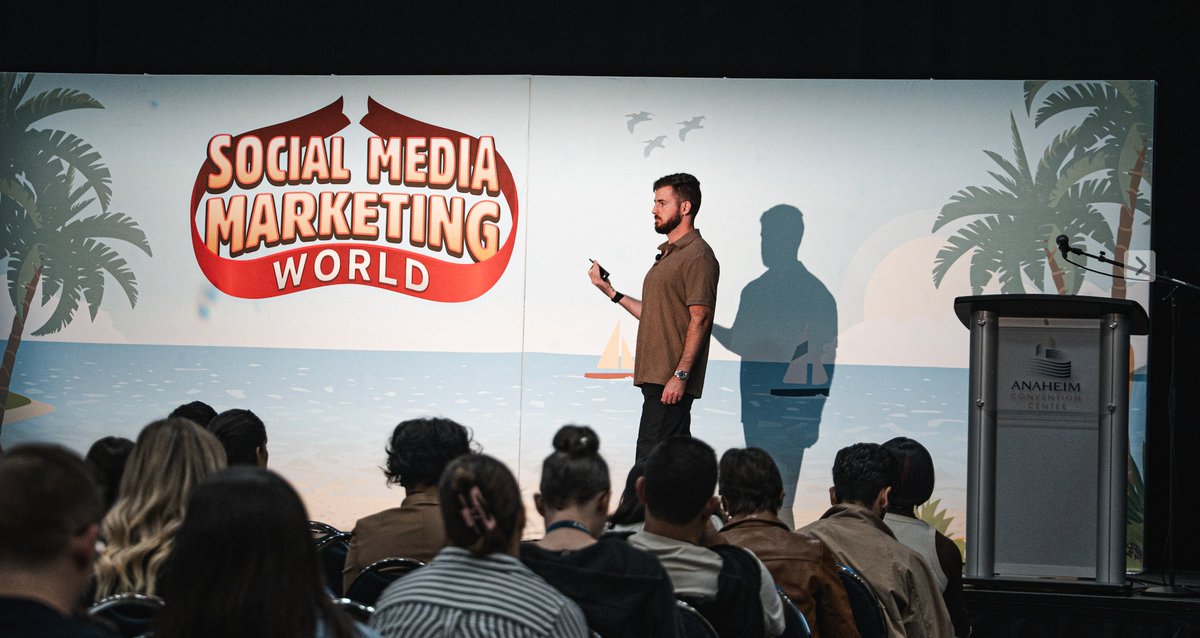

you can now create and edit meta ad campaigns by talking to chatgpt or claude
meta just launched the Meta Ads AI Connectors in open beta
connect your ad account to your ai agent, and you can build campaigns, edit ad sets, and launch ads using natural language.
the connector uses meta's mcp (model context protocol) server to give your ai agent authenticated, real-time access to your full account.
once connected, your ai agent can actually see your data and take action
you can ask it to do
🔵comprehensive reporting — pull detailed performance breakdowns via conversation
🔵campaign management —create or edit campaigns using natural language
🔵catalog management — create catalogs, add products, troubleshoot feed issues
🔵signal diagnostics — check your pixel and capi health in seconds
setup takes minutes, it requires zero coding or developer tokens to set up, guide below
mcp is an open standard, we're building for interoperability, letting you use your preferred ai tools to manage your campaigns

English


Extremely fortunate to have had @benjamin_cogan write a guest feature for Dollar Commerce last week, and sharing his thoughts on Deep Research with the DC community! More guests to come :)

English
Is AppLovin worth the hype?
There's a lot of heat about AppLovin's ability to target TOF users as effectively as Meta, and at scale. Numerous MMM platforms have tried testing the incrementality, and interestingly have seen some positive results...is it sustainable??
English
#1: Twelve Days of Commerce
As my Twelve Days of Commerce series concludes, I’ve chosen to highlight a business particularly relevant during December’s festive season in London - or any setting with hefty Christmas celebrations.
Despite being a Shark Tank flop-story, Cheers was founded in 2012 by Brooks Powell, who believed Mark Cuban’s skepticism about the product was a misstep. True to his character, and as anyone following him on LinkedIn knows, Brooks isn’t one to dwell on setbacks.
Cheers offers science-backed products designed to support your liver and predominantly aid recovery after drinking. Having diversified their offerings as well as their channels, Cheers has become a truly remarkable story in the consumable space.
If you’ve kept up with Dollar Commerce so far, you’ll know I’m always on the hunt for a venture-backed success story, yet it’s been a challenging feat to find one that balances growth and profit. While some founders treat fundraising as a game, racing to secure the largest raise as their North Star goal (often to sell secondary shares or go public), Cheers has taken a different approach. According to Crunchbase, they’ve raised just $4.05M.
On LinkedIn, Brooks proudly shares that the business is not only profitable but has generated roughly $60M in sales with a revenue mix across retail, Amazon, and direct-to-consumer. I was delighted to learn that Cheers spends $50K–$60K per year on subscription gift boxes for investors, friends, partners, and long-time supporters of the brand. But is this actually a sunk cost? Absolutely not. Link in bio for the full article
@cheershealth_

English
English

#2: Twelve Days of Commerce
Two years and six months. That’s how long we’ve had the privilege of working with Andris Lagsdin, founder of Baking Steel, and a true [pizza]creator in every sense of the word. Andris was among our first few clients at Igloo Media, partnering with us during the company’s earliest days.
Alex and I came into the agency realm, pretty firm that we wanted our directional ethos to dictate the way we operate: agency success hinges on meticulous ad-level management paired with a close, pragmatic alignment to the founder’s bottom line. Andris shared this perspective, which has been instrumental in Baking Steel’s growth, from pioneering steel pizza griddles in the D2C space to becoming a leading resource hub for culinary enthusiasts.
Andris’s energy is infectious and his optimism's inspiring, making his success seem almost secondary to the excitement he gets waking up and making the best pizza in the state of Michigan.
Andris shared his following insights on the initiatives the business has made in 2024: "We created better, more engaging content, stepped up our customer service game, and completely revamped our product packaging to reduce shipping damage and get ready for B2B opportunities. We also added Amazon as a new sales channel, which was a big step for us, while keeping exclusive SKUs on Shopify. In a lot of ways, I feel like we went back to the basics and are preparing ourselves for growth."
I've written a lot about diversification and the emphasis on Amazon or B2B businesses having a strong foundation when hitting efficiency thresholds scaling on D2C, and Andris plans to execute on those new initiatives in 2025.
Could not have hoped for a better candidate for the list, and excited to see how Baking Steel's in-person classes, Zoom calls and Friday Night Pizza Spotlight helps compound the brands social proof as they look to expand in 2025.

English

@dollarcommerce @Abercrombie Killer reminder and info. Bookmarking.
Catalina Foothills, AZ 🇺🇸 English
#3: Twelve Days of Commerce
Does anyone remember Applecrumble & Fish?
Abercrombie and Fitch, once a cultural icon in the early 2000s, was the brand that redefined "cool" for the 13-25 demographic. It was more than just a clothing line - it was a social status symbol (I was a victim of this as well).
But its infamous reputation took a dramatic turn when former CEO Mike Jeffries’ leadership fell under scrutiny following accusations of racial and gender discrimination, alongside a stunning revelation of his involvement in a sex trafficking operation. As White Goodman from Dodgeball elaborates perfectly, Abercrombie went from “cultural icon to a skid-mark on the underpants of society.”
Fast forward to today, and Abercrombie’s strategy has shifted significantly. The brand’s rebranding efforts, including removing its signature overpowering scents from stores, new clothing styles and lifestyle collections as well as embracing digital marketing.
As Elizabeth Segran points out, the brand’s re-entry into consumer consciousness was subtle, relying on influencers and collaborations rather than public spectacle. Abercrombie has ditched fast fashion for high-quality, comfortable collections, transforming itself into a "best-kept secret" in the fashion world.
What about the financials:
- TTM Revenue: $4.81 billion (12% increase from 2023's $4.28B)
- TTM Net Income: $537 million (64% increase from $328M in 2023)
- Net Income as % of Sales: Increased from 8% to 12%
- EBITDA: $901 million
And in the public markets? This is even more impressive!
- Stock Performance: 78% increase in the last 12 months, 799% increase over the last 5 years
- S&P 1500 Ranking: Top performer in 2023, outperforming even NVIDIA (+285%)
Abercrombie’s hybrid strategy, blending its strong retail presence with a booming online platform, has turned it into one of retail’s most impressive comeback stories. As they continue their growth into 2025, this transformation is well worthy of my Christmas roster.

English
#4: Twelve Days of Commerce
Me: “Should we pencil in a team call for Friday?”
Faye: “We don’t work Fridays.”
Me: “Oh, how come?”
Faye: “It’s just our thing.”
Me: [Adds "Implement no-Friday policy" to Monday’s to-do list.]
Today's post is credited to the remarkable Dipsea, an audiobook platform created by Faye Keegan and Gina Gutierrez for women seeking a new journey into sexual wellness. This incredible initiative, built by an amazing team, has developed a business with an operational stack that keeps fixed costs low and scalability front and center.
The response to Dipsea since its inception has been nothing short of excellent. Quinn, their close competitor, and founder Caroline Spiegel (sister of Snap CEO Evan Spiegel), also describes in a NY Times piece that this has become more of a movement than just a service.
Could Dipsea even integrate AI into their tech stack to help generate more stories and audiobooks at scale? With the growing emphasis on telehealth, longevity, and healthtech, driven by incredible founders, I believe Dipsea’s model and business are perfectly poised for a fun 2025 under their new parent company, RevenueCat.
@DipseaStories

English
#5: Twelve Days of Commerce
OnlyFans: Is it the most impressive business to come out of the U.K the last 10 years?
When discussing the birth of the creator era, pinpointing where to give the credit is challenging. The pandemic undoubtedly sparked a new wave of opportunities, from remote work to content creation and unprecedented venture capital behavior stimulated new and exciting tech companies. For many, however, the pandemic brought immense challenges, but with the immense increase in social media consumption, a whole new movement emerged, stimulating a desire, or rather a need, to find ways to make money from home.
OnlyFans capitalized on this shift perfectly. As the saying goes: ‘timing is everything.’
In 2019, the platform generated $267M in GMV, $49M in revenue and retained 12% EBITDA margins at a conservative $6M in the black. In 2020, it experienced explosive growth, with GMV surging 764% to $2B, revenue climbing to $358M and profit increasing to $61M. It was here that the compounding effect of the platform meant that, despite its inability to advertise or form traditional partnerships, it didn’t need to. OnlyFans became the go-to platform for creators to share exclusive content.
By 2023, OnlyFans reached $7B in GMV, $1.3B in revenue, and $658M in profit. Retaining 50% of its revenue as EBITDA is an extraordinary achievement.
While cheaper competitors have emerged, there's no doubt that while they've faced challenges raising capital in the past (now knowing they don't need to), FOMO will lead VC's to fund alternatives in the next few years.
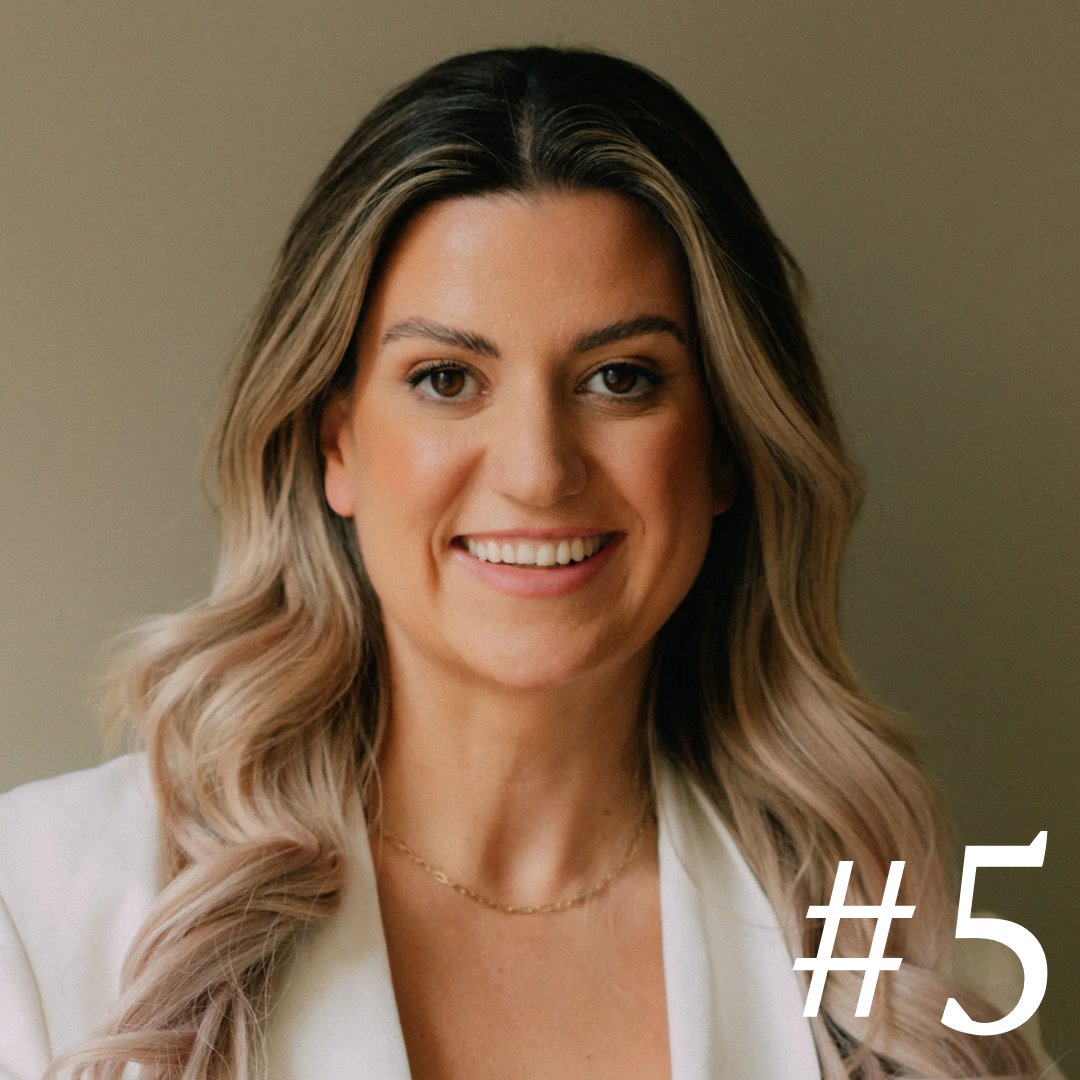
CEO Keily Blair (pictured below) also confirms that an IPO is not on the horizon. OnlyFans (or parent company Fenix Int.) will retain control of their operating income without the pressure of public regulators and additional shareholders.
English
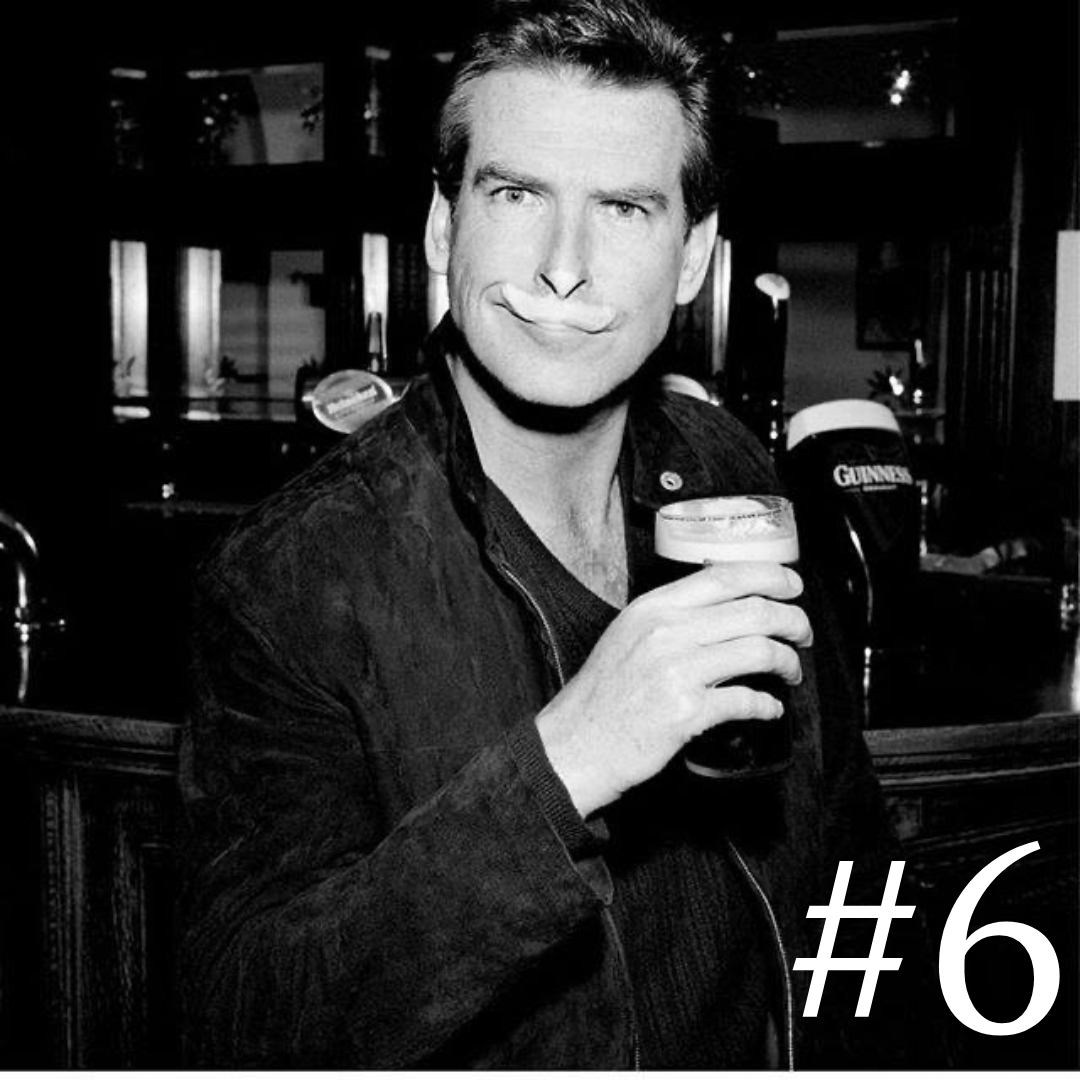
#6: Twelve Days of Commerce
Today, given the nature of New Year's Eve, I thought I'd feature a brand that's a little closer to home. Welcome to number six: Guinness.
In the spirit of Christmas, few things compare to stepping into a 500-year-old pub. Melted candles drip onto stained wooden stalls, Sinatra’s voice echoes softly in the background, and fairy lights edge the corners of the bar-top. In the corner by the fire, an elderly gentleman, seemingly as old as the pub itself, nods off after his eighth pint, while the rest of the room hums with clinking glasses and the lively chants of revelers.
But there’s one key element that completes this winter scene. Enter my number six pick on this year’s Dollar Commerce newsletter: Guinness. Yes, I’ll admit to being a fan of the iconic Irish stout, but Guinness is more than just a pint, it’s a masterclass in branding. As a true benchmark of marketing genius, the Guinness legacy should be admired and hopefully stimulate a greater understanding for the value in product power.
What's incredible is Guinness's meteoric takeover of social media. People are blaming the TikTok culture along with the guilty Gen-Z's for the spread of the 'split the G' competition within groups.
Have you ever tried to 'Split the G?'
English
#7: Twelve Days of Commerce
If you’ve followed Dollar Commerce for even a day, you’ll know I’m not quick to celebrate venture-backed brands, especially those burning through capital like it’s a rite of passage. Venture money, for all its perks, has had a nasty habit of pushing D2C founders into building inefficient businesses while scaling. The pressure from LPs filters down to the teams at the VCs, who then force their portfolio companies to either show hockey-stick growth or stage a flashy exit, often at the expense of long-term stability.
That said, number seven on my list is a bit of an exception. I say “bit” because, yes, this brand has raised multiple rounds of funding. But here’s what I like: CEO/Founder Will Nitze - LinkedIn voice and co-host of Eating Glass - made a series of decisions that propelled his brand to an outstanding +120% growth this past year. Welcome IQBAR, to my Christmas roster.
Exciting to talk a little bit about what I love about the product, why I think they're in for a big '25 and most of all, a few lessons I learned from when we pitched Igloo to IQBAR in 2023.

English
#8: Twelve Days of Commerce
In 2018, whispers of Federer’s move from Nike began looming in the tennis community, with a 10-year, $200M Uniqlo contract rumored to take over. A partnership that had launched the famous R.F. brand was soon coming to an end. However, I remember reading at the time that Federer had decided to take a minority stake (a mere 3%) in an up-and-coming Swiss shoe company, a brand called On Running.
ON is a Zurich-born business founded by avid runners Olivier Bernhard, David Allemann, and Caspar Coppetti (read more). Founded in 2010, On’s initial USP was their patented technology and design formula labeled as the On Clouds, now known as CloudTech. These are the independent cushioning chambers in the midsole of the shoe that help absorb energy and increase comfort for the user while training. On has cleverly labeled this experience as “running on clouds.”
When Roger was onboarded in 2019, he took on partial responsibility (so we’re told) to help reinvent the brand’s products in tennis and also to help introduce lifestyle models that evoked his sense of style, prestige, and elegance. Now boasting celebrities like Zendaya on their payroll, On’s dominance in the running community is starting to shift into younger audiences willing to spend a hefty price tag to label themselves as part of what seems to be an incredibly powerful trend.
Even the numbers make sense...
After raising $761M in their IPO in 2021, On has been profitable year after year since 2022, and we’re seeing its bottom line grow at a similar rate. Top line over the last three years, On has generated the following:
- $1.22B (2022)
- $1.79B (2023, +47%)
- $2.4B (est. 2024, +25%).
Net income has climbed at an even greater rate:
- $57.7M (2022)
- $79.6M (2023, +37%)
- $135M (est. 2024, +90%).
As you can imagine, EBITDA margins are also very healthy. So, not only is On growing rapidly in terms of sales, but On is also a profitable public company growing their bottom line as a percentage of revenue.

English
#9: Twelve Days of Commerce
In 2022, shortly after launching Igloo, a team reached out to us through a mutual recommendation, called Hugz. This was a true “starting from scratch” project with a long direct-to-consumer roadmap planned ahead. The wonderful ethos of the brand bundled with incredible operators (Shoaib Kabani & Rohan Thakkar), was amplified by the powerful voice and creative powerhouse of its remarkable founder, Lexi Hensler.
As Steve Jobs once said, "The most powerful person in the world is the storyteller. The storyteller sets the vision, values, and agenda." What I loved about Hugz is that, at its core, it’s Lexi’s story. It’s a brand that addresses the mental health challenges of the modern age, a topic close to Lexi’s heart, while using Lexi’s loyal following as its primary driver for awareness.
With 5.58 million followers on YouTube, 2.4 million on Instagram, and 10.4 million on TikTok, Lexi’s presence on social media is truly impressive. However, maintaining a steady flow of high-value content across all channels is a demanding process, especially when taking on the responsibilities of a creator to a brand that requires constant iterations and a robust creative strategy. Not to forget executing responsibilities as an ambassador for other brands as well.
Hugz exemplifies the benefits of a creator-led business, with Lexi acting as the creative force behind both paid media (supported by other talented creators and designers) and organic social efforts to drive awareness and traffic to the website.
What I loved about the growth methodology Hugz brought to the table, was that it was one we shared in common. Differently to the industry norm at the time or typical venture-backed psychology of paying for fame at any cost, the Hugz team had their methods aligned from the start.
Profit, drives value. Lexi's platform allows the Hugz team to also save on creator costs, meaning we get both ad content and organic content in one. Hugz has grown 240% year over year, and with new channels on the table for 2025, I think we could be looking at a truly remarkably creator-led D2C brand.

English
#10: Twelve Days of Commerce
About 18 months into launching Igloo, I had the pleasure of meeting Alex Shinasi, co-founder of Hulken Bags, who is now on my radar for 2025.
Introduced by a mutual friend in e-commerce, Alex was exploring options in the paid media space. Her goal wasn’t just to learn about Igloo but to connect, share insights, and chat about the D2C trends we were seeing, particularly with brands growing in 2022. After just a few minutes, it was clear that Alex didn’t need my help. Why?
From the start, it was evident that Alex and her co-founder, Yoni, had a deep understanding of the organic virality built into Hulken’s DNA and its potential to resonate within the communities it reached. While I can't speak to Hulken's exact growth strategy, Alex's approach reflected a few key principles I truly admired.
She was committed to keeping the team lean while prioritizing big-picture initiatives, like overseeing a major manufacturing shift to a new facility in India. Alex understood that PPC success wasn’t about hiring big-name agencies but about having a skilled operator analyzing and driving performance on platforms like Google and Meta. What really stood out was her pragmatic approach to growth: steady (although demand is crazy), efficient, and without the typical venture-driven playbook.
Hulkens have become just as much of a fashion statement as a functional accessory. With their bold colors and glossy finish, they catch the eye wherever they go. And when you spot someone else schlepping their Hulken, it's like an unspoken bond. Hulken's more than just a product; it’s a movement, and I’m here for it!

English