
Sabitlenmiş Tweet

Seems to be the start for alts ⛽️🚀
❄️❄️❄️ Lfg #MultiversX ❄️❄️❄️
🎁🎁🎁 $eGLD 🎁🎁🎁
@PulsarMvX send 0.05 EGLD to 25 reactions

English
DologX ⚡
8.8K posts

@dologx
We learn. We improve. We go forward. @LabESDT founder 🐾



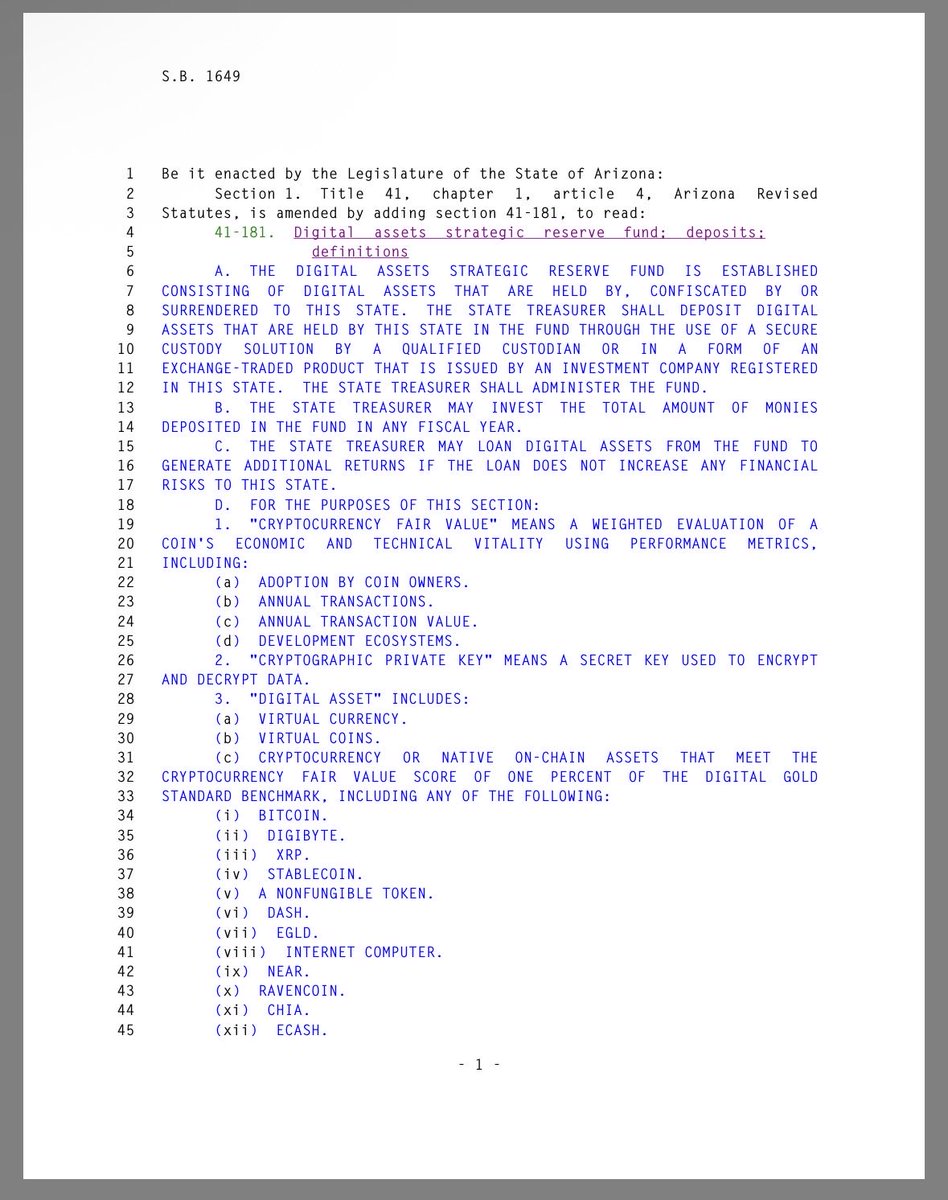


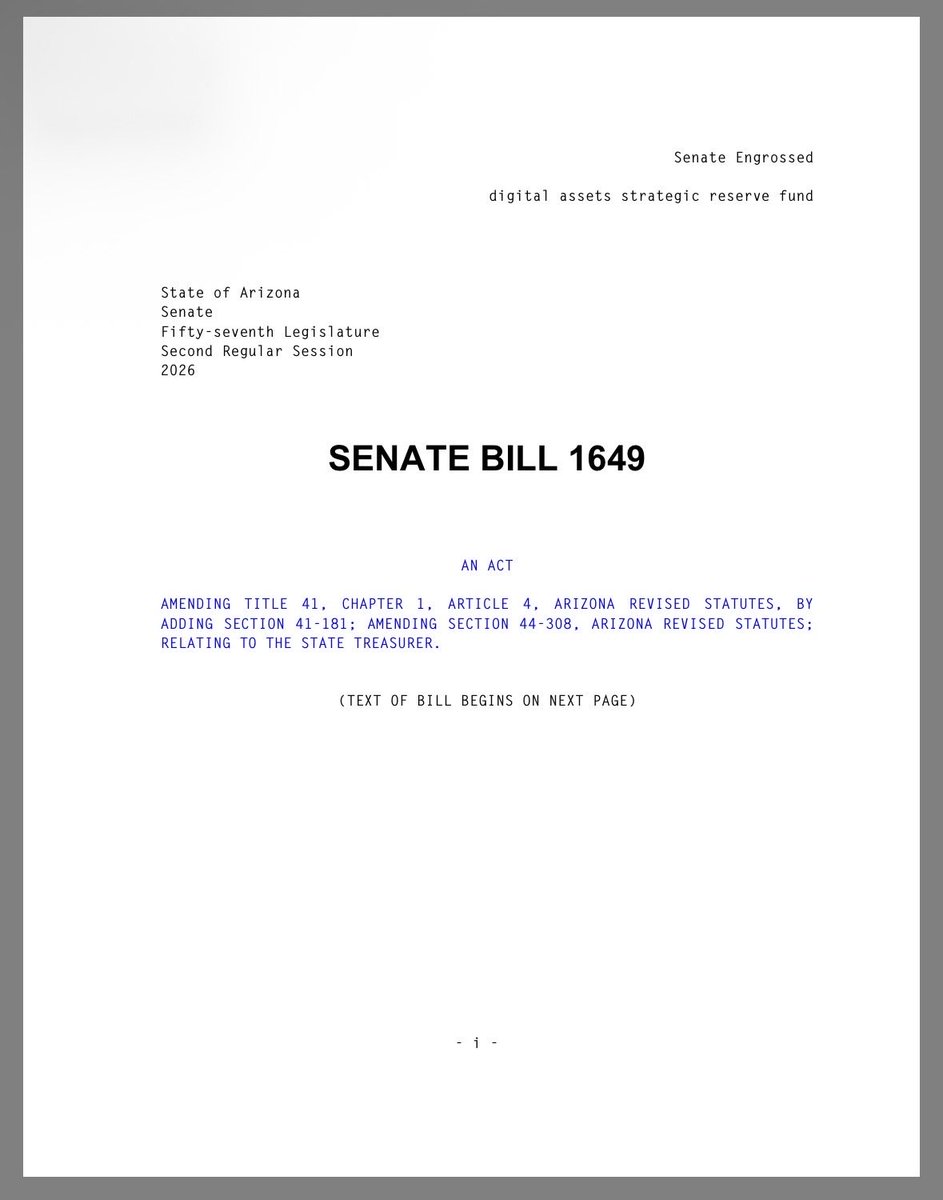
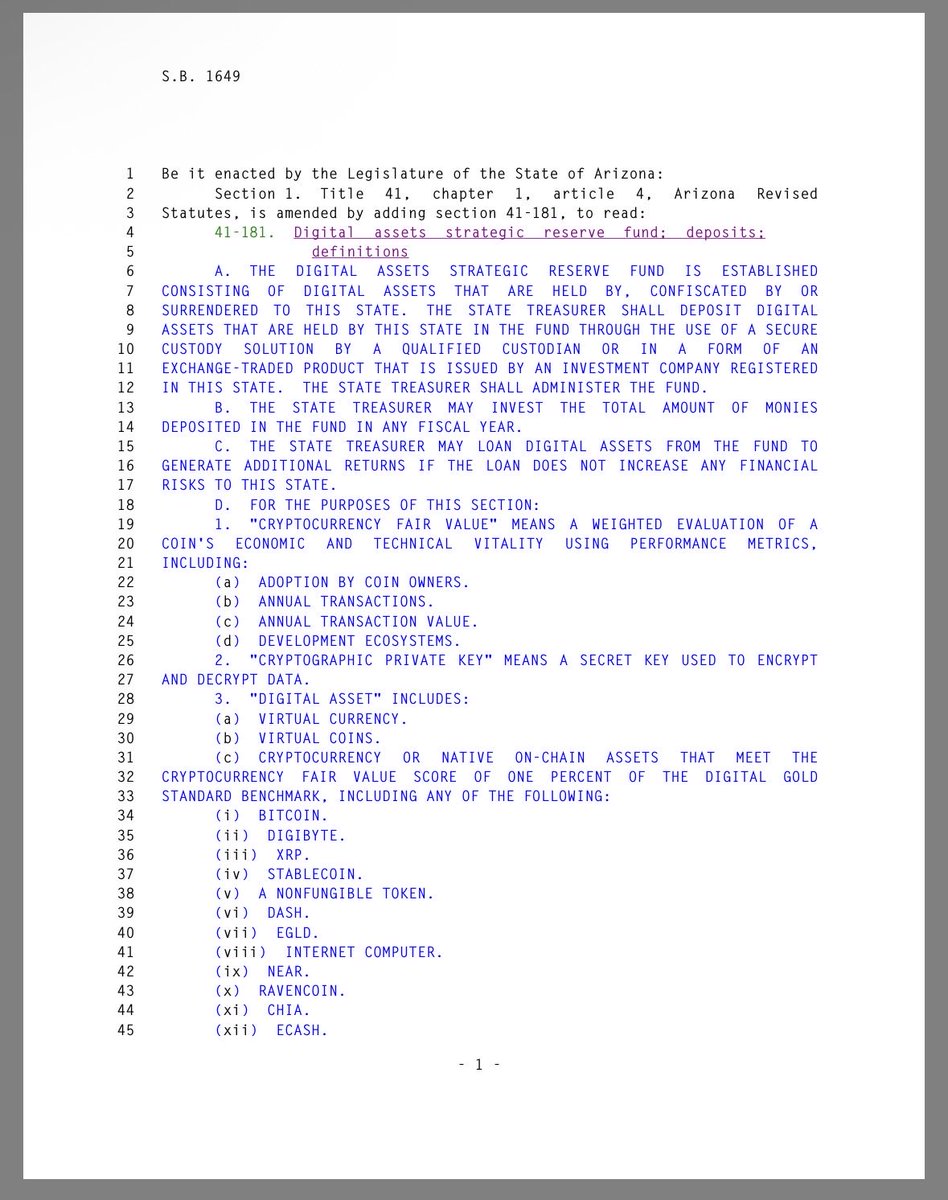
🇺🇸 EGLD Enters the US Institutional Conversation ——— State of Arizona advanced two crypto bills to a full House vote. SB1042 allows 10% of state public funds into digital assets. SB1649 creates a Digital Assets Strategic Reserve Fund, first of its kind in the US. SB1649 names 14 cryptocurrencies by name. Selection criteria: adoption, transactions, transaction value, development ecosystem. EGLD is one of the 14. ——— If passed, Arizona creates the first US state crypto reserve. EGLD eligible from day one. The precedent opens the door for other states and bigger institutional adoption. source: azleg.gov/legtext/57leg/…

In total, $270.6M worth of assets was exploited on Drift, which is around 50% of its TVL. Assets stolen in dollars: $5.3M USDS $60.4M USDC $5.65M USDT $430K JUP $540K USDY $590K ZBTC $680K EURC $1M BSOL $2.5M INF $2M MSOL $3.3M SYRUPUSDC $4.1M FARTCOIN $4.4M WBTC $3.6M JITOSOL $4.7M WETH $4.5M DSOL $11.3M CBBTC $155.6M JPL HkGz4KmoZ7Zmk7HN6ndJ31UJ1qZ2qgwQxgVqQwovpZES

220k TPS on Supernova $EGLD








Critical Mass. The final Battle of Nodes stress test. Today at 12PM UTC. Live on @YouTube & @X


two weeks ago I wrote: "finality faster than the block slot. 120K TPS. same hardware." today: 1 billion transactions processed on Battle Net. 120K TPS confirmed live. still think nobody's building? RT this and tag someone who needs to see it.


Regarding recent press coverage


