
どん retweetledi
どん
145.9K posts


どん retweetledi
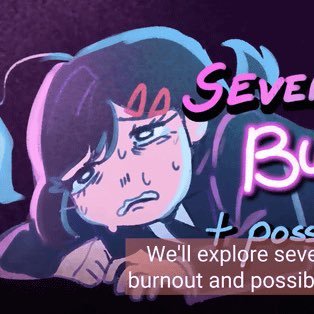
なんかこう、都会らしさというのは、冷たくてツンっとした感じ、わかるかな。例えば知人がコンビニでエロ本読んでても、同僚が浮気してるところ目撃しても「まあ人間だからそういう側面もあるよね」ってスルーする感じ。後日「お前エロ本読んでただろ」って言うと田舎者っぽいじゃん
日本語
どん retweetledi

リアル被害者のうちの1人です。
本当に一瞬でも敷地内に入ってしまったら最後。
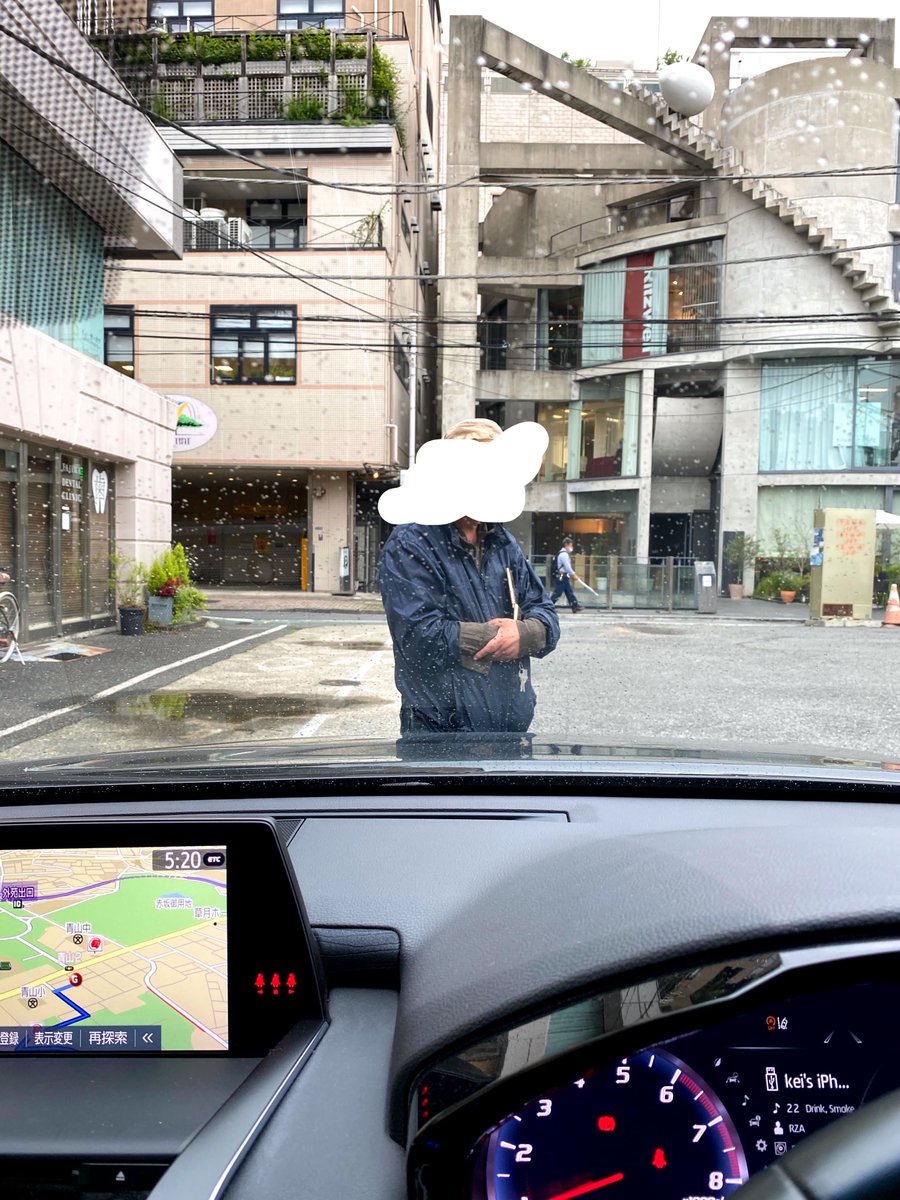
写真のように車の前に立たれて一歩も動きません。
数年前の話ですが、自分の場合は近くのスタジオに行く際に集合場所の駐車場と勘違いしてここに入ってしまい、気づいて出ようとしたらずっと塞がれて動けませんでした。
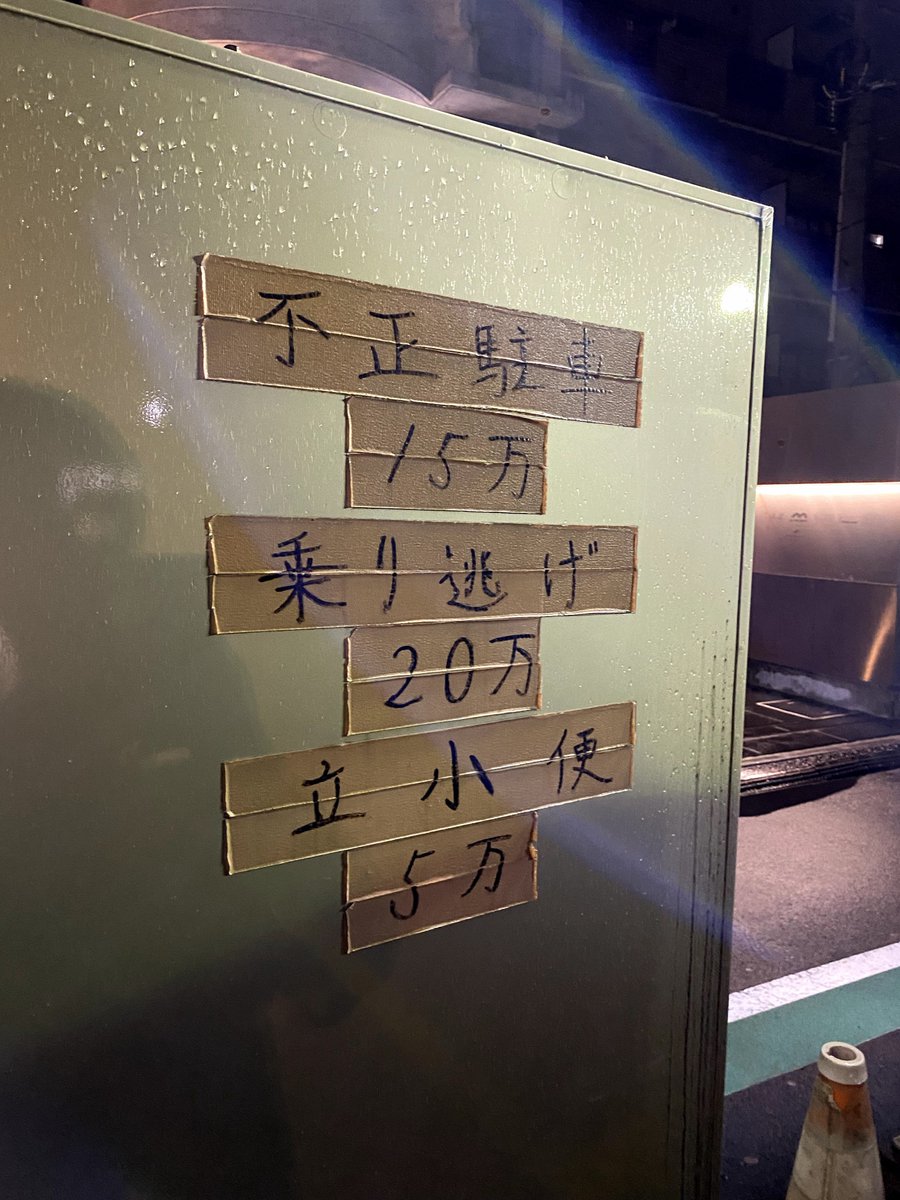
駐車料金払うからって言っても全く聞かず、ひたすら無断駐車だとか言って15万払えの一点張りでした。
埒が開かないので車をとりあえず枠内に停め、アシスタントを残して撮影に行きましたが、自分が不在の間、向こうが弁護士を呼んだらしく邪魔だからというよく分からない理由で私の車を勝手に動かそうとしたらしいです。
今もその弁護士が付いてるか分かりませんが、過去に何かやらかしたらしく、弁護士会かそんな感じの所属から除名された経歴があるだけに、かなりお行儀が悪いです。
あと、ここの駐車場の所有者も色々調べたら過去に不動産関連の事件を起こしてて報道されてたりしてて、弁護士以上にお行儀の悪い人間です。
とりあえずお金が欲しいことは分かったのと、当時代車だったので自分の車じゃないから色々面倒になるぞって圧を掛けたのと、呼んだ警察の介入で枠内に停めて掛かった分の13,000円だけ払って出ることができました。
本当に車が一瞬でも入らないか、老人がずっと監視してるので、横を通る人は注意しましょう。

CRON@CRON_CRON_CRON
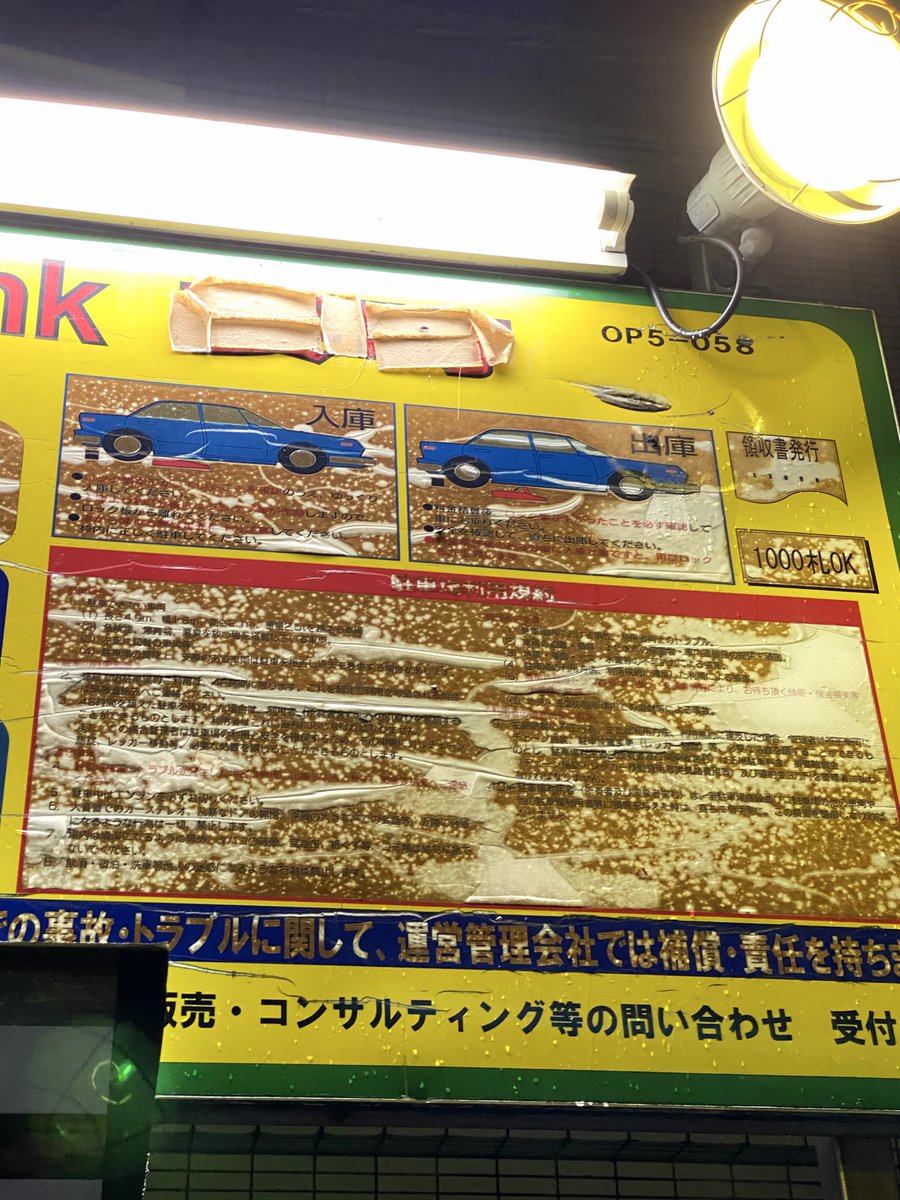
Park Link南青山ですね。 ここは常に敷地の管理人老夫婦が目を光らせてます。 一度この領域に踏み入れたら最後、敷地に入っただけでも不正と言い張り金を払うまで出られません。 何度も警察沙汰になっていて、警察官にもよく知られる有名な場所。 maps.app.goo.gl/VRGjFaHdxkXdmq…
日本語
どん retweetledi

どん retweetledi

85年頃、友人が「若い世代の原画同士の横のつながりを作って、受注額やピンハネ率など情報交換しよう」と、大きな会を主催した。オープンな情報交換は、続々と若手の独立を促した。
やがて彼らは作品のメインスタッフとなり賃金も上がった。
友人や彼らが賃金額を隠すようになるまで、たったの3年。
fam@fam256
@arasan_fourth 日本では「自分の給料のことを同業者に言ってはいけない」という、よくわからん不文律がありますからねえ。情報が入らないと自分の仕事の相場がわからず、結局発注先の言い値になってしまう
日本語
どん retweetledi

どん retweetledi


どん retweetledi

海外の、こういう分析をリアルタイムで読めるようになると、日本のマスコミの外交オンチぶり、軍事オンチぶりが、可視化されるなぁ。
エネルギー問題の無知っぷりも併せて、戦前の真珠湾攻撃に至った要因について、ことごとく苦手ってヤバいわ。
それは同時に、歴史にも学んでいないということ。
政治もダメ、経済もダメ、いったいマスコミは、何が得意なんだろう?
プロパガンダ?
昭和の昔から、識者は日本のマスコミをあてにせず、海外のマスコミの報道を複数比較して、国際情勢を分析していたけれど。
令和の時代、AIの発達によるリアルタイム翻訳が実現し、英語どころか他の言語の情報も、簡単に知ることができるようになる。
語学に堪能でない、自分のような人間でもだ。
SNS規制とか、たとえ成功したとしても焼け石に水。
情報を遮断していた独裁国家が、外部からの情報流入で国民に現実を知られてしまい、倒されていったように。
情報の流通経路を独占し、まさに情報独裁を続けてきたマスコミが、外部からの情報によって倒されようとしている。
辺野古沖ボート転覆死傷事件での、報道しない自由や国民に知らせない権利の行使が、無効になりつつあるのも象徴的。
独裁者は常に、情報革命によって倒される。
Aric Chen@aricchen
🚨Beijing spent six months trying to break Japan🇯🇵. It threatened to behead the Japanese prime minister. It locked fire-control radars onto Japan's F-15 fighter jets. It banned the export of rare earths, magnets, and dual-use electronics. It sanctioned 40 named Japanese corporations. It sent Coast Guard vessels — including ships equipped with 76mm naval guns — into Japanese territorial waters around the Senkakus a record 27 times in 2025 alone. It conducted the eighth major military exercise around Taiwan in three years. The campaign was the most sustained, multi-vector coercion any East Asian capital has faced from China in the postwar era. Here is what it produced. On December 26, 2025 — seven weeks after Prime Minister Takaichi's Diet remarks invoking the "survival-threatening situation" clause for Taiwan — Japan passed a record 9.04 trillion yen defense budget. The largest in its history. Two full years ahead of the GDP 2% target. On March 19, 2026, Takaichi arrived at the White House. Japan formally joined the Golden Dome missile defense initiative. The Diet's lower house passed the defense budget the same day. The cabinet approved a National Intelligence Agency the same day. On March 31, 2026 — exactly one month after Operation Epic Fury began — Japan did something it had not done since 1945. The Japan Ground Self-Defense Force deployed homegrown long-range strike missiles capable of reaching the Chinese mainland. The upgraded Type 12. The Hyper Velocity Gliding Projectile. Operationally fielded. From Camp Kengun in Kumamoto, the range envelope covers North Korea, the eastern Chinese coastline, and Taiwan in their entirety. On the same day, JS Chokai completed Tomahawk integration. 400 Tomahawks acquired from the United States. $2.35 billion. Timeline accelerated by one full year. In April 2026, the Takaichi cabinet removed the "five categories" restriction on lethal weapons exports. In May, Tokyo concluded an agreement with Manila for the transfer of Abukuma-class destroyer escorts to the Philippine Navy — the first export of finished lethal military equipment in Japan's postwar history. And in November 2025, three months before the Iran war began, Japan made its first-ever transfer of domestically-produced PAC-3 interceptor missiles to the United States military, backfilling American stockpiles depleted by Ukraine. Beijing's pressure tools, applied at maximum political volume, accelerated every single development they were intended to deter. Zero retractions. Zero policy reversals. The opposite of the strategic isolation the campaign was designed to achieve. Three months before America discovered, in the harshest possible terms, the structural fragility of its munitions industrial base, Japan had already become a backfill source for U.S. air defense stockpiles. Before USS Tripoli left Sasebo for the Middle East with the 31st Marine Expeditionary Unit aboard, Japan had already conducted the first lethal weapons transfer in its postwar history. Tokyo did not need Operation Epic Fury to teach it the lesson. Tokyo had adopted the conclusion in December 2022, accelerated it in late 2024, fielded the capability in March 2026, and codified its industrial role in April 2026. The most consequential strategic fact about Japan's response to the Iran war is that the response had begun before the war. This is not luck. This is doctrine. And it is the single most important variable in the Indo-Pacific equation that Beijing now has to solve. My full analysis below. 🔗
日本語
どん retweetledi


どん retweetledi

どん retweetledi

ほんまに怖いのは、
日本人が知らん所で、
中国語圏だけのコミュニティが完成してる事や。
仕事も商売も人集めも、
全部その中だけで回ってる。
しかも、警察や行政が実態をどこまで把握できてるのかも分からんし。
気づいた時には、もう手遅れになってそうで怖いわ…
三木慎一郎@S10408978
これは在日中国人の間でDM感覚で広がる地下代行ネットワークのチラシ。 中国語で「大阪同城跑腿代办(大阪で何でも代行します)」 代買い、書類受取、配達、雑務…。 これ、ダメですね。 荷物配送なら、本来は許可が必要なはず。 こういうのを放置していれば、違法就労、替え玉、責任不明のトラブルは確実に増える。
日本語
どん retweetledi


どん retweetledi

どん retweetledi


どん retweetledi

どん retweetledi


どん retweetledi


どん retweetledi

どん retweetledi

