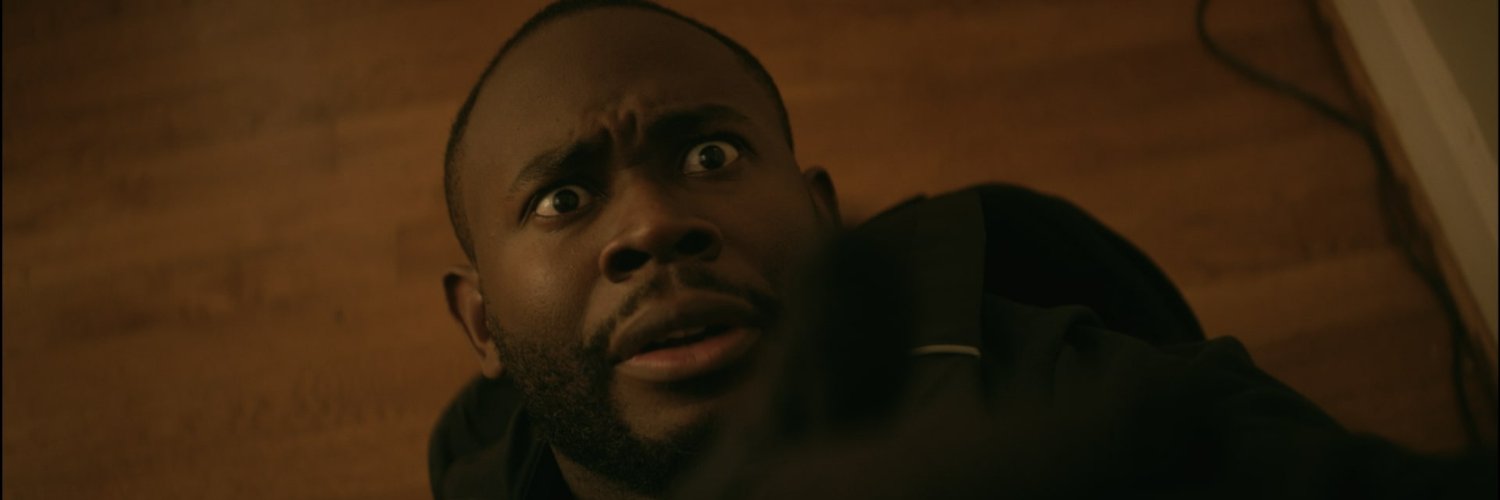
@benny_safdie I got into directing about three years ago and you're an inspo! I would love to see if I could get your thoughts on my latest short or my directorial debut that played at Atlanta film festival and some other great fest throughout '23 and '24. We just got distro!
More films would get made if filmmakers bartered with each other. I’ll shoot yours if you edit mine. I’ll direct yours if you produce mine. I’ll star in yours if you write a script for me.
We can’t afford day rates, but that shouldn’t stop us from finding ways to create!
Does the “Cinematic Look” actually exist?
Filmmakers have argued over this for years. Ever since HD DSLRs first hit the shelves, bringing new levels of image quality to the masses.
All of a sudden everyone could capture the same shallow depth of field 35mm motion picture film was known for.
During this brief period, the term “cinematic” became nearly synonymous with shallow depth of field.
Slap on a long lens, open the aperture up all the way, hit record, and you’ve got yourself a cinematic image.
Or so many filmmakers thought….
It didn’t take long for the internet to get flooded with endless “cinematic” videos that were anything but. the look had become ubiquitous.
At this point, shallow DOF was found more in YouTube videos than actual feature films. the latter were happy to use deep DOF wherever it made creative sense.
As a new generation of filmmakers recognized this, many wondered - what is it then? What makes something cinematic, if not depth?
Soon after, the next trend hit: 3 axis gimbals.
For the first time, a DIY filmmaker could capture a tracking shot nearly as smoothly as a steadicam op. Inevitably, filmmakers repeated the same cycle, believing this was the key, and over-using it as a result.
Then it happened again with drones.
The newest tech was supposed to bring Hollywood level aerial coverage to the masses. Only, it mostly brought more overhead shots to wedding videos.
We’ve seen this pattern repeated time and time again. A technology emerges that allows filmmakers to capture shots that are reminiscent of major motion pictures.
But when that technology quickly becomes the de-facto standard, it no longer feels distinct.
This has led many filmmakers to argue that there is simply no such thing as the cinematic look. They think if it can’t be defined by the tools we are using, it just doesn’t exist.
That’s one theory.
Mine is different.
I very much believe the cinematic look does exist.
But I also believe the only tool that can get you there is your own mind.
Because there is only one thing that truly matters to the cinematic look:
Intent.
Any project with true artistic intent can transcend into cinema. Period.
A black screen with brilliant sound design can be cinematic.
A found footage movie shot on an old DV CAM can be cinematic.
A no-budget film devoid of any camera movement can be cinematic.
It’s not about the technique being used. And it’s definitely not about how much money is being spent….
There are countless movies produced for millions of dollars that don’t resemble cinema.
And there are just as many brilliant $0 short films floating around the internet that scream it.
The only difference is the intention.
Real artistry leads to cohesive choices in story, casting, camera, editing, music, and a thousand other variables that are constantly intersecting.
This all combines into something greater than the sum of the parts, elevating it into what we call a cinematic experience.
for anyone who needs the reminder... The answer is not in your shopping cart. It is in your brain.
Intend to make art, and the cinema part will take care of itself.
@sheryljanderson@atlantafilmfest@ajthefitzy We were able to get an encore screening! We play May 5th at 7:00pm, would love to invite you to that one if you can make it 🙏🏾🙌🏾