Sabitlenmiş Tweet
Doug Bopp
322 posts


Doug Bopp retweetledi



Doug Bopp retweetledi

@andrewmccalip Pretty much an urgency rater. Decision fatigue is super real so being able to shut down your email for a longer sprint but have an alert for actually urgent messages would be ideal. Squeezing even one extra hour out of a day in a flow state would add a ton of value.
English

What does the modern Corporate Athlete want to see in an AI tool? Who's making Cursor for those hard working Outlook jockeys and Jira PMs?
English
@jwt0625 sort of orthogonal and you likely have seen this but Berkeley Lights (acq. by Bruker) made single-cell manipulators by applying optical fields to induce strong field gradients in something like a photoreceiver structure generating dielectrophoresis: youtube.com/watch?v=TeEJug…

YouTube
English
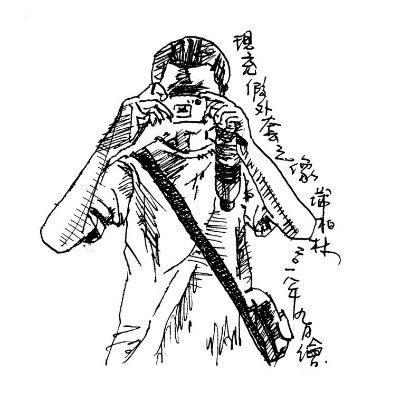
Wu2025: [Field-programmable photonic nonlinearity](doi.org/10.1038/s41566…) ([also](rdcu.be/elAdE))

English
another programmable nonlinear photonic chip, but this time not for generating light at second harmonic freq etc., but for nonlinear input-output response with saturable absorption/gain from InGaAsP + spatial distribution of pump light.
It's an interesting network, the connections are directly nonlinear and distributed.
(of course when they compare the energy consumption, only the pump power is taken into account, and processing speed is how fast light propagates thru it, no consideration for energy and time needed for encoding/decoding the light)

outside five sigma@jwt0625
Programmable optical nonlinearity on a chip? Sounds too good. It is using a patterned illumination onto a photoconductor layer to "turn on and off" a bias field, which lowers chi3 nonlinearity to chi2. They could shape it in both spatial and spectral domain. The catch? The waveguide is a bit lossy (1~5 dB/cm), the programming is slow (~ 1 Hz, limited by SLM), and the nonlinearity is weak: ~0.5 pm/V, but potentially > 20 pm/V in the future. For comparison, lithium niobate has d33 ~ 25 pm/V.
English
Doug Bopp retweetledi

Gen-Z is making absolutely nuts American propaganda on TikTok right now
English

Doug Bopp retweetledi

Me: Your cell phone is a computer
Them: Oh yeah, common metaphor. They used to think everything was like pumps and water, then when clockwork was the big technology they thought everything was clockwork, and now the technology is computers they think everything is a computers
English
@universal_bagel @Chrismholt You can drive a resonator with feedback to make an oscillator and observe the frequency which is a function of the proxy variable (e.g. the damping is proportional to the pressure). You can also drive with a fixed freq and measure signal reflected phase.
English

@Chrismholt Driving a transducer to get a measurement is new to me. Is this for dynamic measurements or is this just how this tech works?
(Where can I go learn about this? I don't want to eat up a bunch of your time)
English

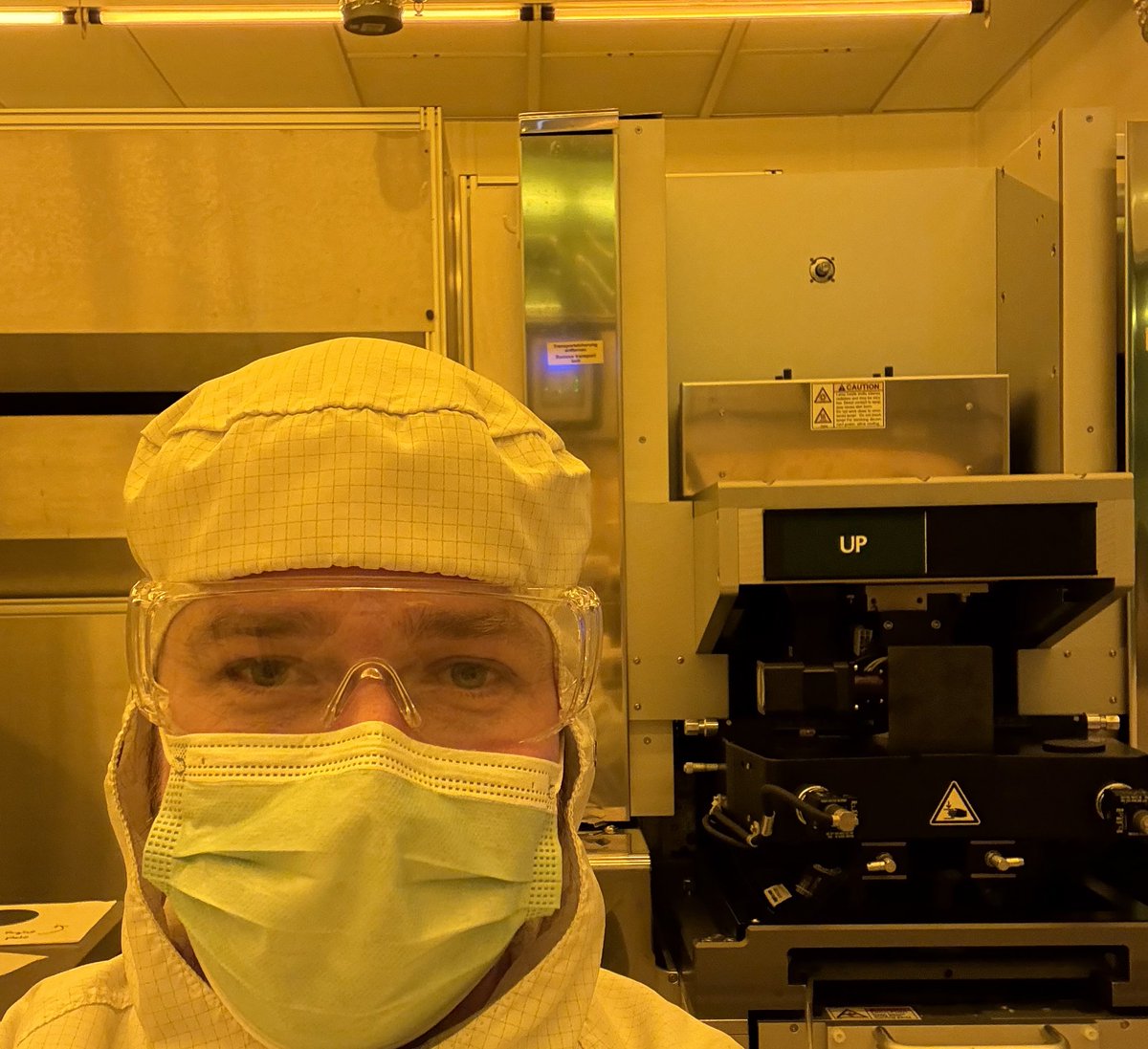
Building the world’s highest resolution pressure sensors….



kache@yacineMTB
a man that is on a quest will never be depressed
English
@jwt0625 Very cool active diode; capillary action enables logical chemical mixing in paper/pdms microfluidics too, David Juncker's thesis is one of my favorites to look through: scholar.google.com/citations?view…
English
Water is the most messed up chemical, and water wave is the most messed up wave. Change my mind.
All the optics and acoustics folks scratching their head trying to make a good, compact & integrated isolator, while you get a water wave isolator (or as they call it: water wave diodes) by making a gradient refractive index waveguide...
(Seems like it should be narrow band though, but there's room to improve.)

English
@jwt0625 Hao Yan is a good name in dna origami phys.org/news/2011-04-d…
There have been subsequent studies incorporating single-molecule to molecule semiconductor, insulating, and conducting structures. The building blocks are available for 3d computation. Stuart Lindsay also
English

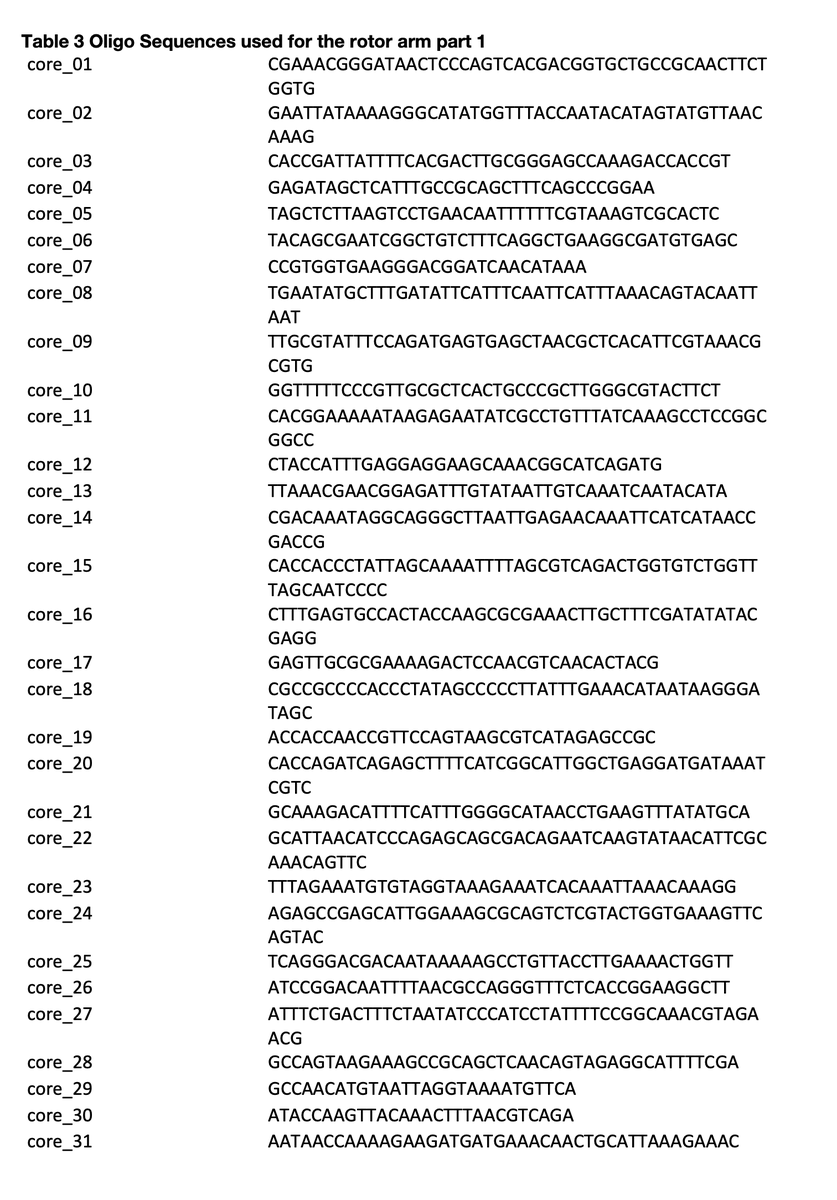
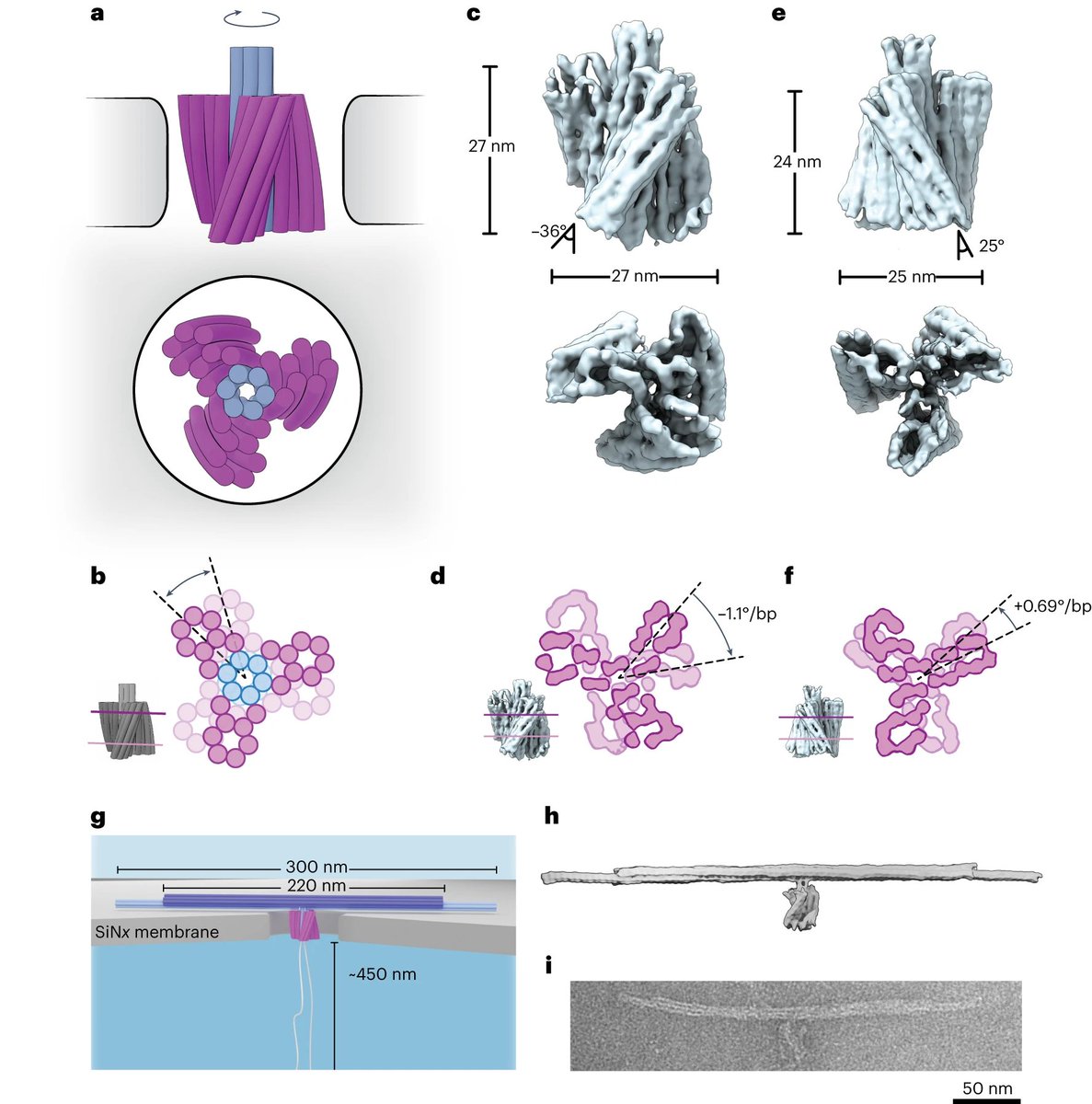
Found a new rabbit hole called DNA origami, and these are some of the fanciest stuff I've seen in a while:
A mouse trap but for virus? A sub 100 nm turbine that could dock into a nanopore? A DNA rotary ratchet motor driven by an AC voltage up to 250 rpm??
Not sure how practical they are, but at least now I feel less humiliated by the E. Coli flagella motor.


English
@jwt0625 you may enjoy the Bragg peak effect for proton therapy: en.wikipedia.org/wiki/Bragg_peak
English
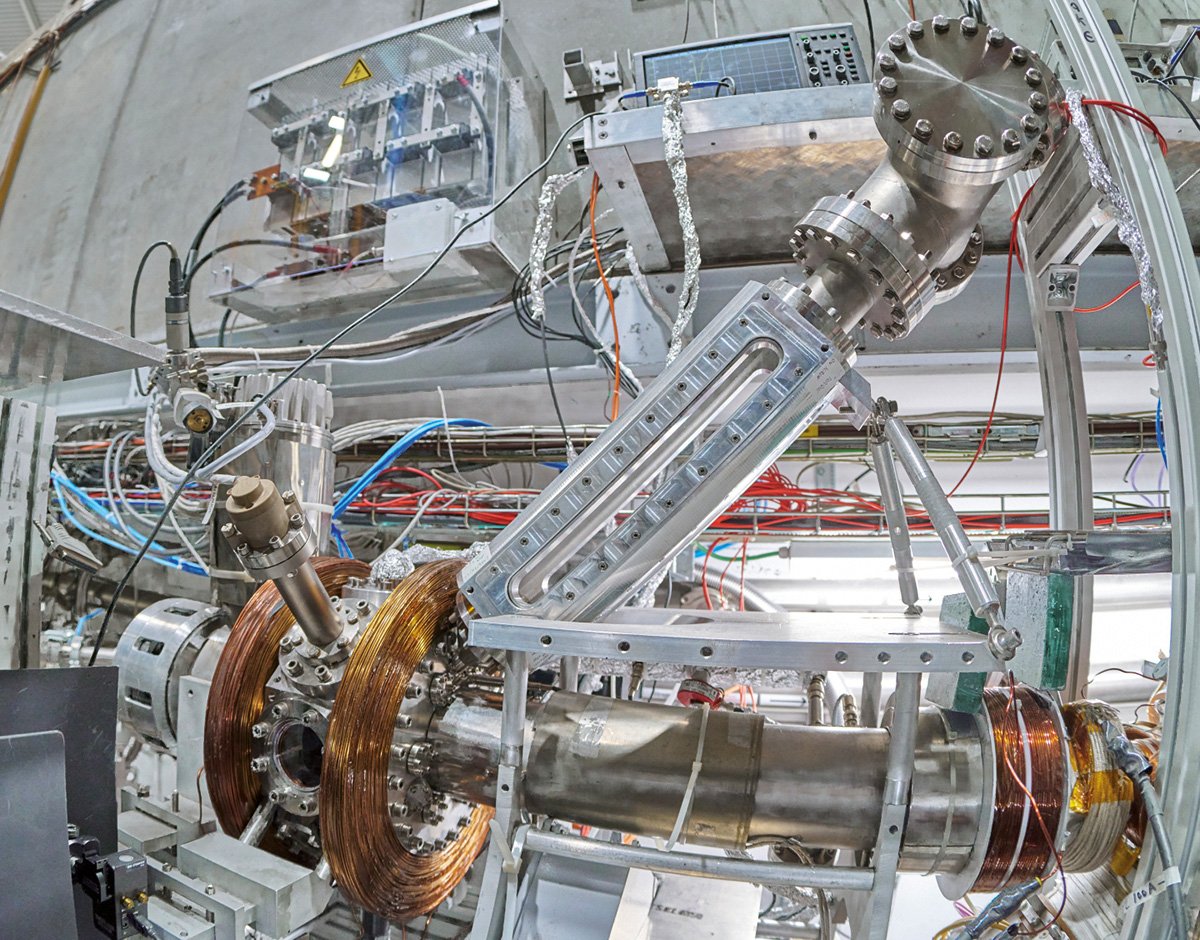
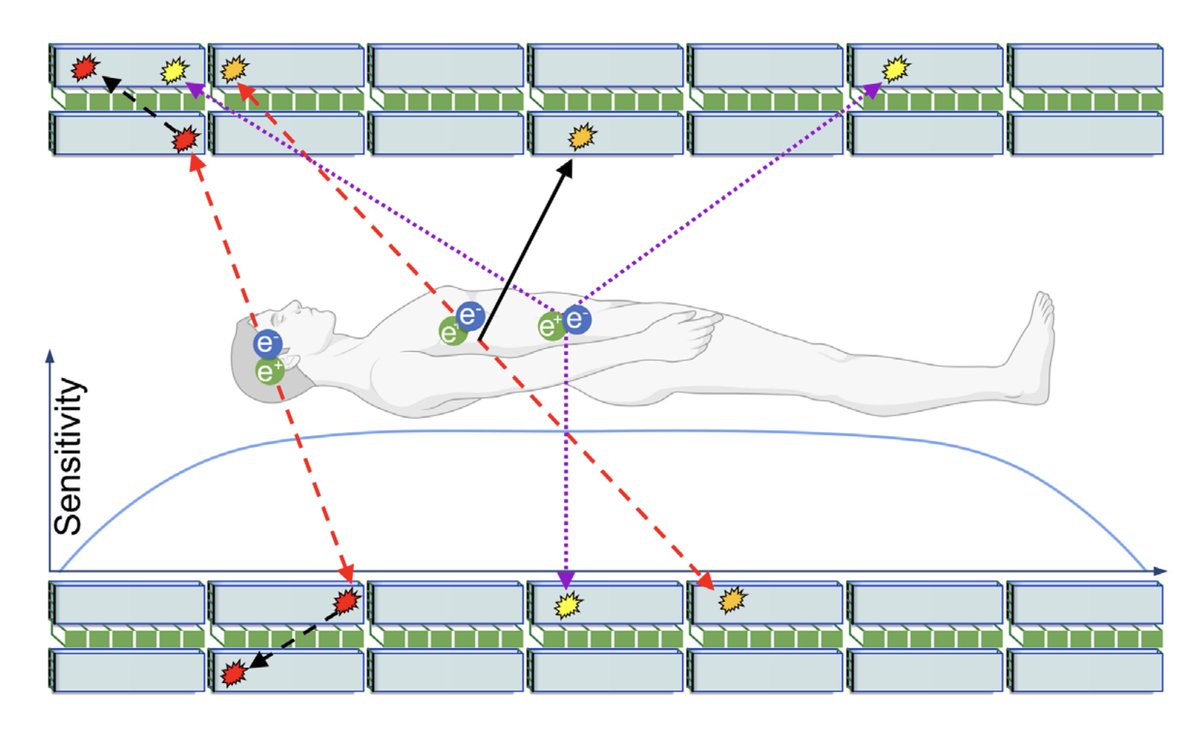
TIL there is an "element" that is even simpler than a hydrogen atom: positronium, made of an electron and a positron (antiparticle of electron), and you can do all the usual AMO tricks on it such as laser cooling.
First reaction: oh neat, fancy toy for high energy physicists. But it actually has biomedical applications such as imaging cancer cells.

English
Doug Bopp retweetledi


Doug Bopp retweetledi

Doug Bopp retweetledi

My tentative conclusions from @natfriedman's PlasticList effort:
1. Plasticizers accumulate up the food chain. Water occasionally has plasticizers. Vegetables always have a low level of plasticizers. Meat, including chicken, steak, and fish, always has a high level of plasticizers. This suggests accumulation.
2. Heating often destroys plasticizers. Microwaving seems to destroy plasticizers. Letting takeout food cool down or leaving water bottles in the sun doesn’t seem to reliably increase plasticizers.
3. Plasticizers leach from polypropylene and LDPE. The worst offenders for plastic bottles seem to all be polypropylene bottles, such as the Starbucks cups. Paper cups lined with low density polyethylene also seem bad. Polyethylene terephthalate, which is what disposable water bottles are made of, do not seem to leach plasticizers as much.
4. BPA is still a problem, although less so than in the past. People have been talking about the dangers of BPA for decades. Somehow, Boba Guys still has significant amounts of it.
5. Citizen science is great and there should be more of it. Thanks Nat and team!
Additional analysis and insight in my post.
English
Doug Bopp retweetledi

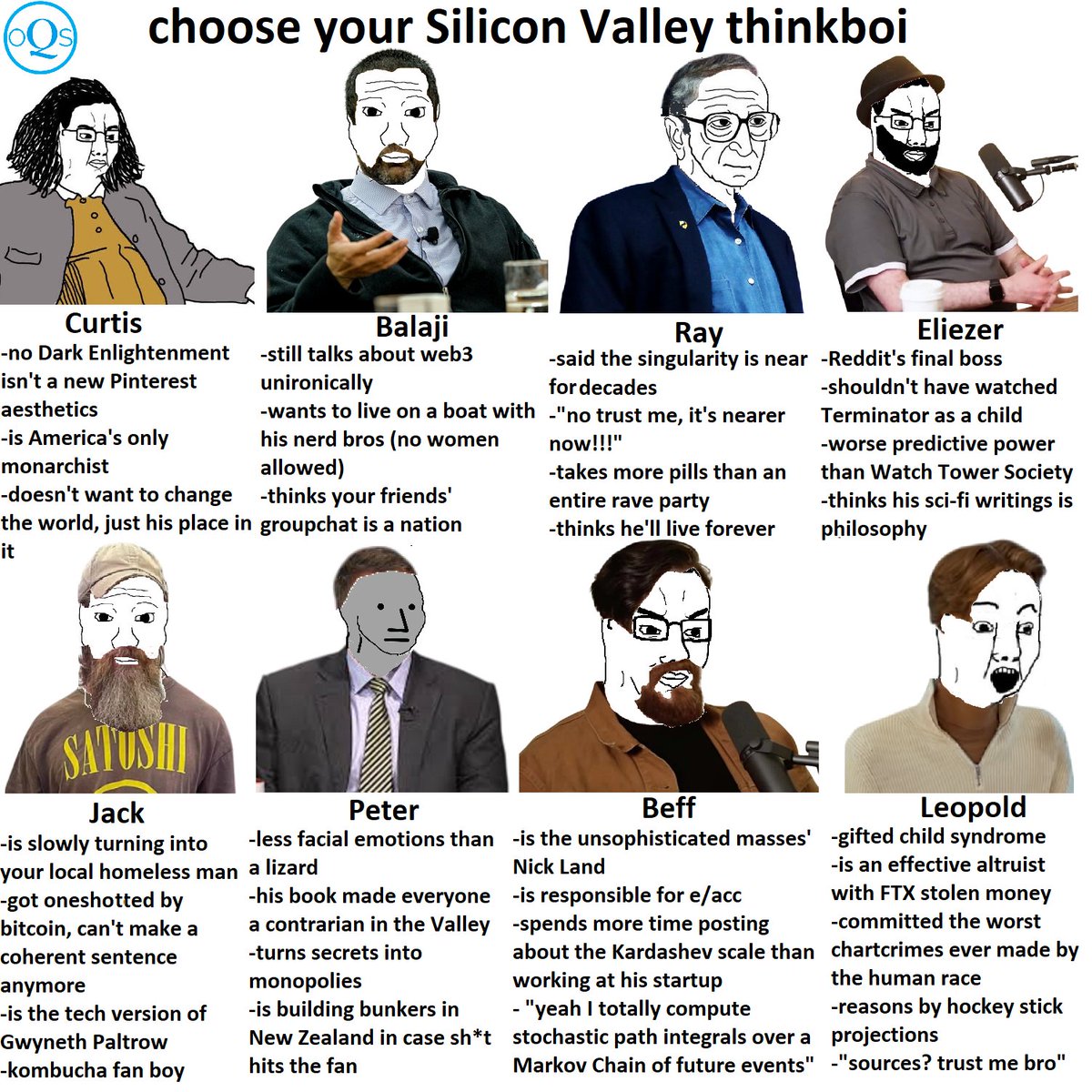
The Silicon Valley dream: burning VC money to launch a chatGPT wrapper so you can get invited at podcasts to discuss your AGI timeline and become a Grimes reply guy
English
Doug Bopp retweetledi