

Dr Silverman
3.7K posts




A black American from Tennessee went on a trip to visit Shanghai, China
She shows in a retail store, a worker is assigned to follow her around and make sure she doesn’t steal anything
No matter where she walks, the Chinese worker follows
According to real FBI crime statistics, the likelihood of a black person stealing from a store is over 10x higher than a Chinese person stealing from a store
Stereotypes seem to exist in multiple countries
English
Dr Silverman retweetledi

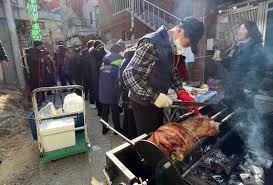
한국의 대구라는 도시에 이슬람사원 공사장 앞에 모인 시민들이 이슬람을 강력히 반대하며 돼지고기 파티를 하고 있는 모습입니다.
결국 이슬람 사원은 건축 중지돼었고 방치된 상태로 지금까지 있습니다
Whisper@gugimi22
일본인들은 모금해서 모스크 맞은 편의 논을 매입해서 돼지고기 파티를 매주 열어라 도망갈때까지 돼지고기 냄새를 풍기는거야
한국어
Dr Silverman retweetledi

Princeton proved that the world has already decided anything written by AI is worth less. Even AI thinks so.
And it judges AI writing more harshly than you do.
Researchers ran two controlled experiments. 556 people and 13 AI models evaluated the same pieces of writing. Some passages came from Raymond Queneau, one of the most celebrated experimental writers of the 20th century. Others were generated by GPT-4. Evaluators saw them under three conditions: no label, correctly labeled, and falsely labeled.
When the same passage was labeled "written by a human," it was rated higher. When the same passage was labeled "written by AI," it was rated lower. The words did not change. The label did.
That means when you submit an essay, a cover letter, or a report, and someone suspects AI wrote it, they will judge it more harshly. Not because the writing is worse. Because of what they think wrote it.
It gets stranger.
Humans showed a 13.7 percentage point bias in favor of human-labeled text. AI models showed a 34.3 percentage point bias. AI is 2.5 times more prejudiced against AI-labeled writing than humans are.
The researchers then found something nobody expected. Evaluators did not just lower the score when text was labeled AI. They inverted their entire reasoning. The same stylistic choices that were praised as "authentic" and "emotionally resonant" when attributed to a human were dismissed as "mechanical" and "formulaic" when attributed to AI. Same words. Same sentences. Opposite judgment. The label did not adjust a score. It rewired the analysis.
Then they tested whether AI models do this to each other. 14 AI models evaluating writing from 14 AI creators. Every possible combination. Every single model rated writing lower when labeled "AI-generated." Including when it was judging its own output.
AI has learned to devalue itself. Not because the writing is worse. Because we taught it that the label matters more than the work. It absorbed our prejudice during training and now applies it more aggressively than we do.
Here is why this matters right now. AI detection tools are being used in schools, in hiring, in publishing. If a piece of writing gets flagged as AI-generated, this paper proves that the quality of the writing becomes irrelevant. The judgment has already changed. The analysis has already flipped. The same sentence that would have earned praise will now earn suspicion.
It does not matter what you wrote. It matters what they think wrote it.

English
Dr Silverman retweetledi

■사업 망하고 버스기사가 된 40대 여자
이분은 버스기사를 하기 전, '굿워크'라는 이름의 청년 창업가였다고 한다.
그녀의 말이다.
"버티고 버티다 폐업하고 보니 나이는 나이대로 먹고 결혼도 안 했지, 돈도 벌어놓은 거 없지, 사회적으로 자리 잡기를 했어? 그런 상황이니까 현타가 오고, 내가 나름 열심히 살았는데 뭐가 잘못된 것일까? 낙담해 있는 시간을 좀 갖다가 시작하게 된 일이 이 일이에요."
예전 친구들은 거의 연락 안 하신다고. 정말 친하게 지냈던 사람도 그녀가 버스기사를 하는지 잘 모를 거라더라.
근무 시간은 남자 기사들과 다르지 않다. 아침 6시에 운행을 시작해 막차까지 돌면 밤 11시 45분이라는데, 중간에 짜투리 시간만 쉬고 거의 15~16시간을 일하신단다.
쉬는 날은 격일 근무로 이틀치를 하루에 몰아서 한 다음에서야 가능하다고도.
여자 기사이다보니 밤 운전 때 거친 승객이라도 있으면 불안할 수도 있을 텐데, 그녀는 마음가짐부터가 남다르시다.
"그렇게 생각하면 안 되는 것 같아요. 일단 마음가짐이 중요한 것 같아요. 저 사람 무서워, 이러면 진짜 지는거거든요."
이분이 잘 되셨으면 좋겠다. 인연으로든 일적으로든 좋은 일만 가득하시길. 응원드린다.




한국어
Dr Silverman retweetledi
■기피직업 버스기사로 2030이 몰리는 이유
최근 취업 시장에서 조용히 떠오르는 현상이 있다.
20~30대 청년들이 버스기사에 몰리는 것이다.
한국교통안전공단 자료를 보면 2030세대 버스운전 종사자가 2022년 7559명에서 2025년 1만 389명으로 3년 만에 37% 늘었다.
교육 현장에서도 변화가 뚜렷하다. 예비 기사 교육 과정에서 청년 비중이 과거 10% 수준에서 이제 절반 가까이 차지하는 경우가 많아졌다.
10년 전만 해도 강의실이 40~50대 중심이었는데 이제는 대학 강의처럼 느껴진다는 교수의 말이 나올 정도다.
왜 이런 변화가 생겼을까.
가장 큰 이유는 돈이다.
수도권 시내버스 기사 초봉이 5000만 원대를 웃돈다. 세후 월 430만 원 정도 받는 사례도 흔하고, 경력 쌓이면 수당 포함 연봉 7000만 원 이상도 가능하다. 공기업 신입 평균 연봉(약 4180만 원)보다 높은 수준. 취업난이 길어지면서 스펙 쌓기보다 실질 소득을 우선하는 선택이 늘어난 셈이다.
근무 환경의 개선도 한 몫한다.
과거 격일제로 하루 15시간 넘게 일하던 시절과 달리 이제 2교대제가 자리 잡았다. 하루 9시간 안팎 운행, 주 40~50시간 근무가 기본이다. 정시 퇴근이 가능하고 몸 쓰는 강도도 상대적으로 낮다. MZ세대가 가장 원하는 워라밸과 잘 맞는다. 오전 근무 후 오후를 자유롭게 쓰거나 반대로 아침을 여유롭게 시작할 수 있는 구조다.
일의 성격 자체가 주는 자유로움도 매력이다.
버스기사는 상사나 동료와 부딪힐 일이 거의 없다. 승객 응대도 기본적인 안내 수준에 그친다. 과거 카페나 서비스직에서 진상 손님 스트레스에 지쳤던 이들이 “여기는 훨씬 낫다”며 전직하는 경우가 많다. 혼자 운전하며 음악 틀고 플레이리스트를 승객 연령에 맞춰 바꾸는 재미까지 느낀다는 증언도 나온다.
준공영제 도입이 이런 변화를 뒷받침했다.
지자체가 노선·요금·배차를 관리하고 재정 지원을 하면서 버스 회사 경영이 안정됐다. 그 혜택이 임금 인상과 근무 조건 개선으로 이어졌다. 코로나 이후 인력 이탈로 생긴 구인난도 청년 유입의 문턱을 낮췄다. 과거처럼 1년 이상 경력을 쌓아야 시내버스로 옮기던 관행이 사라지고 수개월 경력만으로도 채용되는 사례가 늘었다.
그렇다고 단점이 없진 않다.
스케줄 근무 탓에 평일·주말 구분이 모호하고 친구들과 시간 맞추기 어렵다. 첫차나 막차를 돌면 생활 패턴이 완전히 뒤바뀐다. 운전이라는 특성상 음주에도 제약이 크다. 무엇보다 매 순간 안전을 책임져야 하는 무게감은 피할 수 없다.
그럼에도 2030세대가 이 직업에 올인하는 이유는 현실 때문이다.
좁은 취업 문, 불안정한 프리랜서나 비정규직 대신 “기술 하나 익혀 안정적으로 먹고살자”는 계산이 선다.
과거 블루칼라 이미지가 깨지고 ‘킹산직’으로 재평가되는 과정.
버스 한 대가 도로를 달릴 때마다 그 안에 실린 것은 단순한 승객이 아니라 누군가의 새로운 출발이다.
요즘 청년들의 선택이 참 현명해보이는 이유랄까.
MZ 버스기사들을 응원한다.
(사진출처= ‘MZ 버스 기사’ 서기원(29)씨가 인천 소래포구역 버스환승센터에서 자신이 모는 시내버스 운전석에 앉아 있는 모습. 조선일보, 남강호 기자)

한국어
@secrettmeeeee @xzabiruw Betul, sebenernya jatuh ke orang yg minjam kendaraannya. Klau yg minjem tahu diri yah gapapa
Indonesia

@xzabiruw mf ya kak, aku agak kurang setuju sama statement km heheh.
aku juga suka pnjm motor k om ku, bkhn om ku sll ksh pinjem dan gak pernah permasalahin ap' tp krn ak yg pinjem , aku bakal jaga motornya. like, isiin bensin , steam motornya , dan hati' jg dalam bw mtrny. cmiiw
Indonesia

jangan normalisasi minjemin kendaraan motor/mobil ke org mau itu kenal deket atau ngga. Karna kita gatau mereka bawa kendaraan nya gimana, blm lg kalo ada amit2 kecelakaan yg ada malah rugi.
Dipinjemin 100x pun, kalo ujung ujungnya ga bisa bantu, pasti diomongin dan dicap pelit juga. Jadi mendingan dari awal langsung tegasin aja sih

Indonesia
Dr Silverman retweetledi

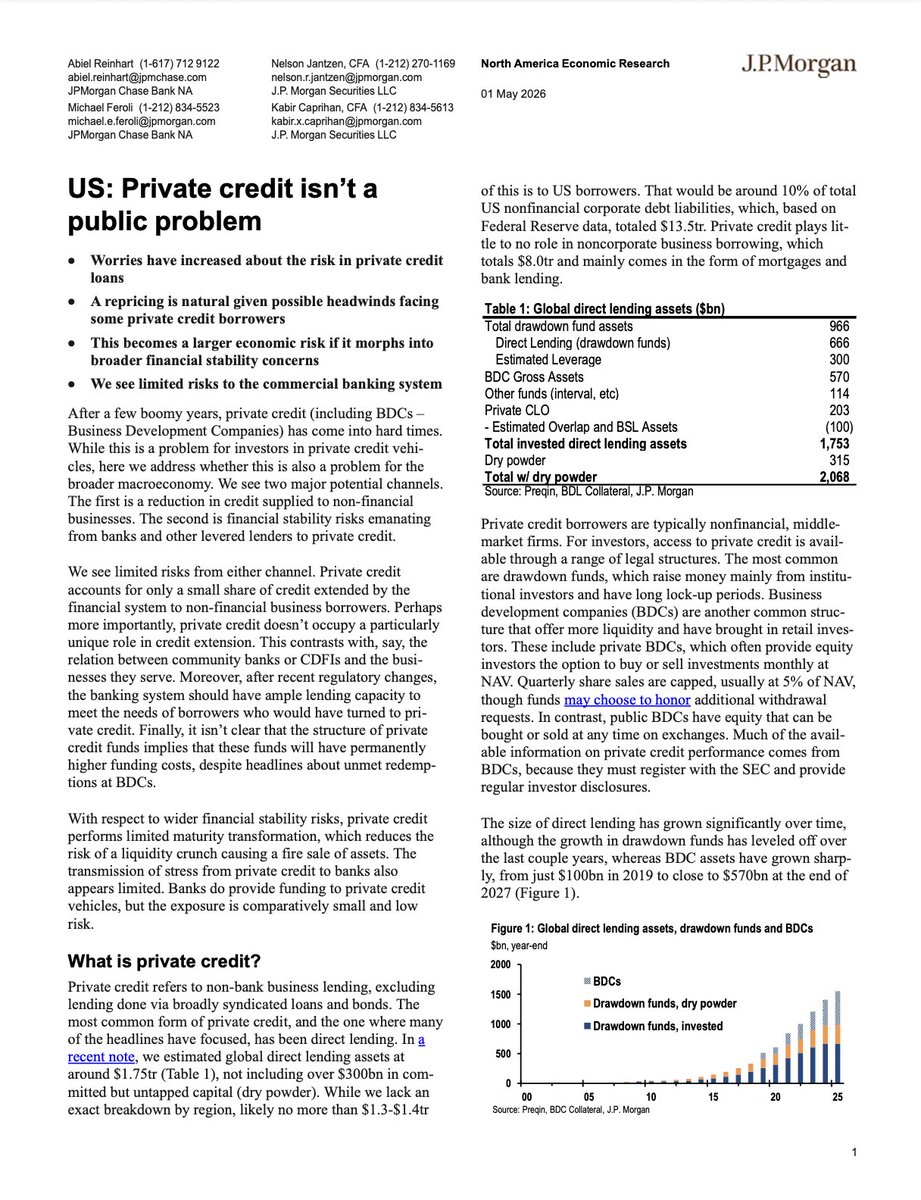
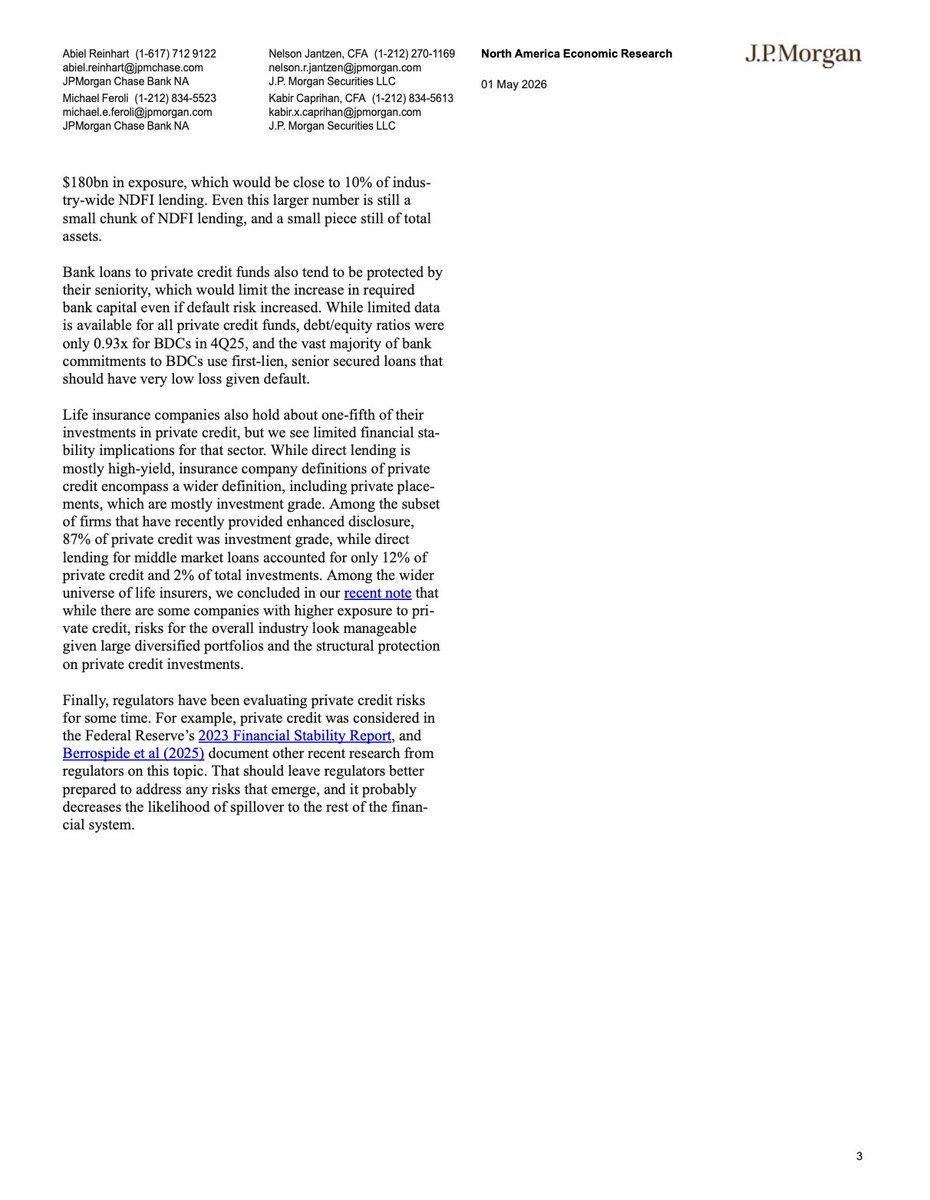
"US: Private credit isn’t a public problem"
JPM, 1 May 2026

English
Dr Silverman retweetledi


Dr Silverman retweetledi

Dr Silverman retweetledi
📊 List of famous economists and their contribution in economics 📕
1. 🇬🇧 Adam Smith (1723–1790)
📖 Famous book: The Wealth of Nations (1776)
💡 Major theories/concepts: Absolute Advantage, Division of Labor, Invisible Hand, Free Markets
⭐ Key contributions: Father of Economics. Laid the foundation of modern economics and classical liberalism. Emphasized free trade, competition and limited role of government.
2. 🇬🇧 David Ricardo (1772–1823)
📖 Famous book: On the Principles of Political Economy and Taxation (1817)
💡 Major theories/concepts: Comparative Advantage, Rent Theory, Diminishing Returns
⭐ Key contributions: Developed theory of comparative advantage. Explained distribution of income (rent, profit, wages). Strong advocate of free trade.
3. 🇬🇧 Thomas Malthus (1766–1834)
📖 Famous book: An Essay on the Principle of Population (1798)
💡 Major theories/concepts: Population Theory, Malthusian Trap
⭐ Key contributions: Argued that population grows faster than food supply. Highlighted poverty and checks on population growth.
4. 🇬🇧 John Stuart Mill (1806–1873)
📖 Famous book: Principles of Political Economy (1848)
💡 Major theories/concepts: Utilitarianism, Harm Principle, Role of State in Economy
⭐ Key contributions: Combined classical economics with social reform ideas. Supported individuality, education and limited government intervention.
5. 🇩🇪 Karl Marx (1818–1883)
📖 Famous book: Das Kapital (The Capital) (1867)
💡 Major theories/concepts: Labor Theory of Value, Surplus Value, Class Struggle, Historical Materialism
⭐ Key contributions: Critiqued capitalism and explained exploitation of labor. Father of Marxian socialism and communist theory.
6. 🇬🇧 Alfred Marshall (1842–1924)
📖 Famous book: Principles of Economics (1890)
💡 Major theories/concepts: Supply and Demand, Consumer Surplus, Elasticity of Demand
⭐ Key contributions: Founder of modern neoclassical economics. Integrated demand (utility) and supply (cost) analysis.
7. 🇬🇧 John Maynard Keynes (1883–1946)
📖 Famous book: The General Theory of Employment, Interest and Money (1936)
💡 Major theories/concepts: Aggregate Demand, Fiscal Policy, Multiplier Effect
⭐ Key contributions: Father of macroeconomics. Argued for government intervention to manage demand and employment.
8. 🇺🇸 Milton Friedman (1912–2006)
📖 Famous book: Capitalism and Freedom (1962)
💡 Major theories/concepts: Monetarism, Quantity Theory of Money, Free Market Capitalism
⭐ Key contributions: Advocated limited government, free markets and low inflation. Emphasized role of money supply in the economy.
9. 🇦🇹 Joseph Schumpeter (1883–1950)
📖 Famous book: The Theory of Economic Development (1911)
💡 Major theories/concepts: Innovation, Creative Destruction, Entrepreneurship
⭐ Key contributions: Highlighted role of entrepreneurs and innovation in economic development. Introduced concept of “creative destruction”.
10. 🇮🇳 Amartya Sen (1933–)
📖 Famous book: Development as Freedom (1999)
💡 Major theories/concepts: Capability Approach, Welfare Economics, Social Choice Theory
⭐ Key contributions: Nobel Laureate (1998). Focused on human development, freedom and reducing inequalities.
11. 🇦🇹 Friedrich Hayek (1899–1992)
📖 Famous book: The Road to Serfdom (1944)
💡 Major theories/concepts: Market Order, Spontaneous Order, Limited Government
⭐ Key contributions: Warned against central planning. Advocated individual liberty and free-market order.
12. 🇺🇸 Paul Samuelson (1915–2009)
📖 Famous book: Economics (1948)
💡 Major theories/concepts: Neoclassical Synthesis, IS-LM Model, Public Economics
⭐ Key contributions: First American Nobel Laureate in Economics (1970). Integrated micro and macro economics.

English
Dr Silverman retweetledi


Dr Silverman retweetledi

Super interesting!
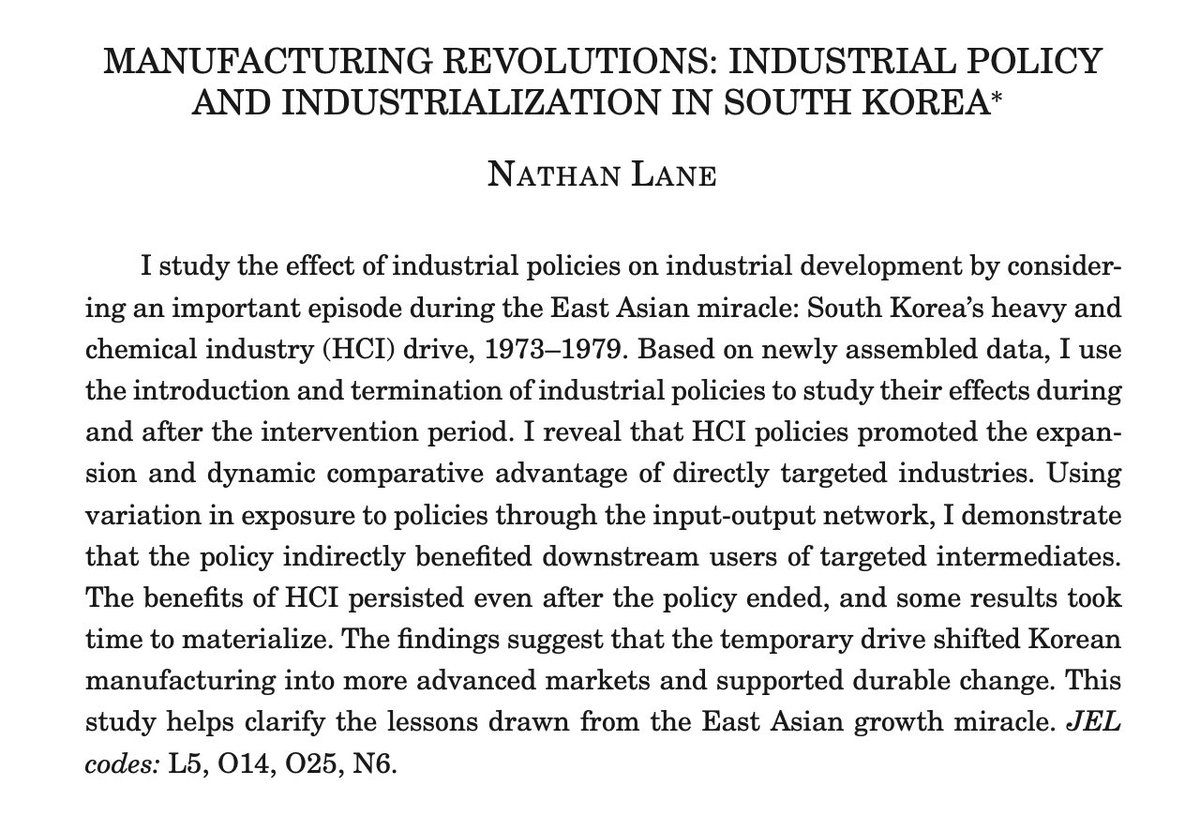
"Financial Liberalizations, Booms, and Crashes" by Maximilian Grimm, Moritz Schularick, and Emil Verner.
"Financial liberalization is often seen as a way to deepen credit markets and stimulate economic growth, but it may also fuel credit booms that end in crisis. We construct a new cross-country database of banking regulation policies covering 21 regulatory indicators for 18 advanced economies since World War II. We distinguish liberalizations that directly relax constraints on credit supply from broader financial reforms. Liberalizations that directly affect credit supply lead to substantial expansions in private credit. Credit expansion is concentrated in non-tradable sectors and is not accompanied by higher interest rates or credit spreads in the short run, consistent with an outward shift in credit supply. Real GDP rises over the following 2 to 4 years, but the gains are temporary. On average, GDP returns to trend in the medium run, and there is an increase in the risk of financial crisis and worse downside growth outcomes. Only liberalizations that directly expand credit supply generate these boom-bust dynamics. Based on these estimates, financial liberalization is welfare-improving for coefficients of relative risk aversion below 7.2, a moderately high value."
papers.ssrn.com/sol3/papers.cf…

English
Dr Silverman retweetledi
Super interesting!
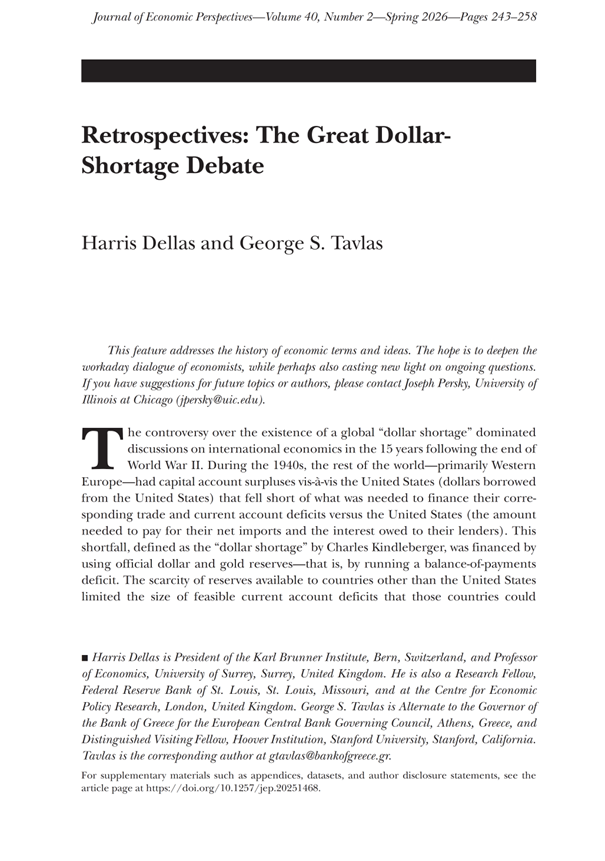
"Retrospectives: The Great Dollar-Shortage Debate" by Harris Dellas and George S. Tavlas.
"The dollar shortage debate—Paul Samuelson called it "the big open question of our time"—dominated international macroeconomics in the 15 years following the end of World War II. There were two main views regarding its cause: financial frictions that limited capital flows to Western Europe (Kindleberger); and overvalued fixed exchange rates versus the US dollar (Friedman). According to Kindleberger the dollar shortage was attenuated by two real factors that contributed to current account deficits: a large technological gap between the United States and Europe; and European impatience to improve living standards. Kindleberger believed that the current account deficit would prove chronic because of the persistence of the productivity gap, a view that was challenged by Bloomfield who argued that it would dissipate through income growth in Europe. We argue that Kindelberger's analytical framework is closely connected to the modern intertemporal approach to current account determination; and, also, that the international reserve function of the US dollar—the Triffin dilemma—did not play a role in the dollar shortage."
aeaweb.org/articles?id=10…
English
Dr Silverman retweetledi

There has been too much talk of petrodollars.
And not enough talk of Chinese dollars
China isn't really de-dollarizing. Rather the contrary.
A new blog
1/
cfr.org/articles/china…
English
@waklabubu @wierraz @LambeSahamjja Lah kok asal dari negara mana WKWK, nih ya lu mau dari negara mana pun misal lu pake VISA TURIS dan lu di imigrasi dan ditanya “ANDA MAU NGAPAIN AJA DISINI?” Terus lu jawab “KERJA” ya lu di TOLAK goblok wkwk.
Indonesia

@dr_Silbermann @wierraz @LambeSahamjja Ya tergantung lu asal dari negara mana. Kalau lu oeang Indonesia, pasti enggak dikasih masuk. Kalau lu orang UEA, pasti lu dikasih masuk sama imigrasinya. Soalnya orang lu di luar negeri terkenal suka menyalahgunakan izin tinggal, bahkan masiknya ilegal.
Indonesia

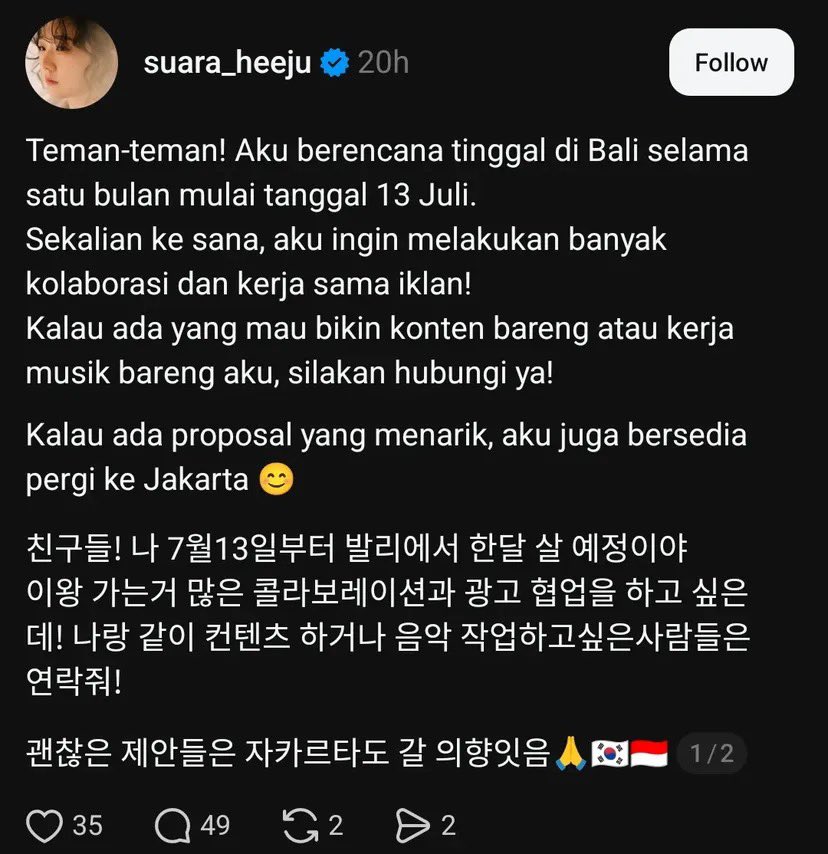
Curang banget kita ke korea dicurigai banget jd pekerja ilegal padahal nonton kpop doang.
Lah dia terang2an nyari penghasilan dengan visa turis.
Lapor imigrasi gak sih
cc: threads

Indonesia
Dr Silverman retweetledi

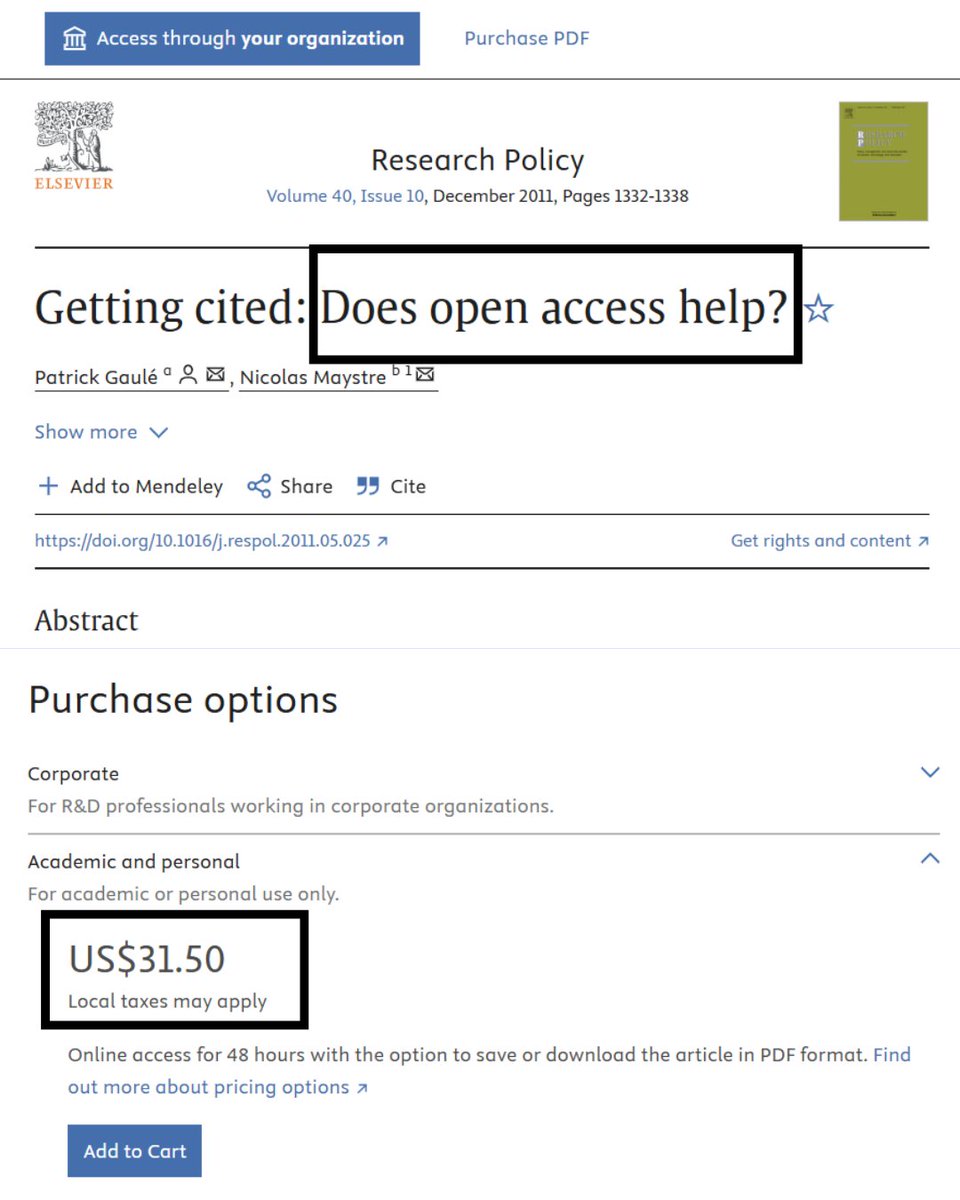
Find out how open access can help science by paying $31.50.
English
@wierraz @LambeSahamjja Dan lu ngomong gtu disaat lu pake visa turis. Coba lu debat sama orang imigrasinya.
Indonesia
@wierraz @LambeSahamjja Lu kalo ke imigrasi, ditanya di negara tujuan, terus lu jawab, lu mau kerja walaupun lu belum fix, lu bisa ga diterima masuk tolol. Makannya coba lu keluar negeri sekali2 gblok
Indonesia
@wierraz @LambeSahamjja Coba baca lagi, bisa baca kan? Baca lagi “aku ingin melakukan banyak kolaborasi”
Indonesia

@LambeSahamjja ya nggak salah sih orang cuman ngonten, urus visa kerja emangnya mau kerja di korporat. sama aja pelancong indo keluar mau ngonten2 apa pake visa kerja
Indonesia
Dr Silverman retweetledi

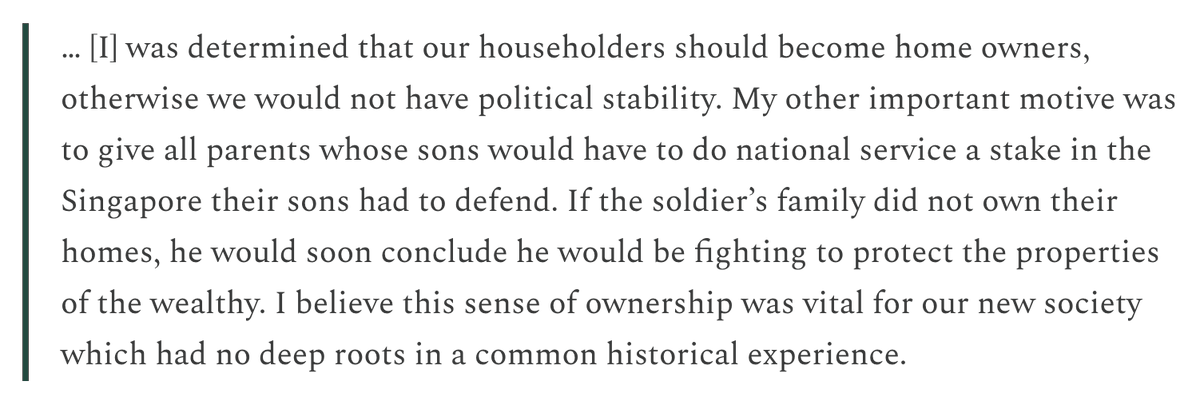
Lee Kuan Yew on homeownership as nation-building:
"if the soldier's family did not own their homes, he would soon conclude he would be fighting to protect the properties of the wealthy."
From my new post on Singapore's HDBs
Oliver Kim@oliverwkim
🚨 New 🌐 Global Developments blog 🚨 Singapore's HDB public housing system has become a model for the world—so why is it in trouble? Link in reply.
English