

Dr. Milind Kulkarni
6.1K posts
Dr. Milind Kulkarni
@drmkulkarni
IIT Bombay Alumnus, Civil & Enviro Engineer, Professor, Entrepreneur, Husband, Father, Author, Social Worker
Mumbai, India Katılım Kasım 2013
362 Takip Edilen515 Takipçiler

As a boy in the 1970s, I remember seeing abandoned overhead water tanks and the like in villages. Many are still there, slowly rotting away, even as new infrastructure gets built. Reason? There was no local involvement in the creation and maintenance of this infrastructure.
Today, we still see irrigation ponds being poorly unmaintained in villages. They used to be maintained at the village level (every village would have an irrigation committee and a head) and the state Public Works Department took them over (in the 1970s) and destroyed the existing local institutions. That is when they started to deteriorate.
Our Panchayati Raj reforms did not go all the way. We have to strengthen these institutions substantially at the panchayat, mandal (panchayat union) and district level.
In a similar way, Hindu temples, once they were taken over by the state government HR&CE, started to deteriorate. Today, in most cases, local devotees fund their upkeep or renovations, and the state HR&CE department works as a "write letters to local wealthy people to ask for help" agency (and that is the good part).
The only solution in every case is to hand control of these to local institutions.
We need to build real governance capacity at the village, town and district level. Just as lack of exercise destroys muscles, our governance capacity degrades when unused. That has bad consequences because when we neglect village/town level governance, we don't develop an organic talent pool of governance-capable people to draw upon at the state or central levels.
The IAS is administrative machinery, not an organic governance or policy making enabler. The machine needs capable drivers. It is that capability we must build organically.
Our districts are more populous than small nations like Estonia. Pondicherry and Goa, small states with about the same population or even less than that of Tenkasi, get far better focused governance, so we already have a model of this within our nation.
When we push responsibility down, local capability grows. This is the same principle behind scaling companies as well.
Unless we push governance responsibility down to the village and district level, we cannot truly unlock the capability and potential of our people.
I call this the District Driven Development model.
In my personal capacity, I have set myself the goal of contributing to the holistic development of at least one rural district in my life time, hopefully 3 or 4.
Bharat Mata ki Jai 🙏
English
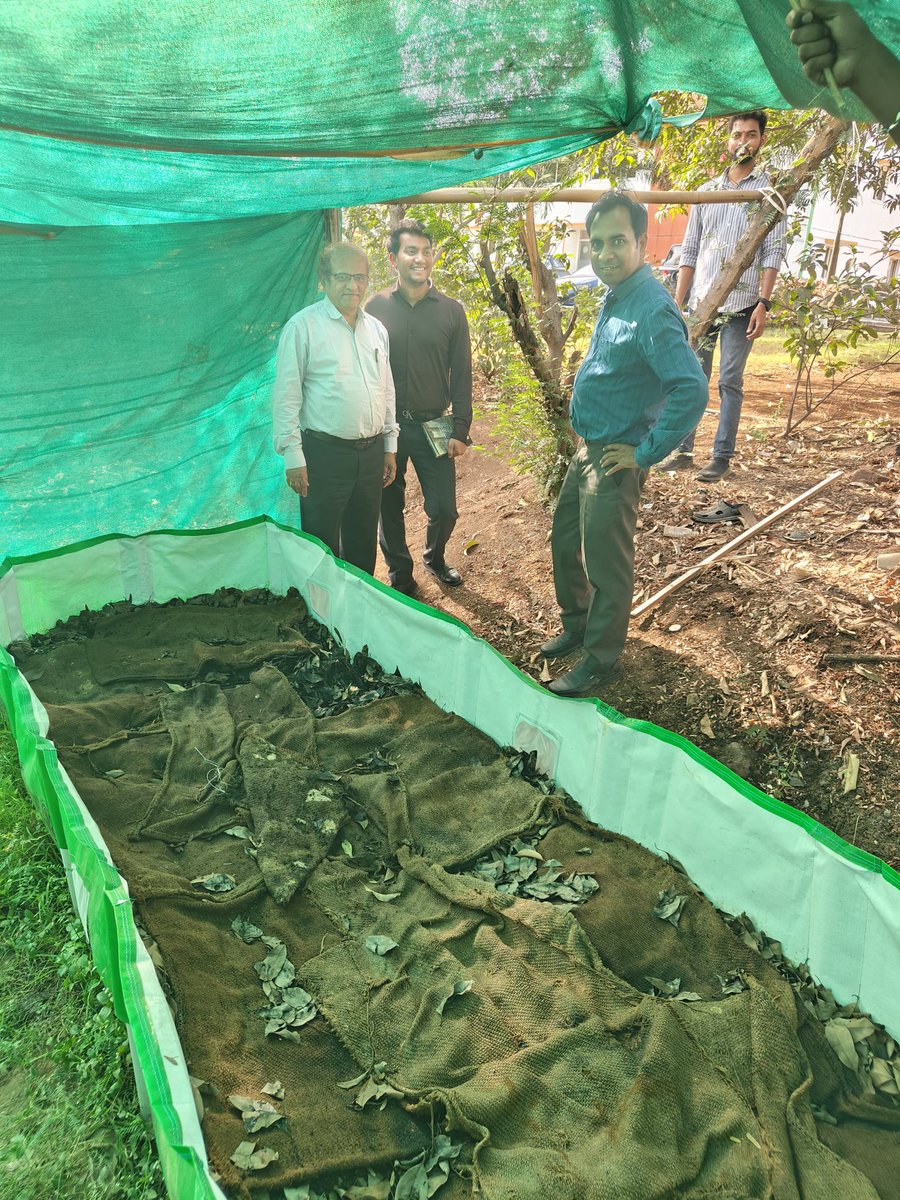
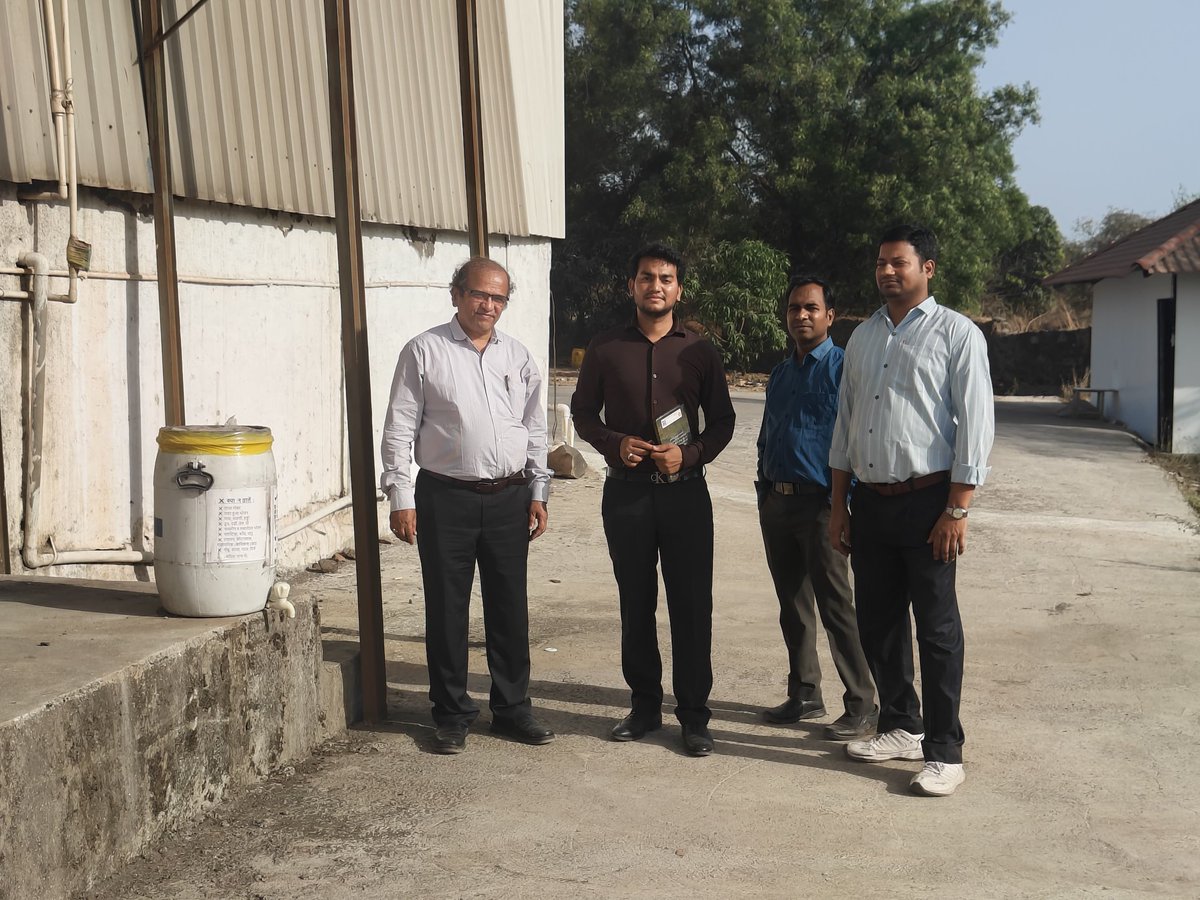
Solid waste management is a neglected aspect in many industries. But when a company applies for Green Company Certification and seeks our guidance, we ensure that they manage their Solid Waste properly and become Zero Waste to Landfill company.
English
recharge is happening at the particular site. In porous soils recharge will be faster, but in black cotton soil, it will be very slow. It will be a good strategy to store harvested rainwater. Otherwise it will be just another Green washing. worldenviro.com #rainwater
English
Rainwater harvesting is an important component of water conservation efforts of an organization. This not only increases the ground water table but also helps in reducing soil erosion. However it should be implemented scientifically. We need to actually measure the rate at which

English
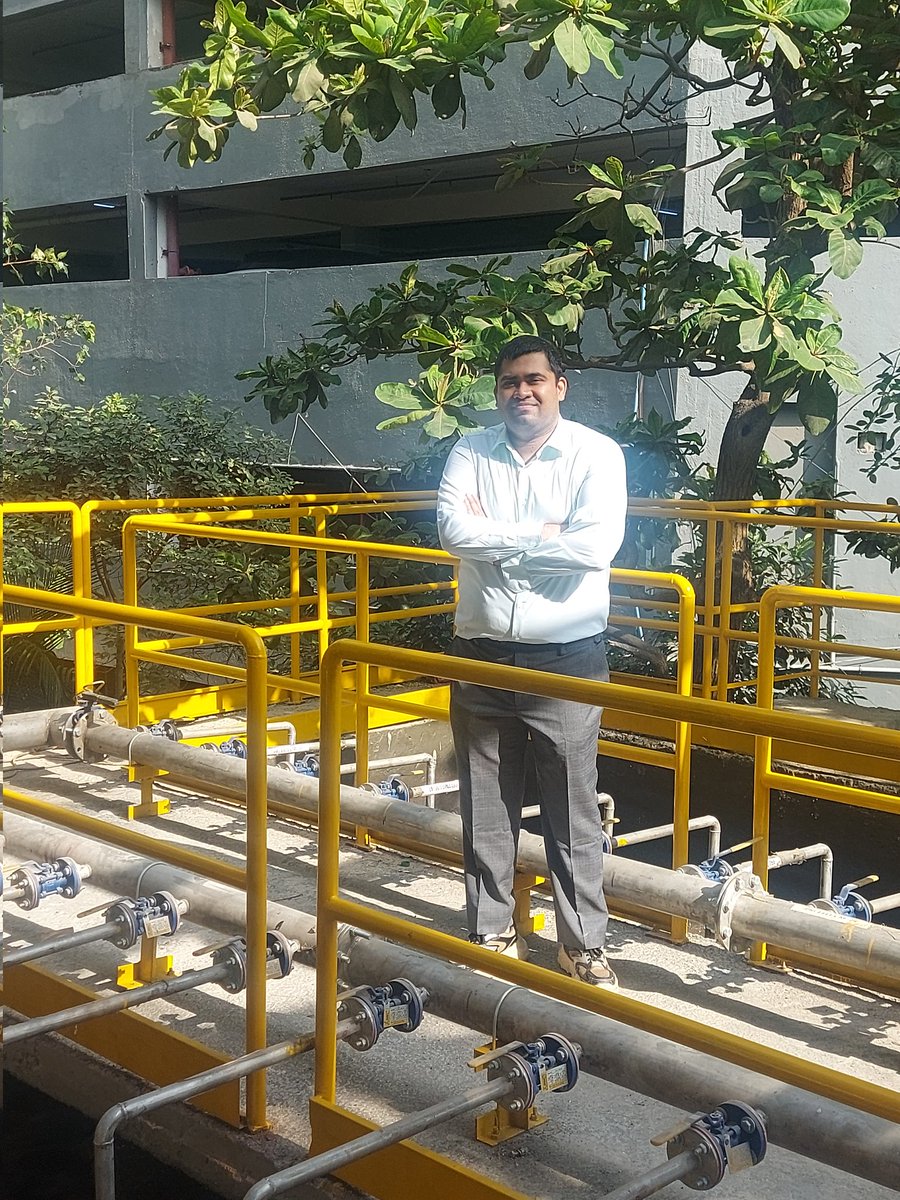
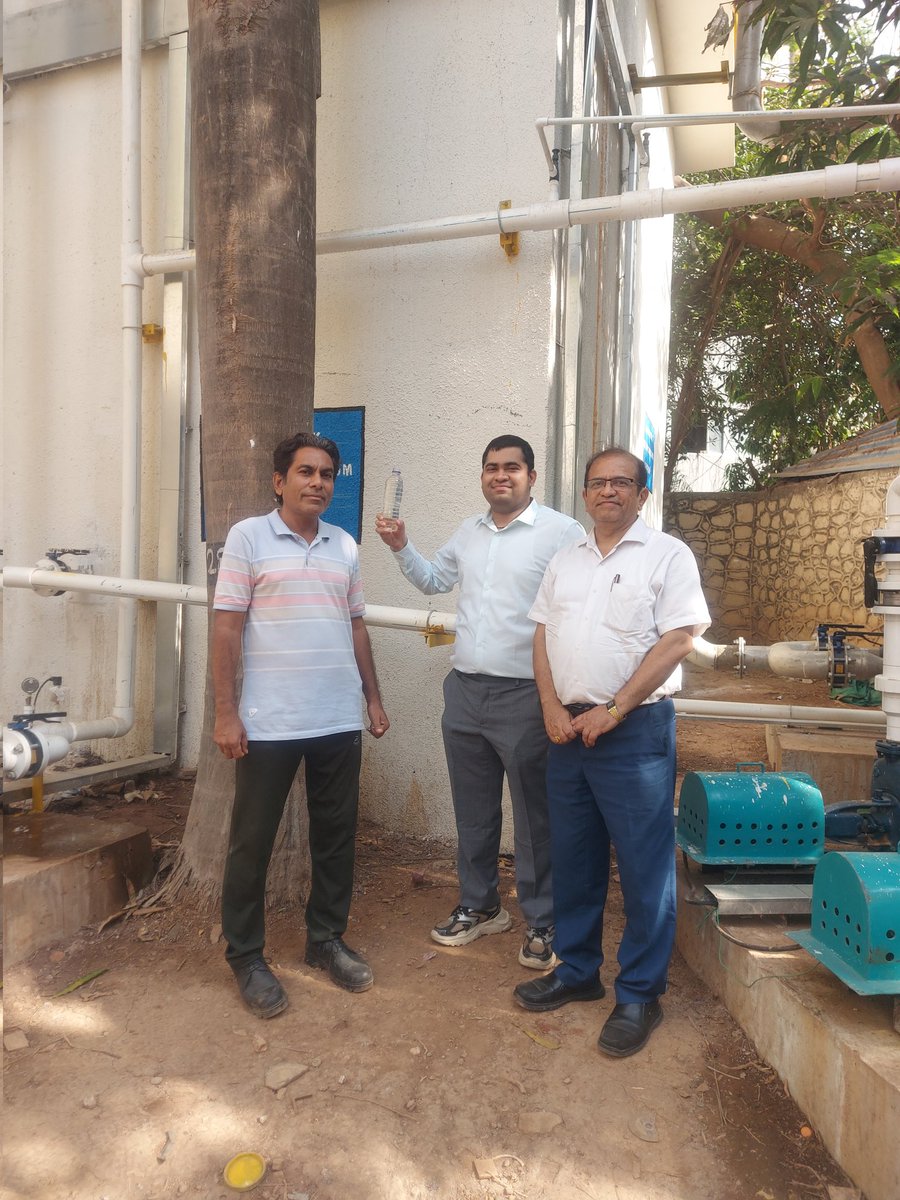
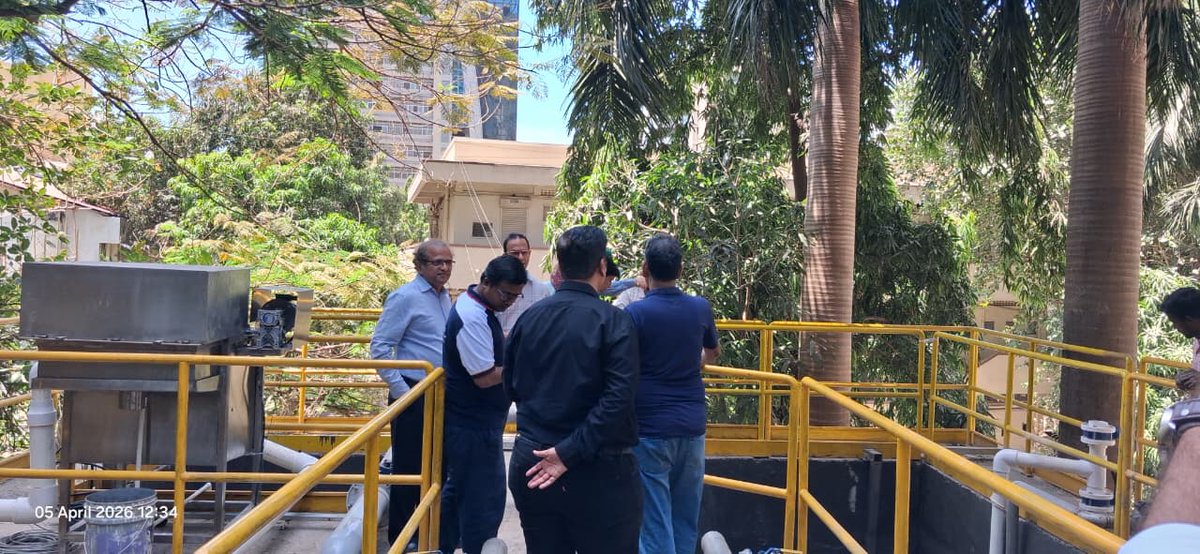
Here Prasad Kulkarni is holding a bottle of Crystal clear water generated from the Sewage Treatment Plant of a housing society in Mumbai. This water is now used for flushing and gardening. The society got releif from the black coloured foul odoured water from old STP.
English
Dr. Milind Kulkarni retweetledi

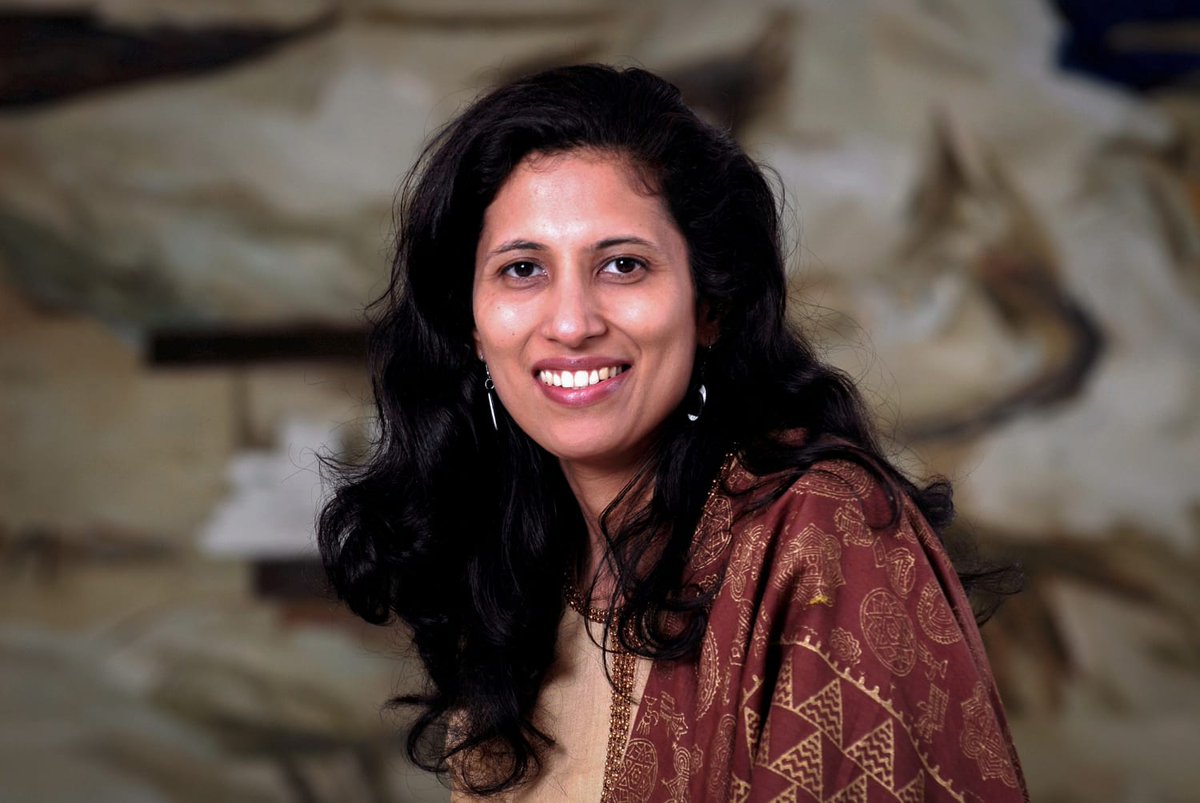
Her name is Leena Nair.
Born in Kolhapur, Maharashtra, 1969. First woman in her family to pursue higher education.
Her father had one condition before he would fund her studies.
He said this. I will educate you. But you must marry the man I choose before you turn 23.
She agreed. She needed the education.
She studied Electronics Engineering at Walchand College, Sangli. Then cleared XLRI Jamshedpur. Graduated with a gold medal in 1992.
She joined Hindustan Unilever as a management trainee.
Over 30 years, she rose through every level. In 2016, she became Unilever's first female, first Asian, and youngest ever Chief Human Resources Officer. Sitting on the global executive committee of a company operating across 190 countries.
In December 2021, she got a call she did not expect.
Chanel. One of the most iconic luxury brands in the world. Over 100 years old. An industry she had never worked in.
They wanted her as CEO.
She said yes.
In January 2022, Leena Nair became the first female and first Indian origin CEO in Chanel's history.
Her first year, she visited 25 regional offices. 40 manufacturing locations. Over 100 retail stores. Every creation studio. Before changing a single thing.
She said this. Seek to understand before you seek to change.
In June 2025, Prince William presented her with the Commander of the Order of the British Empire.
A girl from Kolhapur who agreed to an arranged marriage so her father would let her study.
Who became the CEO of Chanel.
Her name is Leena Nair.
Follow for real stories about Indians who refused to accept limits.
English
Dr. Milind Kulkarni retweetledi

An Indian travel blogger Ramjeet travelled to China and asked the locals what they thought about India, and the answers were surprising!
In a candid street interview, a Chinese student shared her evolving perspective:
"In the past, I used to feel relatively backward... but in recent years, it feels like development is happening very fast... now I am thinking of travelling to India one day!"
It’s incredible to see how perceptions are shifting as India continues to grow on the global stage.
English
It's footprint has spread not only across India but across the world. It is really WORLDENVIRO. PSI is trying to fulfill it's Mission "Services in Environmental Engineering and Management". Congratulations Prachi Services Inc and team on Foundation Day. worldenviro.com
English
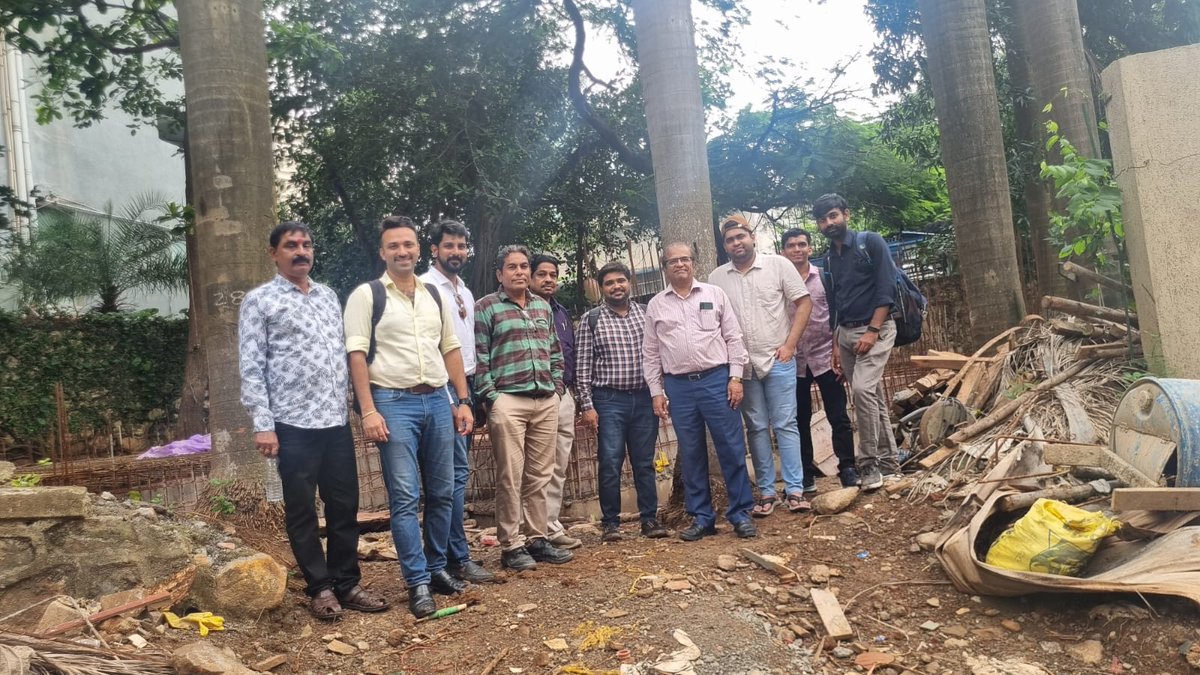
The second work order followed immediately from M/s German Remedies, Andheri to perform their Environmental Audit. The works went on increasing. Today, Prachi Services Inc is a partnership company and completed 35 years of it's existence.
English
April 12, 1992 is the date when Prachi Services started it's operations from Dadar, Mumbai as a Proprietary firm with late Mr. Madhav Dashputre as it's Proprieter. They got their first work order from M/s Grindwel Norton to do Ambient Air Monitoring for their unit near Mumbai.
English
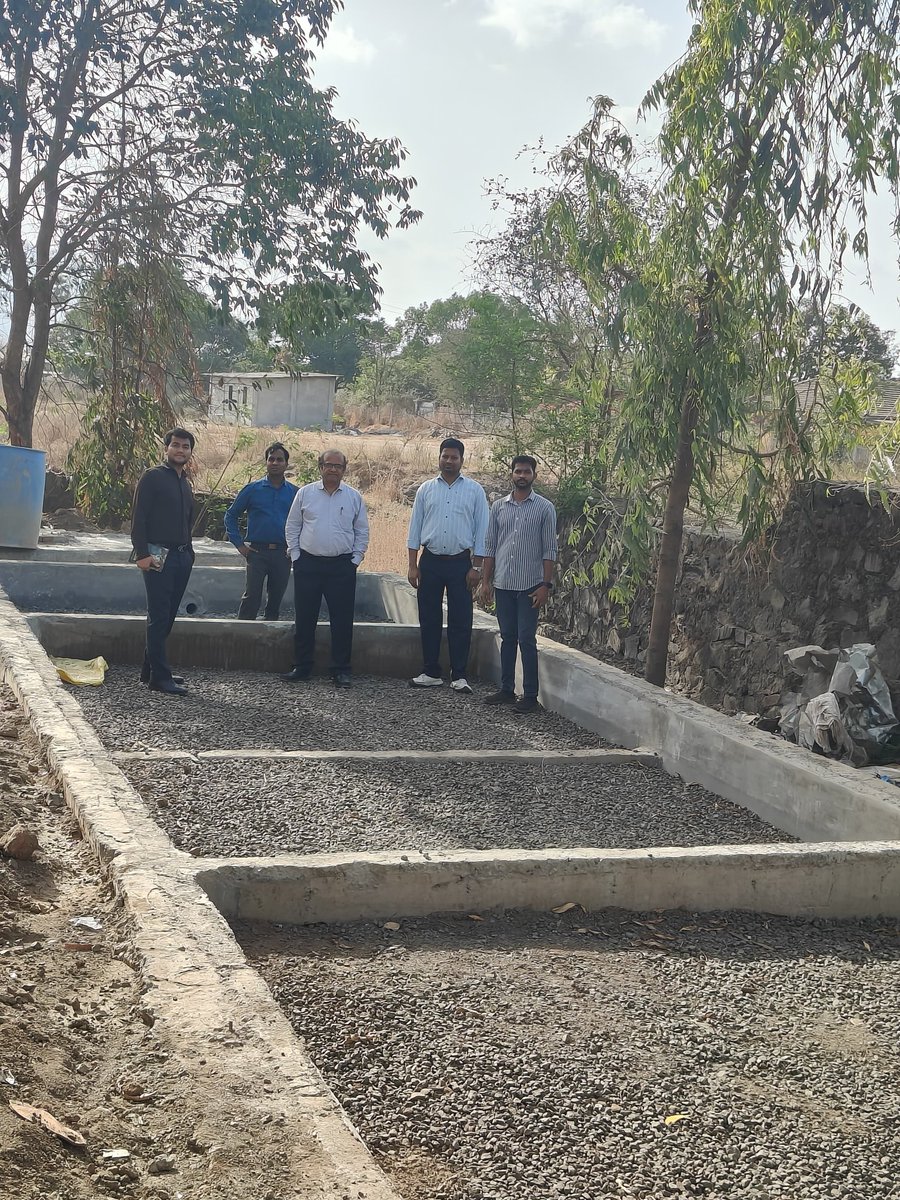
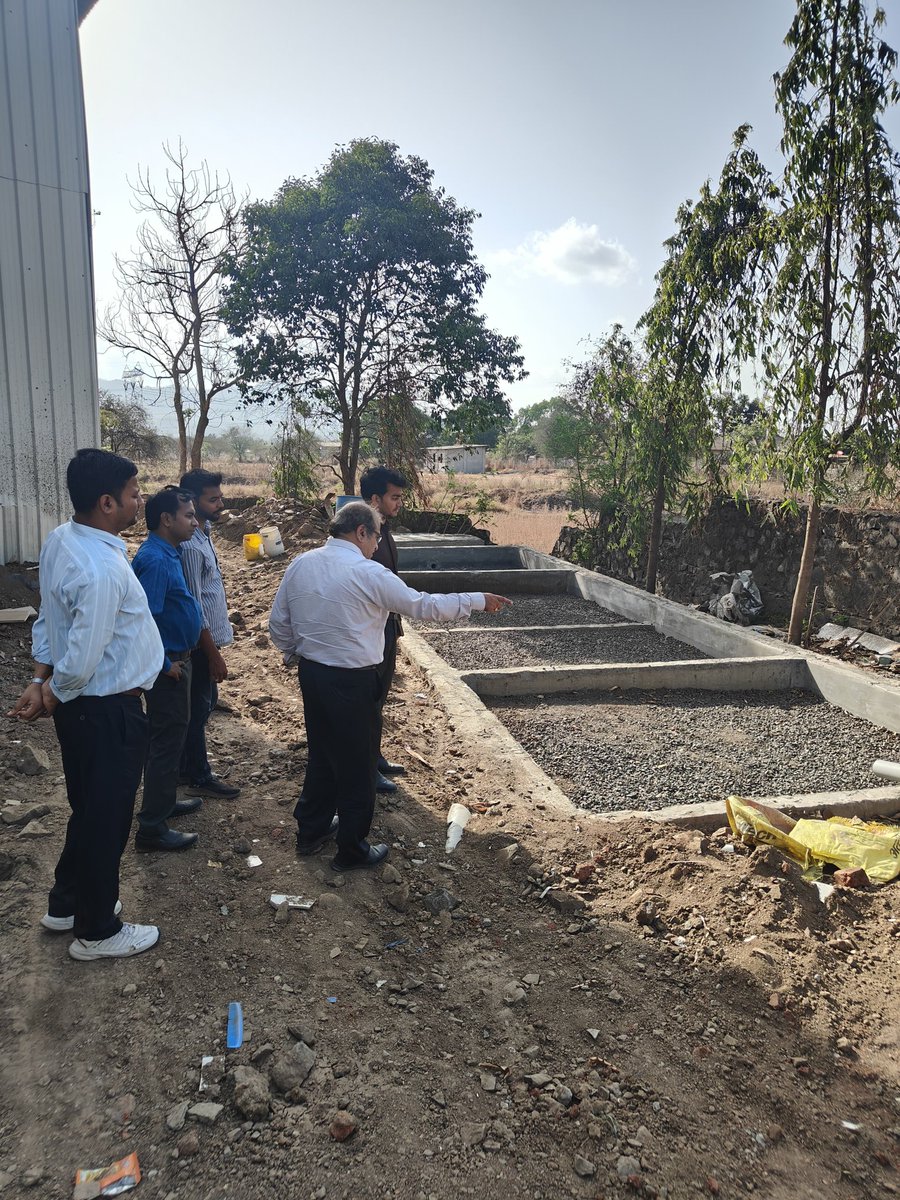
Another day another Sewage Treatment Plant. In metro cities like Mumbai and Pune where land costs are high, we recommend Technologies like MBR, SBR, MBBR etc. But in areas where ample land is available we recommend nature based technology like Constructed Wetland where ..
English
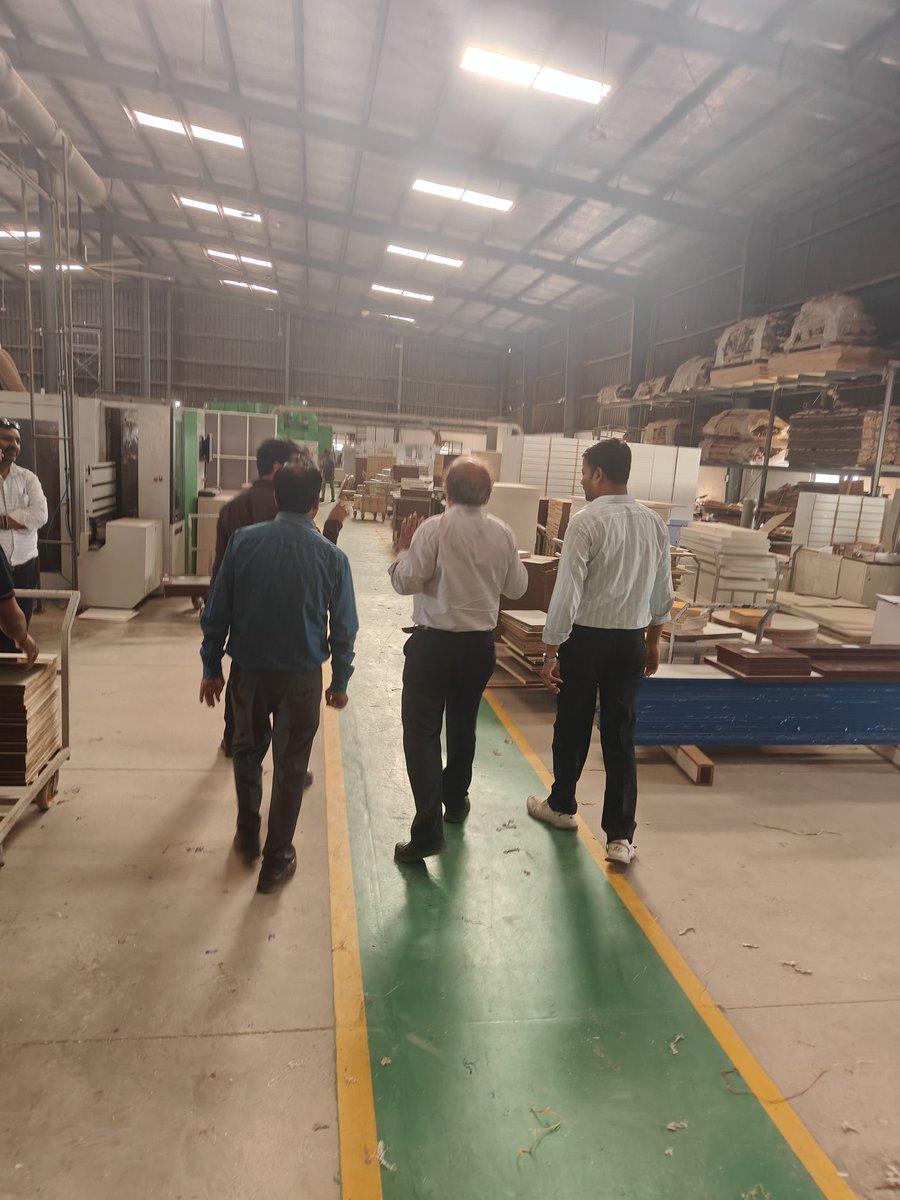
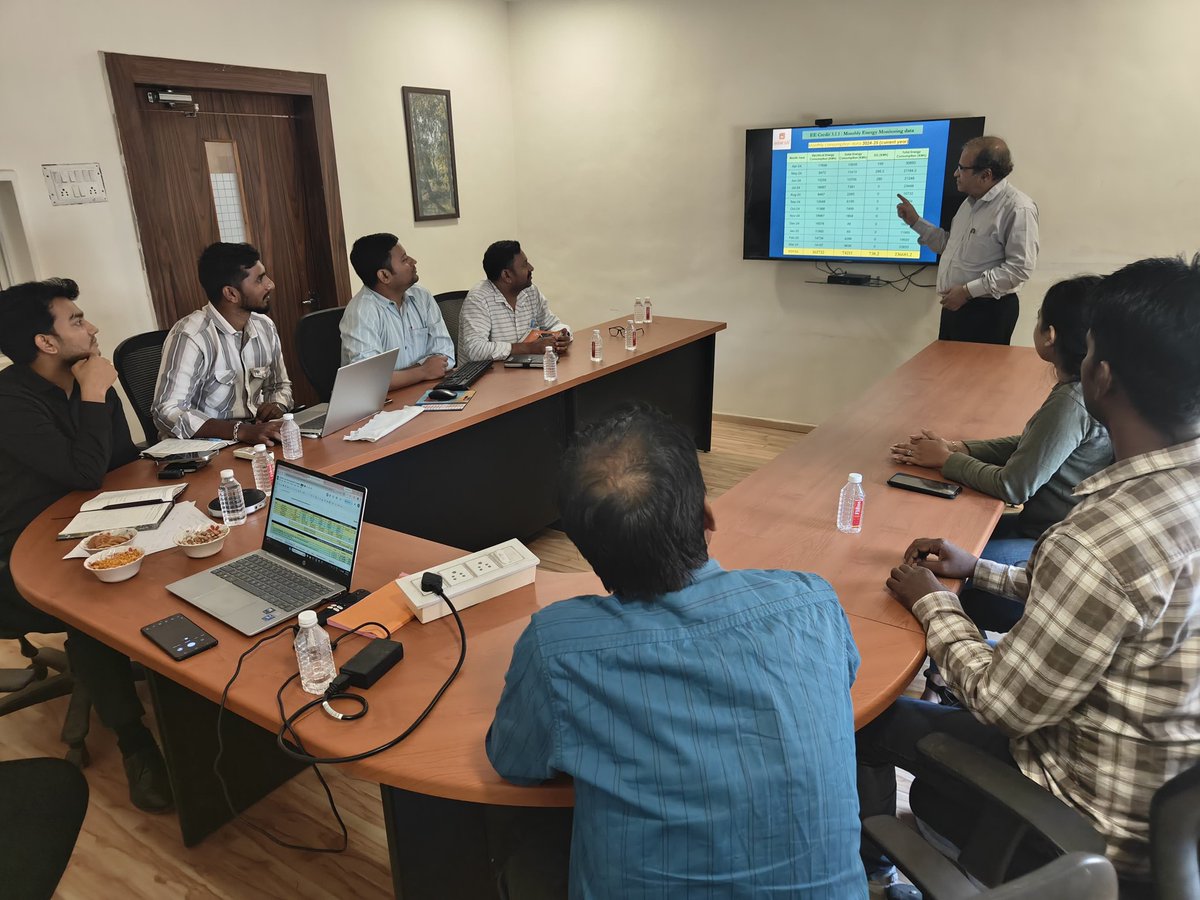
. the areas of Sewage Treatment Plants, Rainwater harvesting system, Vermicomposting, biocomposting, water conservation, Energy Efficiency, Renewable Energy etc. worldenviro.com @SERVICES_WE
English
Many companies want to implement ESG initiatives and want to become Green. But they don't know what are the gaps and how to fill them. Here we are guiding a furniture manufacturing company in Mumbai Metropolitan area about finding the gaps and projects to be implemented in ...1/2
English
Dr. Milind Kulkarni retweetledi

🚨🇮🇳 BIG: India becomes 2nd country in the world (after Russia) to operate a commercial-scale Fast Breeder Reactor
This indigenous reactor:
◾️Breeds more fuel than it consumes
◾️Marks Stage 2 of India’s 3-stage nuclear programme
◾️Paves the way for thorium-based energy
◾️Reduces import dependence
English
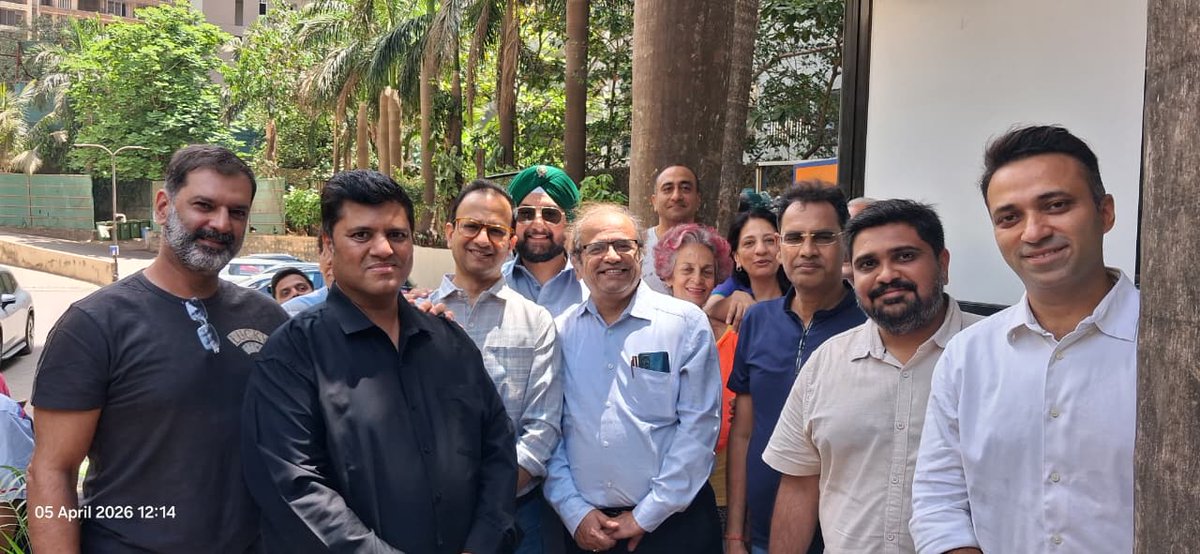
Inauguration of 500 KLD STP based on MBR technology at Oberoi Springs Housing Society, Andheri West, Mumbai. The society will get 500 KL crystal clear water per day which they can now use for flushing, landscaping. @SERVICES_WE are proud to be the consultants
English
Dr. Milind Kulkarni retweetledi
This is such a ridiculous post. The guy sounds like he has just landed in India and has culture shock, that is all. Just because a country is clean does not make it good. A clean country can be boring as hell. I am not inspired to live in China for many reasons but one is because there is no religion there - what values do people have? It could be materialistic and a meaningless existence. As for beggars, there are plenty in the UK and UK is meant to be a rich country - so having beggars or not, having homeless or not, is not a sign of anything. As for chaos, this is what many people find to be the beauty of India. As somehow things work in the chaos. India is far more complex than this freshie realises. There is a way through the chaos. If all countries were the same, there wouldn't be any point in travelling. It is the amazing experiences you have in India, that make people want to go there - in the cities, the villages, the mountains. India is deeply spiritual. And I am not even comparing the fact one is a thriving democracy, with a free media and free speech, where protests can happen, and one is not.
Manu🇮🇳🇮🇳@mshahi0024
Bro, after spending 6 weeks in China, landed in India. Bro was in pure shock, just a 3 to 4 hour flight and it felt like another planet. Bro explained how China is extremely clean and organized, while India feels chaotic everywhere. Bro said he had never seen so many beggars and homeless people, while in China he could not find even a single beggar. Instead of blaming him, it is high time we introspect how we, as Indians, are being scammed by traditional political parties and less educated politicians. How corruption, infights and religious bigotry as a tool used by Corrupt leaders are derailing us Backward from other nations. If China can change its fortune in just 2 decades, why cannot more capable Indians do the same?
English


Dr. Milind Kulkarni retweetledi

Japan to set up new Foreign Ministry office focused on India to deepen economic ties. Move targets trade, supply chains and investment as Japan plans ¥10tn ($68bn) investment in India over 10 years. India hosts ~1,400+ Japanese firms, with expansion targets rising toward 5,000 by 2029.
asia.nikkei.com/politics/inter…
English
Dr. Milind Kulkarni retweetledi

JUST IN: The United States has destroyed Iran’s air force. It has sunk Iran’s navy. It has degraded 70 percent of Iran’s missile launchers. It has hit the factories, the airbases, the ammunition depots, the radar systems, the command nodes. Secretary Rubio confirmed all four objectives are “ahead of schedule.” The IDF says the campaign is “days from completion.” Hegseth says “we are finishing it.”
And at 12:10 AM local time today, an Iranian drone struck the fully loaded Kuwaiti supertanker M/T Al Salmi at Dubai’s port anchorage, setting it ablaze, punching through the hull, and threatening the first major oil spill of the war, 31 nautical miles from the Burj Khalifa. All 24 crew are safe. The fire has been extinguished. The molecule has not moved.
This is the paradox that defines the 2026 war. The US has achieved comprehensive military victory over every conventional capability Iran possesses. And the strait is still closed. The toll booth is still collecting two million dollars per tanker in yuan. Transits are at nine per day versus 138. The insurance market is still shut. And Iran just demonstrated, with a single drone hitting a 320,000-tonne VLCC at anchor in Dubai’s waters, that it can threaten every vessel in the Gulf regardless of how many airbases are cratered in Isfahan.
The WSJ reports that Trump has privately told aides he is willing to end the war even if Hormuz stays closed. Read that sentence again. The President of the United States is prepared to accept that the waterway carrying twenty percent of the world’s oil will remain under Iranian permission-only control after the most intensive air campaign since 2003. The stated objectives will be achieved. The unstated objective, which was always the real one, will not be.
This is what I have been writing about since Day One. The war everyone is watching is between militaries. The war that is actually reshaping the global economy is between molecules and chokepoints. You can destroy every launcher, every factory, every airbase, every radar dish on the Iranian plateau, and the strait remains 39 kilometres wide, bordered by Iranian territory, within range of shore batteries, mines, kamikaze drones, and fast-attack boats that cost less than a single Patriot interceptor. The military campaign operates on the logic of degradation. The chokepoint operates on the logic of geography. Geography does not degrade.
While Trump weighs his exit, Dar is in Beijing right now securing Chinese backing for Pakistan-hosted peace talks. The quadrilateral of Saudi Arabia, Turkey, Egypt, and Pakistan endorsed the initiative two days ago. China told Pakistan to “restore normal navigation through the Strait of Hormuz.” The NPT Review Conference opens in 27 days. The Trump-Xi summit is six weeks away. And sitting between the military victory and the diplomatic framework is the molecule, waiting in a pipeline, in a tanker, in a cylinder beneath Isfahan, indifferent to the outcome of every battle fought in its name.
The navy is sunk. The air force is gone. The factories are burning. And the tanker is still on fire in Dubai. The war the Pentagon designed is won. The war that matters, the war over whether twenty percent of global oil, a third of the world’s helium, and half of seaborne fertiliser can physically move through a 39-kilometre strait, is exactly where it was on February 28.
The molecule does not negotiate. It does not recognise military victory. It flows, or it does not. And today, Day 31, it does not.
open.substack.com/pub/shanakaans…

English
Dr. Milind Kulkarni retweetledi

How the Chinese government helped BYD emerge victorious over Tesla! A lesson for our government too!
English