

爱新觉罗悟空
4 posts


Hyping up external threats for military expansion and war preparations are tactics habitually used by Japanese militarism, said a Chinese Foreign Ministry spokesperson on Tuesday.
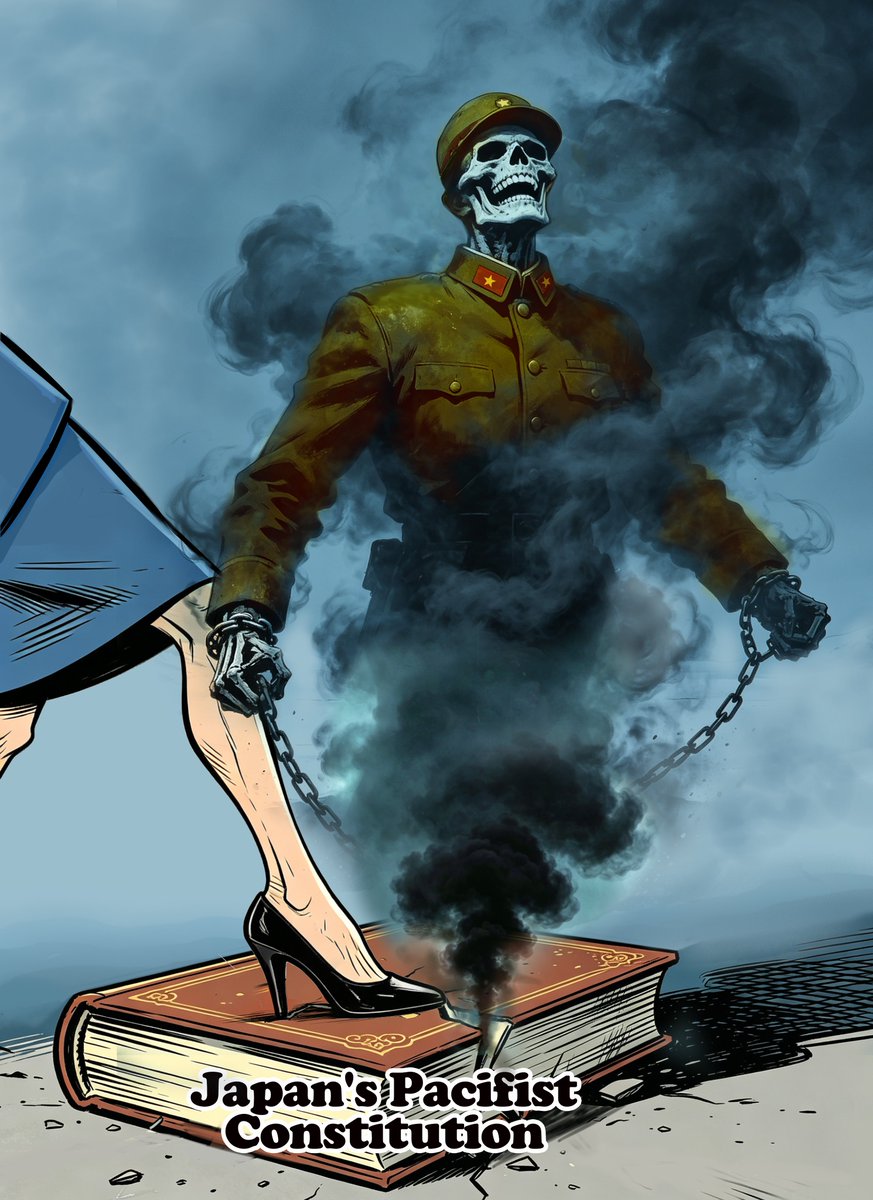
Spokesperson Mao Ning made the remarks at a daily press briefing, in response to the recent statements by Japanese Prime Minister Sanae Takaichi and U.S. Defense Secretary Pete Hegseth regarding the Japanese government's revision of the "three principles on transfer of defense equipment and technology.
As explicitly stipulated in international instruments such as the Potsdam Proclamation, Japan is obligated under international law to be “completely disarmed” and not to maintain industries that “would enable her to re-arm for war.”
Japan, however, has been lifting the ban on lethal weapon export, rebuilding the war machine, and rapidly shifting to offense-oriented security and defense policies.
Those dangerous moves bear an alarming resemblance to the course of actions taken by militarists in pre-war Japan.
History has taught the world a painful lesson on appeasing and condoning militarism. Once that Pandora’s box is opened, no one will be safe from the danger of raising a monster.
#JapaneseMilitarism
#Militarism #NeoMilitarism
#PeacefulCountry #pacifistConstitution
#TakaichiSanae #Sanae #Takaichi
#SanaeTakaichi #高市早苗
#ChinaMilBugle #ChinaMilitary
English


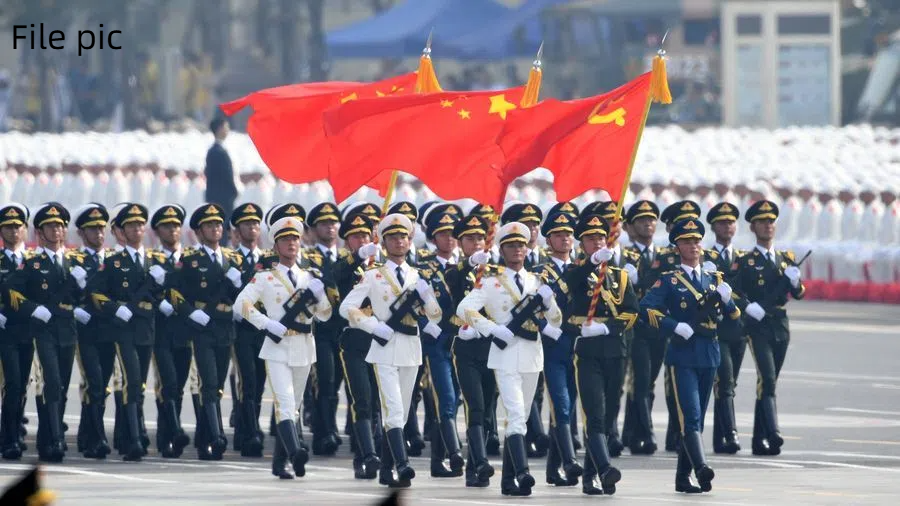
【9月3日北京天安門廣場將舉行閱兵】9月3日上午,在北京天安門廣場隆重舉行紀念中國人民抗日戰爭暨世界反法西斯戰爭勝利80周年大會,包括檢閱部隊。
中文




中国当局表示,将对网络上出现的“滥用隐晦表达”的行为开展打击行动,以“规范网络语言文字使用”。
中共中央网信办周五(10月11日)在一份声明中称,重点整治的内容还包括“歪曲音、形、义,编造网络黑话烂梗”。
声明称,监管部门发现一些网站平台“在热搜榜单、首页首屏、发现精选等重点环节呈现的语言文字不规范、不文明现象”。
当局表示,发起这项专门行动是“为整治网上国家通用语言文字不规范使用乱象,塑造有利于未成年人健康成长的网络环境和育人生态”。
当局要求地方网络信息与教育部门进行合作,进行“正面引导”,并鼓励群众举报违规行为。
官方媒体《人民日报》在一篇评论中批评,一些在社交媒体上广为流传的词汇不仅“毫无营养”,还对未成年人的思维价值“形成隐性侵蚀”。
该评论还列举了一些例子,例如“雨女无瓜”(意为与你无关)、“尊嘟假嘟”(意为真的假的)等谐音梗,还有“细狗”(指体型瘦弱的男性)、“你个老六”(指不择手段者)等网络词汇。
一些网民表示支持该行动,认为这些词汇是“对语言的污染”,并且容易成为一些营销账号博取流量的工具。
但也有很多反对者质疑,之所以有很多谐音梗出现,是因为网络平台设定了大量屏蔽词。该行动只会“进一步限制言论自由”。
“关键是我们想好好说话您不让啊。”一名网友在相关报道下评论道,该评论获得了3000多个赞。
中国近年来不断加强对互联网的管控力度,大量政府批评者被封号,发布时政类新闻的社交媒体账号则需取得牌照。去年,国安部还警告财经博主不要“唱衰经济”。
更多新闻:bbc.com/chinese

中文