
EcomMane
105 posts


Looking to start a peptide company and replicate Medvi's success?
I just found their same supplier, and know how to rank #1 for "peptides for sale" on Google/ChatGPT.
Comment "peptide marketing" below for the contact info and list.

English
EcomMane retweetledi

Most Ecom operators are doing good numbers
But they can't tell you what next month looks like
I started doing MRR and filmed my entire playbook
$2.4M/month. Supplement brand. MRR.
Here's what's inside the video:
- Why one-time purchase brands always reset to zero
- The subscription architecture nobody is teaching properly
- How to find a winning product before you spend a cent
- Billing cycles, cancel flows, churn reduction (the full backend)
- The creative engine that scales without burning out
- How your MRR compounds so your revenue goes up every month
This is the thing I wish existed when I started.
Like, RT, comment "MRR" (must follow) & I'll DM you the link

English
EcomMane retweetledi

EcomMane retweetledi

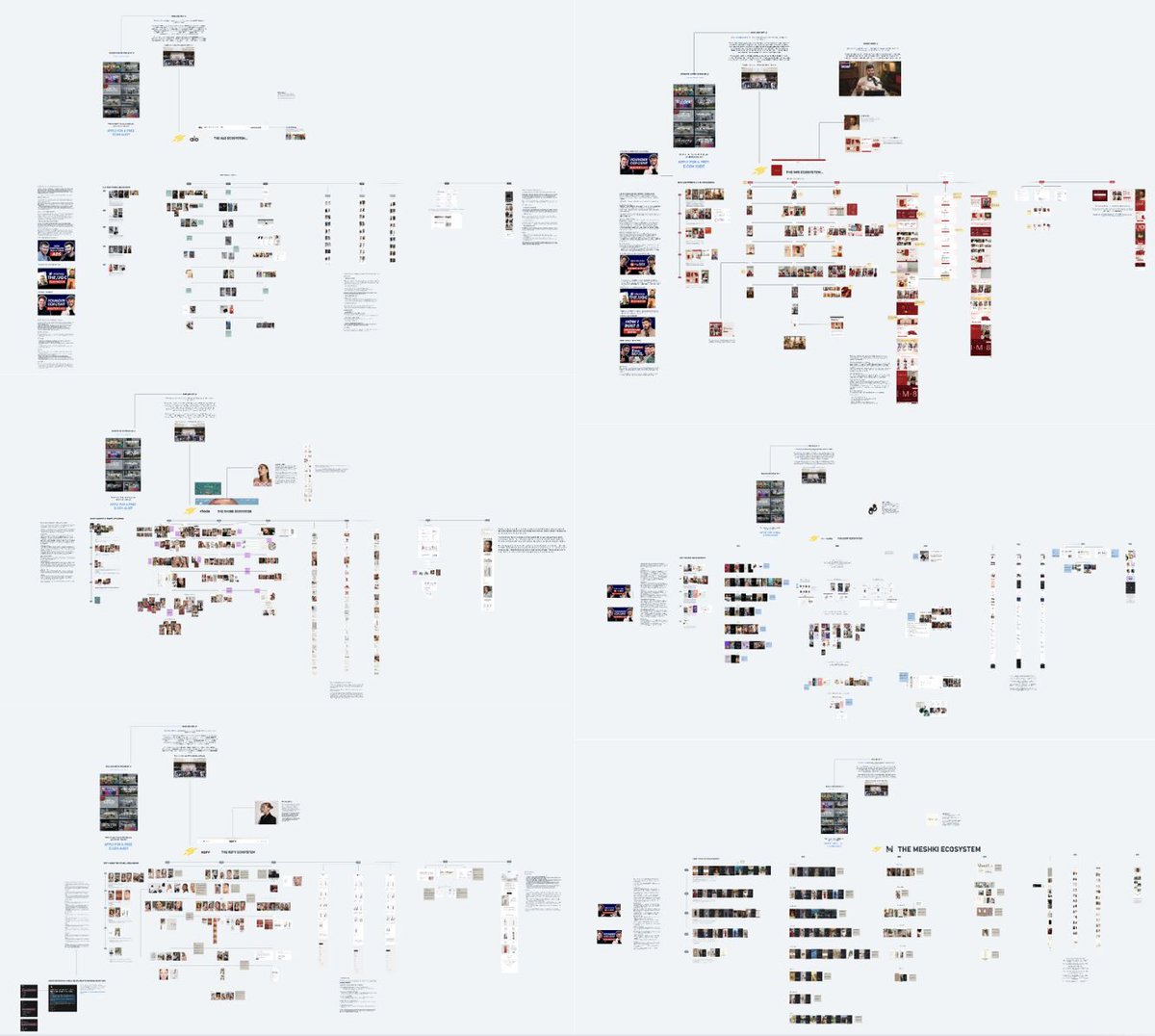
Back by popular demand, we're reopening the brand funnel vault. Get access to our most requested resource: the top-performing brand funnel breakdowns of 2025.
Not just their ads. The full stack:
Paid strategy > Organic > Landing pages > Google ads > Email > Offers
Everything.
Easily the most ripped asset we’ve ever put out.
So we’ve packaged them properly. One folder.
Here’s who’s inside:
– Rhode
– Meshki
– LOOP Earplugs
– Alo Yoga
– IM8
– Refy
– BREZ
– Wonderskin
Use this to cut out weeks of guesswork or get your next winning concept straight from their playbook.
If you want the folder, you know what to do.
Retweet the post.
Drop “FUNNEL” below.
We’ll send it your way.
English
EcomMane retweetledi

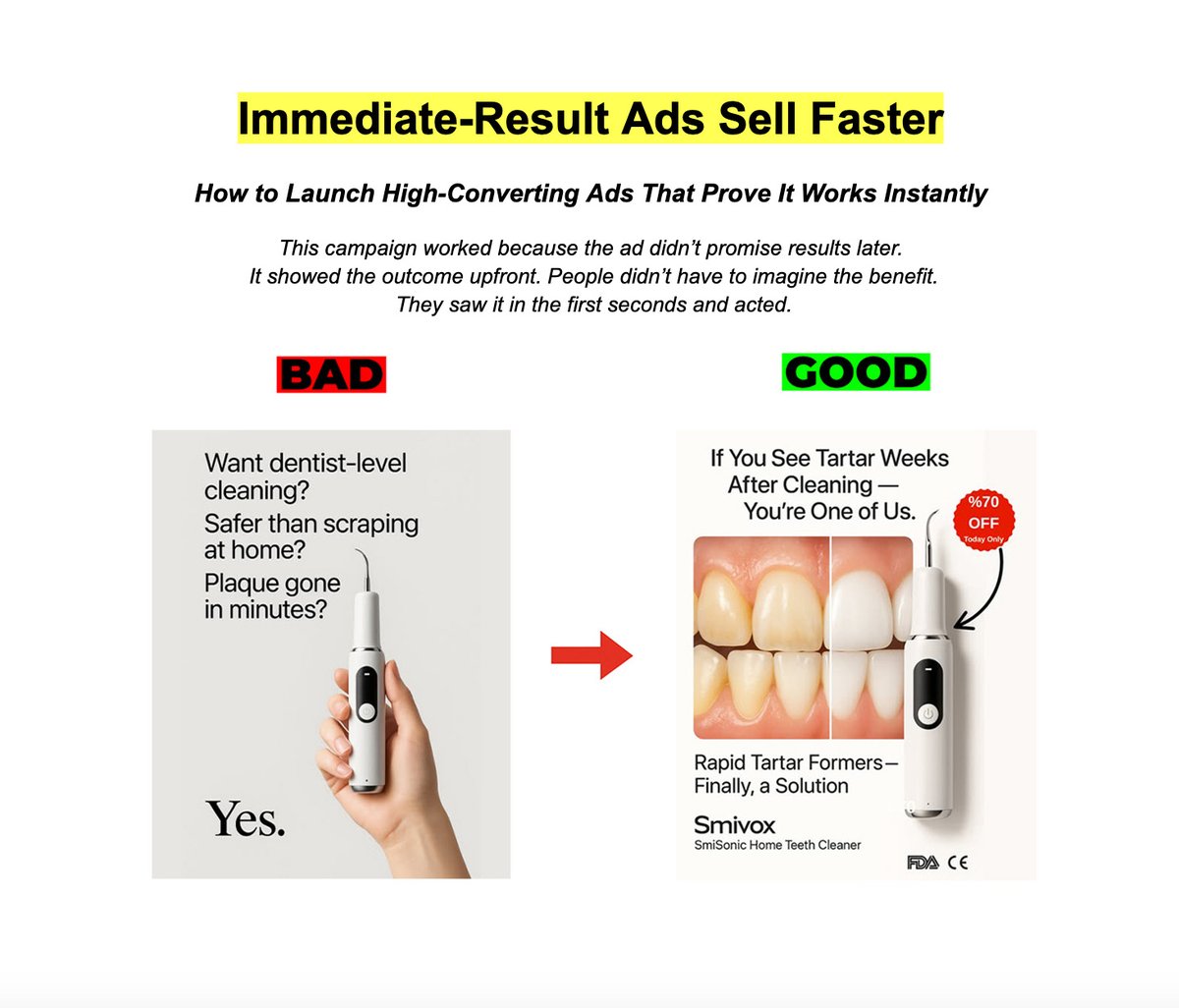
$500k+ ad accounts stop explaining and start showing
the left ad asks questions
the right ad proves the result instantly
→ no promises
→ no waiting period
→ no imagination required
people don’t buy “features” they buy certainty
show the outcome in the first second and you remove hesitation completely
this is why immediate-result ads sell faster
demonstration beats persuasion every time
i broke down the exact structure behind these ads and how to apply it to any product
rt + comment “instant” and i’ll send it
(follow for dm)
English
EcomMane retweetledi
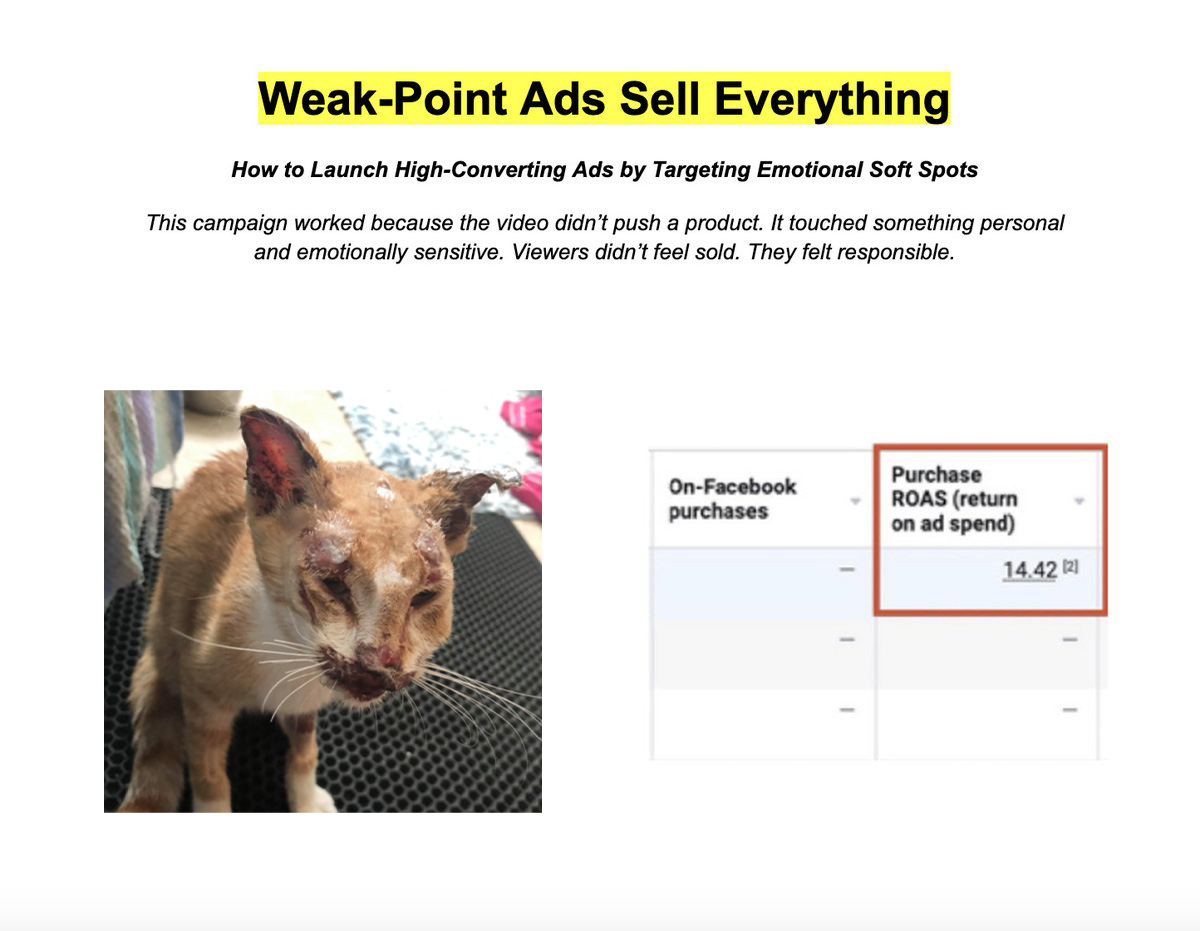
$610k unlocked by changing one creative angle
most pet ads explain care ingredients, benefits, routines
this one showed the consequence first
waiting → worse pain
scrolling → neglect
doing nothing → responsibility
no product push, no urgency tricks
the image did the selling
the viewer filled the gap
ads that hit the weak point don’t convince
they compel action
i mapped the exact framework i use to build these creatives
rt + comment “weak” and i’ll send it
(follow for dm)
English
EcomMane retweetledi

Here’s the cheat code nobody uses:
Take products that work in the US → bring them to the EU 🤌🏻
Less competition.
Cheaper ads.
Faster payouts.
That’s how I scaled my main store to £1.2M+ with Google Ads 💰
Want to know which EU markets + the exact setup?
Like + retweet, comment “EU” and I’ll send it to you!

English
EcomMane retweetledi
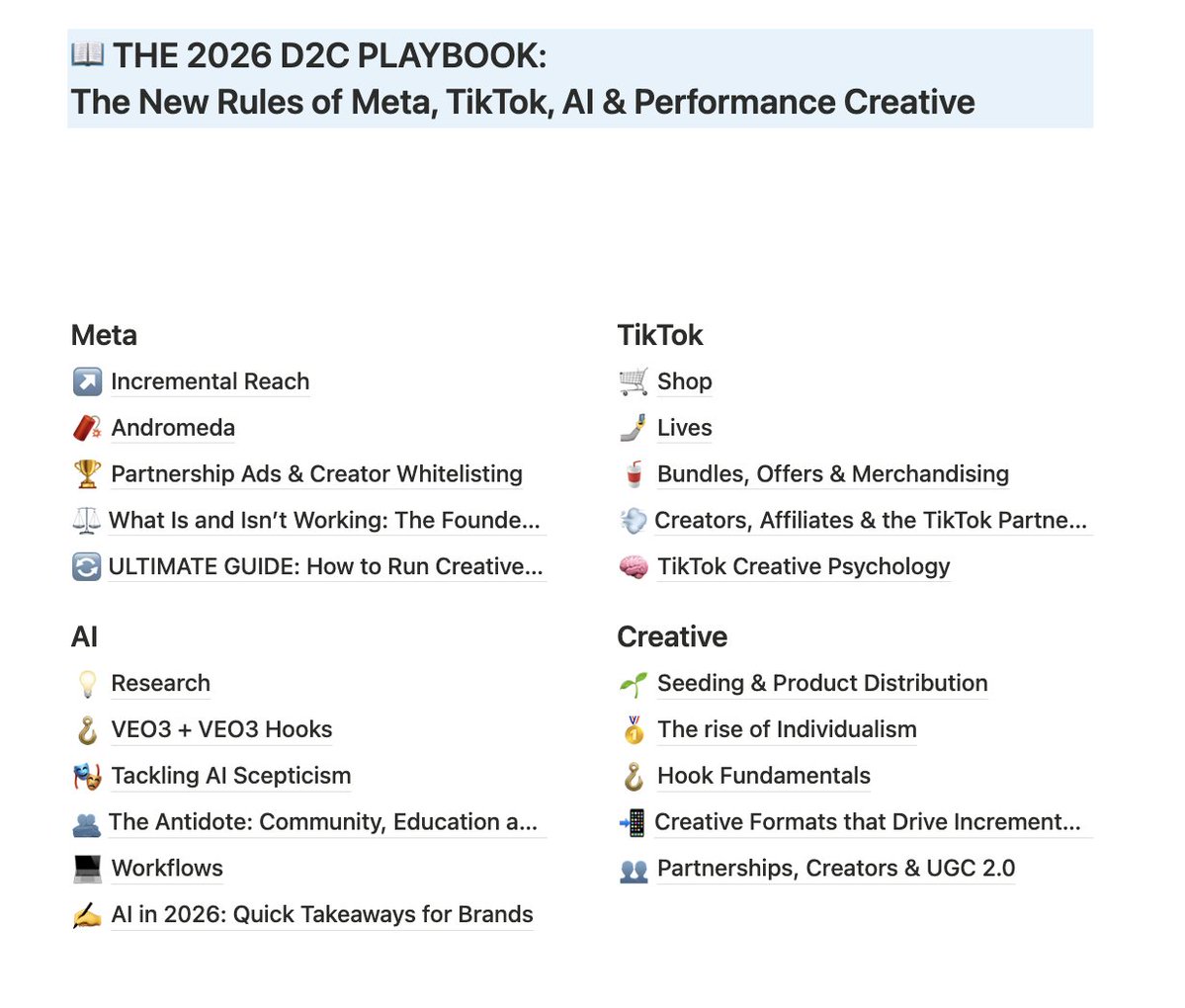
We’ve packaged what’s working, what’s dead, and what’s next for 2026 into one resource:
🚨 THE 2026 D2C PLAYBOOK: The New Rules of Meta, TikTok, AI & Performance Creative
2026 is the reset year.
If your ads aren’t built for algorithmic feeds and personalised signals, you won’t scale.
Every platform is now fully personalised.
You’re not competing in interest groups anymore
You’re competing inside each user’s unique feed.
And at the same time...
People crave connection more than ever.
They want emotion and authenticity, not just AI-fed precision.
So what wins in 2026?
Brands that blend machine logic with human insight.
That means:
- Creative systems built to match micro-behaviours
- Messaging that adapts in real time
- Ads that feel made for one, but scale to millions
This is your roadmap to profitable, personalised growth across Meta, TikTok, Google, and AI workflows.
- What’s working
- What’s out
- What’s next
Get the playbook. Build for what’s coming.
Want it?
→ Retweet this post
→ Comment “2026” and we’ll send it your way
English
@TeamYouTube @teamyoutube please respond to my dm, the issue has not yet been resolved
English

New Inspiration Tab features are now available for creators globally in English on YouTube Studio desktop:
💡 Feed of ideas based on your channel and audience
✅ Data-backed insights to explore an idea’s potential
All the details: goo.gle/4pVF8Jy
English
@TeamYouTube please I have dm’d still waiting for a response, this issue is still prevalent
English
@TeamYouTube My account’s playlists and watch history have not been able to be recovered, please respond!
English
EcomMane retweetledi

"selling info products is a scam"
ok so explain to me why the course industry is worth $400 billion
explain why guys like tate made $60M+ from a discord and some videos
explain why every business guru you follow is selling courses, ebooks, templates, coaching, communities
they're all scamming? every single one?
or maybe... information that solves problems has value and people will pay for it.
the same people calling info products a scam will spend $200K on a degree that teaches them theory from 1987. they'll pay $50 for a book at barnes and noble. they'll drop $2000 on a conference ticket to hear someone speak for 45 minutes.
but a $47 PDF that solves a specific problem? scam. fraud. can't work.
the logic isn't logic. it's cope.
look at the big names actually printing money right now.
iman gadzhi built an empire selling courses on agency skills. hamza sells self improvement programs. the brez guys, tjr, all of them. eight figures. nine figures in some cases.
"yeah but they have personal brands"
sure. they also started with zero followers just like everyone else.
and here's what people miss:
what do you think a course actually is?
it's organized information that helps someone achieve a result. that's it.
a 50-hour video course is just a really long version of what a 25-page PDF does.
both are info products. both solve problems. both have value if they actually help.
the only difference is packaging and price point.
a "course" sounds legitimate. a "PDF" sounds cheap. but they're the same thing at different scales.
every digital product is a mini course.
a notion template with instructions? mini course.
a swipe file with explanations? mini course.
a checklist that walks through a process? mini course.
a guide that teaches one specific skill? mini course.
you're not selling "info products." you're selling solutions in document form.
"but nobody will buy from me"
people buy from faceless accounts every single day.
there's a guy with a cartoon avatar selling excel templates making $30K/month. no name. no face. no personal brand.
there's a girl with a logo profile picture selling resume templates doing $15K/month. never posted a selfie in her life.
they didn't need clout. they needed a specific product for a specific audience and consistent content about that topic.
that's the whole formula.
"but the market is saturated"
the market for generic garbage is saturated.
"how to make money online" - saturated
"10 tips for productivity" - saturated
"mindset secrets for success" - saturated
but specific stuff?
"cold email templates for B2B saas founders" - not saturated
"instagram content calendar for yoga instructors" - not saturated
"client onboarding system for freelance designers" - not saturated
the more specific you go, the less competition exists and the more you can charge.
"but I don't know enough to teach anything"
you know more than beginners do. that's all that matters.
you're not selling to experts. you're selling to people 2 steps behind you.
figured out how to get your first freelance client? there's someone who hasn't.
learned how to meal prep efficiently? there's someone eating takeout every night.
know how to use notion to organize your life? there's someone drowning in chaos.
you don't need to be the world's leading expert. you need to be helpful to someone less experienced than you.
"but why would someone pay when free info exists"
free info is scattered. unorganized. contradictory. takes 100 hours to piece together.
paid info is curated. step by step. saves time. provides clarity.
people don't pay for information. they pay for organization and speed.
a $37 guide that saves someone 20 hours of research is worth way more than $37.
they know that. that's why they buy.
"but I've never sold anything before"
neither had anyone else before their first sale.
I made my first $47 with like 200 followers. wasn't pretty. wasn't viral. just helped one person solve one problem.
that first sale becomes your proof. screenshot it. post it. now you're "someone who sells digital products" instead of "someone thinking about maybe trying it."
the identity shift happens after the action. not before.
"but what if nobody buys"
then you learn why and adjust.
wrong audience? change your content.
wrong price? test different ones.
wrong product? make a different one.
wrong messaging? rewrite it.
nobody gets it perfect first try. the guys banking now have a graveyard of failed products behind them.
failure is data. not a death sentence.
"but it feels weird charging for knowledge"
you charge for your time at a job. knowledge is just compressed time.
that guide you could write? represents hundreds of hours of experience someone else doesn't have.
charging for it isn't weird. giving it away for free when it has real value - that's weird.
the gurus you're watching have no problem charging $2000 for a course. why do you have a problem charging $37 for a guide that actually helps?
get over yourself.
here's the reality:
info products work. they've worked for decades. they'll work for decades more.
the medium changes. books became ebooks. seminars became courses. courses became communities. the underlying exchange stays the same.
valuable knowledge for money. that's all it is.
you can keep being skeptical while other people bank.
or you can make a simple product, post about it consistently, and see what happens.
worst case you waste a few weekends and learn something.
best case you build an income stream that pays you while you sleep.
I know which bet I'm taking.
English
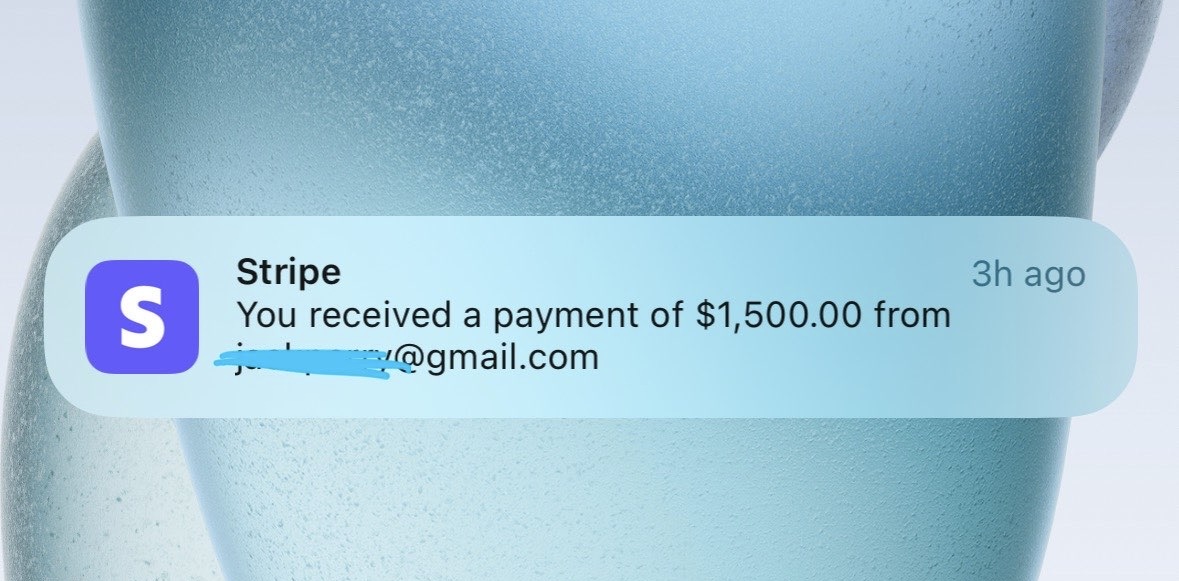
I made $600K before 19 selling digital products online.
here's the 40-step system I followed:
1. picked a niche where people were already spending money. not what I was passionate about. what people pay for.
2. searched twitter and reddit for "how do I" and "struggling with" to find real problems people have.
3. made a list of 15 problems I could realistically help solve based on my own experience.
4. checked gumroad to see if products existed in that space. competition means demand.
5. picked the problem I understood best and could explain simply.
6. opened google docs and brain dumped everything I knew about solving it.
7. organized the mess into: problem, why it happens, solution, steps, examples.
8. kept it 20-30 pages. short enough to finish, long enough to be valuable.
9. added screenshots wherever something needed visual clarity.
10. recorded a 15-min loom walking through the main points.
11. made a cover in canva using free templates. took 10 minutes.
12. named it something specific with a clear outcome. not vague guru stuff.
13. created a gumroad account and uploaded everything.
14. wrote a description: what it is, who it's for, what result they get.
15. priced it at $37. low enough for impulse buys, high enough to filter tire kickers.
16. took the first 5 pages of my product and turned it into a free lead magnet.
17. set up beehiiv for free email collection.
18. built a landing page on carrd. headline, bullets, email capture. simple.
19. wrote 5 automated emails in beehiiv. first 3 value, last 2 pitch.
20. created a twitter account about this one specific topic.
21. wrote a bio explaining who I help and what transformation I offer.
22. found 10 accounts in my niche with 30K-100K followers.
23. screenshotted their top 50 tweets and studied the patterns.
24. used claude to generate 40 tweet variations based on those winning formats.
25. mixed content types: quick tips, stories, hot takes, threads, screenshots.
26. scheduled 4 tweets daily using tweethunter. 7am, 12pm, 5pm, 9pm EST.
27. pinned a tweet offering the free guide with a comment CTA.
28. set up auto-DM so commenters get the freebie link instantly.
29. spent 30 mins every morning in my DMs and replies. only real daily work.
30. replied to bigger accounts with actual value, not "great post" nonsense.
31. batched all content creation on sundays. 2 hours max.
32. tracked what tweets hit and made more like those.
33. screenshotted every sale and testimonial for future content.
34. posted proof consistently. nothing sells like receipts.
35. raised the price $10 every 25 sales. same product, more perceived value.
36. added bonuses based on customer questions. templates, checklists, quick videos.
37. stayed consistent even when growth felt slow. momentum builds invisibly.
38. ignored people who said it wouldn't work. they're still at zero.
39. reinvested early profits into better tools and more content.
40. repeated what worked and cut what didn't.
**what I used:**
- tweethunter: $49/mo
- beehiiv: free
- gumroad: 10% per sale
- carrd: $19/year
- canva: free
- loom: free
**the timeline:**
week 1-2: $200
month 1: $1.2K
month 2: $4K
month 3: $11K
month 6: $25K/month consistent
I put all 40 steps into a 45+ module course. way more detail than fits in a tweet. full walkthroughs, templates, scripts, everything.
comment "40" and I'll DM you the link.
must be following + RT.

English