

Tomato Tomato
2.3K posts


@teslacarsonly 😂😂😂😂
I thought it was going to turn into 'Bumblebee' or a Transformer singing and dancing, "Don't Touch This"....
English

@eeazypeezy @StupendousNatur Comments like this really keep me going, thank you fr ❤️”
English

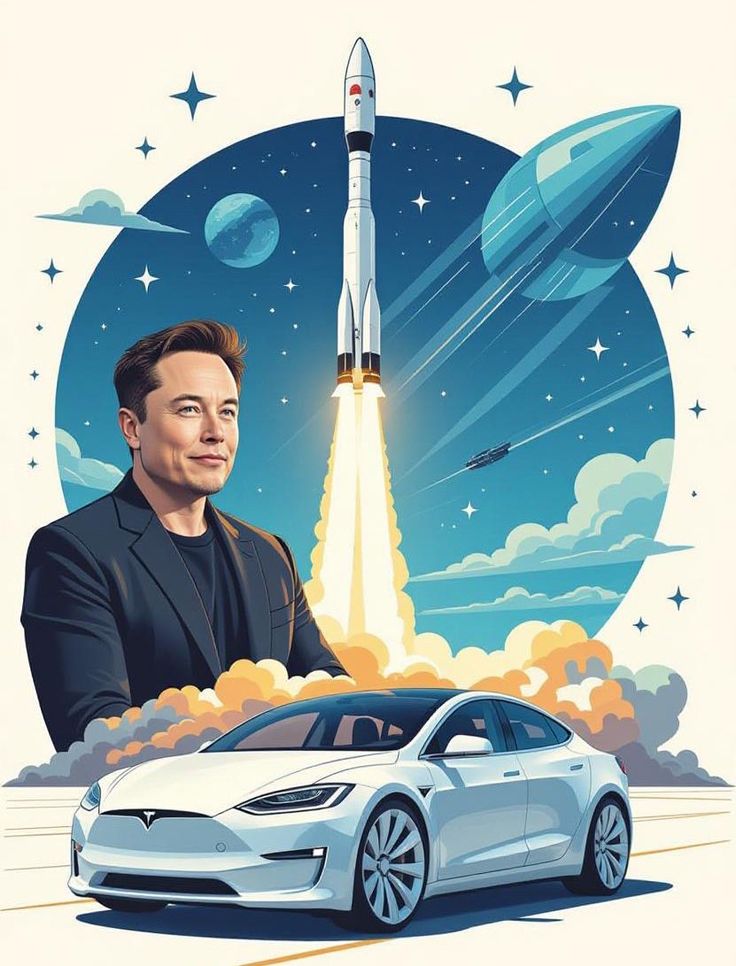
“10 white Tesla Roadster… dropping tomorrow to followers!”
— Elon Musk (imagine this 👀)
Be honest 👇
Are you entering… or calling it fake? 🤔
A. Entering NOW 🚀
B. Sounds too good 😅
C. Watching first 👀
D. 100% fake ❌
English
@FanaticElon @MayeHaldem02 Hero for what? We are NOT interplanetary beings yet!
English


@ceo_spaces_chat @MayeHaldem02 You are so sad, stop trolling. You don’t wanna be a troll. They’re super short and fat!
English


Kamel Hawkins shoved a random man, onto the subway tracks in front of an oncoming train.
The victim was hit and badly hurt — broken ribs, fractured skull, ruptured spleen — but survived.
Should this animal get life in prison?
A. Yes
B. No
English
@JohnnyDepp5701 You’ve aged well! What’s your secret? Lemme guess….
Vaseline, am I correct mongo?
English

It seems no one cares about me anymore and that really not fair 😔🥹🥰❤️

English
@JohnnyDepp5701 Hunter S Thompson still cares. I highly suggest you hang with him!
English
@KCee3_ @jamesgabimaru @Supamusk123 I did. Now you do the same! Oh oh, forgot t feed the cats b’fast, gotta run!
English

English

Will you accept this new Tesla phone from me as a gift?
Y/N

English
@KCee3_ @BTUPDATES10 I NEVER go to Telegram or WhatsApp
Those apps are for my friends overseas. Im American 🇺🇸
Always use X
Prior to X I used Twitter exclusively. I miss Twitter..
X has turned into the Elon appreciation show. fuckin dismal at best-
Me thinks it’s time for an update! Yes?
English
@eeazypeezy @BTUPDATES10 It’s me Elon , Please be very careful. There are a lot of them pretending to be me. I don’t move fans to Telegram for giveaways it’s not me. The internet is amazing… but it rewards skepticism. And I’m glad you’re doing well. Kindly Send me a follow request👋😊❤️🚀
English

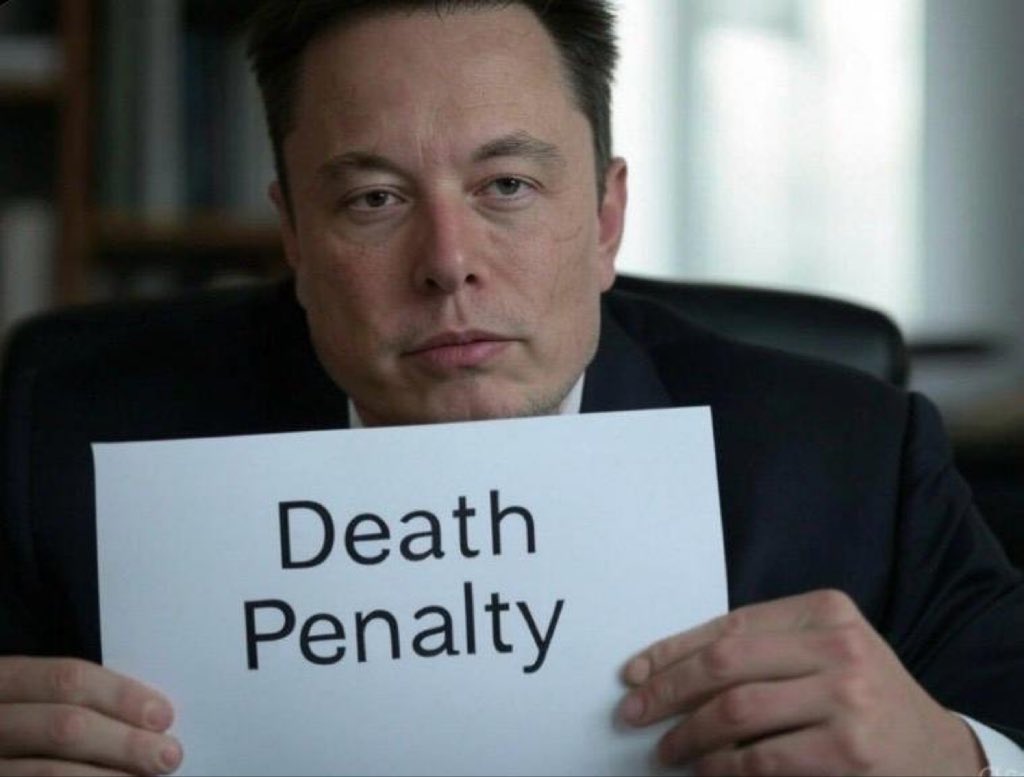
Death Penalty for child sex traffickers
Do you Agree with me?
Yes or No
English
Tomato Tomato retweetledi

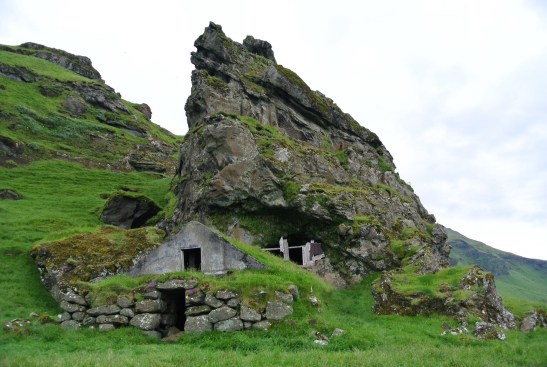
When the vikings first arrived in Iceland in 9th Century CE, they discovered a coarse yet manageable new world ripe for the picking, uninhabited but for a few Gaelic monks on the southern coast. This strange, rugged land was worthy of conquering and survival over their scandinavian homeland stricken with civil strife and running short on arable land. That force of adventure, strength and resourefulness in a new land cultivated Iceland’s ancient survivalist architecture.
It was and still is a vast territory with dramatic rising glacial ranges from moonscape fields that run into coastal beaches of black sand and a land of no native timber. Where necessity became and still is the mother of invention. Homes were constructed of turf and drift wood that would wash upon the shores as well as from the endless supply of lava stones abound in the fields. Stone constrution also proved functionally sensible in this frequent earthquake prone environment, as homes could then “easily” be cobbled back together.
These buildings still exist at the ancient homestead of Keldur in Iceland’s southeastern region. This last remaining and fully intact early settlement farmstead can be found mentioned in Sagas from 12th Century CE. Traditionally a clan would head the farm with extended family living and working on site. Originally all living in the long house, there is evidence to think that a sudden and drastic climate change caused the move to smaller residential spaces to be built and long houses to be divided up to make easier to heat. Additions and improvements at Keldur had been made over the centuries, but the original main hearth room still bears the dirt floors and ancient timbers with fascinating hints of traditional communal living. A tunnel discovered in 1930’s runs from the main hearth room to the nearby small river and was thought to be for defensive purposes. Inside smaller spaces were formed originally for cooking and food storage and a connecting string of smaller turf structures served as various work and storage spaces such as a smithy, a mill, and livestock corral. Newest addition from early 19th Century remains near intact from it’s former glory, furnished with beautiful and simplistic folk furnishings and the silence combined with the spirits of those who still long remain at Keldur.
The last owner, whos family had farmed Keldur for almost two Centuries, knew of its great importance to Icelandic heritage and over the years had collected much history on the site. In 1942, he sold Keldur and his extensive collection to the National Museum of Iceland who continue to care for and manage this amazing historic site.
Upwards of 200 of these man-made caves with wooden or cobbled facades are scattered about 90 farms in the region used over the centuries for storing hay,corralling livestock, smithy’s and even for trade. Forty one of these caves are now protected sites, but many still in use today. We stopped roadside on HWY 1 at Rútshellir, and explored this t-shaped ‘building’. The front entrance to the turf structure is a feeding area for sheep, then stepping up into the cave (approx 6’ft tall and 10 ft wide) where they take shelter. Walking up the left side exterior is an entrance to another connecting cave space much smaller and where a smithy had a shop for many years. Yet another example of Iceland’s people understanding and using Mother Nature to their benefit through their ancient survivalist architecture.
#archaeohistories
English
@sprosay10 I see the fondness for red roses runs in the fam?
Lovely 😊
English

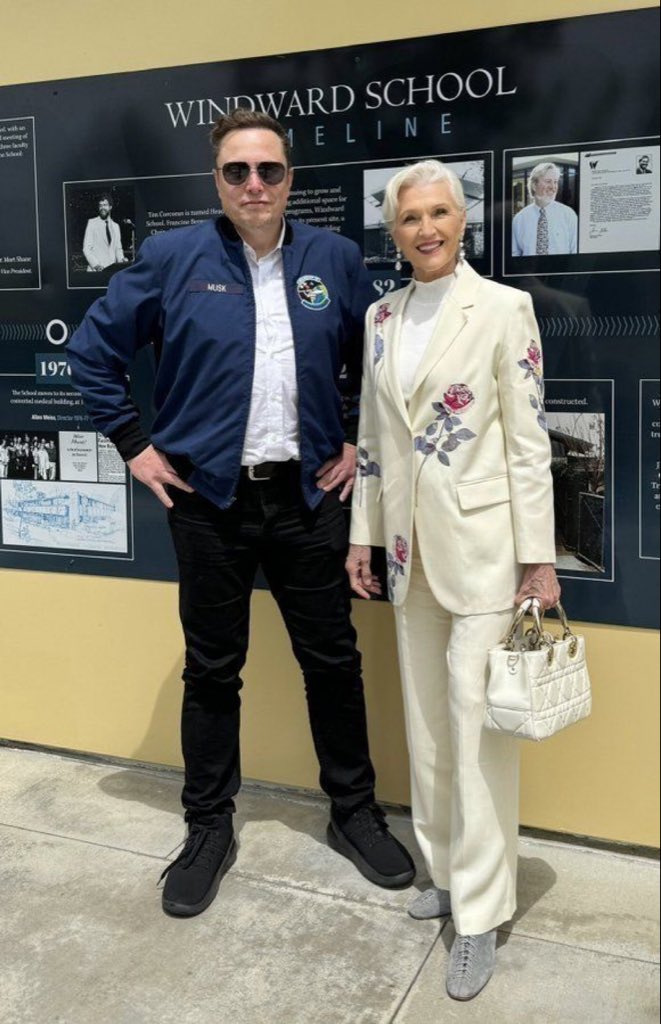
How close is Elon Musk to his mother?
Do you think she played a key role in shaping his mindset? 🧠
A) Yes, very close 🥰
B) Somewhat close 😊
C) Not really 😕
D) No idea 👀
English
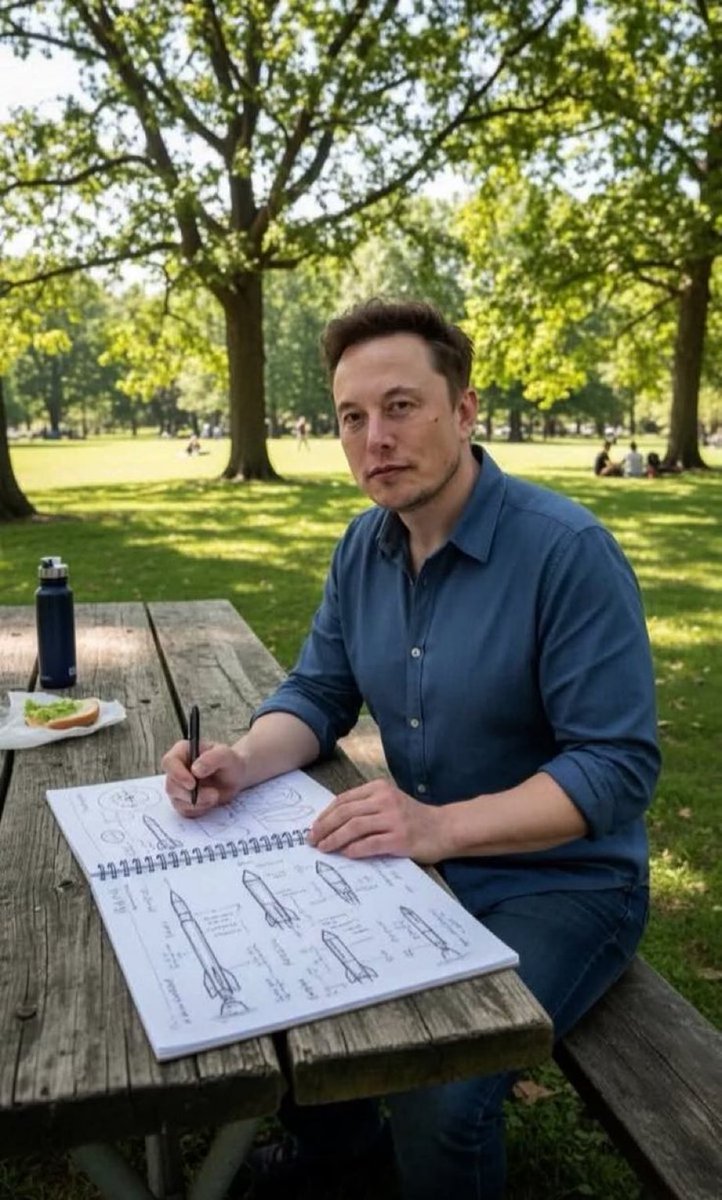
Would you join me here as we explore the world of rockets together?
English
@Dogstar011 Such a cutie patootie as a boy. And would you look at his hair? Just like Alfalfa!
English

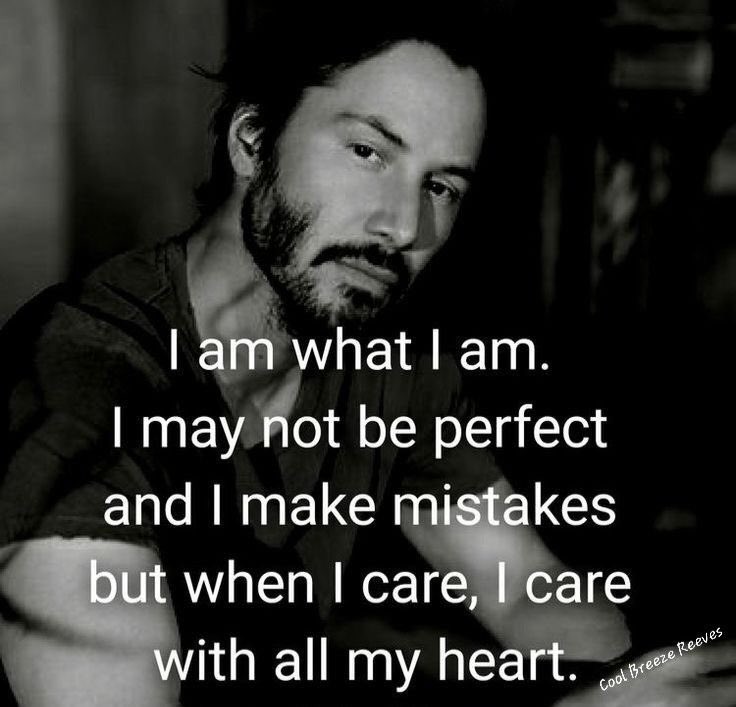

Be honest 🧐....
If you became a billionaire today, would you still stay devoted to God?
A. Yes
B. No

English

Real question…
Is Elon Musk a rare, once-in-a-generation mind…
or simply a businessman who got lucky? 👀
A. Genius 🚀
B. Lucky 🤔
English