Salieem Eebraheim retweetledi

✍️Q&A: P2P Trading
🗣️Q: As-salamu alaykum, brothers. I wanted to ask: is trading through P2P considered permissible under Shariah, or are there any concerns or prohibited elements involved?
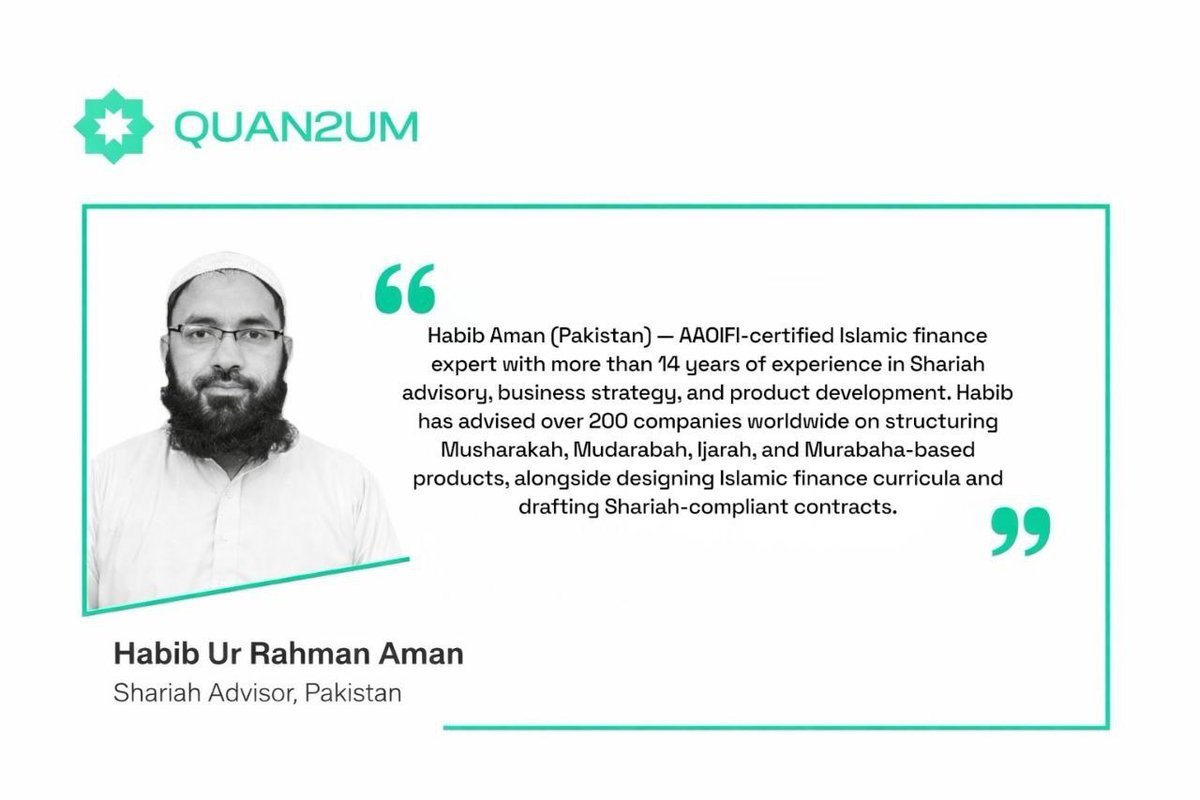
🖋Quan2um Shariah Advisor Habib Aman:
Permissible (Halal), provided the P2P platform functions as a secure escrow and the exchange complies with the rules of spot transactions (Taqabud).
Shariah Analysis & Discussion:
Peer-to-Peer (P2P) trading is a direct transaction between a buyer and a seller, without the exchange acting as the actual market maker. In Islamic law, this is simply a bilateral contract of exchange. When trading fiat for cryptocurrency on a P2P platform, it constitutes Bay' al-Sarf (currency exchange) or the sale of a digital asset for money.
For P2P trading to be strictly Halal, it must address both the risk of fraud and the requirement of immediate settlement:
The Role of Escrow (Amanah / Daman):
The defining feature of modern P2P platforms (such as Binance P2P or Bybit P2P) is the “escrow” service. When the seller opens a trade, their crypto is temporarily locked by the platform. This is encouraged in Shariah as it secures the rights of both parties and eliminates Gharar (uncertainty and risk of default). The platform acts as an authorized agent/guarantor.
Spot Settlement (Taqabud):
The most critical condition is that the fiat payment (via bank transfer, mobile money, etc.) and the release of the crypto must occur within the same continuous session (Majlis al-Aqd). You cannot send the fiat today and agree that the crypto will be released tomorrow. The escrow mechanism ensures that once the fiat is confirmed, the crypto is released immediately, satisfying the requirement of Qabd Hukmi (constructive possession).
Prohibited Additions:
P2P traders must not engage in conditional lending. For example, a buyer cannot request a delay in payment in exchange for a higher fiat price, as this introduces Riba al-Nasi’ah.
Conclusion:
Trading through a structured P2P platform is Halal and is often safer from a Shariah perspective than unregulated over-the-counter (OTC) trades, because the escrow system ensures simultaneous and guaranteed settlement, fulfilling the Islamic requirements for a valid exchange.
References:
— The Quran: “O you who have believed, fulfill [all] contracts.” (Surah Al-Ma’idah 5:1)
— Hadith: The Prophet (peace be upon him) emphasized immediate exchange in currency-like transactions: “Hand to hand, like for like” (Sahih Muslim)
— Fiqh/Standards: AAOIFI Shariah Standard No. 5 (Guarantees) validates the concept of escrow; AAOIFI Shariah Standard No. 1 (Trading in Currencies) validates constructive possession (Taqabud) through modern payment methods.
English