ELEPHANATICS

26.1K posts

ELEPHANATICS banner
ELEPHANATICS

ELEPHANATICS

@elephanaticsbc

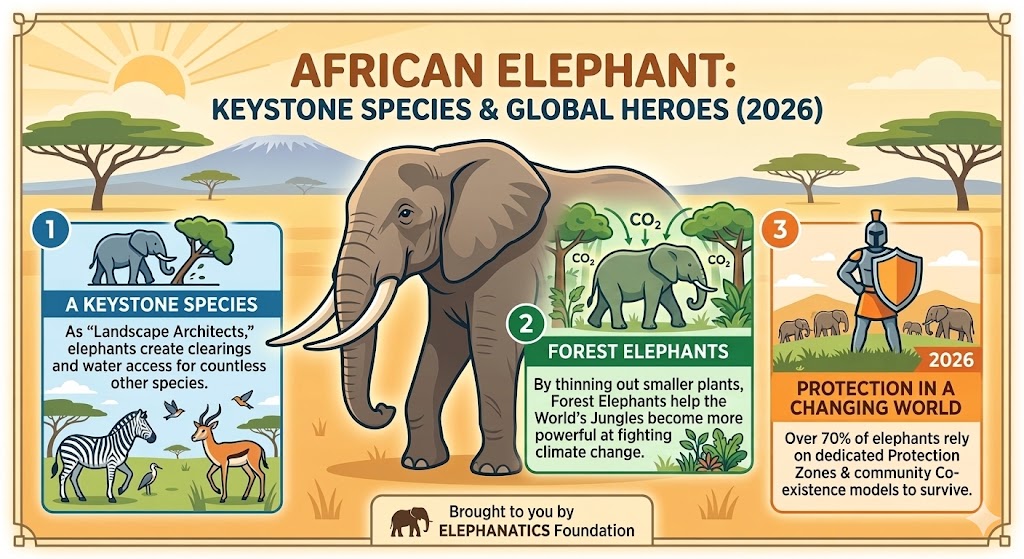
#Conservation #Education #Action Foundation #Educating #Canadians + #USA about #African #Elephants We are now an #IvoryFreeCanada -Ivory ban enacted Nov 2023!

Vancouver BC Canada Katılım Aralık 2014
415 Takip Edilen2.4K Takipçiler
ELEPHANATICS retweetledi
Hannes Kächele
Hannes Kächele@hannes_1961·
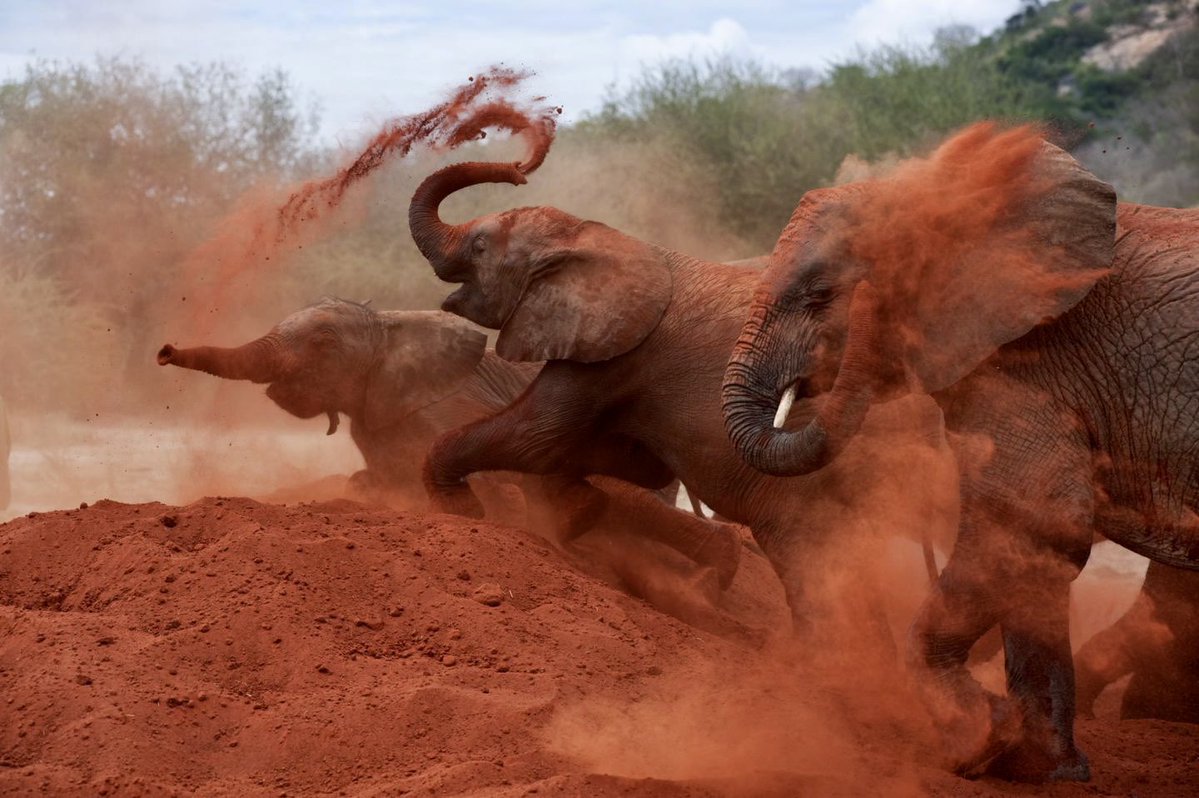
The Ideal Mud Bath for Tsavo Elephants 1. The Basic Mixture • Ratio: Approximately 3 parts soil to 1 part water. • Target Consistency: Thick, similar to pancake batter or soft clay. • Texture: The mud must be sticky enough to adhere to the skin, but fluid enough to penetrate deep skin folds. 2. The Material (The "Tsavo Glow") • Soil Type: Iron-rich laterite soil (red clay). • Properties: Fine-grained and mineral-rich. Sandy soil is unsuitable because it falls off too quickly after drying. 3. The Biological Function • Thermoregulation: Cooling through slow evaporation of moisture. • Sun Protection: The red crust acts as a natural sunscreen against intense UV radiation. • Parasite Control: Insects and ticks are mechanically removed as the mud dries and the elephants rub against rocks or trees. • Skin care: Seals the skin against dryness and cracking. 4. The elephants' "pro tip": After bathing, dry dust is often blown over the wet layer. This acts like a setting powder, stabilizing the mud and making the protective layer last longer.
Hannes Kächele tweet mediaHannes Kächele tweet media
English
8
23
115
1.5K
ELEPHANATICS retweetledi
March4ElesAndRhinos
March4ElesAndRhinos@EleRhinoMarch·
"All 9 provinces have backed a ban on new captive lion breeding facilities. It’s a decisive shift, but not the end. Thousands of lions remain trapped in a system built on exploitation. What happens next will determine if this changes at all."
NSPCA South Africa@NSPCA_SA

All 9 provinces have backed a ban on new captive lion breeding facilities. It’s a decisive shift, but not the end. Thousands of lions remain trapped in a system built on exploitation. What happens next will determine if this changes at all. 🔗 nspca.co.za/9-provinces-ba…

English
0
6
8
171
ELEPHANATICS retweetledi
Mara Elephant Project
Mara Elephant Project@MaraElephant·
In early March, Nairobi became the global stage for conservation innovation during the Global Conservation Tech & Drone Forum 2026—a gathering of conservationists, technologists, rangers, researchers, and community leaders from across Africa and around the world. Sponsored by Mara Elephant Project, the forum showcased how tools—from drones to satellite sensors, GIS, and data systems—are transforming conservation on the ground, reinforcing that technology is most powerful when it supports people and landscapes. Throughout the conference, MEP personnel engaged across multiple sessions. During the Women in Conservation Forum, Sylvia Nyarangi shared how, as one of MEP’s few female drone pilots, she is supporting ranger teams through aerial monitoring. Sarafina Sironka highlighted MEP’s use of ElephantBook to identify elephants and improve human-elephant conflict management. Abigael Pertet spoke about her work with women in local communities to grow elephant-friendly crops, strengthening coexistence while supporting livelihoods. MEP’s CEO, Marc Goss, joined a panel and presented on drone applications, from surveillance and mapping to elephant monitoring and conflict mitigation. At @KonzaTech , ranger pilots Edward Kuyo and Felix Yiaile demonstrated this work live, showing how we operate in real time. The MEP booth also provided space for engagement, with visitors learning more about our drone programs and field operations. The forum concluded with the Youth Conservation Tech Award, sponsored by MEP to celebrate young African innovators. Cynthia Nekesa was recognized for her digital platform supporting environmental sustainability and knowledge preservation. By bringing together diverse voices and field-tested innovations, GCTDF 2026 reinforced Africa’s leadership in building a more connected, data-driven approach to conservation.
English
0
5
9
260
ELEPHANATICS retweetledi
Nature Unedited
Nature Unedited@NatureUnedited·
This elephant visited Governors Camp in Maasai Mara during the morning, strolling around the decking, climbing the stairs, and passing by the buffet
English
10
219
2.4K
62.2K
ELEPHANATICS retweetledi
March4ElesAndRhinos
March4ElesAndRhinos@EleRhinoMarch·
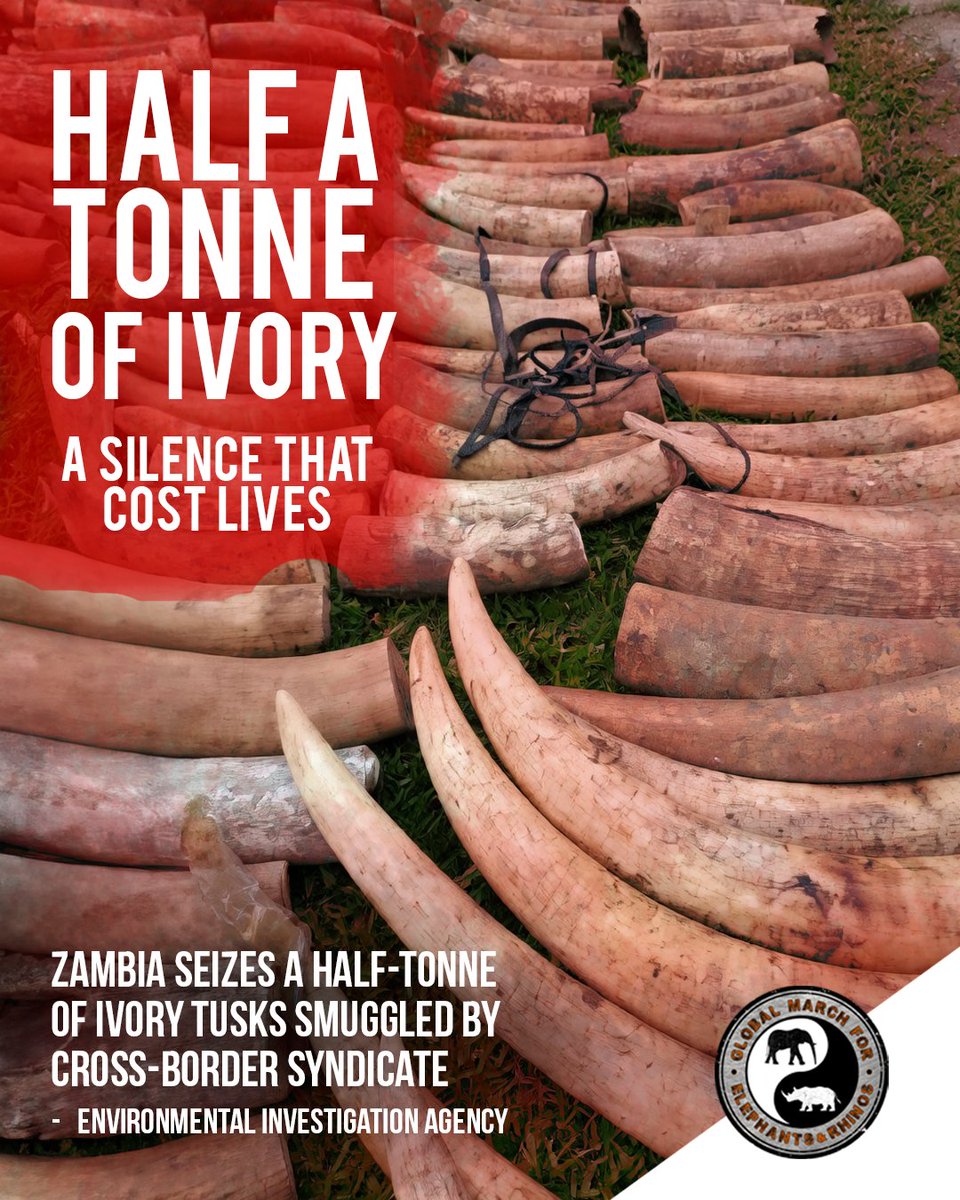
HALF A TONNE OF IVORY. A SILENCE THAT COST LIVES. 500 kg of ivory was seized in Zambia. That is not just a number. That is the shattered remains of 10 to 20 elephants. Killed. Cut. Smuggled. Sold. This time, the chain was broken. Thanks to intelligence from the Environmental Investigation Agency and decisive action by Zambian authorities, a cross-border trafficking syndicate has been disrupted. Nearly 550 kg of ivory recovered. Multiple arrests made. This is what enforcement looks like when it works. But let’s be clear. For every seizure like this, how many shipments slip through unseen? The illegal ivory trade is not a relic of the past. It is happening now. Organized. Profitable. Relentless. And elephants are still paying the price. We applaud the Environmental Investigation Agency and Zambian law enforcement for this critical victory. But the fight is far from over. Demand must end. Trafficking networks must be dismantled. And elephants must be allowed to live. Because ivory is not art. It is evidence of a life taken. 🔗 Read more: eia-international.org/news/zambia-se… #GMFER #MarchAgainstExtinction #StopWildlifeCrime #EndIvoryTrade #SaveElephants #WildlifeJustice
March4ElesAndRhinos tweet media
English
4
56
71
732
ELEPHANATICS retweetledi
Hannes Kächele
Hannes Kächele@hannes_1961·
Tsavo National Park in Kenya is a vast, iconic arid savannah landscape, often characterized by red earth, scattered acacia and baobab trees, thorny scrub, and dry grasslands that can feel almost desert-like during prolonged droughts. But after even a short period of significant rainfall, such as one week of good rains following a dry spell, it undergoes a dramatic metamorphosis that feels almost miraculous. Before the Rain: The Arid Phase In the dry season or after months of drought, Tsavo appears harsh and barren: • Dusty red soils dominate, with sparse, yellowed or dormant grasses. • Shrubs and trees look skeletal or leafless. • Waterholes shrink or vanish, forcing wildlife to concentrate around remaining sources. • The landscape stretches into seemingly endless brown and ochre tones, with dust rising from animal movements. After 1 Week of Rain: Explosive Greening Tsavo’s soils and seeds are highly responsive to moisture. Many plants lie dormant, with seeds waiting years for the right trigger. A solid week of rain (especially if it totals several inches) triggers rapid germination and growth: • Grasses shoot up almost overnight, turning vast plains from brown to vibrant green. In extreme cases, grasses that are normally knee-high can surge much taller. • Flowering creepers (like ipomoea) and wildflowers blanket the ground, sometimes creating carpets of white, purple, or yellow blooms. • Bushes and trees leaf out quickly, adding layers of lush foliage. • Temporary water pans and rivers fill, reflecting the sky and drawing life. The transformation can happen in days: what was parched red dirt becomes a sea of green, often described as the land “breathing new life” or turning into a “paradise.” Wildlife responds immediately—herds of elephants, zebras, giraffes, antelopes, and buffalo spread out to graze on fresh shoots, while birds and insects explode in activity. This rapid shift is a classic example of how semi-arid African savannahs operate on a “boom-and-bust” cycle driven by erratic rainfall. In Tsavo, even moderate rains after drought can green up large areas quickly, though sustained wet periods lead to even more dramatic changes (and sometimes challenges like flooding or thick vegetation obstructing views for safaris). If you’ve witnessed or photographed this in Tsavo yourself, it’s one of nature’s most striking reminders of resilience and renewal in harsh environments. The park’s red soils and acacia-dotted horizons make the green contrast especially vivid.
Hannes Kächele tweet mediaHannes Kächele tweet mediaHannes Kächele tweet media
English
6
64
252
5.3K
ELEPHANATICS
ELEPHANATICS@elephanaticsbc·
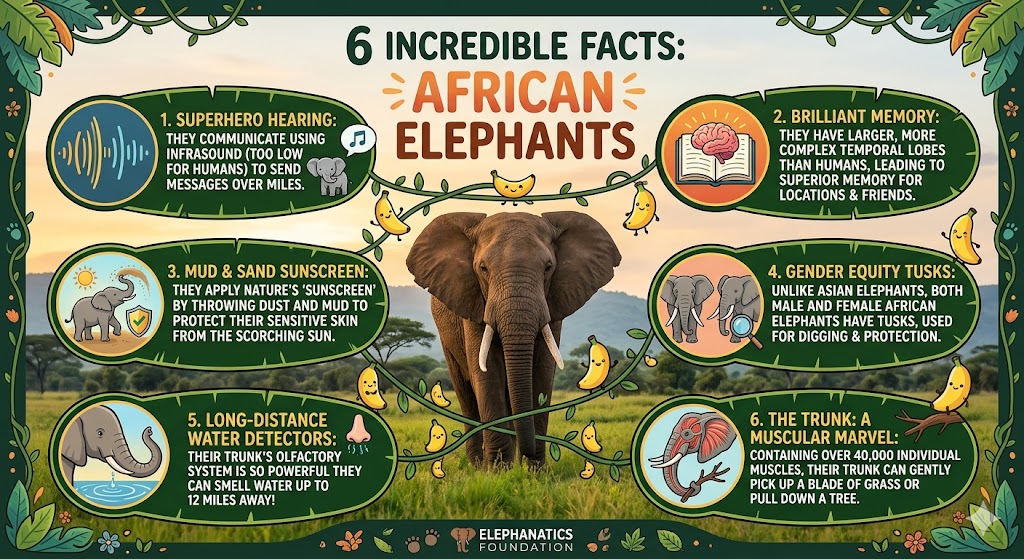
#DYK Arican elephants are Incredible!
ELEPHANATICS tweet media
English
0
1
1
15
ELEPHANATICS retweetledi
Massimo
Massimo@Rainmaker1973·
Amboseli’s gentle giant was one of the most photographed elephants in the world and among Africa’s last remaining ‘super tuskers.’ He passed away this year.
English
199
2K
14.9K
262.5K
ELEPHANATICS retweetledi
Sheldrick Wildlife Trust
Sheldrick Wildlife Trust@SheldrickTrust·
Join Kaikai for a 57 seconds spa session. Our pampered princess is never without her dedicated Keepers, who take turns to sleep in her stable at night, hand-feed her bottles of milk, play with her and coat her in a protective layer of mud. Adoptions help fund this specialist care, and will continue to do so until she is old enough to return to the wild. Discover how you can become an adopter and make a difference to orphaned elephants: sheldrickwildlifetrust.org/orphans
English
16
285
2.1K
26K
ELEPHANATICS retweetledi
Mara Elephant Project
Mara Elephant Project@MaraElephant·
For International Day of Forests, we recognize the vital role of the Mau Forest Complex, Kenya’s largest canopy forest and one of the most important water catchments in the Rift Valley. It sustains rivers, communities and wildlife across the Greater Mara Ecosystem. Without the Mau, the ecosystems and animal populations that depend on its water and habitat would struggle to survive. The Mau is also home to over 600 elephants who move through the Mau’s dense forest blocks, relying on this landscape for food, water and safe movement corridors. Protecting forests like the Mau is inseparable from protecting elephants. Since 2018, Mara Elephant Project has deployed dedicated ranger teams to patrol the forest alongside our government partners to remove snares and disrupt illegal activities. Their continued presence helps safeguard this critical landscape and the wildlife, water sources and communities that depend on it. By supporting MEP’s efforts to protect the Mau, you can help us safeguard the wildlife, water sources and communities that depend on it. #ForestDay buff.ly/674slLc
English
0
10
31
321
ELEPHANATICS retweetledi
March4ElesAndRhinos
March4ElesAndRhinos@EleRhinoMarch·
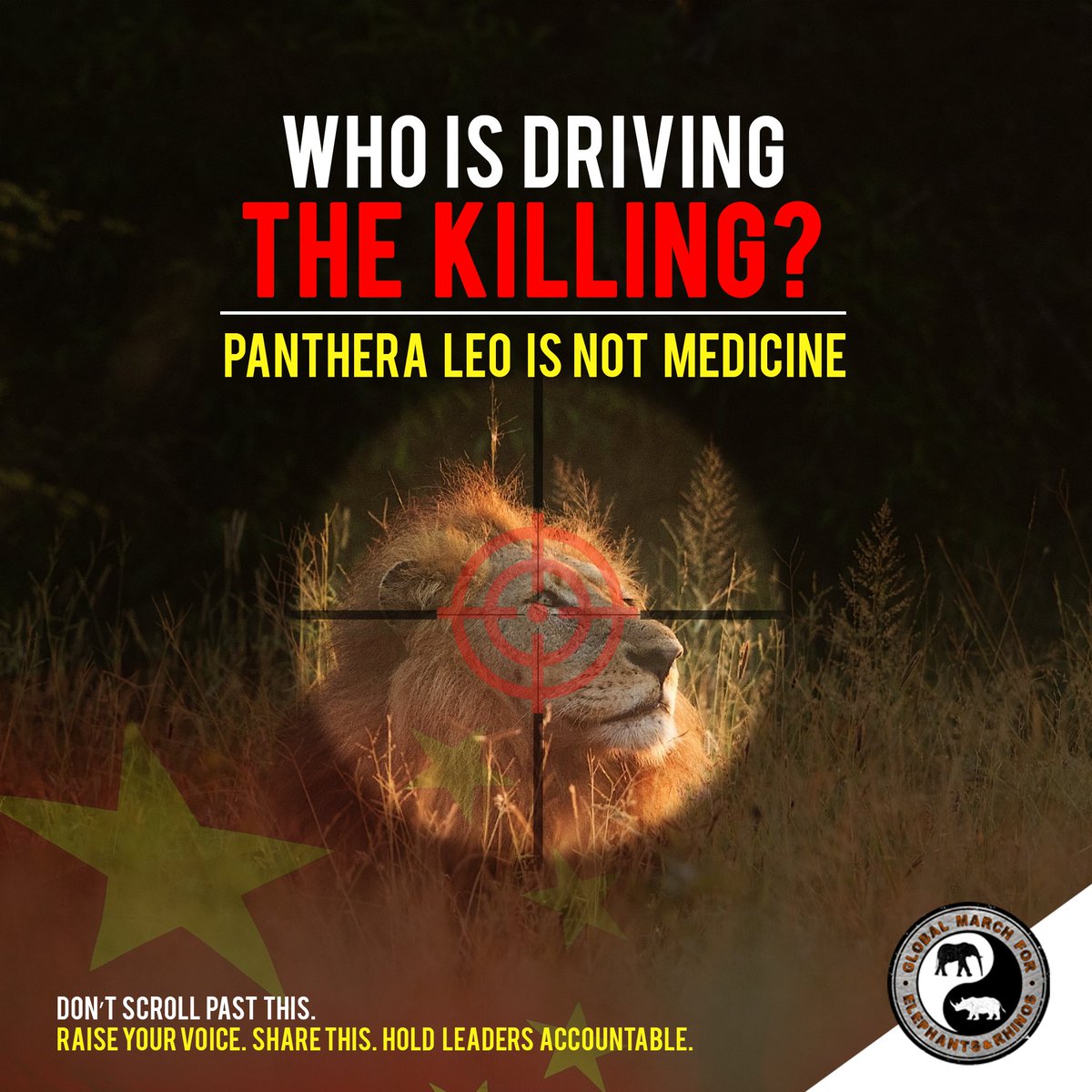
🦁 Panthera leo in decline. #SouthAfrica. A new survey reveals the iconic lion in trouble. Poaching has driven populations in the park's Northern region, from 455 individuals in 2005 to 179 in 2025. Lions are poached primarily for their bone. Lion bone is used in lieu of tiger bone in #TCM. #TCM (Traditional Chinese Medicine) is largely snake oil medicine. For decades a witches brew of bizarre portions has driven multiple wildlife species to the brink of extinction. In 2019, the World Health Organization (WHO) included traditional medicine in its global health classification system. The decision underwrites and promotes the use of animal parts in #TCM, contributing to ongoing pressure on critically endangered species. *TCM is also amplified by China's BRI - Belt and Road Initiative. Truly, you can't hate (parts of the) the UN enough. What does South African Government and SANParks - Kruger National Park plan to do about the impending tragedy? #GMFER #MarchAgainstExtinction #SouthAfrica #TCM #KrugerNationalPark
March4ElesAndRhinos tweet media
English
0
8
7
125
ELEPHANATICS retweetledi
March4ElesAndRhinos
March4ElesAndRhinos@EleRhinoMarch·
China. China features prominently in the decimation of critically endangered species via TCM (Traditional Chinese Medicine) and its BRI (Belt and Road Initiative). The insidious power China exercises throughout the world - also - features prominently in the Iran conflict. Excellent read that details China's influence in the middle east - and the world - it may influence your thinking about the war. Here: thefp.com/p/the-iran-str…
English
5
15
75
140.9K
ELEPHANATICS retweetledi
Zoom Afrika
Zoom Afrika@zoomafrika1·
Elephants enjoying their day in Kilimanjaro National Park, Tanzania 🇹🇿
English
28
330
1.8K
36.9K
ELEPHANATICS retweetledi
March4ElesAndRhinos
March4ElesAndRhinos@EleRhinoMarch·
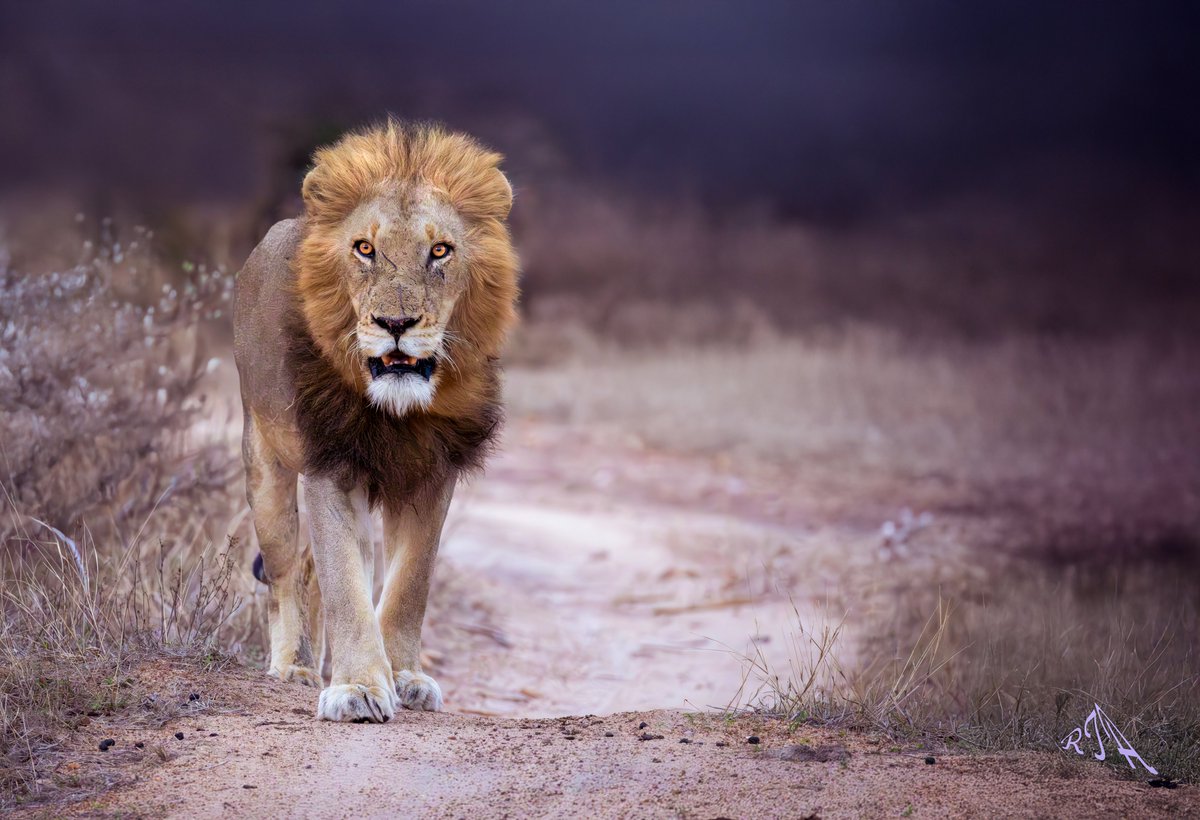
Panthera leo in decline. South Africa: a new survey reveals the iconic lion in trouble. Poaching has driven populations in Kruger National Park's Northern region, from 455 individuals in 2005 to 179 in 2025. Lions are poached primarily for their bone. Lion bone is used in lieu of tiger bone in TCM (Traditional Chinese Medicine, aka Snake Oil Medicine) image: r.alles
March4ElesAndRhinos tweet media
English
6
43
163
101.9K
ELEPHANATICS retweetledi
Hannes Kächele
Hannes Kächele@hannes_1961·
Message from the @TsavoTrust There is something deeply humbling about seeing a Super Tusker in the wild. This is KM2, one of the extraordinary bulls we are privileged to monitor within the Tsavo Conservation Area. KM2 is a living testament to the success of the Big Tusker Project. These iconic elephants, defined by tusks that weigh over 45kg (100lbs) each or reach the ground, represent a unique genetic heritage that we cannot afford to lose. Protecting a legacy this large requires a massive team effort. Through our long-standing partnership with the Kenya Wildlife Service, we provide the consistent aerial and ground surveillance necessary to keep these giants safe from poaching and environmental threats. But the true backbone of this mission is you. Our Big Tusker Program thrives because of the dedicated individuals who support our work. From our monthly donors to those who share our stories, you are the reason KM2 and other Tuskers can continue to roam these vast landscapes in peace.
English
3
53
312
2.1K