Sabitlenmiş Tweet

by (/bɪ/) 🌺💟
119.8K posts

@elvetica46
Mostly about JP Ent/Idol (◢⁴⁶ )/マンガ/アニメ/BL Multi-fandom. ID/EN ok, JPまだ勉強中。薬剤師さんです。


WIBU SAMA WOTA TUH BEDAAA!!! Sini gw bahas perbedaan dari wibu dan wota, biar gw sebagai wota gak dianggap wibu, soalnya sumpah gw bukan wibu. Kalau secara pengertian dari Jepang nya tuh, wibu artinya orang dengan obsesi terhadap budaya populer Jepang, seperti anime, manga, dan permainan. Jadi sebenarnya wibu tuh pun gak selamanya pecinta anime. Kalau wota tuhh sebutan untuk penggemar fanatik grup idola (idol group) Jepang atau yang berbasis budaya Jepang. Jadi gak selamanya wibu itu wota, dan gak semua wota itu wibu, contoh nya gw. Jadi jangan salah menyangka, walau sebenarnya dua-duanya sih freak yak. Tapi gw bukan yang freak cokkk aslii, gw normal bangett

bold of u to assume that at 2006 they would be able to watch animes 1 hour after it airs on japan with english subs, or was aware of which animes were coming out at that season im really interested to know how old otakus were able to operate and keep up with latest animes.
bold of u to assume that at 2006 they would be able to watch animes 1 hour after it airs on japan with english subs, or was aware of which animes were coming out at that season im really interested to know how old otakus were able to operate and keep up with latest animes.


today i walked four miles and i had pasta for dinner :)




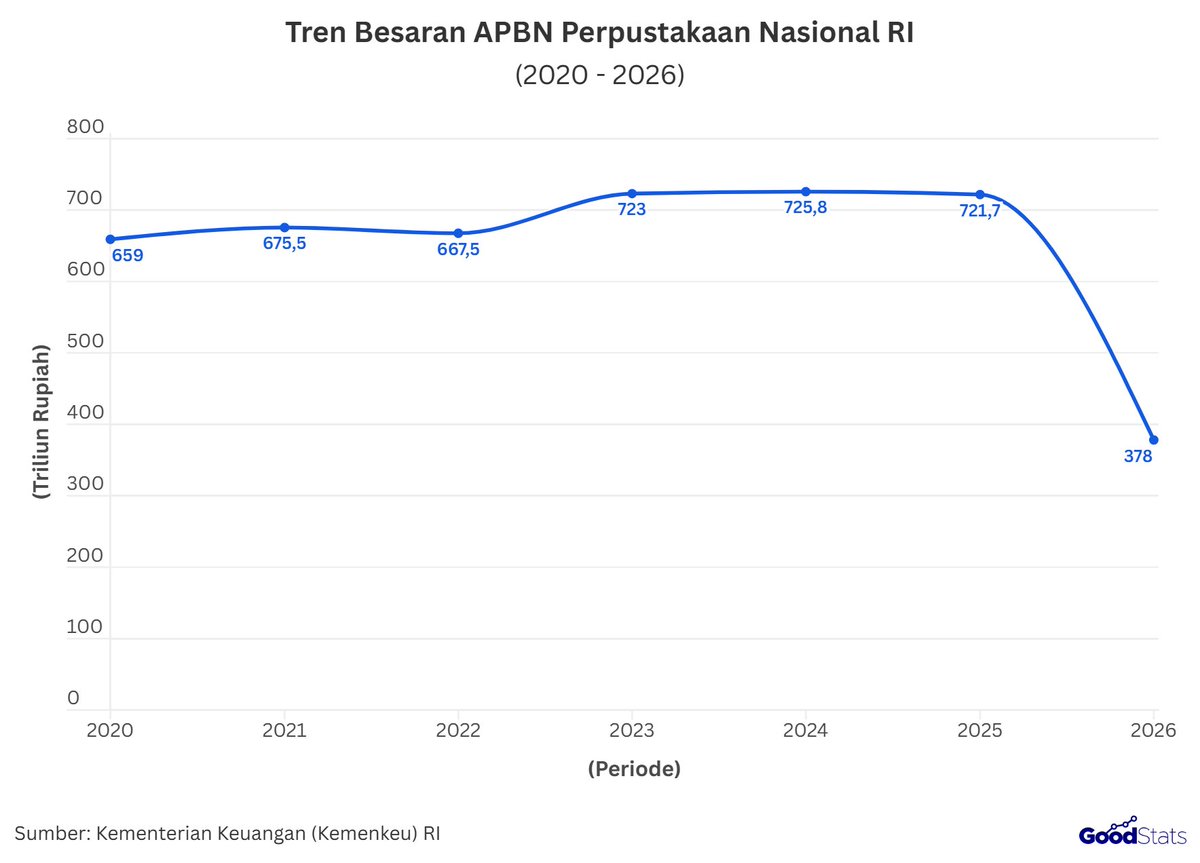

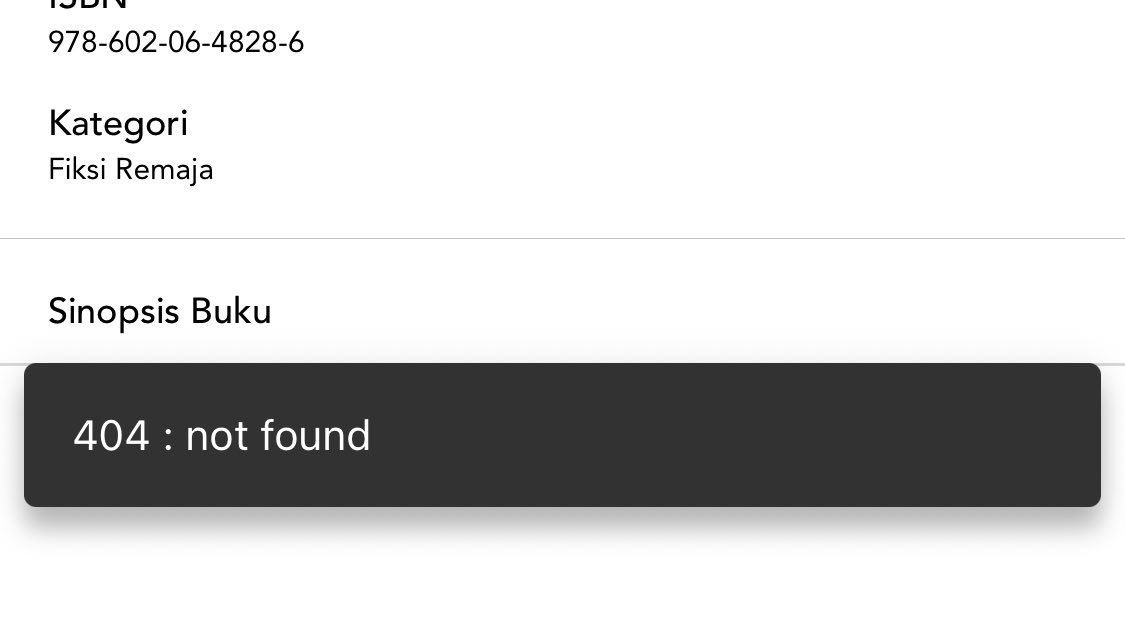

IGRS IGRS lu ketik 'slot gacor' aja masih banyak keluar hasil di pencarian Google.

They're right for Japan, Korea, and Singapore. Those guys source 75% of refined products from the Persian Gulf. Hormuz closes, they bleed. But Indonesia is a different story entirely. Yes, Indonesia imports refined products. Pertamina's refining capacity doesn't fully cover domestic demand, so Pertalite and Solar get bridged through imports. The Hormuz shock hits that. Real exposure. What makes Indonesia different is this. Indonesia's actual risk from this isn't supply. It's fiscal. If oil prices spike because Hormuz stays closed, the government's subsidy bill for Pertalite and Solar expands. Wider deficit, rupiah pressure. That's the bear case for Indonesia, and even that's manageable. The bull case is what nobody is talking about. Indonesia runs B40 right now. 40% of every liter of diesel consumed domestically is palm oil biodiesel, not petroleum. When oil spikes, the incentive to push toward B50 or B55 gets stronger overnight. Import volume drops. Indonesia self-hedges using its own CPO supply. No other country in Asia has this. Not Korea, not Japan, not Singapore. Then there's coal. When Hormuz disrupts LNG and oil flows into Asia, the fastest lever available to power generators in Japan, Korea, and India is gas to coal switching. Indonesia is the world's largest seaborne thermal coal exporter. ADARO, ITMG, PTBA, BUMI don't suffer from this scenario. Export volumes go up. Realized prices go up. Royalty revenue to the government goes up. Same logic on LNG. Indonesia exports from Bontang and Tangguh. When Middle Eastern supply gets disrupted, the spot premium on non Gulf LNG widens. Indonesian cargoes price up. Same logic on CPO. High oil equals strong biodiesel demand globally equals strong CPO prices. Indonesia and Malaysia control 85% of global supply. You see, Indonesia pays more for refined product imports. Fiscal subsidy pressure rises. Rupiah is a watch item. Those are real negatives. But Indonesia earns more on coal exports, earns more on LNG spot, earns more on CPO, and reduces net petroleum import volume through accelerated biodiesel blending. The terms of trade move in Indonesia's favor, not against it. The conventional take is "Indonesia is a net oil importer so oil shock is bad." The correct take is Indonesia is a net energy exporter in the commodities that directly substitute for disrupted Persian Gulf supply. A sustained Hormuz closure improves Indonesia's aggregate energy trade position, not deteriorates it. Happy Sunday and Happy Easter.

Goldman on oil.

20 years ago today, ‘Ouran High School Host Club’ and Nana’ both premiered on the same day in TV.

Couples in China have started doing food deliveries together instead of traditional dates One of the couple will drive while the other deals with customers