
electronic Max

24.5K posts

electronic Max banner
electronic Max

electronic Max

@emax

Max Van Kleek–Assoc Prof @CompSciOxford, Designer + Builder. Human-AI Interaction, Privacy, Inclusive Design, Future of Work. 🇺🇸/🇬🇧 🌈

Oxford/London + SF Katılım Mayıs 2007
4.3K Takip Edilen4K Takipçiler
electronic Max
electronic Max@emax·
I like to say that Apple has had a long standing fear of universal turing machines.
English
0
0
0
17
electronic Max
@Rchards i have become a quantum waveform of a man, simultaneously co-existing in SF, London, and Oxford
English
1
0
0
7
electronic Max
electronic Max@emax·
these sf-maxxing, london-maxxing, oxford-maxxing trends - very flattered that they're all named after me, but it's getting a bit much 😅
English
3
0
4
181
electronic Max retweetledi
Danial Hussain
Danial Hussain@DanialHussain_·
@emax Don’t forget Claude Max
English
0
1
2
28
electronic Max retweetledi
andrew chen
andrew chen@andrewchen·
Web 1.0 came with new channels: - email, search, link sharing, etc Web 2.0 too: - feeds, creators, viral invites, etc Mobile: - app stores, SMS invites, vertical vid, mobile ads What about AI? I’ve been complaining that AI hasn’t come with much. But we’re seeing a big growth channel opening now: Products that are built as APIs/CLIs that can be pulled into new projects by Codex/Claude on the fly Maybe the “AI-native hotel app” doesn’t mean a mobile booking app with an AI chat panel. It means a CLI that can book a hotel for you, that an AI agent can pull into a bespoke answer or project or into code. Bolting on an AI chat panel is this generation’s weak form of AI. Maybe the full reinvention involves making it agent-first not human-first and once you start looking at it that way, a lot of existing products suddenly feel mis-specified. they’re built as destinations, but agents don’t want destinations. they want capabilities. composable, callable, reliable capabilities. So instead of “go to Expedia” or “open the app,” the future interaction is more like: an agent assembles a workflow on the fly. it pulls a flight search tool, a hotel booking tool, maybe a weather model, maybe even your personal preference graph. none of these are full products in the traditional sense. they’re more like endpoints with taste and state. This flips distribution completely. historically you win by owning the surface area. seo, app store ranking, homepage traffic. in an agent world, you win by being the default callable primitive. the thing that shows up again and again in agent-generated plans because it works, has clean interfaces, and returns structured outputs. distribution shifts from “top of funnel” to “top of call stack.” And the crazy part is this might actually compress product surface area dramatically. the best products might look more like tight, extremely well-designed CLIs with opinionated defaults rather than sprawling UIs. almost like the stripe api moment, but for everything. imagine if every vertical had a “stripe-level” primitive that agents preferentially use. there’s also a weird inversion of brand here. humans used to choose brands. now agents will. so the brand becomes partially machine-legible. reliability, latency, error rates, schema clarity. you can almost imagine “agent seo” where the ranking factors are things like success rate across thousands of agent runs, or how easy your tool is to integrate in a chain-of-thought execution loop. This also suggests a new kind of moat. not just data or network effects, but integration depth with agent ecosystems. if claude or codex or openclaw learns that your tool is the safest way to accomplish X, it gets baked into prompts, templates, maybe even fine-tunes. you become a default. and defaults, historically, are insanely sticky. The contrarian take is that most current “AI features” are a local maximum. chat panels, copilots, assistants. they’re transitional. the real end state might look closer to invisible infrastructure that agents orchestrate. the ui is just a debug layer for humans to peek into what the agents are doing. so maybe the new growth channels for ai look like: - being callable - being composable - being reliable at scale in agent loops - being embedded in agent templates and workflows - being the default primitive in a given domain and if that’s right, then the question for any new product isn’t “what’s the ui” or even “what’s the killer feature.” it’s “what’s the minimal, highest-leverage capability we can expose such that agents will repeatedly choose us when building something new.”
English
118
69
695
126.2K
electronic Max
maybe pressure will cause @cursor_ai to start to release (open source) their own fine-tuned FOSS models? giving back to the open ecosystem - etc. that'd be a hallmark of a great company
English
0
0
0
73
electronic Max retweetledi
Drew Tuma
Drew Tuma@DrewTumaABC7·
San Francisco making history today First time on record we’ve ever had four consecutive days of highs 84°+ in Winter All year we average only seven 84°+ days Temperature records go back to 1874
English
44
153
1.7K
74.3K
electronic Max
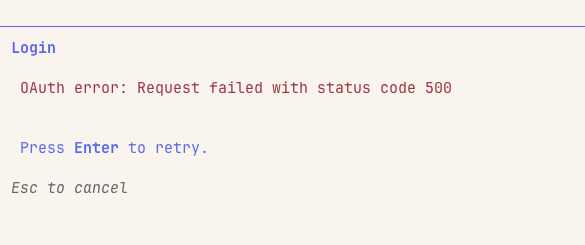
claude was iffy for 12 hours yesterday, and now down again @claudeai r u okay this is really starting to annoy me
electronic Max tweet media
English
0
0
2
542
electronic Max
what do you do to pass the time whilst all 18 of your claude agents are busy at work?
GIF
English
0
0
2
94
electronic Max retweetledi
Angel 🌼
Angel 🌼@Angaisb_·
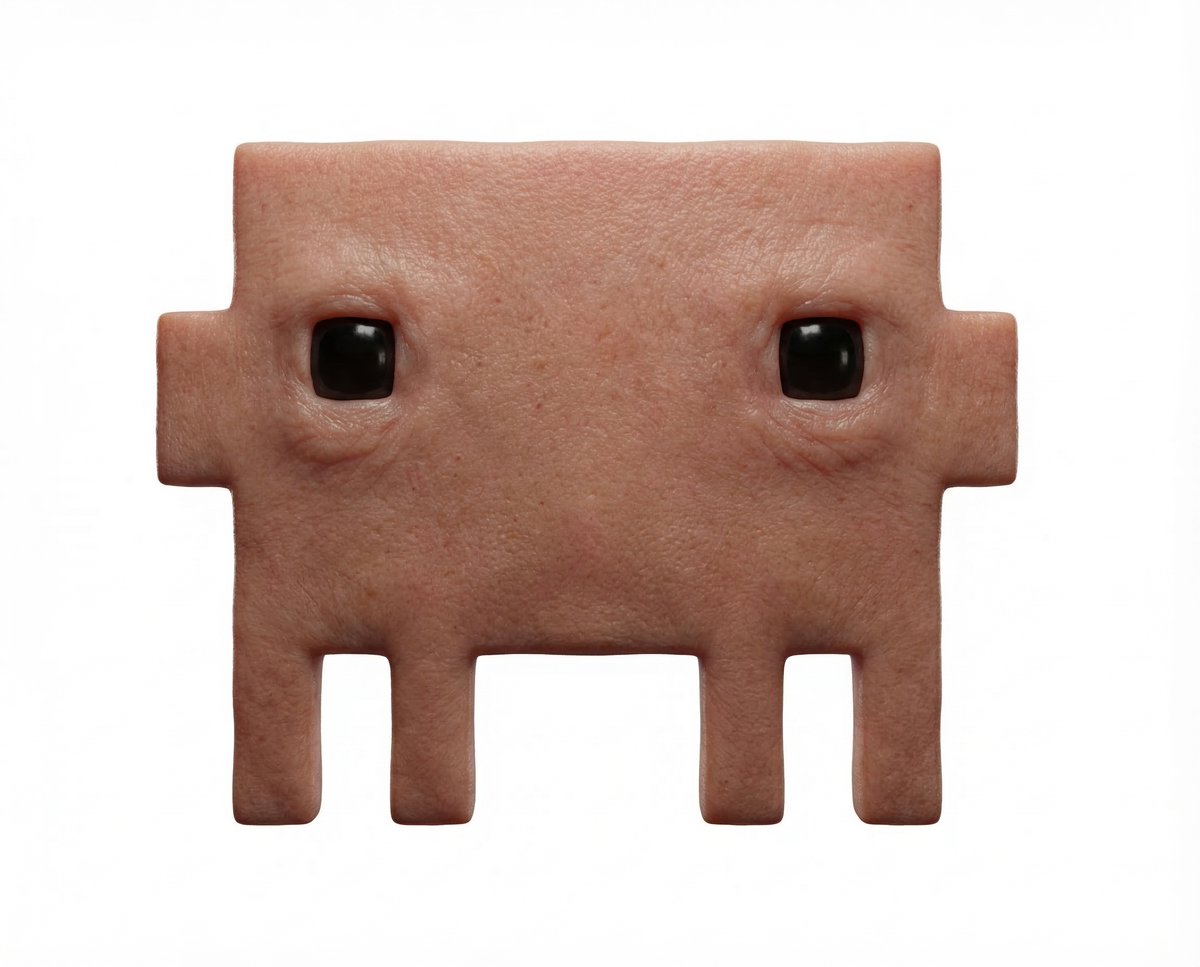
I like DLSS 5 but I'm ngl the demos do look like this sometimes
Angel 🌼 tweet mediaAngel 🌼 tweet media
English
45
62
2.3K
121.9K