aemilia
1.8K posts


@LuanaDavico Hoje, toda minha sonoridade a ela.
Gosto da desquerida? Não. Mas, ela merece pautar a vida dela esses dias.
Português

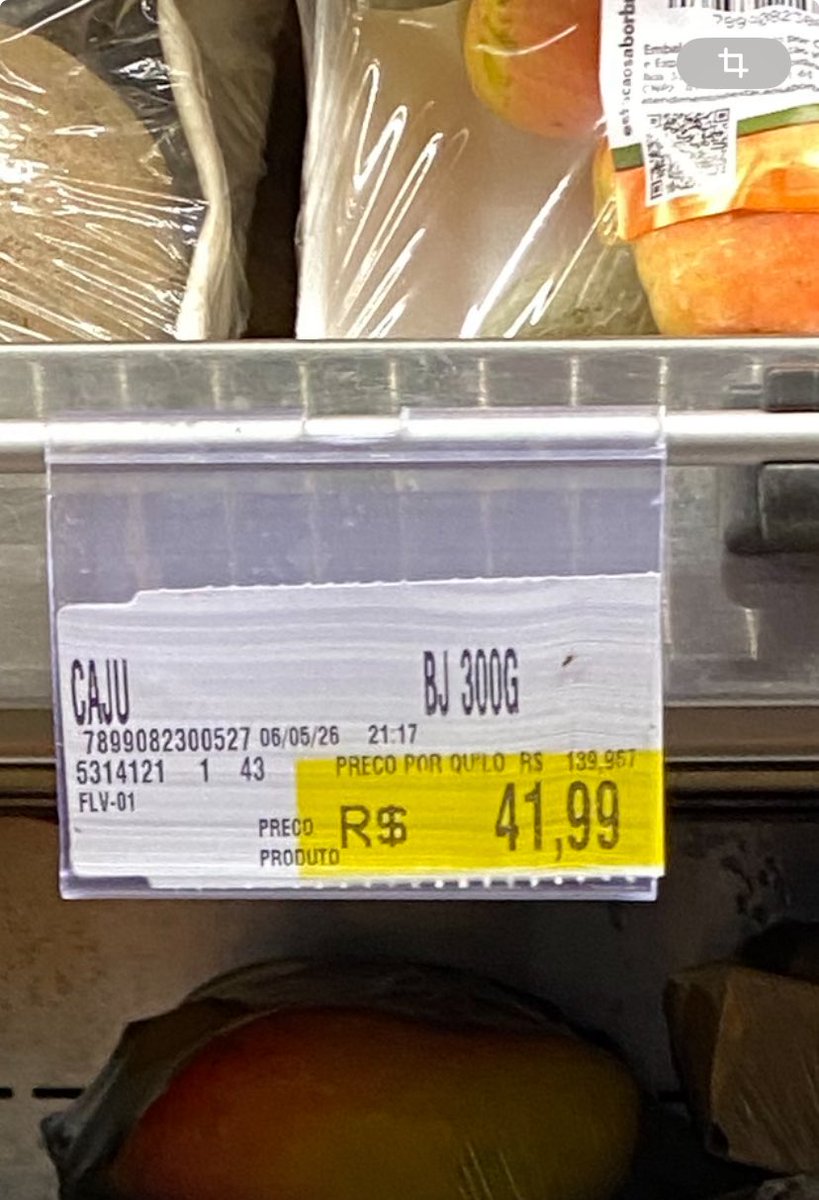
@enf_intensiva Nadinha, pq em setembro é de graça no pé aqui no quintal. Esse aí é congelado, deve tá horrível e caro, né? Tá fora de época
Português

@jairmearrependi Eu comentei exatamente isso ontem aqui em casa.
"já que o Bolsonaro velho passa mal"
Português

É sempre assim.
Tava bonzinho.
Ai começa a surgir denúncia, pautas negativas, começa o AI AI AI MINHA BARRIGA AI AI AI ME SEGURA SENÃO EU CAIO
exame@exame
Relatório médico aponta instabilidade no equilíbrio corporal de Bolsonaro exame.com/brasil/relator…
Português

@rodrigoluisvelo Poderiam liberam mais um pouco hoje...
Já estão ficando repetitivos.
Voltaram até a falar do laranjão
Português

@GloboNews Pela demora tá parecendo encontro de comadres:
-mulher eu já vou
-ta cedo mulher, bora comer um bolo
- não já tá tarde
-ow comadre gosto tanto quando tu vens aqui
-I love you
Português

Segundo apuração do Nilson Klava, o presidente Lula solicitou que o protocolo da Casa Branca fosse invertido no encontro desta quinta-feira (07). O líder brasileiro pediu para que a reunião de trabalho entre os presidentes fosse antes da coletiva de imprensa. A decisão considera que seria melhor na hora das perguntas de jornalistas.
➡ Assista: glo.bo/39WjXAu #GloboNews #Estudioi #Lula #EUA
Português

@LuanaDavico Amiga que algoritmo é esse? Eu nunca vi essas tremida... No máximo vi o vídeo da moça da francesinha ou renda, nem lembro
Português

@JaqueVenturini1 É incrível como eles têm orgulho de não saber história e geografia básica
Português

@marcos_riani @drewcrawford_ Se eles aprenderam línguas indígenas, porque falamos português e não tupi?
Construiu cidades? O maior investimento em cidades que fizeram foi qdo forjaram o rio de janeiro pq a corte tinha que fugir de Napoleão.
Português

@drewcrawford_ Brazil wasn’t founded as a mere extraction colony. Portugal built cities, law, faith, and institutions, integrated peoples, and learned Indigenous languages, so widely that língua geral was spoken more than Portuguese. “Extractive DNA” is a post‑Republic LIE
English

Want to understand why Brazil is the way it is?
You have to start at the beginning. And the beginning explains everything.
Portugal didn't colonize Brazil the way Britain colonized America.
There was no Puritan work ethic. No town hall democracy. No independent yeoman farmer building institutions from the ground up.
Portugal sent extractors. They came for sugar, gold, and wood. They built plantations, not communities.
The first economic model was extraction, not creation.
That DNA still runs through parts of the system 500 years later.
The country was named after a tree (pau-brasil), not a person. The land defined the nation before the nation defined itself.
From the beginning, Brazil's identity was shaped by what could be pulled from its soil. Sugar in the Northeast. Gold in Minas Gerais. Coffee in São Paulo. Rubber in the Amazon. Soybeans in the Cerrado.
The resource changed every century. The pattern stayed the same.
And the labor system that powered that extraction shaped everything that followed.
Over 4 million enslaved Africans were brought to Brazil across three and a half centuries. More than to any other country in the Americas.
Brazil was the last country in the Western Hemisphere to abolish slavery. 1888.
The social consequences of that system (inequality, informal labor, racial stratification, distrust of institutions) did not end with abolition.
They were baked into the economic structure and remain visible in every major city today.
That history also explains why Brazil's political transitions have always come from the top, not the bottom.
Brazil has never had a revolution that stuck.
Independence came through negotiation (the Portuguese prince declared independence from his own father).
The Republic came through a military coup that most citizens didn't know about until days later.
Every major political transition was brokered by elites, not won by the people.
Change in Brazil is gradual, negotiated, and incomplete. Institutions bend. They rarely break.
The same pattern played out with BCB independence, the tax reform, and the EU-Mercosul deal. The pace frustrates outsiders. But the direction holds.
Even the geography reflects this pattern of reinvention from the top.
The capital moved twice, and each move followed the money.
Salvador was built on sugar. Rio rose with gold and coffee. Brasília was constructed from nothing in 41 months in the middle of the Cerrado to force development inland.
The country keeps reinventing its own geography. MATOPIBA is the latest chapter in that same 500-year story of pushing economic frontiers deeper into the interior.
So where does corruption fit? It didn't arrive with modern politicians. It was the operating system from the beginning.
The Portuguese crown distributed land, titles, and trade monopolies based on loyalty, not merit.
The informal system (the "jeitinho") exists because the formal systems were built to serve elites, not citizens. When the law doesn't work for you, you find a way around it.
That impulse is Brazil's greatest friction for outsiders trying to navigate the system. It's also the greatest source of resilience for the people who live inside it.
Lava Jato didn't invent the corruption problem. It exposed a system that had been running for 500 years.
The fact that Brazil prosecuted sitting presidents, senators, and CEOs on live television (something most democracies have never attempted at that scale) was the break from history, not the continuation of it.
Which brings us to the skepticism.
The "country of the future" joke lands because Brazilians have heard promises from their own leaders for centuries.
Every new president, every new capital, every new economic plan came with the same speech about transformation.
The skepticism is earned. Brazilians are not pessimistic by nature. They are experienced. They've watched cycles of boom and bust repeat for generations.
The optimism of outsiders and the skepticism of insiders are both rational responses to the same history viewed from different distances.
So what does 500 years of history teach you about investing in this country?
Brazil's problems are institutional. Built by humans over centuries. Changeable (slowly) through reform, technology, and generational turnover.
Brazil's advantages are physical. Soil, water, sunlight, minerals, geography, biodiversity. Unchanged by elections, currencies, or corruption scandals.
Institutions improve over time. The physics of the endowment does not change.
The country with the most arable land on earth, 12% of the world's freshwater, 94% of global niobium reserves, 87% renewable electricity, and export routes through uncontested Atlantic waters will be worth more in 2075 than it is today regardless of who sits in the Planalto.
The history explains why Brazil is hard. The endowment explains why it's worth it.
Realism is the only edge that survives contact with the ground. And realism requires understanding where the country came from before you bet on where it's going.
For further reading, I recommend the book: "Brazil: A Biography" by Lilia M. Schwarcz and Heloisa M. Starling.

English

@anxietymsgs Claro! Inclusive fico muito chateada quando eles me ignoram
Português

@schiz04renic Sim, esse ano. Eu estava saindo do centro cirúrgico porque tive uma apendicite e tive que retirar o apêndice com urgência. Estava triste e com dor
Português

yaşasın halkların kardeşliği! 🫂

🌈라라🐻 Step And Go💐@raonrala
안녕하세요 독일인 친구. 여기는 한국입니다. 우리 어머니의 작품을 공유해요.
Türkçe

@e_brietzke Eu tive pneumonia bilateral ano passado e não conseguia nem ficar sentada apoiada no pulmão como ele tá. Minha cara é de abatimento... Sei não em
Português

Uma pequena aula de medicina apenas com a observação visual:
1) A pessoa está em ar ambiente (sem oxigênio) e está com o rosto corado, não cianótico (arroxeado);
2) Não há soro na veia e a hidratação aparentemente preservada, provavelmente pq a ingestão de líquidos via oral está boa.
Carlos Bolsonaro@CarlosBolsonaro
Saí do trabalho em Brasília e fui direto ao hospital visitar meu pai. O Presidente @jairbolsonaro iniciou a fisioterapia, mas ainda se cansa muito rápido, reflexo da pneumonia bacteriana que segue sendo tratada com antibióticos. Sua voz continua debilitada. @FlavioBolsonaro esteve com ele, como faz todos os dias possíveis, tratando de orientações. Os médicos afirmam que o quadro ainda é grave, algo visível em sua condição e na dificuldade respiratória. Siga firme, Pai. Amanhã estaremos de volta. Um abraço a todos.
Português