Əиɔячpʇion

6.1K posts

Əиɔячpʇion banner
Əиɔячpʇion

Əиɔячpʇion

@encryptionmusic

Ben Banker The School of the Art Institute of Chicago 29 years of experience in digital art and painting.

Chicago, IL Katılım Temmuz 2013
652 Takip Edilen574 Takipçiler
Sabitlenmiş Tweet
Əиɔячpʇion
Əиɔячpʇion@encryptionmusic·
Humans might be the genetically modified crop
Əиɔячpʇion tweet media
Maple Bluff, WI 🇺🇸 English
1
2
9
1.8K
Əиɔячpʇion
Əиɔячpʇion@encryptionmusic·
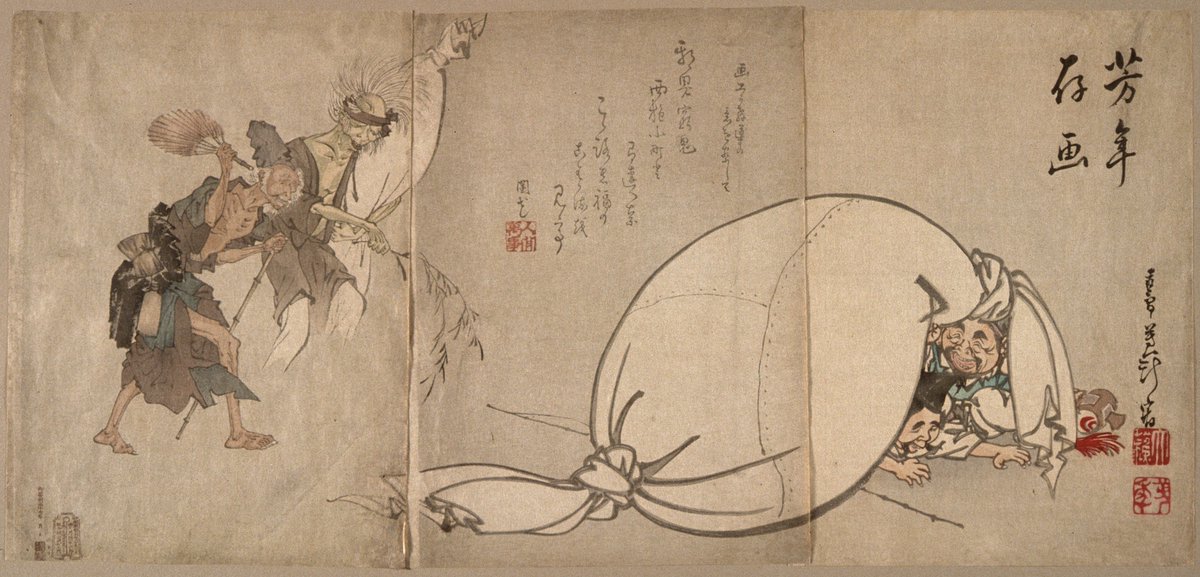
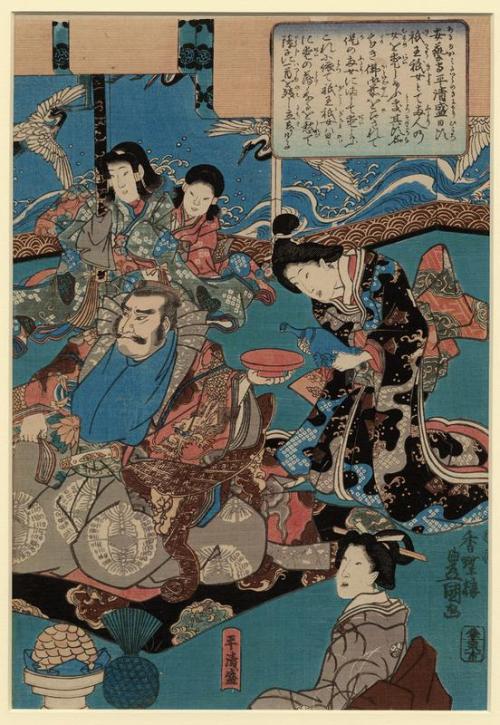
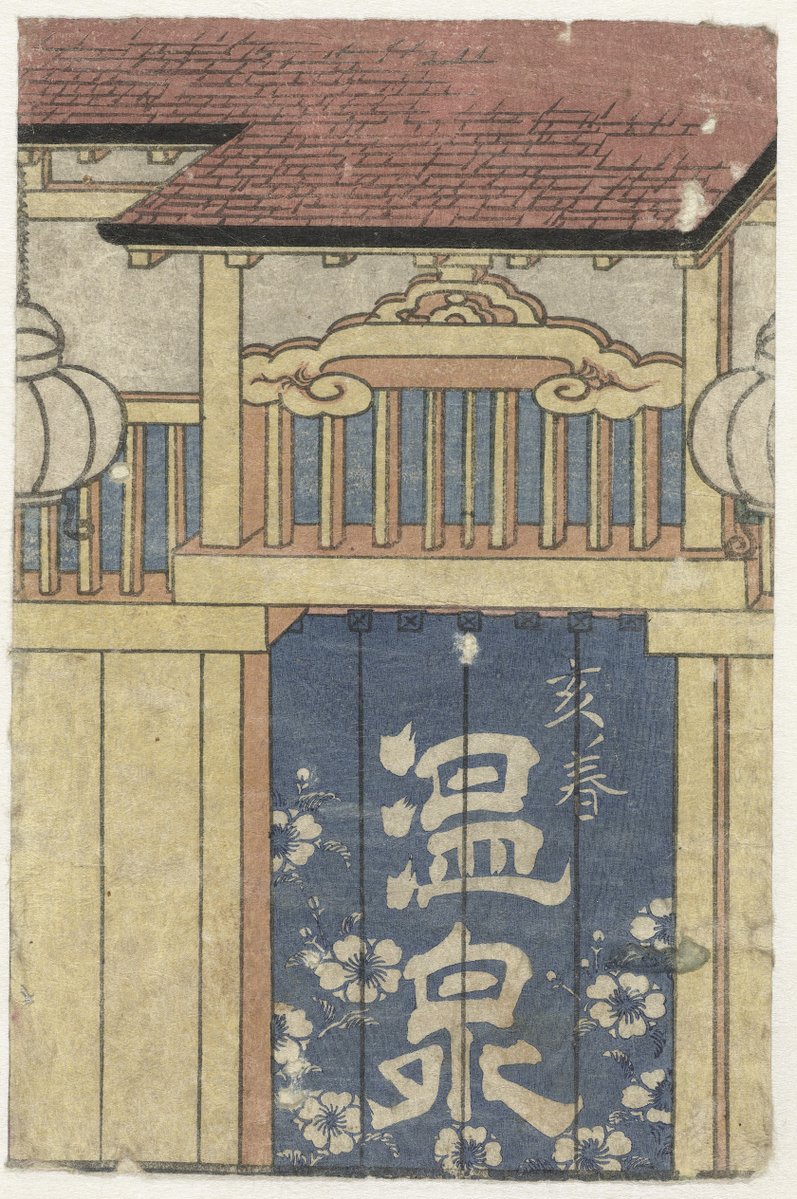
Japanese historical work, 1886. Historical image -- medium and period from source metadata.
Əиɔячpʇion tweet media
English
0
0
0
0
Əиɔячpʇion
Əиɔячpʇion@encryptionmusic·
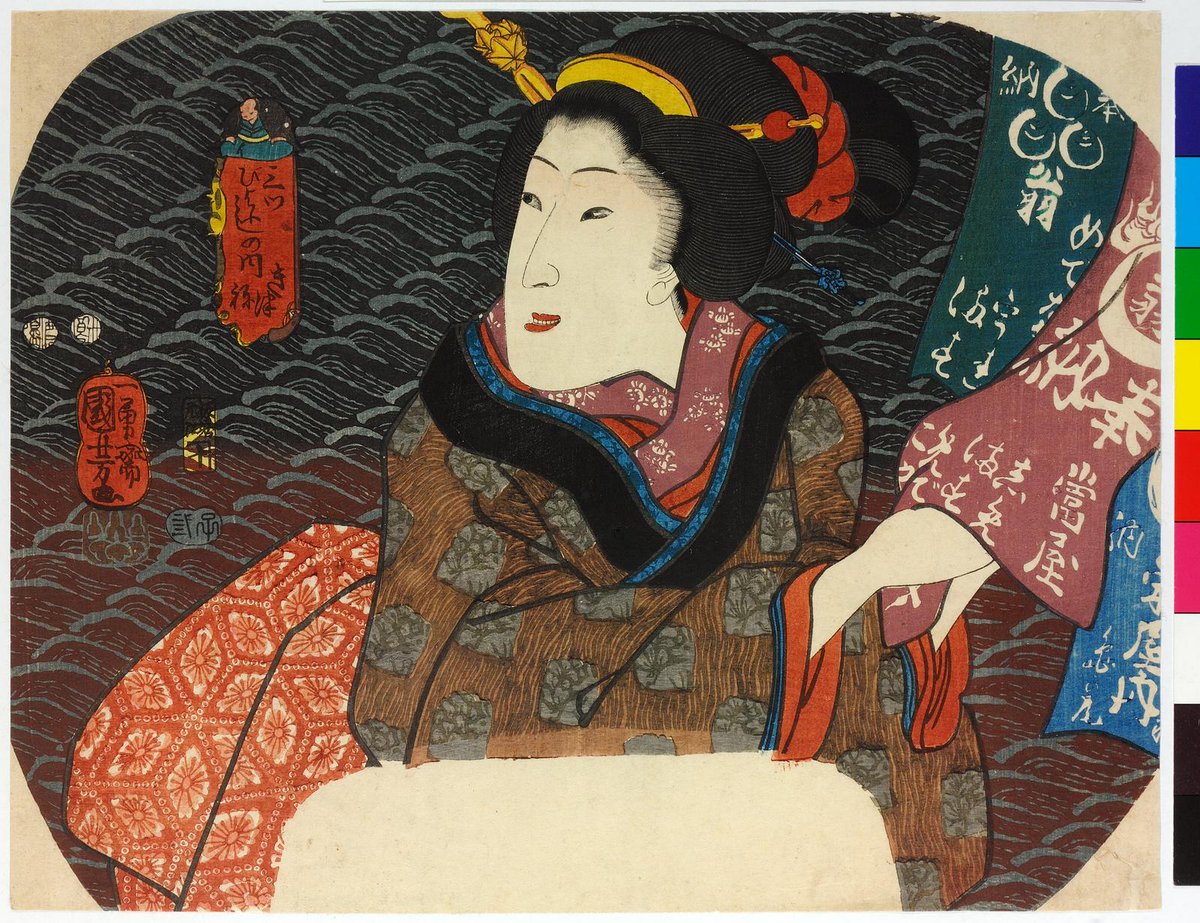
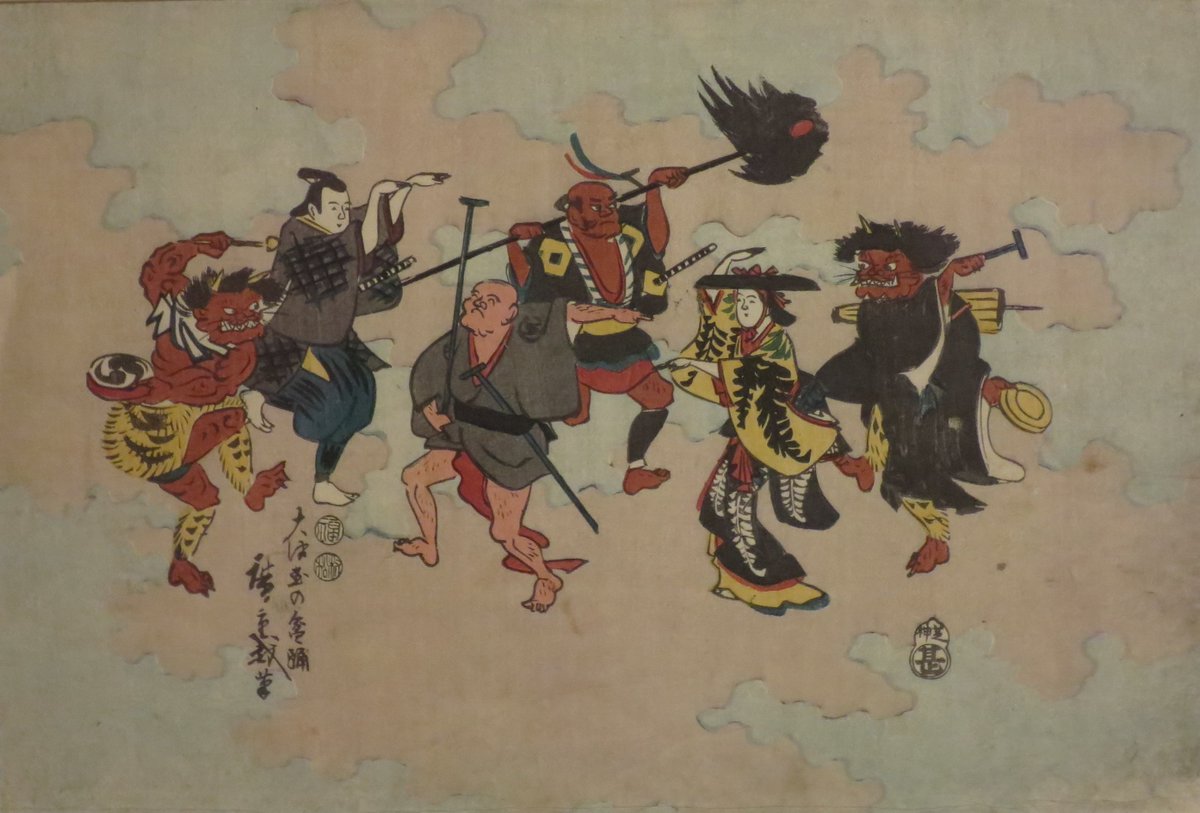
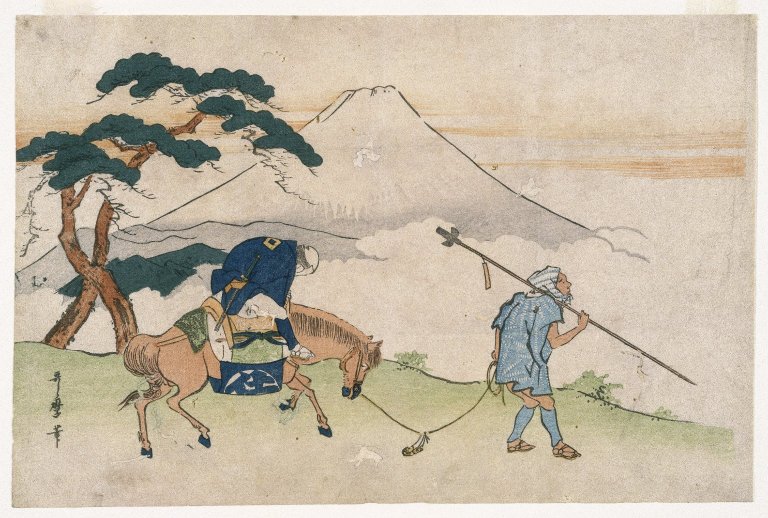
Japanese historical work, 1884. Historical image -- medium and period from source metadata.
Əиɔячpʇion tweet media
English
0
0
0
1
Əиɔячpʇion
Əиɔячpʇion@encryptionmusic·
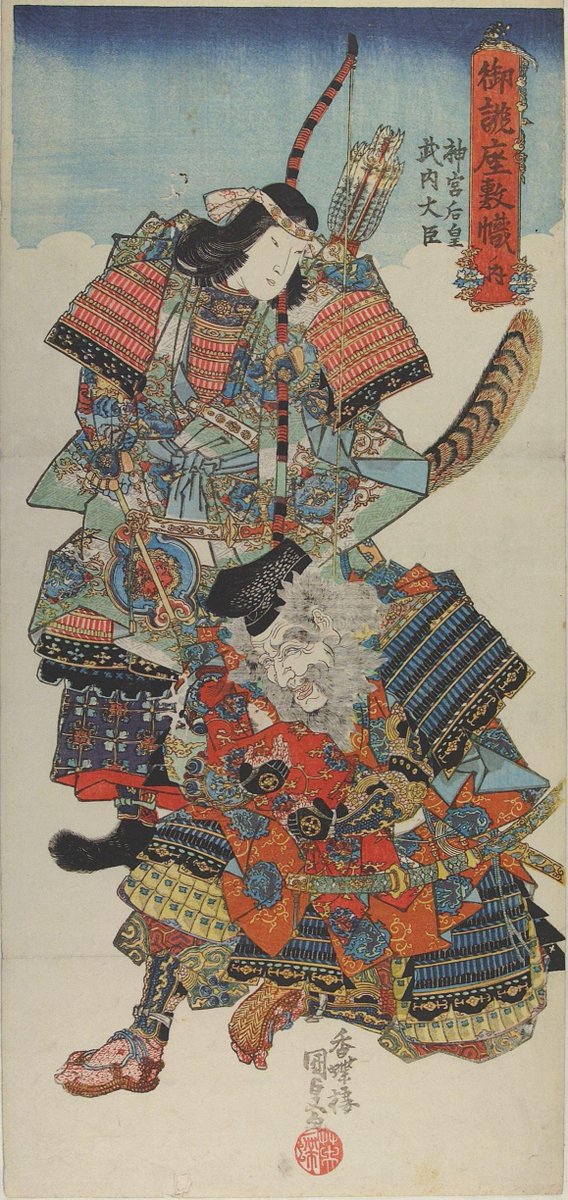
Japanese historical work, 1879. Historical image -- medium and period from source metadata.
Əиɔячpʇion tweet media
English
0
0
0
3
Əиɔячpʇion
Əиɔячpʇion@encryptionmusic·
Japanese historical work, 1854. Historical image -- medium and period from source metadata.
Əиɔячpʇion tweet media
English
0
0
0
4
Əиɔячpʇion
Əиɔячpʇion@encryptionmusic·
Japanese historical work, 1853. Historical image -- medium and period from source metadata.
Əиɔячpʇion tweet media
English
0
0
0
7
Əиɔячpʇion
Əиɔячpʇion@encryptionmusic·
Historical work, 1852. Yokai imagery -- the kitsune fox spirit, a shape-shifting figure of intelligence and mischief in Japanese mythology.
Əиɔячpʇion tweet media
English
0
0
0
9
Əиɔячpʇion
Əиɔячpʇion@encryptionmusic·
Japanese historical work, 1852. Figure study -- costume, posture, and surface within the Edo bijin print tradition.
Əиɔячpʇion tweet media
English
0
0
0
8
Əиɔячpʇion
Əиɔячpʇion@encryptionmusic·
Japanese historical work, 1852. Historical image -- medium and period from source metadata.
Əиɔячpʇion tweet media
English
0
0
0
5
Əиɔячpʇion
Əиɔячpʇion@encryptionmusic·
Japanese historical work, 1836. Bold figure work and narrative staging in the Edo woodblock print tradition.
Əиɔячpʇion tweet media
English
3
0
0
34
Əиɔячpʇion
Əиɔячpʇion@encryptionmusic·
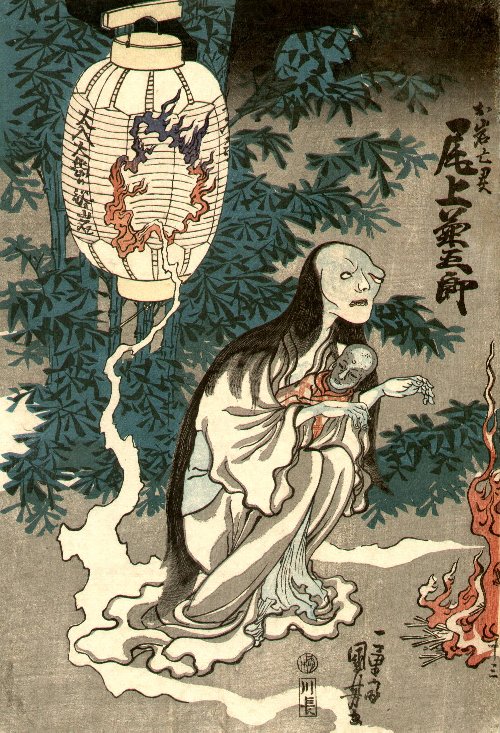
a depiction of the vengeful ghost Oiwa (from the famous Japanese ghost story Yotsuya Kaidan), emerging from a paper lantern In the 1836 ukiyo-e woodblock print, Oiwa—a disfigured spectral woman with long, disheveled hair—appears as a pale, ghostly figure floating or materializing from a large illustrated lantern (chōchin). She often has a melting or one-eyed disfigured face, skeletal hands, and is shown haunting her murderous husband, Iemon, amid flames, smoke, and dramatic staging Utagawa Kuniyoshi (1798–1861), a leading master of Edo-period ukiyo-e known for his dynamic, bold figures, warriors, and supernatural scenes. Onoe Kikugorō III as the Ghost of Oiwa (or Portrait of Oiwa), a kabuki actor portrait in character from the play Yotsuya Kaidan. Kuniyoshi created several versions around 1836 depicting this iconic scene.
English
0
0
0
22
Əиɔячpʇion
Əиɔячpʇion@encryptionmusic·
printer brushed pigments (mixed with water and a bit of binder) directly onto the surface of the carved woodblocks using brushes (like a hake). Then, they placed the paper on the block and rubbed the back with a tool called a baren to transfer the color. This is what "hand-applied" means here: pigments were manually brushed onto the blocks (not sprayed or machine-applied), even though the final color on the paper came from pressing the inked block.
English
0
0
0
19
Əиɔячpʇion
Əиɔячpʇion@encryptionmusic·
Edo woodblock print, 1852. Woodblock print -- line, pigment, and paper composing images before mechanical reproduction in Japan.
Əиɔячpʇion tweet media
English
1
0
0
23
Əиɔячpʇion
Əиɔячpʇion@encryptionmusic·
kago-watashi or 籠渡し Large woven baskets (often holding one or more people and baggage) were suspended from sturdy ropes or cables anchored across the gorge. Operators on either side would pull or guide the baskets along the lines, ferrying passengers safely (or at least that's the idea) over the abyss and fast-flowing water below. The practice was eventually abolished in the Meiji Period (late 19th century) due to the danger, as modern bridges and infrastructure took over.
日本語
0
0
0
12
Əиɔячpʇion
Əиɔячpʇion@encryptionmusic·
Japanese historical work, 1860. Hiroshige landscape -- atmospheric depth and travel imagery across the Edo period.
Əиɔячpʇion tweet media
English
1
0
0
27
Əиɔячpʇion
Əиɔячpʇion@encryptionmusic·
Japanese historical work, 1830. Historical image -- medium and period from source metadata.
Əиɔячpʇion tweet media
English
0
0
0
16
Əиɔячpʇion
Əиɔячpʇion@encryptionmusic·
Japanese historical work, 1827. Historical image -- medium and period from source metadata.
Əиɔячpʇion tweet media
English
0
0
0
17
Əиɔячpʇion
Əиɔячpʇion@encryptionmusic·
The term comes from the kanji 妖 (yō, meaning "bewitching," "strange," or "enchanting") and 怪 (kai, meaning "apparition," "mysterious," or "suspicious"). It’s often rendered as "bewitching apparition," "strange thing," or "mysterious creature." Yōkai is a broad umbrella category that includes ghosts (yūrei), shapeshifters (bakemono or obake), animal spirits, possessed objects (tsukumogami), tricksters, nature spirits, and even more demonic or monstrous entities
English
0
0
0
29
Əиɔячpʇion
Əиɔячpʇion@encryptionmusic·
1790, depicting a sleeping woman on the left and a red skeletal yokai with flowing black hair attacking a figure in bed on the right. The term literally means something like "bewitching apparition" or "strange/mysterious thing." They encompass a huge variety: ghosts (yūrei), shapeshifters (bakemono/obake), animal spirits, possessed objects, tricksters, nature spirits, and yes, some more demonic or monstrous entities. They can be malevolent (causing harm, like attacking people), mischievous (pranks), neutral, or even helpful/benevolent. Many are tied to specific places, objects, or emotions rather than being inherently "evil." Examples range from cute/funny ones (like kappa water imps or tanuki raccoon dogs) to terrifying ones (like the giant skeletal gashadokuro).
English
1
0
0
36
Əиɔячpʇion
Əиɔячpʇion@encryptionmusic·
Historical work, 1790. Historical image -- medium and period from source metadata.
Əиɔячpʇion tweet media
English
1
0
0
18
Əиɔячpʇion
Əиɔячpʇion@encryptionmusic·
Japanese historical work, 1825. Historical image -- medium and period from source metadata.
Əиɔячpʇion tweet media
English
0
0
0
15
Əиɔячpʇion
Əиɔячpʇion@encryptionmusic·
Japanese historical work, 1820. Historical image -- medium and period from source metadata.
Əиɔячpʇion tweet media
English
0
0
0
13