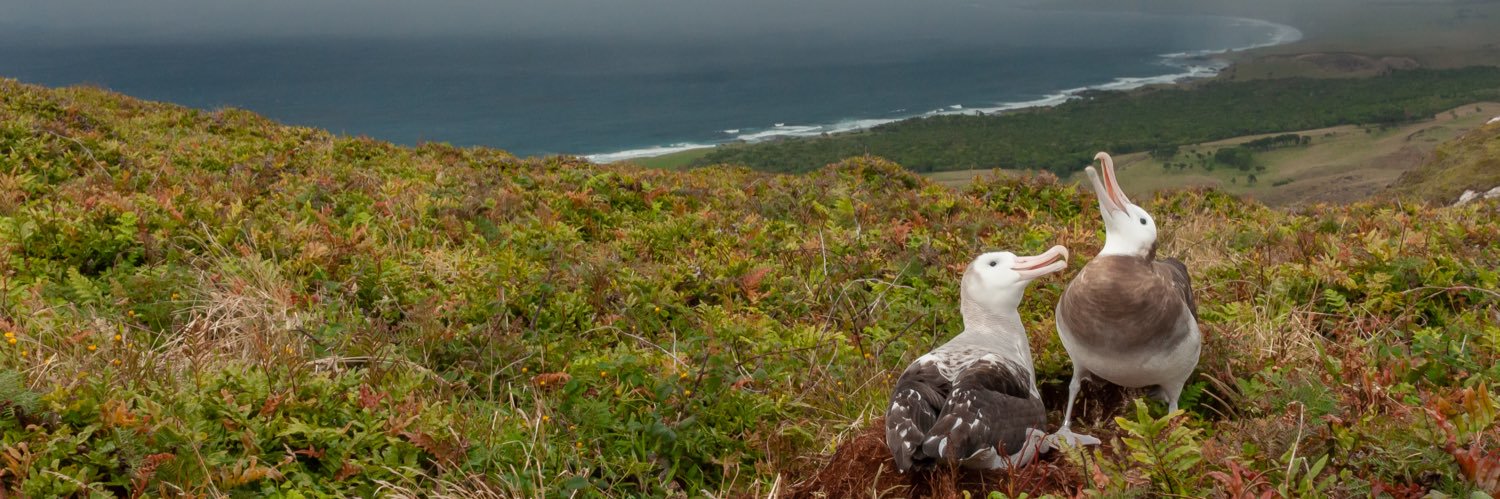
Looks like our concerns were warranted - disease signs consistent with HPAI were observed during Australia's mission to the sub-Antarctic Heard and McDonald Islands
👉abc.net.au/news/2025-10-2…
NEW PAPER collates #telemetry data of >100 marine vertebrate species including #seabirds and finds that protecting only 30% of the global ocean is not enough - because marine animals live everywhere: buff.ly/mYrtoAN
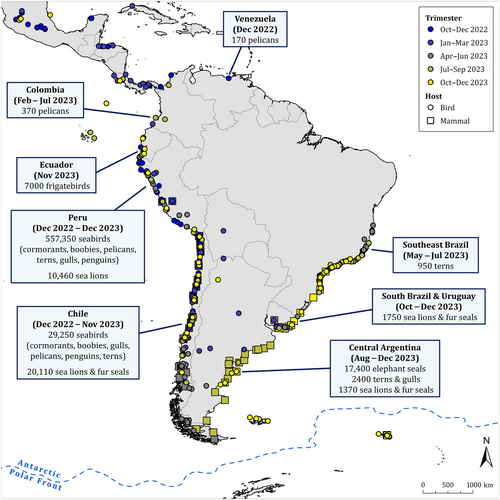
Wow.. its probably been over a year since this one was submitted, but its finally out! Herein we review HPAI across South America (and discuss the threat to Antarctic, prior to its arrival).
👉conbio.onlinelibrary.wiley.com/doi/10.1111/co…
@hildherlo Que pena ver a un montón de gente que de seguro ni ha terminado la escuela opinar sobre ciencia y peor aun refutar a una PhD 🫢. Por eso Latinoamérica esta tan atrasada, por gente que creé saber mas que la gente estudiada. Bien dice el dicho “la ignorancia es atrevida”
#InicioDeProyecto "Situación actual de tres especies de aves marinas en el Perú después del brote de gripe aviar H5N1 en noviembre 2022: Estado poblacional, variabilidad genética y nivel de inmunización", el próximo jueves 5 de junio de 5:00 p. m. a 6:00 p. m.
🌊 The Open Ocean Research Grant program is now open!
🔹 Grants up to $20k USD
🔹 Global applicants welcome - with priority for projects based in specific countries across Africa, Asia, Europe, Latin America & the Pacific
🔹 Use open-access data to advance transparency and support better ocean governance
🗓 Apply by June 17
🔗 bit.ly/open-ocean-res…#OceanData#MarineScience#OpenOceanResearch#GlobalFishingWatch
Animals have culture too and it could change the way we protect them! Animal culture includes socially learned behaviours that groups pass down through generations. 🐋
@royalsociety's Philosophical Transactions B journal has just launched the first-ever themed issue on this topic, featuring 19 open-access reviews. 🔎📖
CMS is already putting these insights to work through separate conservation plans for each sperm-whale “acoustic clan” and a 19-nation push to safeguard the full cultural diversity of chimpanzees. 🐒
Dive into the special issue here: royalsocietypublishing.org/toc/rstb/2025/…
Despite threats like bycatch and climate change, understanding the movement of organisms is crucial. A new paper provides insight into how tropical seabirds navigate the vast ocean, highlighting the remarkable adaptability of their homing strategies. tinyurl.com/ycxh8nws
“I will miss the creativity of teaching.”
During #TeacherAppreciationWeek, check out this #ScienceWorkingLife essay from a retired professor emeritus on how she challenged students to think beyond facts—and how she learned to teach like a scientist. scim.ag/3GH5wph
¡Lo logramos!
Después de más de 10 años de buscar un protocolo para la cría en cautiverio del Macá Tobiano, por fin pudimos liberar a tres pichones criados en cautiverio en la Estación Biológica “Juan Mazar Barnett”.
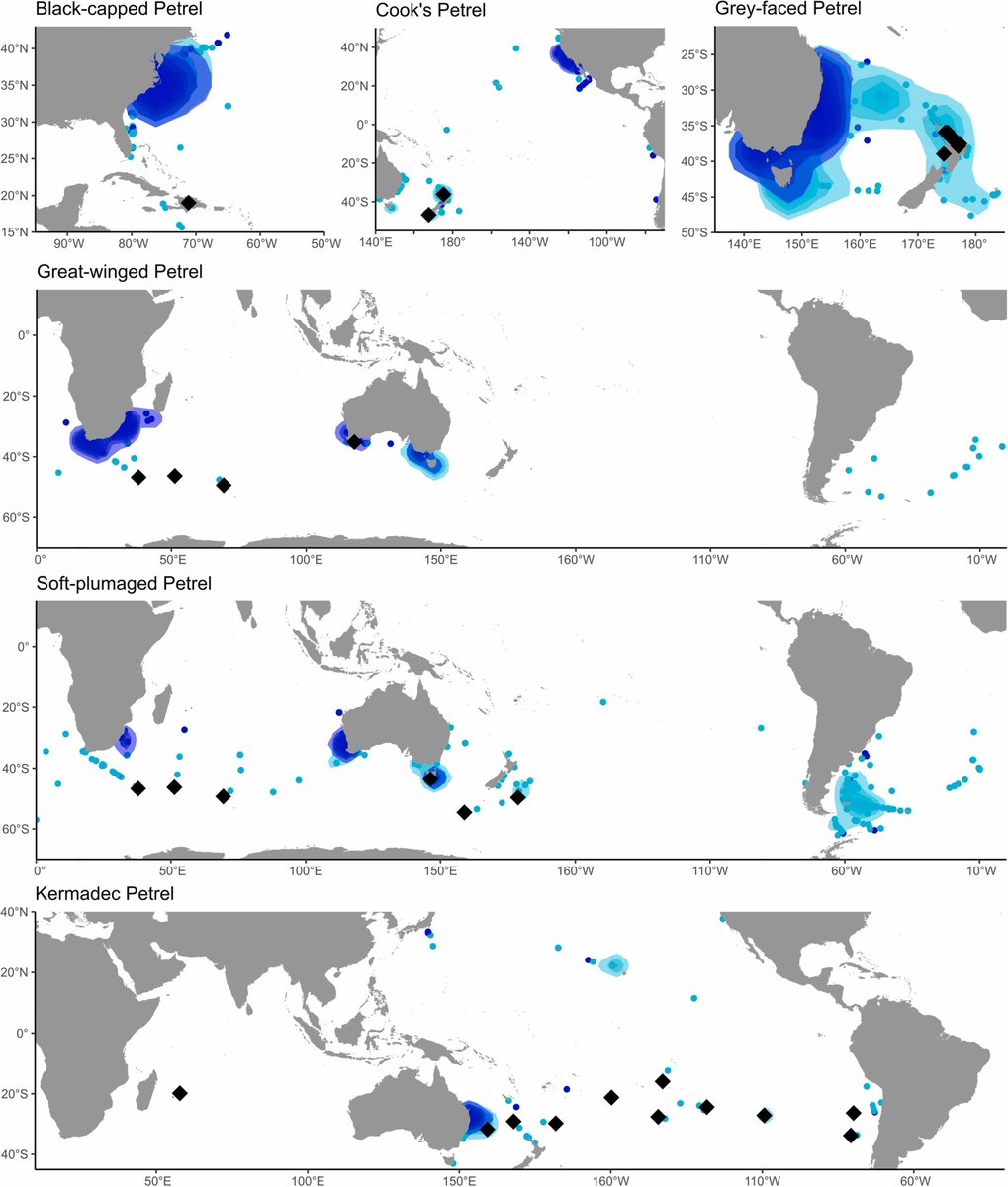
Tubenosed seabirds are the most threatened bird group, facing threats during breeding on land and while at sea nonbreeding. Understanding moulting's impact on their vulnerability can enhance conservation efforts, such as creating marine protected areas. tinyurl.com/2hjda9zj
Researchers recently published a study that details plastic ingestion by seven seabird species in Western Australia and New South Wales. This study provides a baseline and updates on the exposure of these species to plastics. tinyurl.com/2daaxsc6
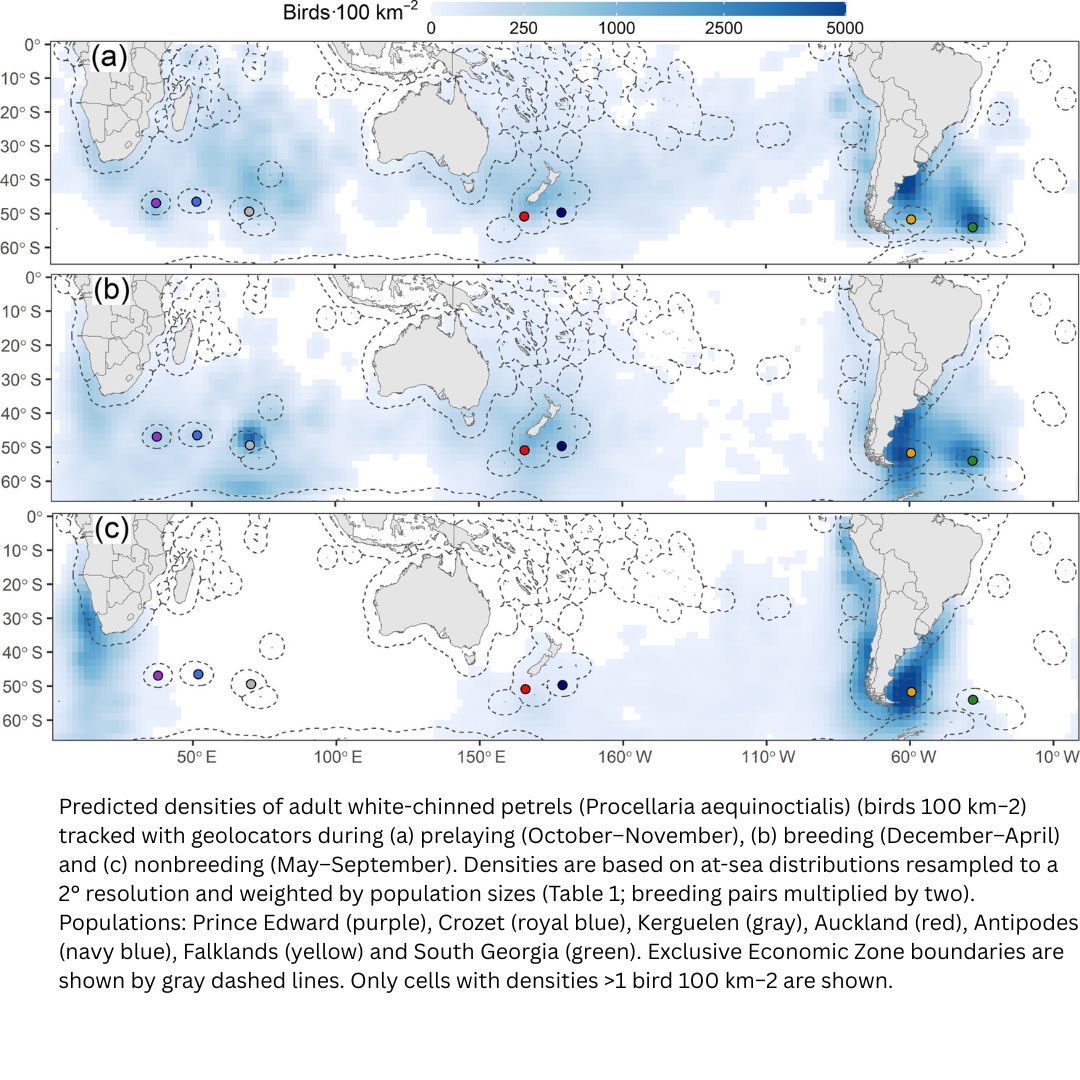
Migratory connectivity refers to the geographical linkages between populations and has significant implications for conservation. A study on white-chinned petrel populations reveals that their spatial organization influences their vulnerability to bycatch. tinyurl.com/ycxud6pz