En hemodiálisis, el ultrasonido pulmonar hecho por enfermería para decidir el ultrafiltrado, comparado a lo habitual:
•↑200ml ultrafiltrado
•↓2.1 kg peso seco
•↓5 líneas B
•↓41% riesgo de congestión pulmonar
En ensayo clínico
Kidney360 2026
doi.org/10.34067/KID.0…
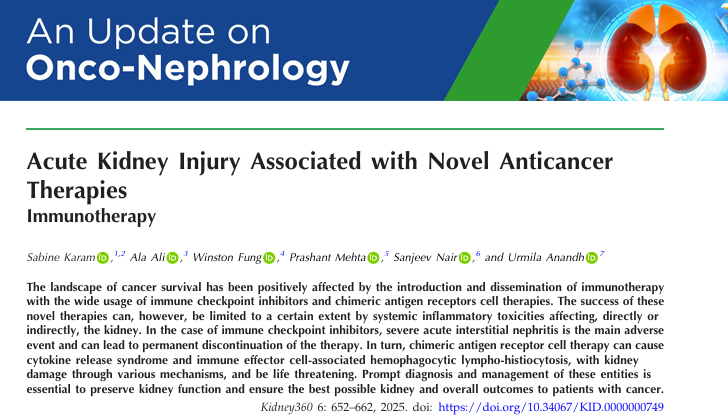
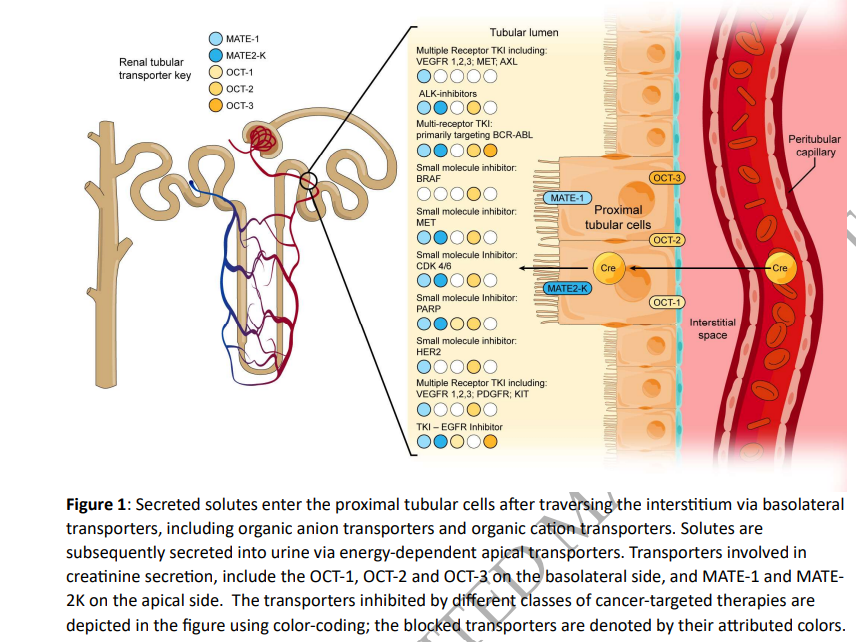
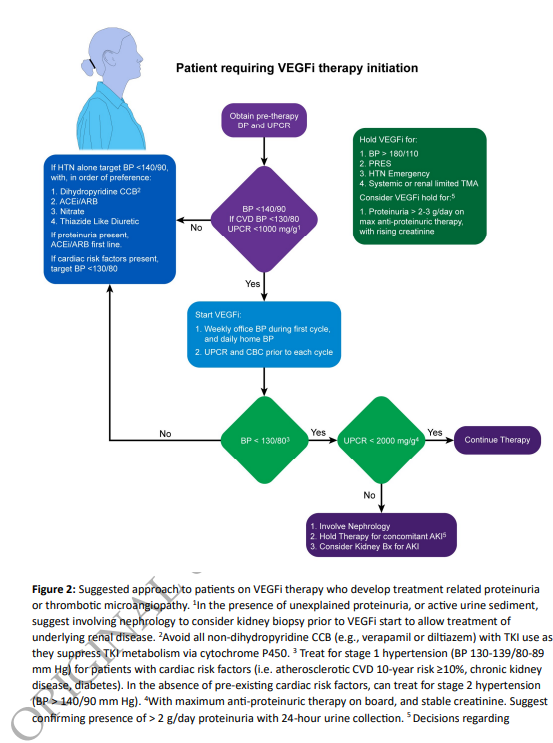
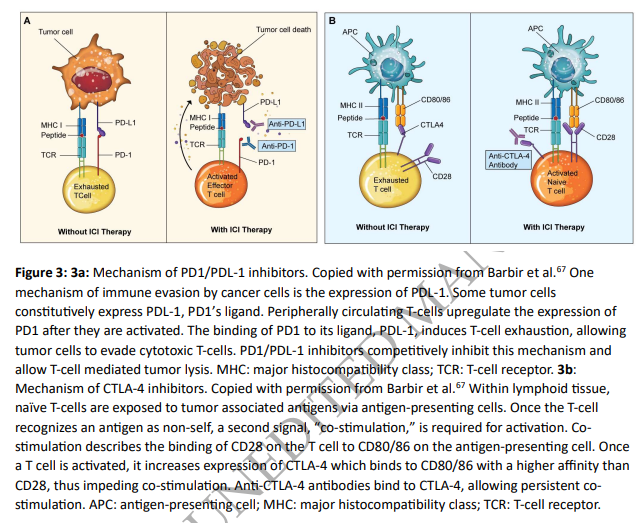
Editors’ Choice 2025: Acute Kidney Injury Associated with Novel Anticancer Therapies: Immunotherapy
In this article, authors detail the mechanism of action of novel therapies, along with the diagnosis and management of their kidney adverse effects.
Check out the paper here: kidney.pub/KID0749
@JonathanNefro Buen ejemplo de clinical trial emulado (metodología y deficiencias). Hay que ser cautelosos con la interpretación:
-El trasplante SI mejora sobrevida frente a diálisis en todos los escenarios.
-Las condiciones del receptor son determinantes y deben guiar la asignación del órgano.
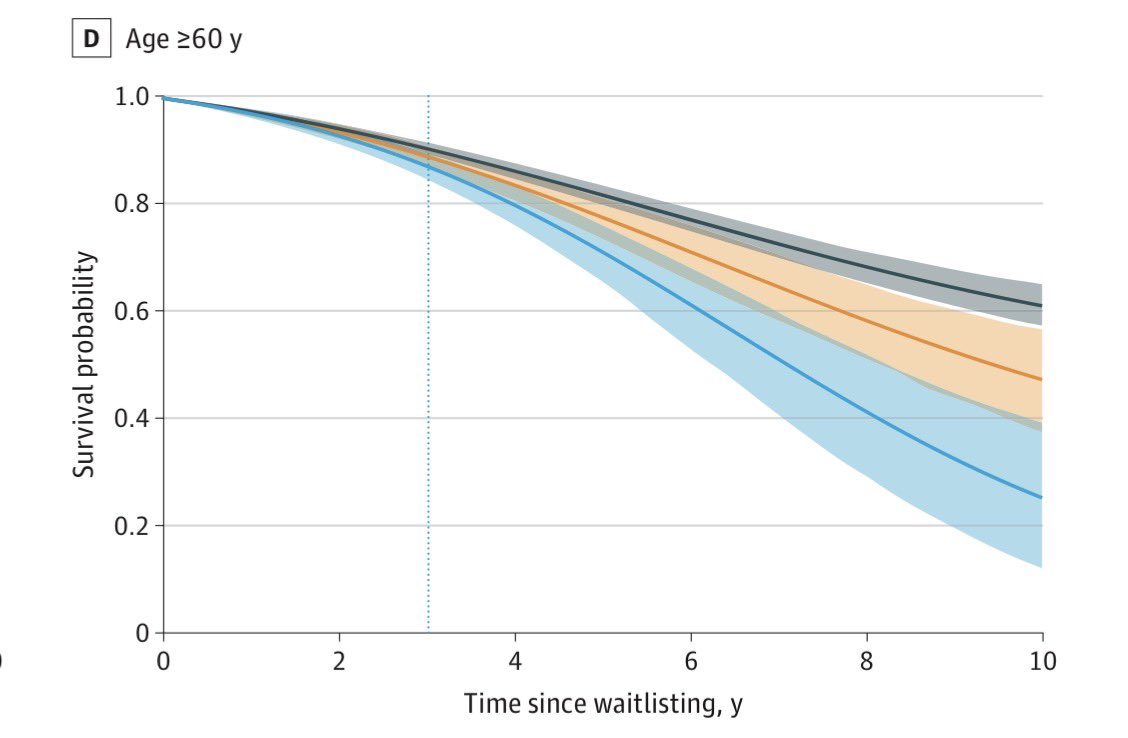
Recibir un trasplante renal cadavérico con puntaje KDRI bajo (bajo riesgo de perder el injerto), comparado a mantenerse en lista de espera, se asoció a vivir únicamente 6 meses más. En KDRI alto, no hay beneficio en sobrevida
JAMA Intern Med 2025
10.1001/jamainternmed.2025.5624
@JonathanNefro Limitantes importantes:
-El riesgo inmunológico no fue considerado en el modelo.
Aun así, incluso los pacientes añosos muestran beneficio con ofertas de órganos marginales.
Effects of SGLT2 inhibitors in lupus nephritis CKD. In this before-and-after study we explored the changes in proteinuria, eGFR, hemoglobin, and other parameters in the 12 months before and after SGLT2 initiation. shorturl.at/1gDGT@RheumJnl@NefroINCMNSZ
We are pleased to announce the publication of the KDIGO 2025 Clinical Practice Guideline for the Evaluation, Management, and Treatment of Autosomal Dominant Polycystic Kidney Disease (ADPKD). Read the news release: kdigo.co/2025-ADPKD-Gui…
This first-ever KDIGO guideline focused on a rare kidney disease provides practical tools for healthcare providers and patients to improve diagnosis, care, and treatment, addressing challenges in managing this inherited condition.
"This comprehensive guideline reflects the significant progress in ADPKD research over the last decade, from genetic insights to advanced therapies," said Guideline Co-Chair Vicente E. Torres, MD. "By addressing the complexities of diagnosis, treatment, and management, we hope this guideline will standardize care, enhance clinical practices, and help reduce the global burden of ADPKD. Our goal is that this resource will not only empower clinical decision-making but also inspire hope for patients and their families, demonstrating that meaningful progress is achievable for this challenging disease."
"The publication of this guideline represents a pivotal step forward in the care of ADPKD and people with rare genetic disorders worldwide," said Guideline Co-Chair Olivier Devuyst, MD. "It is the result of an extraordinary global collaboration among experts, researchers, and patient advocates, bringing together the best available evidence to guide care across diverse settings. This guideline is not just important for individuals with ADPKD. It also serves as a crucial template for the development of guidance for other rare genetic conditions. By providing a roadmap for consistent, evidence-based care, it addresses critical knowledge and practice gaps worldwide, offering a model for improving the lives of those with rare diseases globally."
Download the KDIGO ADPKD Guideline, Executive Summary, and Data Supplement on the guideline website: kdigo.co/ADPKD
Read the guideline in @Kidney_Int: kdigo.co/ADPKD-Guidelin…#ADPKD
Acute Kidney Disease in Oncology: A New Concept to Enhance the Understanding of the Impact of Kidney Injury in Patients with Cancer | Kidney and Blood Pressure Research | Karger Publishers karger.com/kbr/article/49…
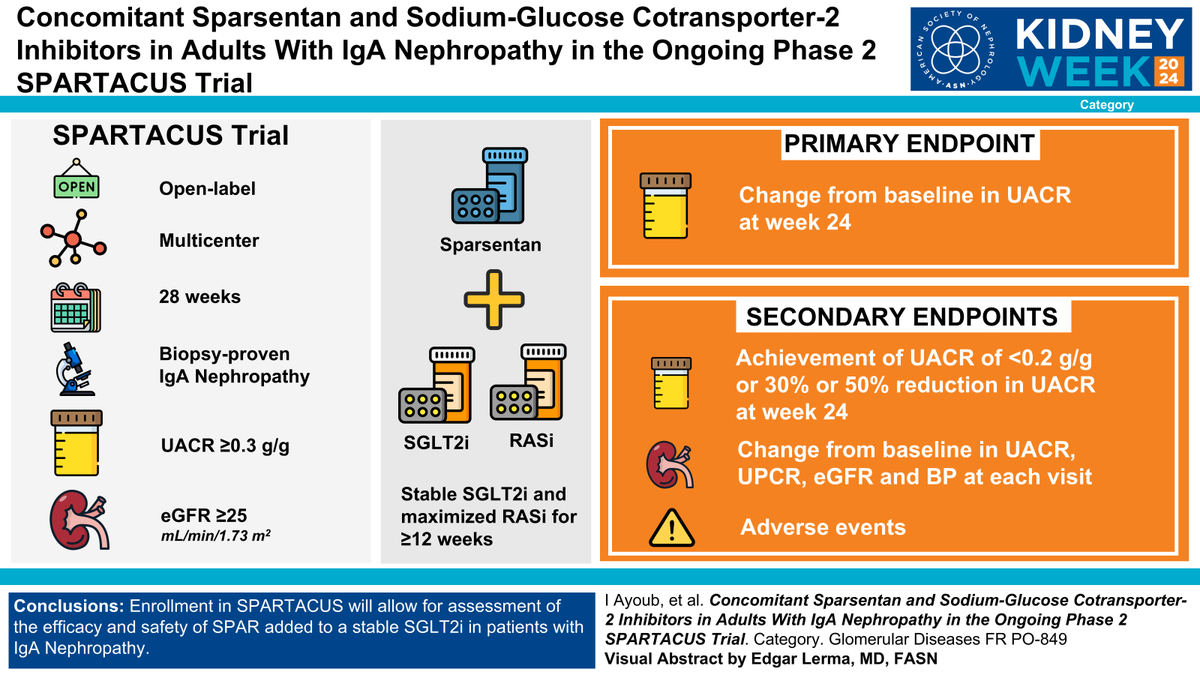
Concomitant Sparsentan (SPAR) and SGLT2 Inhibitors (SGLT2i) in Adults with 🔬 IgA Nephropathy (IgAN) in the Ongoing Phase 2 SPARTACUS Trial #Nephpearls#KidneyWk