
Erick Rodríguez retweetledi
Erick Rodríguez
1.4K posts


Erick Rodríguez
@erickrodz
DTC Apparel Owner Operator in LATAM with https://t.co/RrzlokwI8Z
Vancouver, British Columbia Katılım Nisan 2010
348 Takip Edilen209 Takipçiler


Erick Rodríguez retweetledi
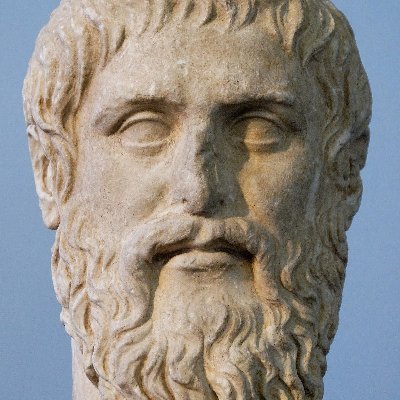
The Brutalist is about an architect who studied at the Bauhaus.
Its protagonist is fictional, but the Bauhaus was real.
What was it? The most influential design school in history.
So, from fonts to furniture, this is how Bauhaus created the aesthetic of the modern world...

English
Dude, get some sumo guys on an NFL offensive line. Held back Micah Parsons like he wasn’t even trying. 🤯
English
Erick Rodríguez retweetledi

“Don’t take yourself so seriously. You’re just a monkey with a plan.” — @naval
English
Erick Rodríguez retweetledi


Erick Rodríguez retweetledi


Erick Rodríguez retweetledi

Erick Rodríguez retweetledi
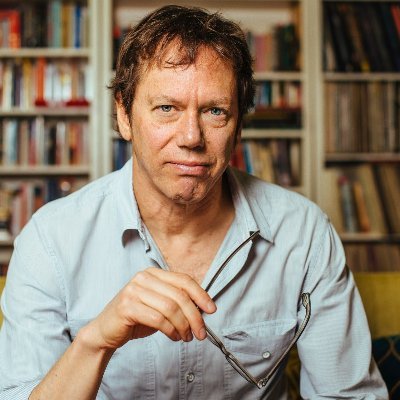
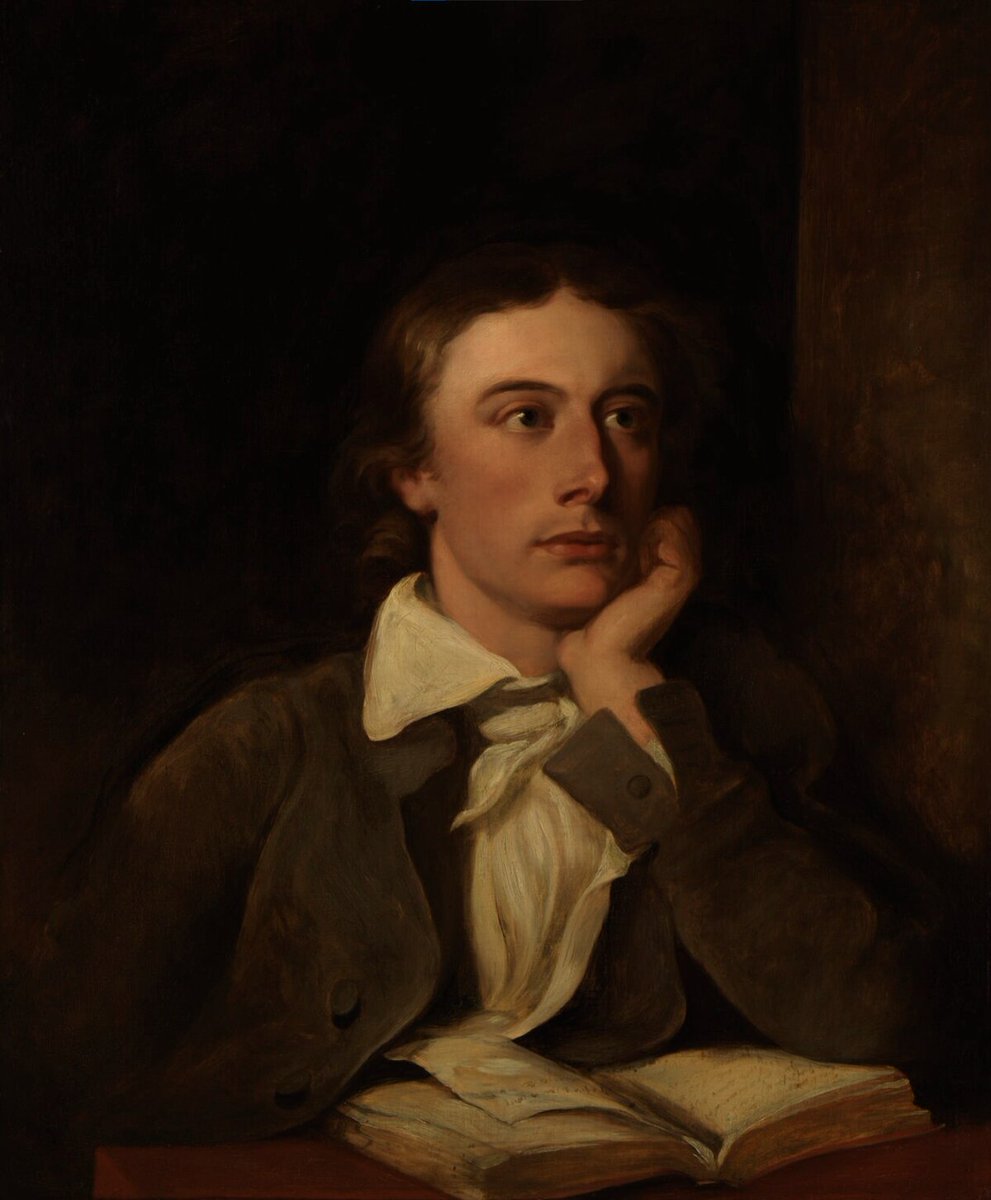
In 1817 the twenty-two-year-old poet John Keats wrote a letter to his brothers in which he explained his most recent thoughts on the creative process.
The world around us, he wrote, is far more complex than we can possibly imagine.
English
Erick Rodríguez retweetledi
Erick Rodríguez retweetledi

Erick Rodríguez retweetledi


Erick Rodríguez retweetledi

Erick Rodríguez retweetledi
The secret to success in almost all fields is large, uninterrupted blocks of focused time.
English
Erick Rodríguez retweetledi
There’s only one CEO in corporate America that chooses to work for no pay of any kind (no stock compensation either)
@ryancohen bought his own shares with his own money because he believes in himself and he believes in his company.
Imagine if more CEOs had this mentality, imagine how different the world would be.
I’m in Atlanta to talk about it tomorrow at @pulte’s event. If you’re there, I’ll bring extra tinfoil.
Can’t stop. Won’t stop. #gamestop 🚀
English
Erick Rodríguez retweetledi
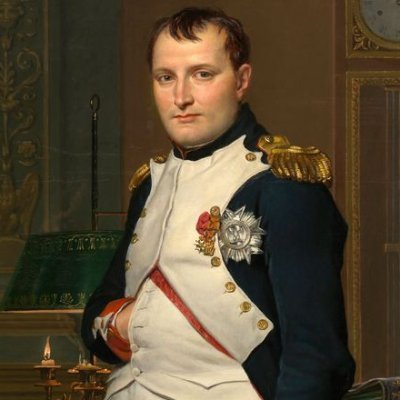
“A leader is a dealer in hope.”
English
Erick Rodríguez retweetledi

Erick Rodríguez retweetledi
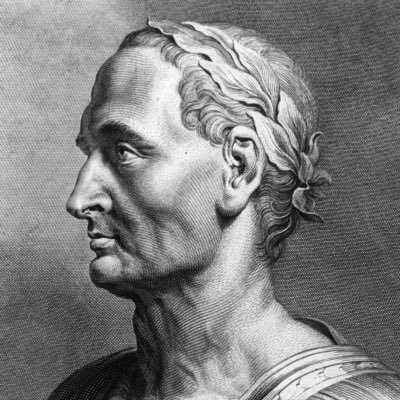
In 2012, a 17-year-old boy sent an original song to Deadmau5, who was blown away by the talent and signed the boy after listening to the track during a live stream. The song became one of Deadmau5's biggest hits.
English
Erick Rodríguez retweetledi
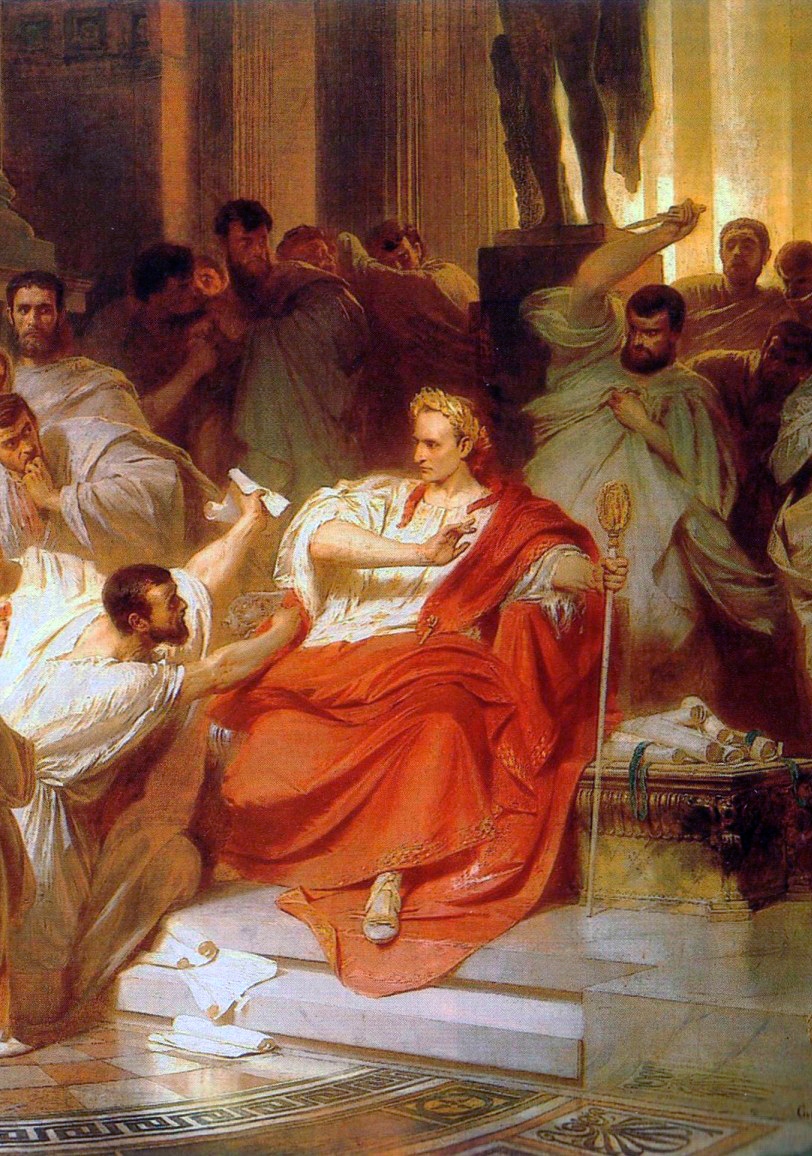
On this day 2,068 years ago Julius Caesar was assassinated in broad daylight in the middle of Rome.
But it wasn't a mob or popular uprising — Caesar was killed by a group of disgruntled senators.
Here's how it happened, moment by moment, on that fateful day in 44 BC...
English
Erick Rodríguez retweetledi
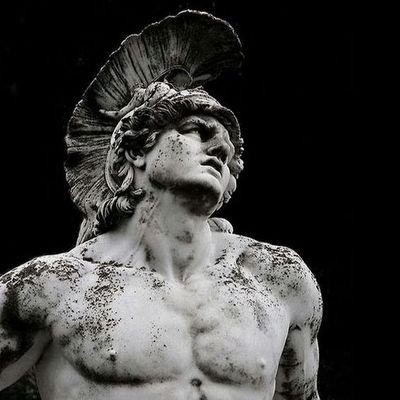
Estoicismo:
Disfrutar sin necesitar.
Dejar ir y dejar entrar.
Tener pero no querer.
Español
Erick Rodríguez retweetledi

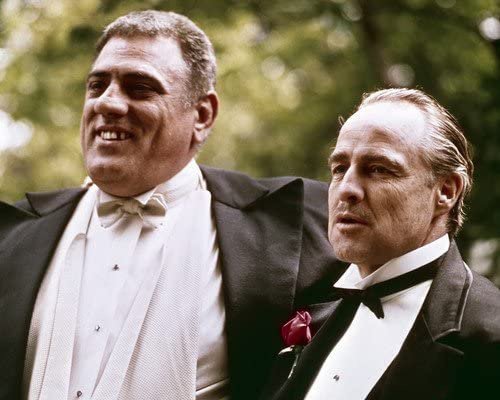
During the filming of the first Godfather movie, the mafia got awfully curious about what went on during filming. The mob actively followed the actors and actresses around and hovered around the sets, much to the chagrin of the actors. Marlon Brando in particular wasn’t too pleased.
At some point, Brando, Pacino, and Robert Duvall were driven off-set in a car when their driver spotted a suspicious-looking cast of characters traveling at the same speed and distance, eyeing them.
Brando said he had had enough of “those mob bastards,” rolled down the car window, pulled down his pants all the way, and mooned them! Duvall later said of the event that his famous co-star pulled his pants down just a little too much.
Not deterred, the mob sent real-life mafia enforcer, wrestler and doorman Lenny Montana to the movie set, to play the part of Luca Brasi.
Montana was a major Brando fan, as were many of the mafia guys themselves who had come to respect the wild star and his reckless ways. So in awe of his famous co-star was Montana, that he bumbled his lines. He could barely perform at all.
Until Brando put Montana at ease, helping him shine and perform his part well. The big mobster turned actor was incredibly grateful, and suddenly the mafia was totally okay with their on-screen portrayal.
English