
Sabitlenmiş Tweet
Ericonet
28.7K posts

Ericonet
@ericunited1
Discipline over excuses. Husband. Father. 40+. Building muscle, legacy & standards. 🇳🇬 | #MUFC 🔴
Nigeria Katılım Temmuz 2011
1.5K Takip Edilen1.7K Takipçiler
Ericonet retweetledi

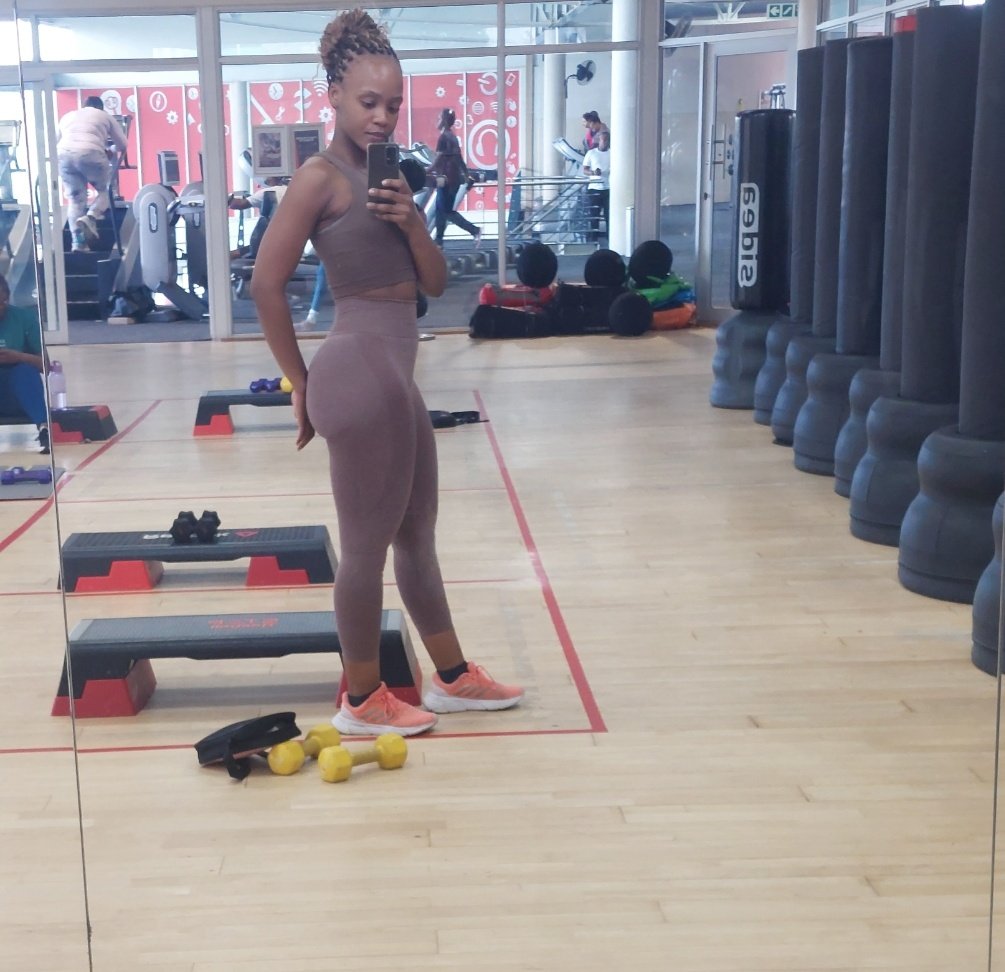
I remember being so obsessed with this gym outfit
kgadi♠️@Kgadi_yaMoloto
Brown is so underrated in clothes, it eats so much😭🔥.
English
Ericonet retweetledi

I took a total of 23k steps today. Determination + discipline wins always.

Ericonet@ericunited1
The time is 11:29am and I've already taken 13k+ steps today.
English
@don_victor19 And this.
x.com/i/status/20347…
Ericonet@ericunited1
For every food you eat, there's an amount of energy you are getting from it. That energy is the calories. Then for that same food, you get nutrients from it too. If it's rice, you already know that's carb-based food. So in your rice, you get a certain amout of carbs in gram from it and very little protein. Take for instance, 100g of boiled white rice will give you 130 calories with 28g of carbs and about 3g of protein. So let's assume you added two large eggs to it, two large eggs will give you about 140 to 150 calories with 12g of protein, 10g of fat and 1g of carbs. Assuming that's all you have in your meal It means your food gave you: Calories: 280kcal Carbs: 29g Protein: 15g Fat: 10g Everyone has their daily calorie and nutrient requirements. So that's how you track what you eat to know if you are within safe calorie consumption for the day and if you've eaten enough nutrients in for the day.
English

@ericunited1 Chief, I've been following you for a while. Please can you educate me on how to track calorie intake?
English
You can’t manage what you don’t measure.
No food scale = no accurate tracking.
No accurate tracking = inconsistent results.
Ericonet@ericunited1
No food scale, but you say you track calories? That’s not tracking. That’s estimating.
English
@don_victor19 Hope this helps bro.
x.com/i/status/20274…
Ericonet@ericunited1
It is determined by your BMR, NEAT, TEF, and Exercise. But to avoid complications, just multiply your body weight in KG by 30 or 35. Use 30 if you engage in low activities daily. Use 35 if you are more active. After getting your figure, now position your daily calorie intake around your goal. If your goal is: Fat loss = subtract 300-500 calories Muscle gain = add 200 - 300 calories Maintenance = stay there. Body recomposition = use maintenence or slight deficit not more than 200 calories. Lastly, track your bodyweight weekly and your waistline and see if there are changes based on your goal. Tweak it based on your results and goal.
English
Ericonet retweetledi

@ericunited1 @oku_yungx Growth is better when it’s shared—let’s build together. 💪
English

@dayjee_1 @hotiiofficial @ericunited1 Not a myth—just misunderstood.
Carbs give quick fullness.
Protein gives lasting satiety.
Rice fills you fast, but hunger returns sooner.
Protein slows digestion and keeps you satisfied.
Build meals around protein, then add carbs & fiber.
English


@micheal_ws18 @Thora_Strong1 Thanks for the follow, Michael. I'll follow you back soon. Temporarily restricted for now.
English
Bro, you might have been overeating 😂😂😂. If the carbs is not beans or potatoes, you can rarely "feel full" except you've eaten your entire daily calorie at once.
Then the feel full in this context is that proteins take longer to digest in your body unlike carbs. Most carbs get digested between 30 mins to 2hrs in your system unlike protein.
English

@hotiiofficial @catul_lafortune @ericunited1 You sure this isn’t a myth ? Carbs makes me feel full more than even protein… shey na only chicken wan make me feel full? But rice, bread etc def fill me…
English

@Praisemetax Exactly! And that's where this beast comes in. This is the tool that will help you to determine the weight of your food. You weigh in gram with this and then you can determine the value of the food.

English
Ericonet retweetledi
@ericunited1 That means I need to know each meal the amount of calories they contain in able to ascertain them?
English
Ericonet retweetledi


@ericunited1 I don’t understand, where’s the “High Protein” ?
The kpomo?
Or the two egg alone ?
English

@catul_lafortune Yes, but it's within my daily calorie consumption and I had enough carbs too. So everything is fine.
English
Ericonet retweetledi
@ericunited1 Solid intake.
But past ~2.2 g/kg, it’s more than you need. 💪🏾
English