Eder Peña retweetledi
Eder Peña
1.4K posts

Eder Peña
@escribeycombate
Investigación, análisis y comunicación. Ecología, historias y política. Venezuela 🐜 IG: @escribeycombate Telegram: https://t.co/95N3M2Fr7n
Caracas, Venezuela Katılım Mayıs 2023
68 Takip Edilen139 Takipçiler
Eder Peña retweetledi


🇺🇸🇻🇪 Esto es un poema 👇
Rubio: Maduro fue acusado. Nadie hizo nada al respecto.
Periodista: Pero Orlando Hernández 🇭🇳 fue condenado por un jurado.
Rubio: La facultad de indultar es algo en lo que no estoy involucrado.
Periodista: Pero, ¿lo apoyas?
Rubio: No participé en esas deliberaciones. No he revisado el expediente. Tengo un montón de cosas en marcha.
Español
Eder Peña retweetledi

#18Nov Día Nacional de la Alimentación
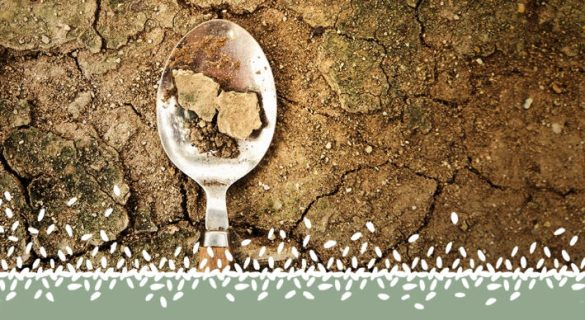
Como en el fútbol, en la alimentación hay hegemonía y estandarización, en uno casi siempre ganan los mismos clubes y en la otra casi siempre comemos lo mismo.
✍️Éder Peña @escribeycombate
📰 lainventadera.com/2024/10/12/qui…


Español
Eder Peña retweetledi

#27Oct #LaInventadera4toAniversario
"Las mariposas amarillas precedían las apariciones de Mauricio Babilonia." ✨
Cruzan océanos y usan una brújula solar.
Un texto de @escribeycombate que ya cautivó a más de 22 mil lectores.
📰 lainventadera.com/2023/07/15/las…

Español
Eder Peña retweetledi

#6Oct Día Internacional del Agua
La mercantilización del agua
Este líquido, que nadie fabrica, ya es un producto que cotiza y se comercia en los mercados de futuros de materias primas.
✍️@escribeycombate
📰lainventadera.com/2023/08/26/el-…

Español
Eder Peña retweetledi

#11Jul #DíaMundialDeLaPoblación
¿Viviremos fuera del "nicho climático humano?
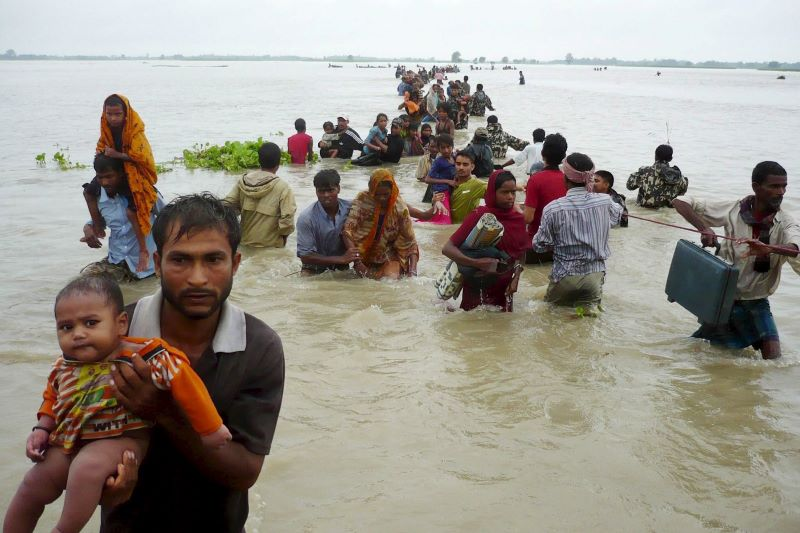
600 millones ya están fuera de las condiciones climáticas ideales para la vida. ¿La razón? No somos "demasiados", sino que el sistema nos empuja al colapso.
✍️@escribeycombate
lainventadera.com/2023/05/27/som…

Español
Eder Peña retweetledi

#26Feb
El tiempo en un autobús
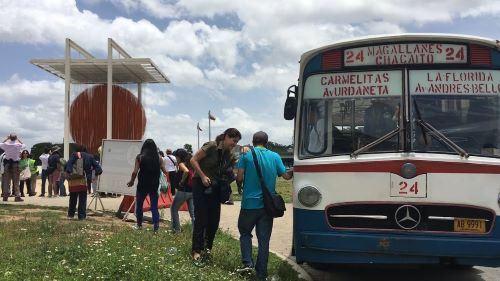
Gente cada vez más consumida cuando descubre que lo importante es su capacidad de consumo, que su nombre es un oficio y que su apellido puede ser cambiado por un monto de deuda.
✍️@escribeycombate
📰lainventadera.com/2024/02/24/el-…

Español
Eder Peña retweetledi

“El término “antropoceno”desplaza el origen de la crisis contemporánea: hace parecer que es la “naturaleza” humana y no el capital lo que ha precipitado la inestabilidad planetaria” Justin Mcbrien.
El capital y sus mercados desorganizan y disuelven las comunidades y sus metabolismos con la naturaleza que habían permitido la reproducción de la vida humana y no humana, para atarlas a la totalidad productiva y consuntiva mundial que se impone a los ecosistemas locales y su extracción sin fin, produciendo territorialidades necróticas.
El capital es hoy el principal vector de extinción de la vida.
César Pineda


Español
Eder Peña retweetledi

"Cuando la disponibilidad de agua cae por debajo del nivel de consumo, se produce una escasez crítica y se produce un uso insostenible del agua. En estas zonas, los seres humanos deben compensar el déficit agotando las aguas subterráneas, los ríos y los ecosistemas acuáticos"👇
Andrés Actis@ActisAndres
Mapa con las “brechas de agua” (demanda de agua excede la oferta) en todo el mundo con un calentamiento de 1,5 °C y 3 °C. España entre los cinco países más afectados. Con el calentamiento actual, el déficit es de 1.600 millones de metros cúbicos por año. nature.com/articles/s4146…
Español
Eder Peña retweetledi

#21Feb
¿Realmente estamos buscando soluciones o solo parches?
Las promesas de las tecnologías “limpias” y las energías renovables suenan atractivas, pero ¿son suficientes para evitar el colapso del sistema?
✍️Éder Peña @escribeycombate
📰lainventadera.com/2024/11/23/no-…

Español
Eder Peña retweetledi

The Western ruling class considers China's technological development to be a threat because it undermines a core tenet of the imperial arrangement.
Here's how it works. The states and firms of the imperial core actively seek to prevent sovereign technological development in the global South, while establishing monopoly control over necessary technologies (capital goods, medicines, computers, etc, etc).
This forces the South into a position of dependency, such that they are compelled to export large quantities of (cheapened) industrial and agricultural goods to the core in order to pay for necessary imports.
The result is a massive net flow of material wealth from periphery to core that sustains high levels of material consumption in places like the US and Europe, overwhelmingly to the benefit of their ruling classes. And the core's technology firms enjoy monopoly profits.
But China's technological development is beginning to break Western monopolies, and may give developing countries alternative suppliers for necessary goods at more affordable prices. This poses a fundamental challenge to the imperial arrangement, and the net flow of goods - and profits - that the core enjoys.
The core states will not let this happen easily. All the US saber-rattling against China's development is *not* because China poses a military threat to the territorial United States (it does not), but because it poses a threat to imperial capital.
English
Eder Peña retweetledi

There is a strange idea in some environmentalist circles that human population is the main cause of ecological breakdown, and that humans have an *intrinsically* negative impact on ecosystems. Both claims are incorrect.
First, human ecological impact is entirely a function of the system of production and provisioning. It depends on what is being produced, under what conditions, and how the yields of production are distributed.
For instance, an economy that uses mostly public transit, renewable energy, multi-unit housing and plant-based protein can meet human needs with a fraction of the impact of an economy that produces a lot of SUVs, fossil fuels, mansions and industrial beef, and which allocates a bunch of totally unnecessary production to service the fantasies of overconsuming elites.
Remember, we know it is possible to provide decent living standards (DLS) for 8.5 billion people with 30% of current global energy and material use, by ensuring efficient technologies and focusing production on socially necessary goods and services.
That much is fairly straightforward. But one might say that, even so, every person will always have some negative impact. This too is incorrect. Again, it depends entirely on the production system, and specifically, what people are mobilized to do.
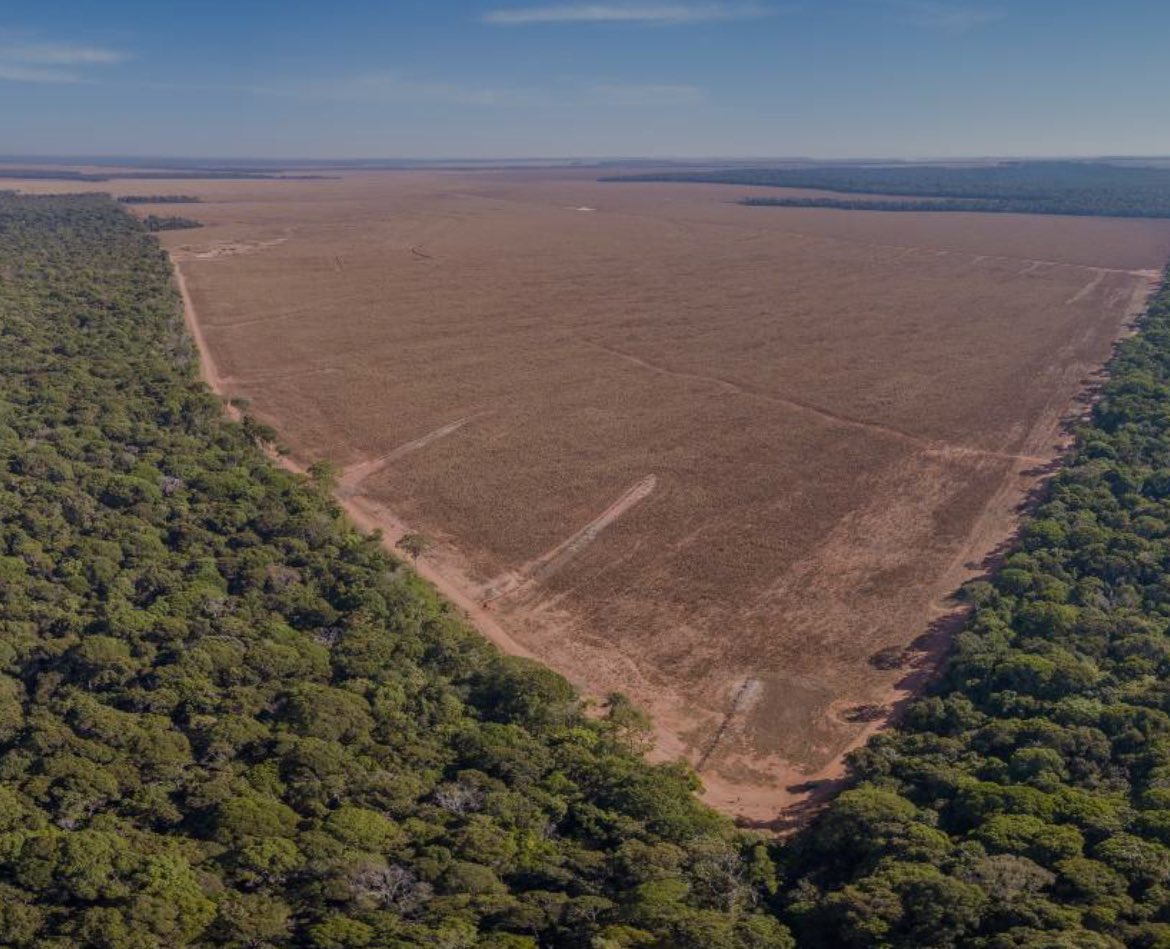
Under capitalism, labour is mobilized overwhelmingly to produce things that are profitable to capital. But labour could just as easily be mobilized instead for regeneration. Using straightforward public finance mechanisms, we can fund massive programmes to reforest barren lands, regenerate degraded ecosystems, restore biodiversity, advance agroecological methods, etc.
Under these conditions, it is possible for societies to not only have minimal negative impact on ecology, but to have a net-positive impact, actively improving ecological indicators.
People buy into the myth of the intrinsic destructiveness of humans because we have come to take capitalism for granted. But it is 100% possible to organize production and labour differently.
Under capitalism, we are compelled to produce whatever is most profitable to capital, even if it is destructive to humans and nature. Under conditions of economic democracy, we can produce what we know is necessary for well-being and ecology.
English