Sabitlenmiş Tweet
excess 😶🌫️
25.2K posts


@GeoffreyHuntley @coffeebreak_YT was cursed one of those big dreams
English

@coffeebreak_YT all you gotta do is ralph, dream big and
apply your n decades of swe knowledge
and rethink the last 40 years from first
principles.
English

media inquiries have started
yes; hi gm
happy to sit down with you and
explain what the hell is going on
if you are a jounro just email me
ghuntley.com/media
English

@GeoffreyHuntley @coffeebreak_YT would love to know more about cursed
English

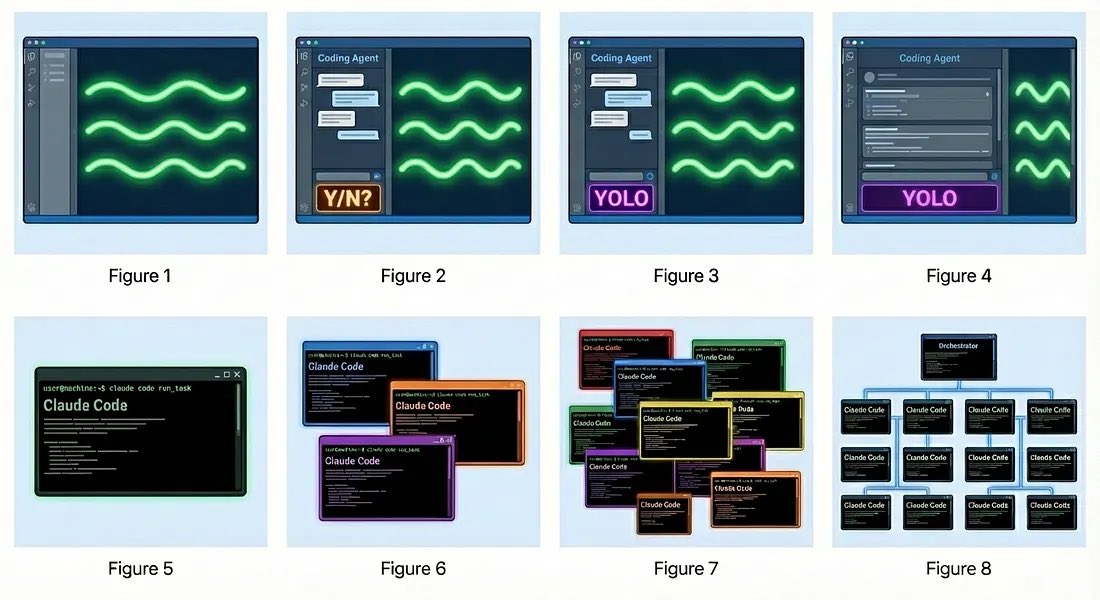
now back to ralph - ralph is a technique for tool calling an entire system. a plugin in a harness isn’t it. it’s an orchestrator pattern for running N harnesses at the same time.
it exists to solve going from fig 5 to fig 8
but to do so requires completely rethinking
how software is made from a human and
software engineering management process
perspective
from fig 5 - code review shatters
from fig 6 - you start looking for solutions
from fig 7 - you implement these solutions
fig 8 - is only possible if you have done the hard work between 5 to 7
and that’s kinda mums the word rn 😎

English

The Psychology of Greed in Day Trading🧠
Greed is one of the most destructive emotions in trading. It’s not just the desire for more money, it’s a neurochemical hijack: seeing a big green P&L (yours or someone else’s) triggers a dopamine surge that feels identical to winning a jackpot.
Your prefrontal cortex (the rational part) gets temporarily drowned out by the limbic system screaming “NOW! MORE!” The result? You abandon your edge, oversize, revenge trade, or chase setups that aren’t there.
Almost every blown-up retail account has greed (often mixed with envy) at the crime scene.
3 Practical Steps to Take the Moment Greed or Envy Hits
10-Second Physiological Reset
As soon as you feel that chest tightness, heat, or the urge to click “buy” on something you weren’t planning, force yourself to stand up, look away from the screens, and do 5 slow nasal breaths (4-second inhale, 6-second exhale). This activates the parasympathetic system and lowers cortisol/dopamine enough for your rational brain to come back online. Most impulsive trades are executed within 30 seconds of the emotional spike, break that window and you usually win.
Ask the “ Funeral Question” Out Loud
Literally say to yourself (or whisper if you’re in an office):
“If this trade blows up my account, will I be able to look at myself in the mirror tomorrow and say I followed my plan?”
Verbalizing it engages Broca’s area (language center) and forces the prefrontal cortex to re-engage. It sounds silly, but it works because it shifts the frame from short-term reward to long-term identity (“I am a disciplined trader”).
Envy → Data Exercise (60 seconds max)
When you see someone else’s massive green day and feel that stab of envy, immediately open a blank note or journal and write: Their posted win: +$25k
Their probable risk on that trade: ? (you don’t know)
Their screen time/experience: ? (usually years more than you)
Sample size you’ve seen: 1 day
Your edge today: [insert your actual setup or “none”]
This turns the emotional trigger into a quick rational audit. Nine times out of ten you realize you’re comparing your Chapter 3 to someone’s highlight reel (or survivorship bias).
Do these three things every single time the greed/envy spike appears and you’ll cut 80–90 % of emotional mistakes out of your trading. The remaining 10–20 %? That’s just being human, manage it with position sizing and you’ll still compound beautifully.
Share it with someone who needs to see this,most traders won't survive long enough to make it because nobody talks about the psychology. RT if you found this valuable. 🧠
English

@elGodric for me personally it would be way better since i have x notis muted most of the time but on tg i can choose which channels to have unmuted
also more interactive imo
English

Another one?
The Wall Street Journal@WSJ
We are all told to be busy in retirement—travel, volunteer, socialize, take care of the grandchildren. But there’s also joy in doing none of it. “It is not a timeout—more of a ‘time in’ to a different way of seeing myself,” writes Robbie Shell. 🔗: on.wsj.com/4pBYjrW
English