

Fgg F
4 posts


@PSulJovmSX18828 @commiepommie 鬼子你美爹睡你奶奶的时候,你还不是精子呢,所以你不懂的事可以去你美爹的图书馆查阅,不要在网上狺狺狂吠
中文

🇯🇵🇵🇭 Japan and the Philippines have announced maritime boundary talks in the waters east of Taiwan. China was not invited 🇨🇳
Beijing’s response was immediate: these talks are illegal, null and void, and China will never accept them.
The legal case is not complicated. The sea area in question sits east of Taiwan. Under UNCLOS, when coasts are opposite or adjacent, boundaries must be set by the relevant states on the basis of fairness. Taiwan is an inseparable part of Chinese territory. That means any delimitation in those waters requires China’s participation.
Japan and the Philippines proceeding without Beijing is not a technical oversight. It is a deliberate choice to act as if the Chinese mainland has nothing to do with any of this.
The DPP authorities in Taipei responded by endorsing the move and questioning the mainland’s position, while simultaneously claiming to care about Taiwan’s own maritime jurisdiction. The contradiction seems lost on them.
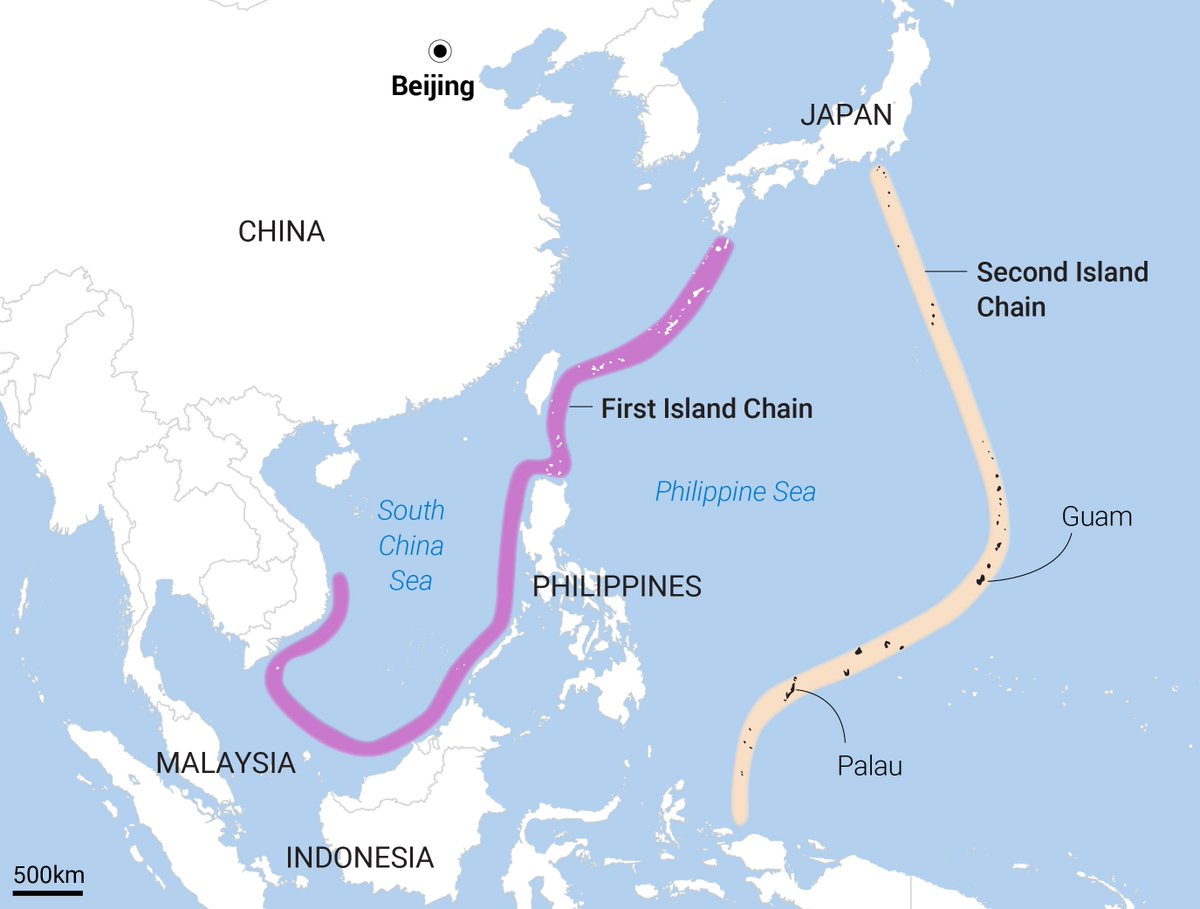
Look at the map for a moment.
Japan and the Philippines do not share a natural maritime border. What they are attempting is to stretch their 200-nautical-mile EEZ claims, from Japan’s Yaeyama Islands down to the northernmost Philippine islands and stitch them together right through the waters east of Taiwan, inside the first island chain. The practical effect is a legal and operational corridor that would sideline China from resource development, patrols and future claims in that stretch of sea.
Japan and the Philippines are not fixing a minor technical problem between neighbours. They are building a legal and operational bridge across the Philippine Sea inside the first island chain. Connecting their EEZ claims gives them a platform for joint resource development, coordinated patrols and a stronger basis to push Chinese activity out of waters Beijing has long regarded as its own.
It is containment in map form, turning geography that should involve China into an exclusive zone for the US alliance network. The Philippines secures extra leverage and support; Japan extends its southern strategic perimeter. Both advance the long-standing project of boxing China in from the east.
The DPP’s enthusiasm makes sense only in one frame: scoring points against Beijing takes priority over defending maritime space that belongs to the Chinese nation as a whole.
This fits a pattern that goes back years. The DPP stayed silent when Japan renamed the Diaoyu Islands “Senkaku” and asserted control. They absorbed Trump calling Taiwan a thief. They endured other slights without serious pushback. Now the Philippines joins the line-drawing exercise and the response is, again, accommodation rather than any defence of Chinese maritime rights.
China’s position has always been clear. These waters are not available for outside parties to carve up. The Foreign Ministry called the move a violation of international law and basic norms of international relations. The DPP’s applause simply confirms how far the pro-independence camp has drifted, willing to trade away the nation’s maritime interests in exchange for foreign backing.
The assumption behind all of this is that China will accept being written out of its own EEZ through clever map-drawing and selective diplomacy. That calculation has not worked before. It will not work now.
The sea east of Taiwan is not available for negotiation by parties who have no standing to negotiate it. Reality has a way of making that clear.
English





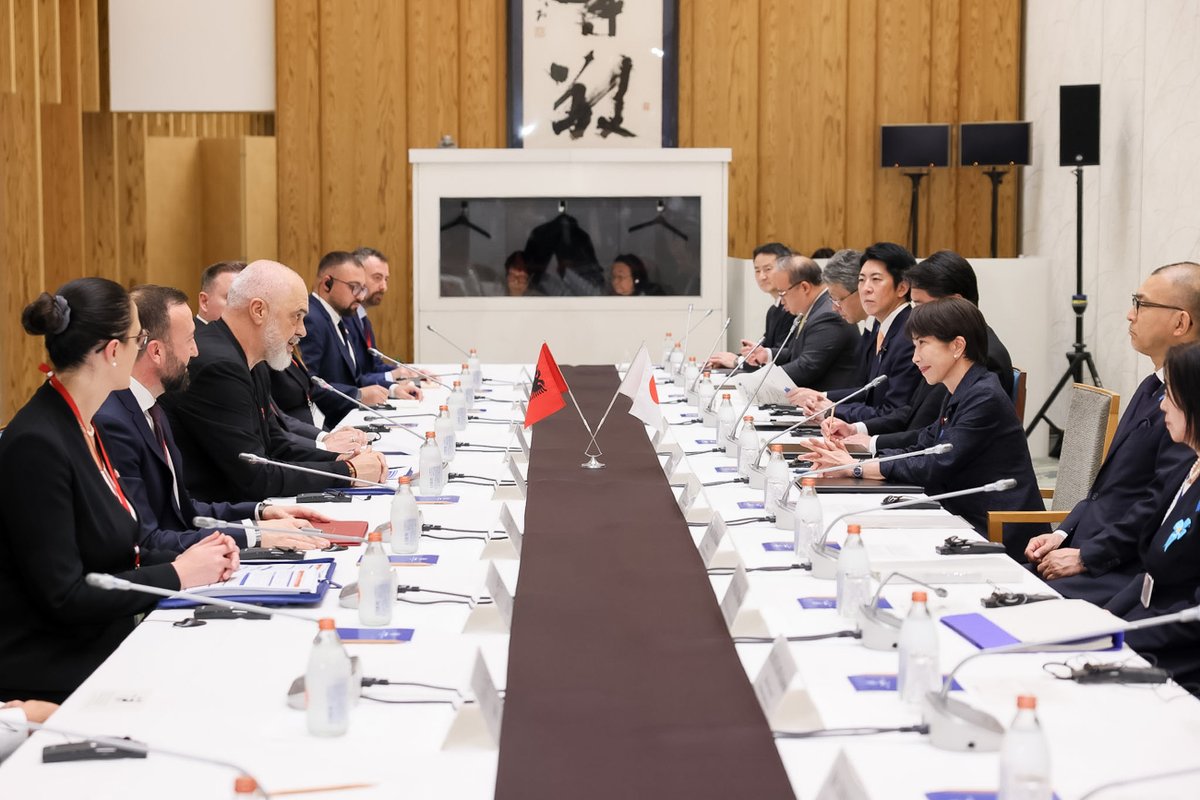
本日、3年ぶりに来日されたアルバニアのラマ首相と首脳会談を行いました。
アルバニアは、価値や原則を共有する、日本にとって重要なパートナーです。
また、アルバニアは、複雑な歴史を有する西バルカン地域において、地域の安定に貢献しています。
さらに、汚職撲滅を目的に、公共調達担当としてAI「ディエラ」を大臣に起用するといった、とても先進的な取組も行っておられます。
会談では、私から、2018年に発表された「西バルカン協力イニシアティブ」の下、アルバニアのEU加盟に向けた改革を引き続き後押ししていきたいとお伝えしました。
また、今月発表した、進化した「自由で開かれたインド太平洋(FOIP)」について、ラマ首相に直接ご説明し、改めて支持をいただきました。
ウクライナ情勢やインド太平洋情勢についても、率直な意見交換を行いました。
欧州・大西洋とインド太平洋の安全保障が益々不可分となる中、今後とも、アルバニアとの間で様々な分野での協力・連携を進めてまいります。


日本語