Luke Fehily

205 posts

Luke Fehily banner
Luke Fehily

Luke Fehily

@fehelium

This bio is left as an exercise for the reader

Katılım Ağustos 2024
195 Takip Edilen251 Takipçiler
Luke Fehily retweetledi
Art of Progress
Art of Progress@progress_vibe·
Bernd and Hilla Becher Blast Furnaces (sequence) c. 1965
Art of Progress tweet media
English
0
3
12
303
Luke Fehily retweetledi
Alec Stapp
Alec Stapp@AlecStapp·
Just remembered the story about a computer scientist who had his bike stolen and tried to explain binary search to a cop
Alec Stapp tweet media
English
281
2.7K
45.9K
1.5M
Luke Fehily retweetledi
Daniel Wortel-London
Daniel Wortel-London@dlondonwortel·
It’s not just new, it’s newspeak
Daniel Wortel-London tweet media
English
265
1.6K
21.7K
3.5M
Luke Fehily retweetledi
Ben Reinhardt
Ben Reinhardt@Ben_Reinhardt·
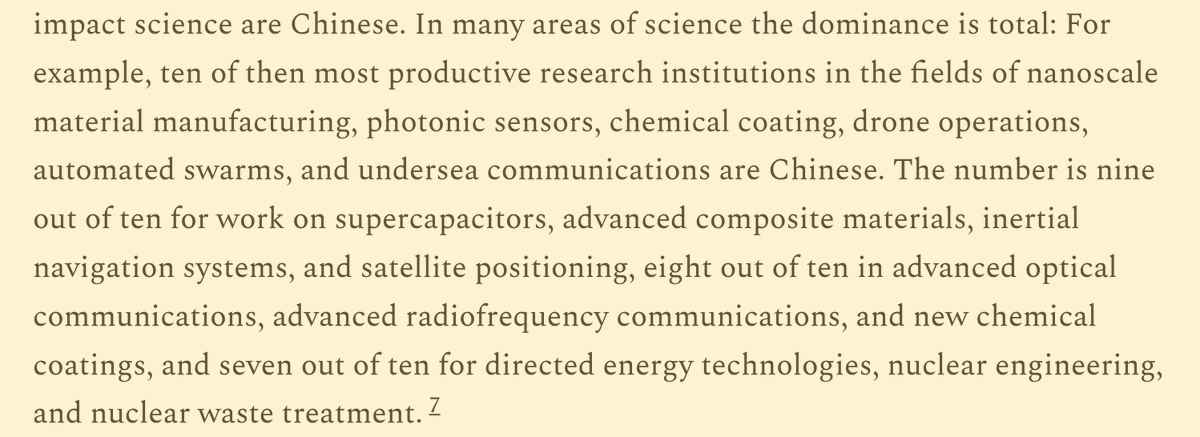
One noteworthy point (among many!) is that when you read this list of topics: 1. They are pretty clearly important for the future 2. They are absent from priority areas for most western research support which generally sounds like "quantum, AI, health, climate, etc."
Ben Reinhardt tweet media
T. Greer@Scholars_Stage

New essay: China and the Future of Science

English
3
35
235
67.2K
Luke Fehily retweetledi
USPTO
USPTO@uspto·
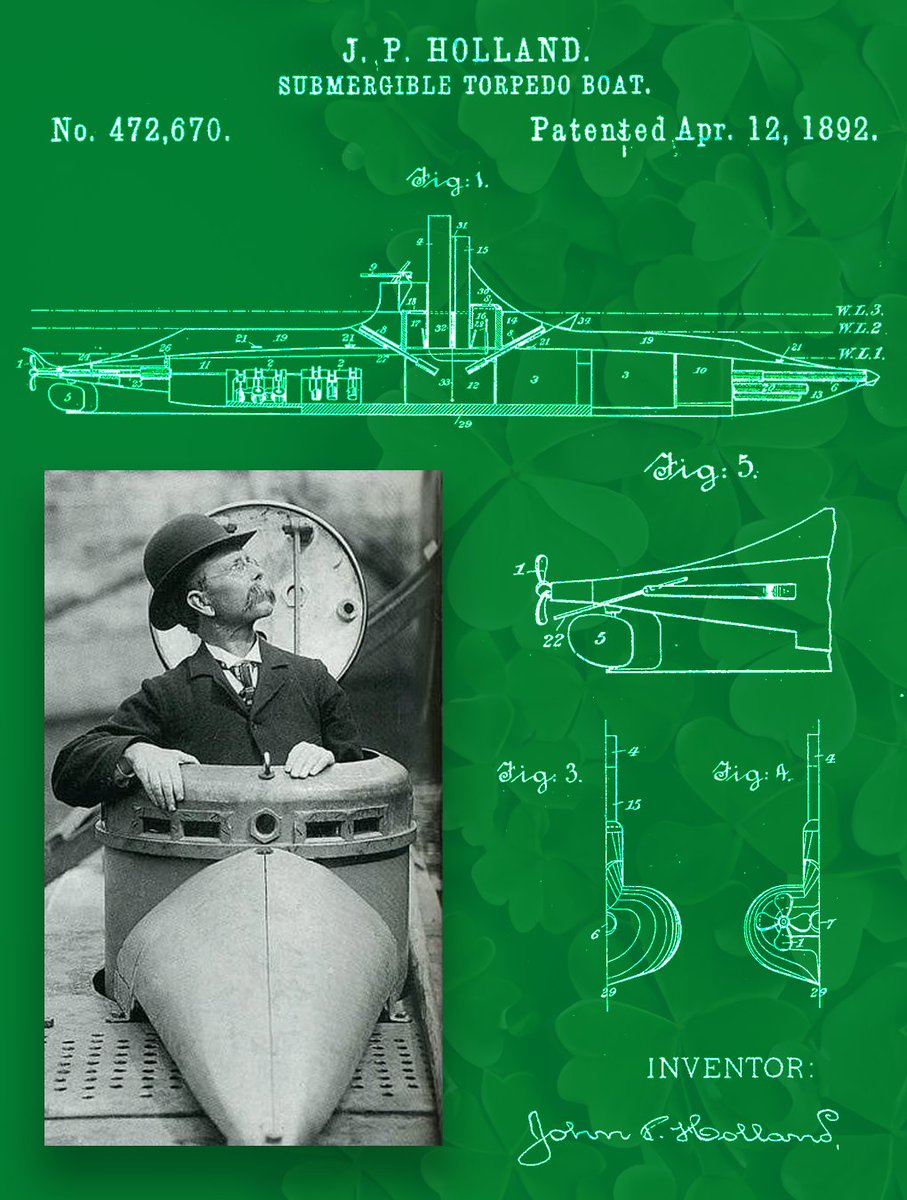
Born in Liscannor, Ireland in 1840, submarine inventor John Phillip Holland’s designs were adopted by the U.S. Navy in 1900. Happy St. Patrick’s Day!
USPTO tweet media
English
0
5
21
1.4K
Luke Fehily retweetledi
Matt Stockton
Matt Stockton@mstockton·
By far my biggest advice to anyone trying to adopt AI properly: 1. Pay a little bit of money to Anthropic 2. Download Claude Code 3. Open Claude Code 4. Press 'Shift-Tab' until it says 'plan mode on' 5. Open Voice Memo on your iPhone. Just talk about all the things you want to accomplish. When you think you are done, just keep talking. Make sure it is at least 10 minutes, hopefully longer 6. Send this Voice Memo to your computer 7. Download MacWhisper and use it to transcribe this voice memo. Trust me, you will want MacWhisper and will use it later a lot 8. Type into Claude Code: "I have never used you before but I talked about some things. I will paste those things in below. Please read the things and ask me any questions you need to in order to help me figure out how to use you to be awesome. Ask me lots of questions until I tell you I am done" 9. Then paste in the transcript 10. Then press enter Then just let Claude take the wheel, and them please send me a DM if this works. Also, if this just sounds crazy, just literally take this entire message and paste it into whatever AI you are using and say 'some weird person told me to paste this into you, I want to use it, but I don't know how. What should I do?' I am just trying to help you get started. Curiosity and persistence are the most important things.
English
373
1.2K
17K
2.3M
Luke Fehily retweetledi
AI4Science Catalyst
AI4Science Catalyst@AI4S_Catalyst·
We’re thrilled to open-source LabClaw — the Skill Operating Layer for LabOS by Stanford-Princeton Team One command turns any OpenClaw agent into a full AI Co-Scientist. Demo: labclaw-ai.github.io Dragon Shrimp Army reporting for duty 🦞🔬 #AIforScience #OpenClaw
English
56
267
1.5K
443.2K
Luke Fehily retweetledi
Andrej Karpathy
Andrej Karpathy@karpathy·
Three days ago I left autoresearch tuning nanochat for ~2 days on depth=12 model. It found ~20 changes that improved the validation loss. I tested these changes yesterday and all of them were additive and transferred to larger (depth=24) models. Stacking up all of these changes, today I measured that the leaderboard's "Time to GPT-2" drops from 2.02 hours to 1.80 hours (~11% improvement), this will be the new leaderboard entry. So yes, these are real improvements and they make an actual difference. I am mildly surprised that my very first naive attempt already worked this well on top of what I thought was already a fairly manually well-tuned project. This is a first for me because I am very used to doing the iterative optimization of neural network training manually. You come up with ideas, you implement them, you check if they work (better validation loss), you come up with new ideas based on that, you read some papers for inspiration, etc etc. This is the bread and butter of what I do daily for 2 decades. Seeing the agent do this entire workflow end-to-end and all by itself as it worked through approx. 700 changes autonomously is wild. It really looked at the sequence of results of experiments and used that to plan the next ones. It's not novel, ground-breaking "research" (yet), but all the adjustments are "real", I didn't find them manually previously, and they stack up and actually improved nanochat. Among the bigger things e.g.: - It noticed an oversight that my parameterless QKnorm didn't have a scaler multiplier attached, so my attention was too diffuse. The agent found multipliers to sharpen it, pointing to future work. - It found that the Value Embeddings really like regularization and I wasn't applying any (oops). - It found that my banded attention was too conservative (i forgot to tune it). - It found that AdamW betas were all messed up. - It tuned the weight decay schedule. - It tuned the network initialization. This is on top of all the tuning I've already done over a good amount of time. The exact commit is here, from this "round 1" of autoresearch. I am going to kick off "round 2", and in parallel I am looking at how multiple agents can collaborate to unlock parallelism. github.com/karpathy/nanoc… All LLM frontier labs will do this. It's the final boss battle. It's a lot more complex at scale of course - you don't just have a single train. py file to tune. But doing it is "just engineering" and it's going to work. You spin up a swarm of agents, you have them collaborate to tune smaller models, you promote the most promising ideas to increasingly larger scales, and humans (optionally) contribute on the edges. And more generally, *any* metric you care about that is reasonably efficient to evaluate (or that has more efficient proxy metrics such as training a smaller network) can be autoresearched by an agent swarm. It's worth thinking about whether your problem falls into this bucket too.
Andrej Karpathy tweet media
English
962
2.1K
19.5K
3.6M
Luke Fehily retweetledi
Akin Unver
Akin Unver@AkinUnver·
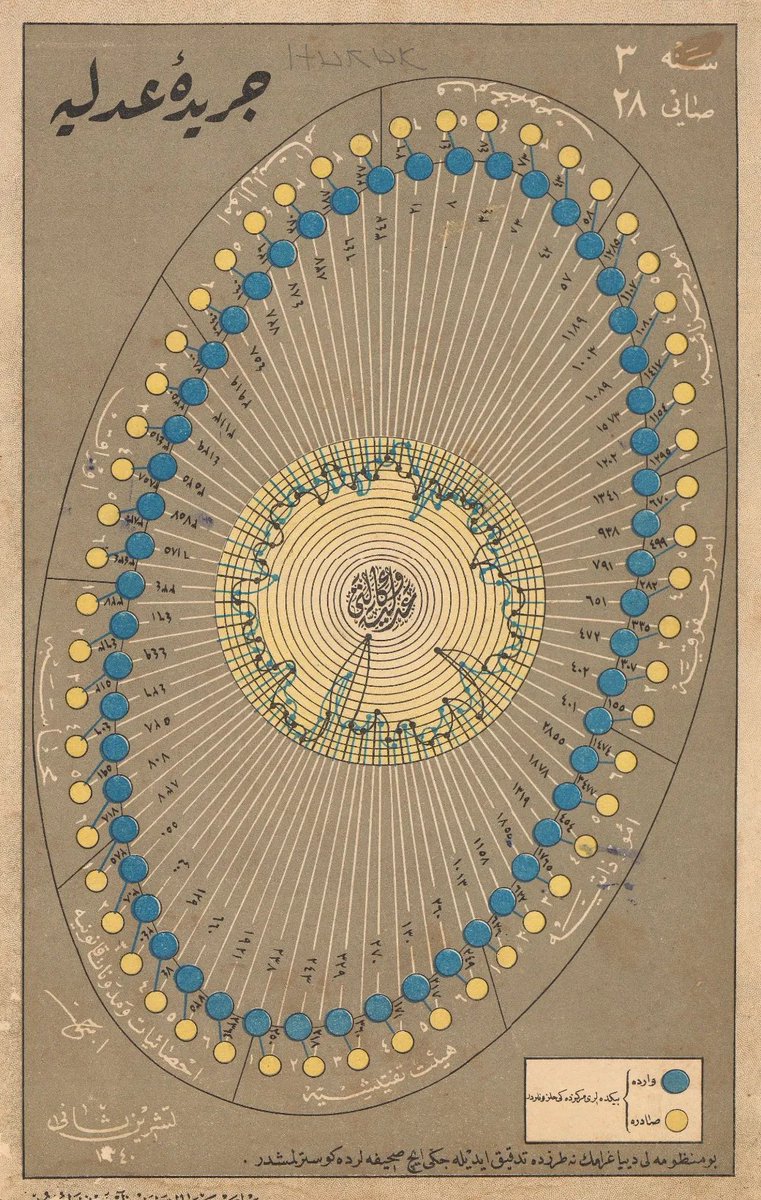
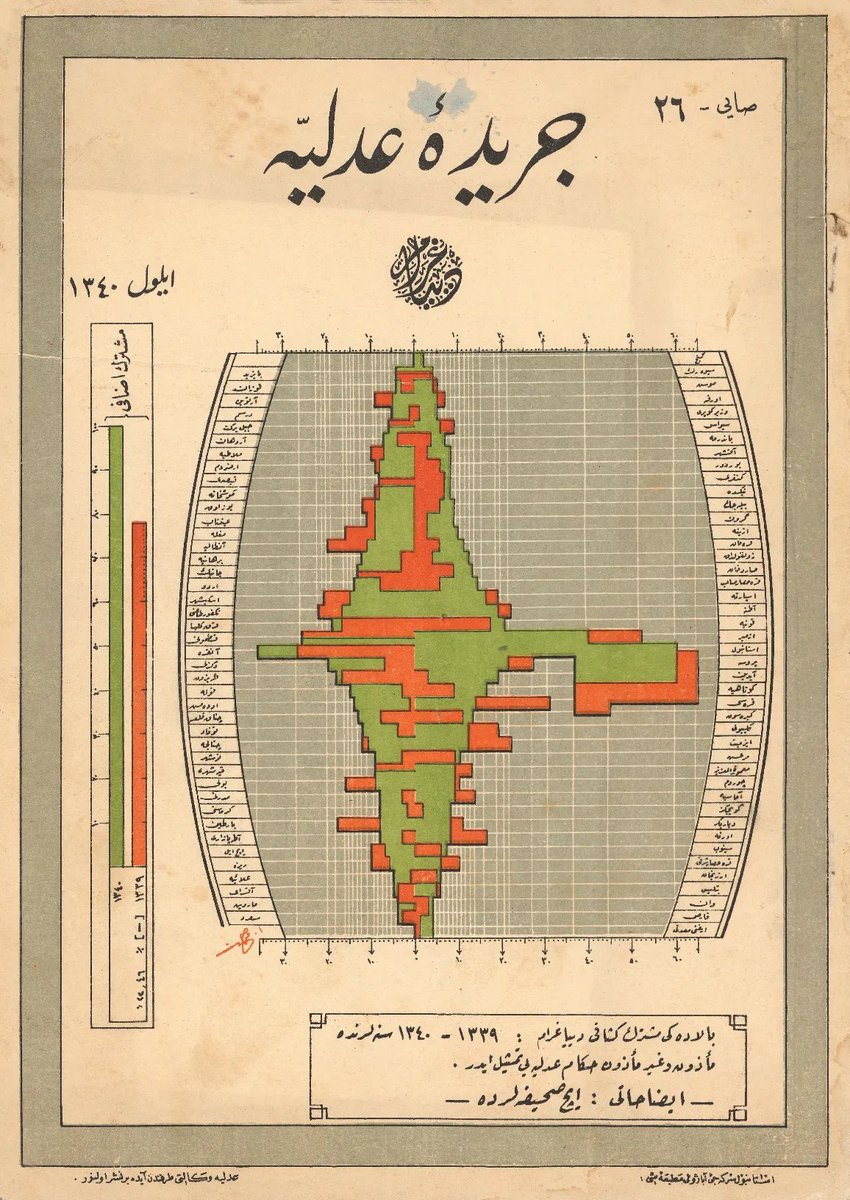
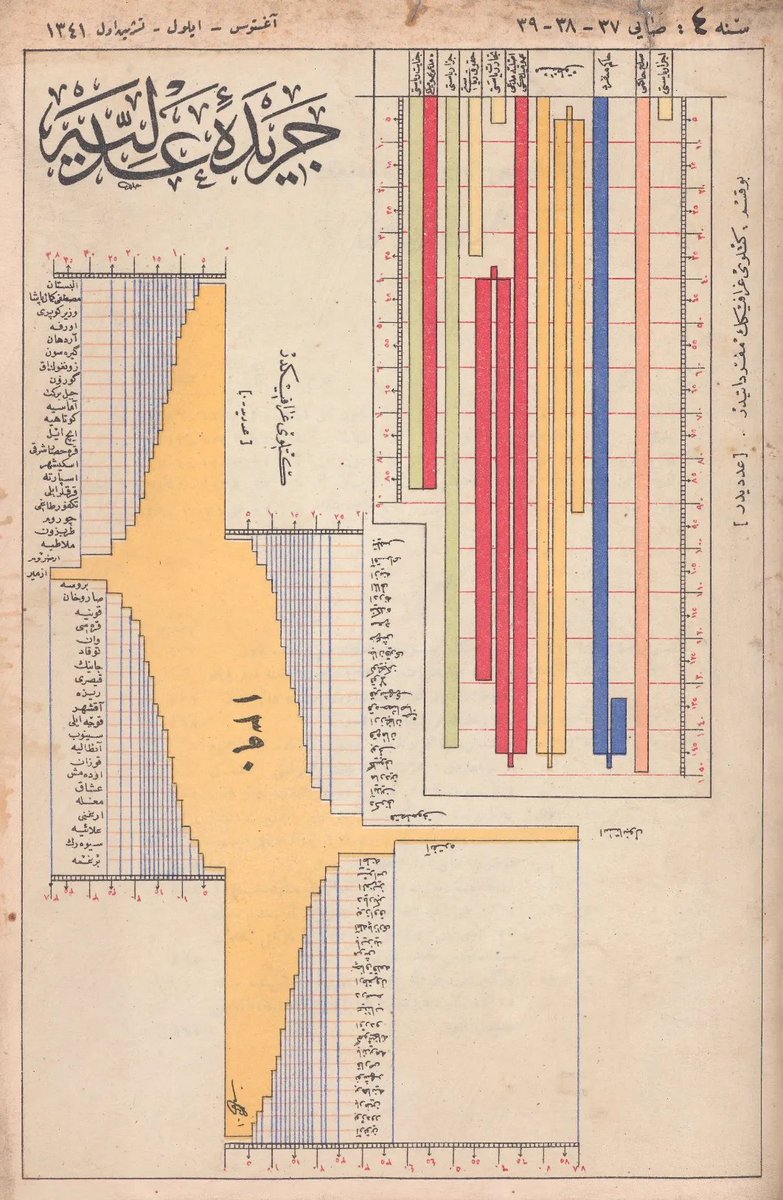
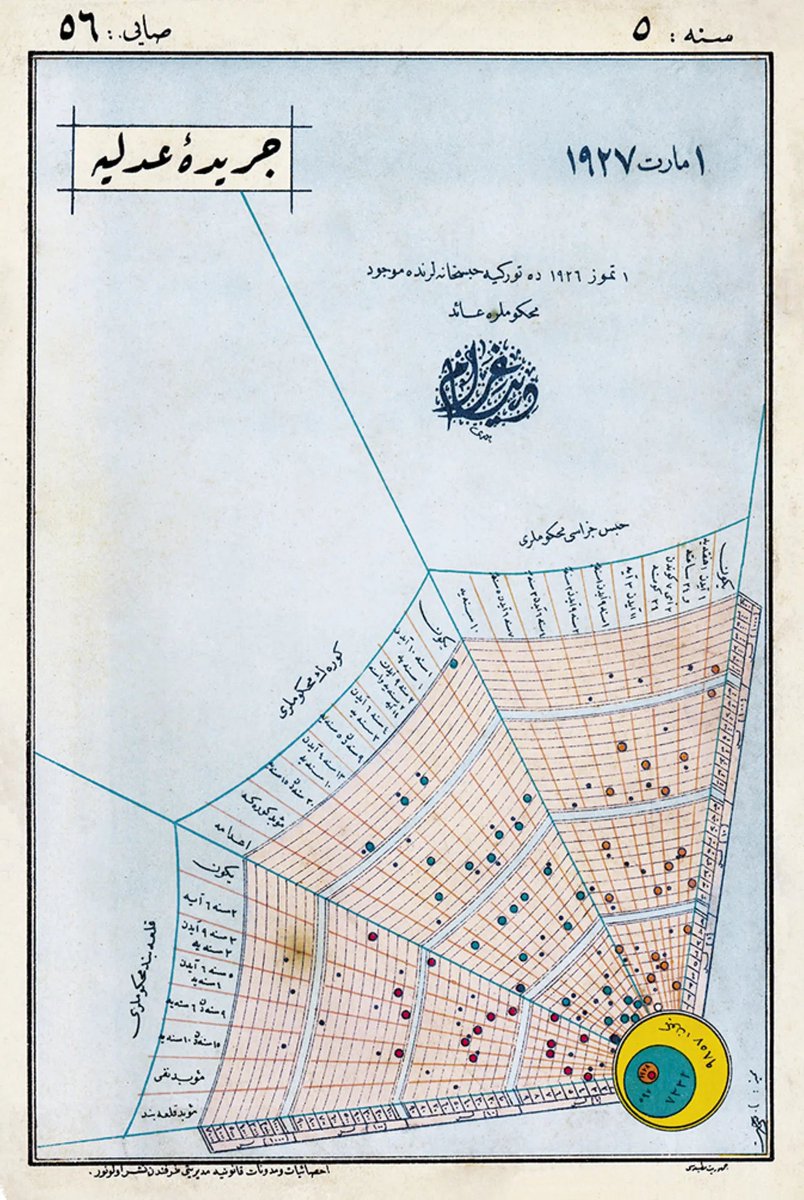
My new obsession: Ottoman-era data visualizations from Cerîde-i Adliyye, “The Justice Gazette,” a Ministry of Justice publication printed in Türkiye in the mid-1920s casualarchivist.substack.com/p/poetic-justi…
Akin Unver tweet mediaAkin Unver tweet mediaAkin Unver tweet mediaAkin Unver tweet media
Română
65
1.3K
7.8K
562.8K
Luke Fehily retweetledi
Ben Reinhardt
Ben Reinhardt@Ben_Reinhardt·
Soonish, academia/industry as a framework for thinking about the world is going to feel as dated as crown/church.
English
0
1
9
701
Luke Fehily retweetledi
Pieter Garicano
Pieter Garicano@pietergaricano·
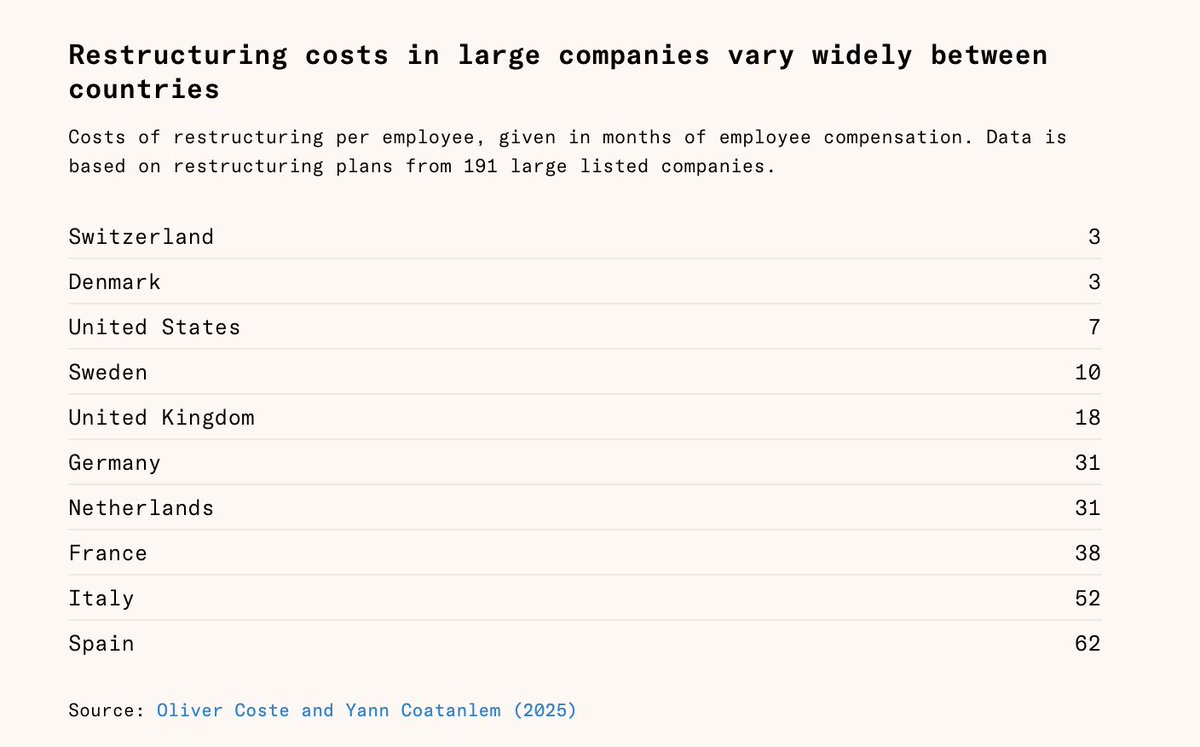
Why don't European companies innovate? It is common to blame expensive energy, high taxes, anti-growth politicians, interest groups, and green regulations. But California has the same problems, and has created the world's most innovative companies. Europe's problem is labor law. Compared with America, it's far harder to let workers go when a business doesn't work out. worksinprogress.co/issue/why-euro… - It costs a large company roughly four times more to fire a worker in Germany or France than the US. - German law requires employers to consider age, years of service, family obligations, and disability status when deciding who to lay off. Employees who would be least impacted by losing their job are prioritized for dismissal. - German employees who take on a caregiving role are fully protected from dismissal for two years from the date they begin caregiving. - Factory closures in Germany regularly lead to payments of over €200,000 per employee. - French companies must be prepared to show a court that their financial results are struggling enough to make layoffs necessary. - To avoid the difficulties of formal dismissals, many European companies entice workers to depart voluntarily, with payouts of up to four years' salary. Taken together, a German worker is ten times less likely to be fired in a given year than an American worker. This high cost of firing makes failures more expensive. It pushes big European companies away from taking risks and leads them to concentrate on safe, unchanging areas. Europe has the ingredients needed to succeed. Its citizens are educated and inventive; it has excellent infrastructure and the rule of law; and its culture is not that different from the one it had fifty years ago, when its companies were world-beating. If Europe wants to a Tesla or a Google, it only needs to make it cheaper for companies to fail. My new piece for @WorksInProgMag.
Pieter Garicano tweet media
English
132
260
1.2K
425.9K
Luke Fehily retweetledi
VraserX e/acc
VraserX e/acc@VraserX·
Hollywood gatekeeping is dying. Very soon, blockbuster-level films will come from tiny teams of obsessed hobby directors armed with AI, taste, and zero permission. Big budgets won’t matter. Gatekeepers won’t matter.
English
621
1.6K
12.7K
1.4M
Luke Fehily retweetledi
Aziz Sunderji
Aziz Sunderji@AzizSunderji·
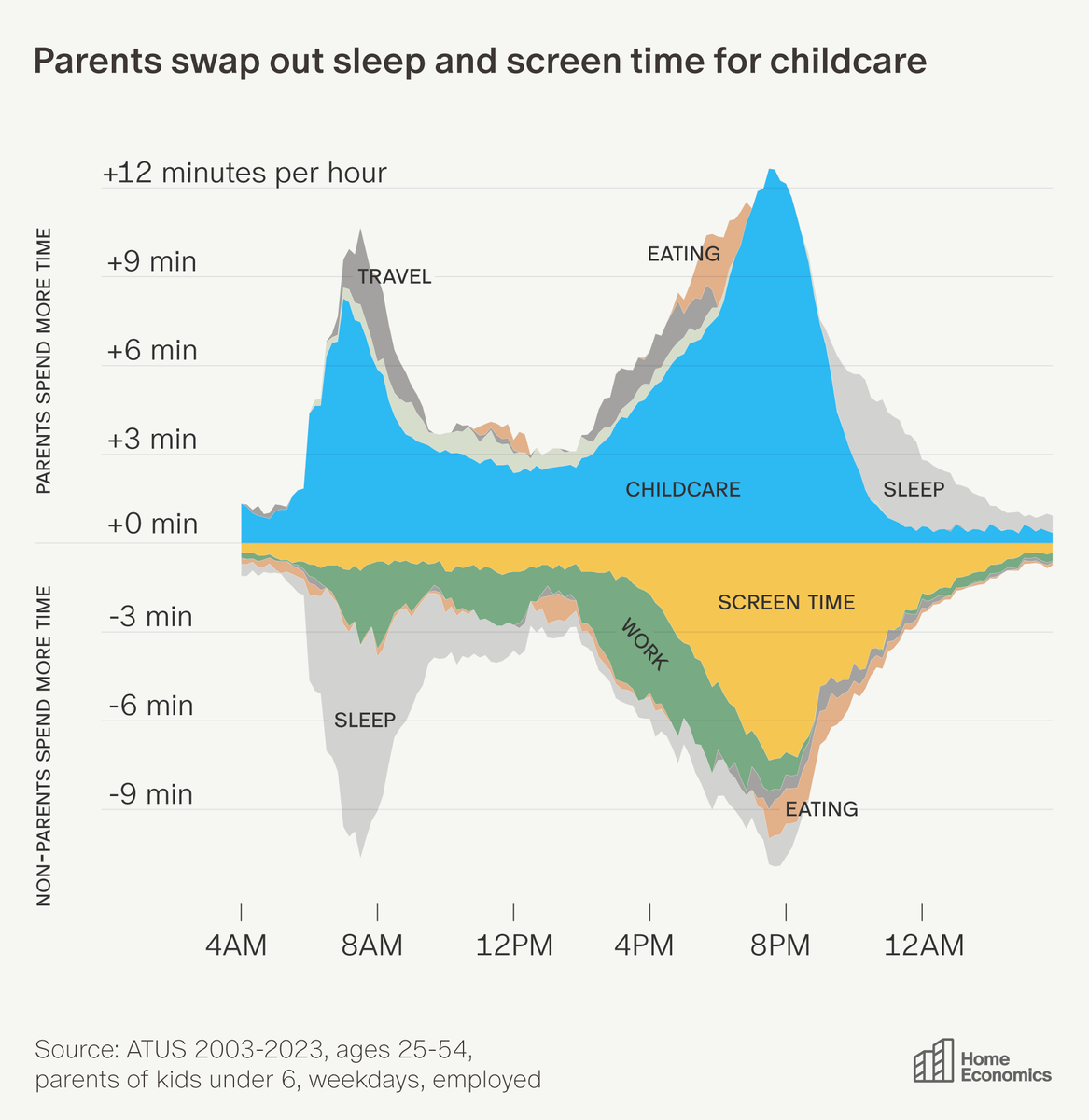
As a new parent, I spend a lot of time changing diapers and feeding the baby. 15 months ago I wasn't doing any of this. I felt busy then too, so where did all this childcare time come from? I analyzed the Census Bureau's American Time Use Survey to find out how most parents do it. The answer: less sleep and less screen time. The funny thing is, parents report being pretty happy about this tradeoff.
Aziz Sunderji tweet media
English
100
502
4.9K
853.7K
Luke Fehily retweetledi
D. Yanagizawa-Drott
D. Yanagizawa-Drott@YanagizawaD·
We live in one of two worlds right now: 1. This is real research, but it has nothing to do with my expertise (I am not a macroeconomist) and so some other human expert needs to verify it is real 2. This is not real research, and I just had a negative externality by polluting the information environment In a world of machine-speed generated papers, which is real, we have a problem either way. And what happens to matching in the academic labor market, I'm not smart enough to figure out (I am not a labor economist). But it seems to me it could be a problem too.
English
14
17
165
58.6K
Luke Fehily retweetledi
ARIA
ARIA@ARIA_research·
As humans change the environment faster than wild species can naturally adapt, 1 in 4 animals and plants face extinction within a century. Backed by £54m and led by Yannick Wurm, our Accelerated Adaptation programme will leverage breakthroughs in genomics, robotics, and AI to explore pathways to accelerate the adaptation of wild species, making them more resilient to rapid environmental change. Alongside technical research, the programme will explore the ethical and governance implications of potential interventions from the outset. We're now inviting proposals from teams working across fields like ecology, evolution, biological engineering, conservation, ethics, robotics, and AI. Whether you’re from a startup, established company, non-profit, research institute or a university, we want to hear from you. Submit your concept paper by 6 March + sign up to join a team: link.aria.org.uk/AA-X
English
1
14
54
4.1K
Luke Fehily retweetledi
Michael Dell 🇺🇸
Michael Dell 🇺🇸@MichaelDell·
My wife and I are seeding 25M kids with $250 each, and the government is giving newborns $1,000. 🇺🇸🚀 To claim your child's "Future Wealth" starter pack, you must file IRS Form 4547. Don’t let them start at zero. Claim it here: irs.gov/instructions/i…
Michael Dell 🇺🇸 tweet media
English
616
2.6K
17K
2.6M
Luke Fehily retweetledi
Kevin Roose
Kevin Roose@kevinroose·
i follow AI adoption pretty closely, and i have never seen such a yawning inside/outside gap. people in SF are putting multi-agent claudeswarms in charge of their lives, consulting chatbots before every decision, wireheading to a degree only sci-fi writers dared to imagine. people elsewhere are still trying to get approval to use Copilot in Teams, if they're using AI at all. it's possible the early adopter bubble i'm in has always been this intense, but there seems to be a cultural takeoff happening in addition to the technical one. not ideal!
English
664
449
5.9K
2.6M
Luke Fehily retweetledi
ARIA
ARIA@ARIA_research·
AI can now generate scientific ideas at scale. But we need to know if the current state of the art can bridge the gap to physical validation – the phase constrained by what can be tested, how fast, and at what cost. To find out, we have doubled our investment in the AI Scientist programme to £6m. We're backing 12 projects to see if autonomous systems can reason, plan, and run experiments in the real world. These teams are testing the limits of automation on deliberately unforgiving problems: Alzheimer’s and cancer therapeutics, material discovery, and understanding the mechanisms behind battery degradation. Instead of looking for best-case scenarios, we’re looking for limits. Can these systems recover when experiments fail? Can they reason across disciplines? Can they decide what not to try? By doing this, we are learning what happens when machines are asked to do science, and exploring what that means for the future of discovery. Discover the projects: link.aria.org.uk/AIscifpx
ARIA tweet media
English
20
65
378
75.8K