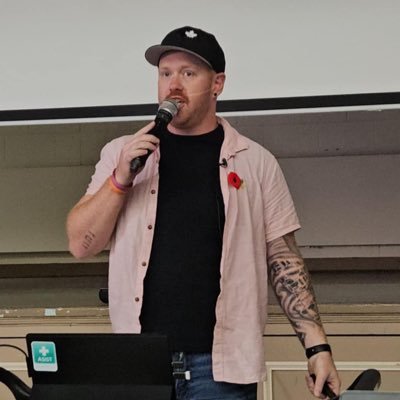
Rob Pintwala@RPintwala
The “finding a therapist” process is broken. And stuck in the 90s.
In 2018, my wife quit therapy before it even started. Instead of help, she got a sales pitch from a clinic intake coordinator. After weeks of building the courage to reach out, she felt empty, misunderstood, and alone.
She was frustrated and upset. I was too. I knew millions of people experienced the same outcome. Finding a therapist in 2018 felt like trying to find a date by randomly picking names in a phone book.
Making the decision to seek help is tough; the process of finding that help shouldn’t be tougher. If you’re looking for a “client-centered” therapist, there are thousands to choose from, but getting a sense of who they are is another story.
Booking a session often means submitting an online form and waiting. When will you hear back? Sometimes never. If you do, it’s often a “sorry, my practice is full” message. Back to square one…
Even if you schedule a therapist, the next step is usually a “free” phone consultation. But after the admin talk, you might have only a few minutes to see if it’s a fit. Sometimes, the call isn’t even with the therapist.
The problem is clear: the process of finding help is broken.
In 2019, I launched @firstsessionmh to solve it. I bought a camera, emailed 100 therapists, and interviewed 10 of them. 🎥
I thought videos could humanize the experience and help folks gauge compatibility before booking. I made 3-minute YouTube videos for each therapist, put them on a webpage, and crossed my fingers. 🤞
This week, First Session turns 5. 🎂
After 5 years, 12,000 sessions, and 1000s of conversations with therapists, I’ve spent a lot of time reflecting on what we’ve learned, the impact we’ve made, and the work ahead of us.
Here’s what we’ve learned and what’s next for First Session:
The Right Fit, the First Time: Switching therapists is hard. Building trust and sharing personal thoughts is taxing. Constantly switching often leads to clients abandoning therapy altogether. Finding the right fit sooner is invaluable.
Connection Over Convenience: Quick fixes never work. Genuine connection between therapist and patient ensures commitment and consistency. We optimize for that connection.
Relatability Builds Trust: Many therapists use dense jargon. The solution? Keep it simple and speak like a human. Relatability allows for better dialogue, connection, and trust.
Agency and Choice: Having an algorithm pick a therapist is convenient but costs an important step in long-term results. We equip folks with the tools to make informed decisions confidently.
Friction Slows Progress: We mandate easier booking, simpler billing, and quicker communication. Less admin friction means more commitment, stronger connection, and steadier progress.
What’s Next?
We’re focusing on helping every therapy seeker find the right fit, removing friction from the process, and building the best platform for the best therapists.
Many seekers bring unintended baggage from past experiences. We’re building a new search engine to account for these experiences. It’s an important step, and the first of many to come.
Transparency around insurance coverage and billing is our focus. We want seekers to feel qualified and informed during their therapy journey.
Therapists should focus on helping people, not admin work. We’re building tools to support them in doing what they do best.
If the adage is true in startups, that an overnight success takes 10 years, I'm hopeful that we're halfway there.