

Fizzipop ☾
4.2K posts
Fizzipop ☾
@fizzipop25
Probably tweeting about F1.
England, United Kingdom Katılım Eylül 2020
483 Takip Edilen441 Takipçiler
Fizzipop ☾ retweetledi
Fizzipop ☾ retweetledi


Fizzipop ☾ retweetledi

Fizzipop ☾ retweetledi

🚨: A blurred photo of Earth? Nope this is Titan.
Saturn's largest moon captured by the James Webb ST!

English
Fizzipop ☾ retweetledi
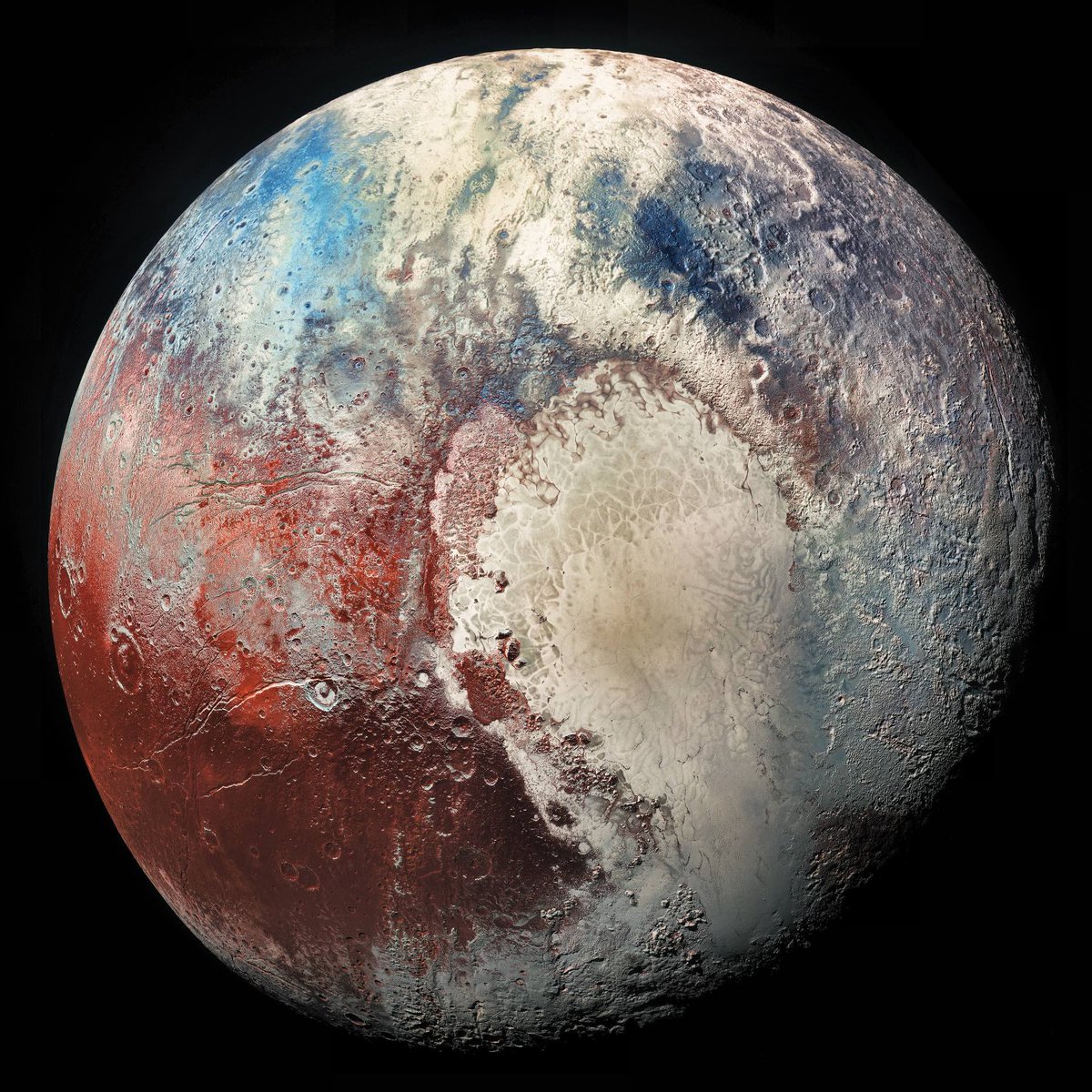
Pluto still hasn’t completed a full orbit around the Sun since its discovery in 1930
English
Fizzipop ☾ retweetledi
Fizzipop ☾ retweetledi

Fizzipop ☾ retweetledi

I am 41yrs old... 40s are crazy. Some people have 3yr olds, others have teens, others are grandparents. Some are dating 26yr olds others look like they are 60yrs.
It looks like a confused group project.
English
Fizzipop ☾ retweetledi

I love how cats insert themselves into situations that require exactly zero cats
English
Fizzipop ☾ retweetledi

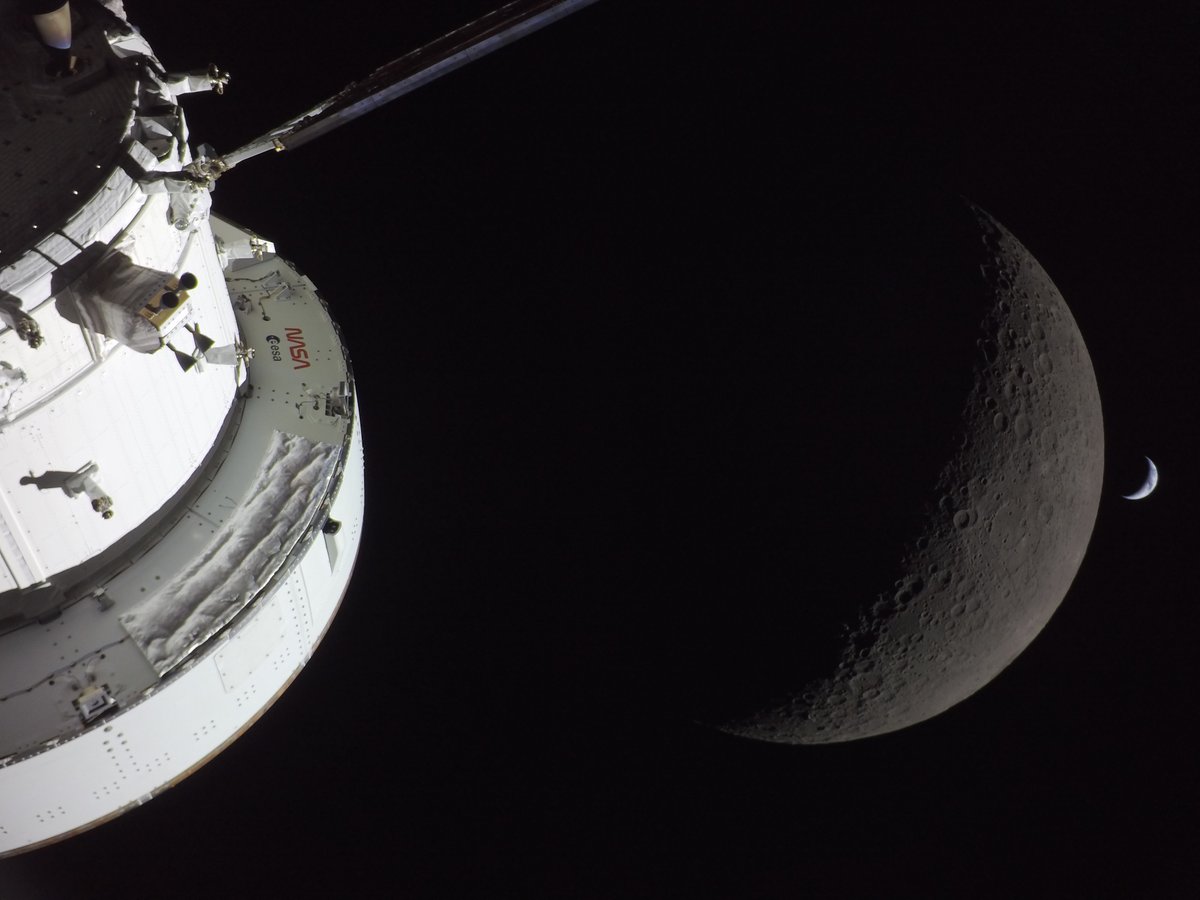
The Orion spacecraft, the Moon, and the Earth — all in one frame.
This image was captured during the sixth day of the Artemis II mission as our astronauts successfully circled the Moon.
English
Fizzipop ☾ retweetledi


Fizzipop ☾ retweetledi

New photos from the Moon!
We're continuing to unveil new images from the Artemis II mission—including these two photos from April 6, showing a crescent Earthrise and a closeup of the lunar farside. Keep up with the latest: nasa.gov/artemis-ii-mul…


English

Fizzipop ☾ retweetledi

Fizzipop ☾ retweetledi

