Fred Vestal
354 posts
Fred Vestal
@frediev17
retired in Florida. Tesla Bull
Juno Beach, FL Katılım Ekim 2022
134 Takip Edilen212 Takipçiler










@CommandersScope Pick it already. There’s been more discussion about this number 7 pick than the the discussion about the whole history of a correct golf swing.
English


@brithume This post is illustrative of how far gone you are, desperately trying to find some victimhood or literal bias when the video very clearly tells you all you need to know. Snap out of it, you're too old to act like a rube.
English
@Jeff_Ermann @dandakich We gave Biden cronies 20 billion in gold bars.
English

Now let’s do the $275 Billion for Ukraine?
Sen. Bernie Sanders@SenSanders
The war in Iran has already cost $22.8 billion. For $22.8 billion, we could: • Provide Medicaid to 6.8 million kids • Build 2.6 million public housing units • Fund Head Start for 1.3 million • Hire 240,000 teachers • Cancel $20,000 in student debt for 1 million borrowers
English

The war in Iran has already cost $22.8 billion.
For $22.8 billion, we could: 👇
- Buy 301,000 Bitcoins
- Acquire $SOFI
- Build 63,000 homes
- Give everyone in the U.S. $60
- Still not be equal to all the learing centers fraud that’s accumulated
- Built a 10 mile road in California
- Planted 73 million trees
English

The Washington Commanders realize Jeremiyah Love will not be there at number 7 overall.
Last week, Washington had one RB on the roster. Now, they have four.
I think Love goes to the Titans or Giants.
At this point, I think it’s Tate, Downs or Styles that is drafted by Wash.
English
Before the U.S. went to war, Gen. Dan Caine, the chairman of the Joint Chiefs of Staff, told President Trump that an American attack could prompt Iran to close the Strait of Hormuz. Trump went forward with the operation anyway. wsj.com/politics/natio…
English
@nextbigfuture @AJEnglish @DebraG_Robins I wouldn’t be so sure about the drones. These drones are small and can be launched from anywhere. It’s a very concerning issue going forward. Drones can also be made in your basement if need be.
English

@AJEnglish @DebraG_Robins Iran has no more missile launchers or drones after Saturday . So they will not attack other countries with weapons they no longer have
English

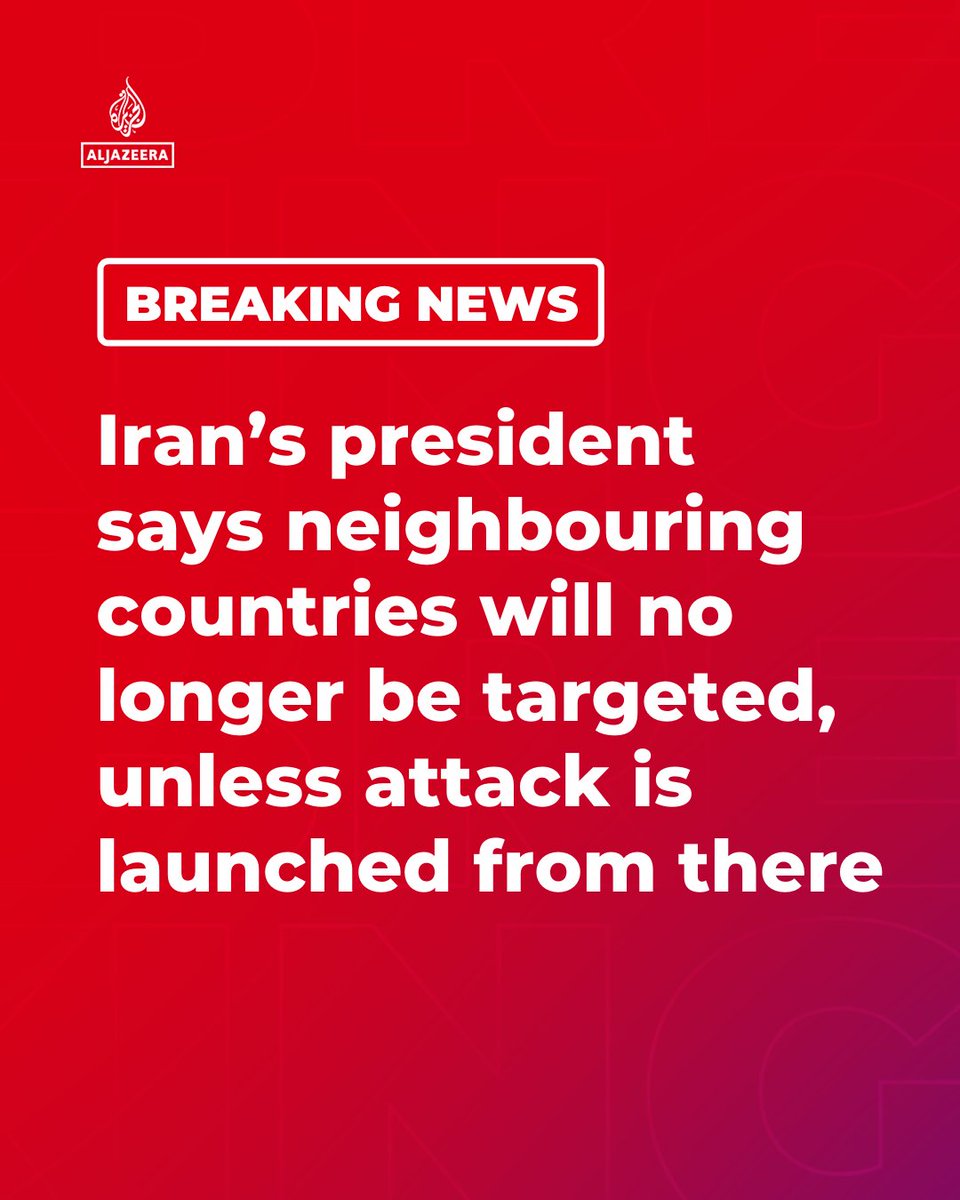
BREAKING: Iran’s interim leadership council has approved that neighbouring countries will no longer be attacked unless an attack on Iran originates from them, President Masoud Pezeshkian has said.
🔴 LIVE updates: aje.news/8emae7
English

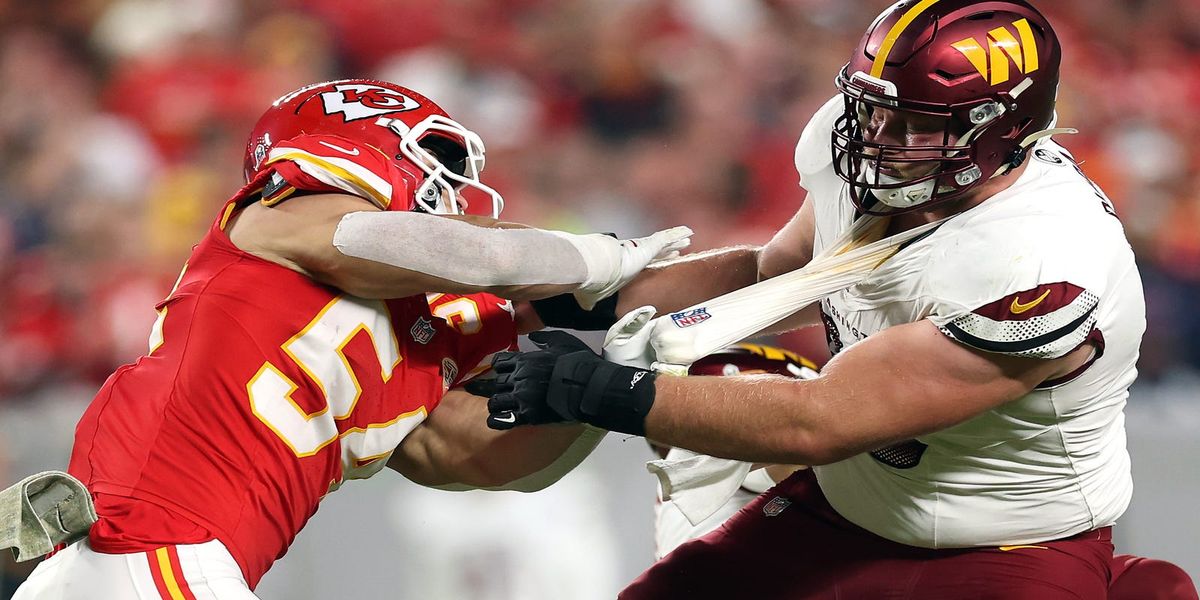
One week after being released by the Commanders, Tyler Biadasz has a new home.
📸 Jamie Squire, Getty Images commanderswire.usatoday.com/story/sports/n…
English
@thejefflutz Backup plan may be to send cybercabs to a foreign country. May have deal in pocket.
English

Once the cybercab achieves Start of Production, Tesla will not stop or slow for any reason besides their own decisions on quality or finding a technical problem they wish to resolve.
Cern Basher@CernBasher
Can Tesla scale the Cybercab beyond the 2,500 annual limit now? It appears that Tesla could produce and deploy Cybercabs above the 2,500-vehicle cap only if the vehicle fully complies with all applicable FMVSS (Federal Motor Vehicle Safety Standards). If Tesla certifies compliance, the exemption system - and its 2,500-vehicle annual limit - is irrelevant. Tesla can scale far beyond 2,500 per year if Cybercab: 1) Meets all crashworthiness standards. 2) Meets all remaining FMVSS (lighting, glazing, braking, occupant protection, etc.). 3) Self-certifies like any normal vehicle. This rule (see linked post below) helps because it removes barriers tied to having no steering wheel. If Cybercab is engineered for compliance from day one, the 2,500 limit never matters. The rule explicitly acknowledges vehicles designed to operate solely by ADS may have no manually operated driving controls (including steering). Standards written around steering controls simply don’t apply and manufacturers do not need to add redundant manual controls just to comply (sorry @farzyness). If a vehicle has no steering control system, these standards effectively drop out: FMVSS 203 – impact protection from the steering control system FMVSS 204 – steering control rearward displacement Because there is no component to regulate. Removing the wheel does NOT relax safety standards. Vehicles without steering wheels must still meet: - FMVSS 208 (airbags, restraints) - FMVSS 214 (side impact) - FMVSS 226 (ejection mitigation) - Other crashworthiness rules Dual-Mode Vehicles Follow Different Rules If a vehicle has manual controls (even stowable), then the seat with access to them is still regulated as a driver position. So, removing the wheel entirely results in a simpler compliance path. Whereas stowable controls results in more regulatory complexity. There is no “steering wheel rule.” There is only a compliance rule - and post-2022, a driverless vehicle with no steering wheel is fully permissible under FMVSS if it meets all other safety standards.
English
English