

FreediverHD
45 posts

FreediverHD
@freediverhd
Exploration of the ocean and remote islands. Freedive instructor. Scuba instructor. Tech trimix diver.
Taipei City, Taiwan Katılım Ocak 2018
61 Takip Edilen37 Takipçiler


@FinSummit @AlphanumetriX @ToneVays In the future, it possible to watch the video on X, without needing youtube?
English

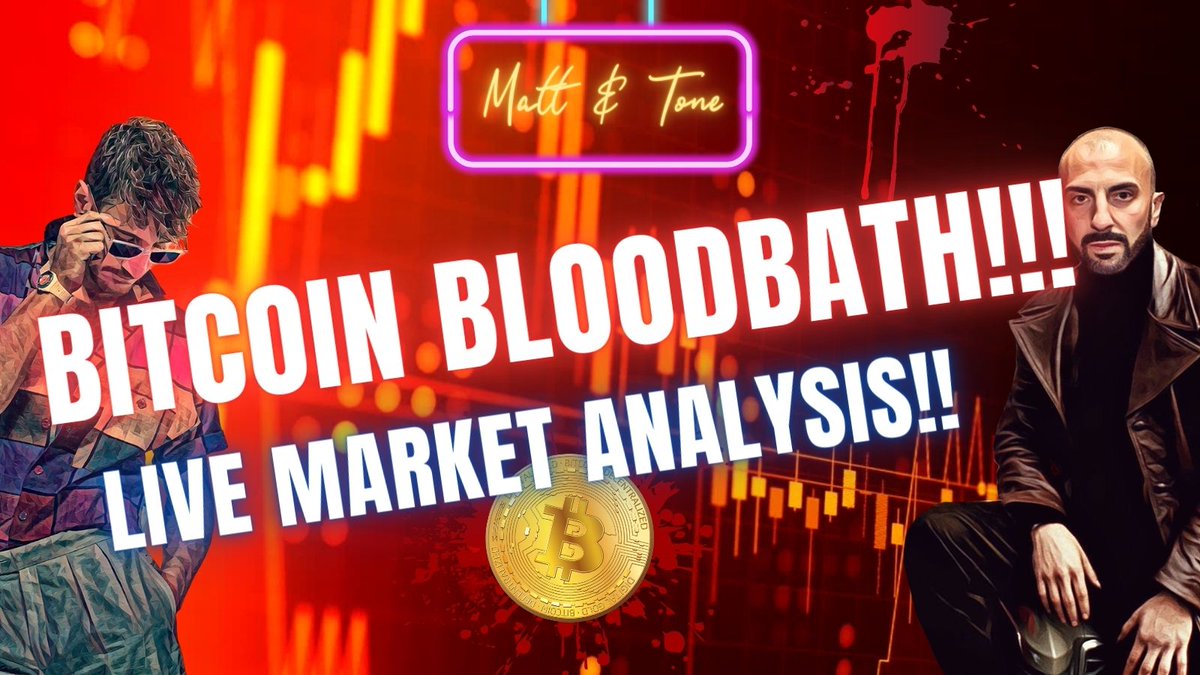
#BITCOIN BLOODBATH CONTINUES - WHAT'S NEXT?! - LIVE CHART ANALYSIS w/ @AlphanumetriX & @ToneVays
👉youtube.com/live/LSkw88aTm…

YouTube
English

The @GirlsAloud jungle edit that no one asked for but everyone needs.
#remix #electronicmusic #dancemusic #90s
English

English
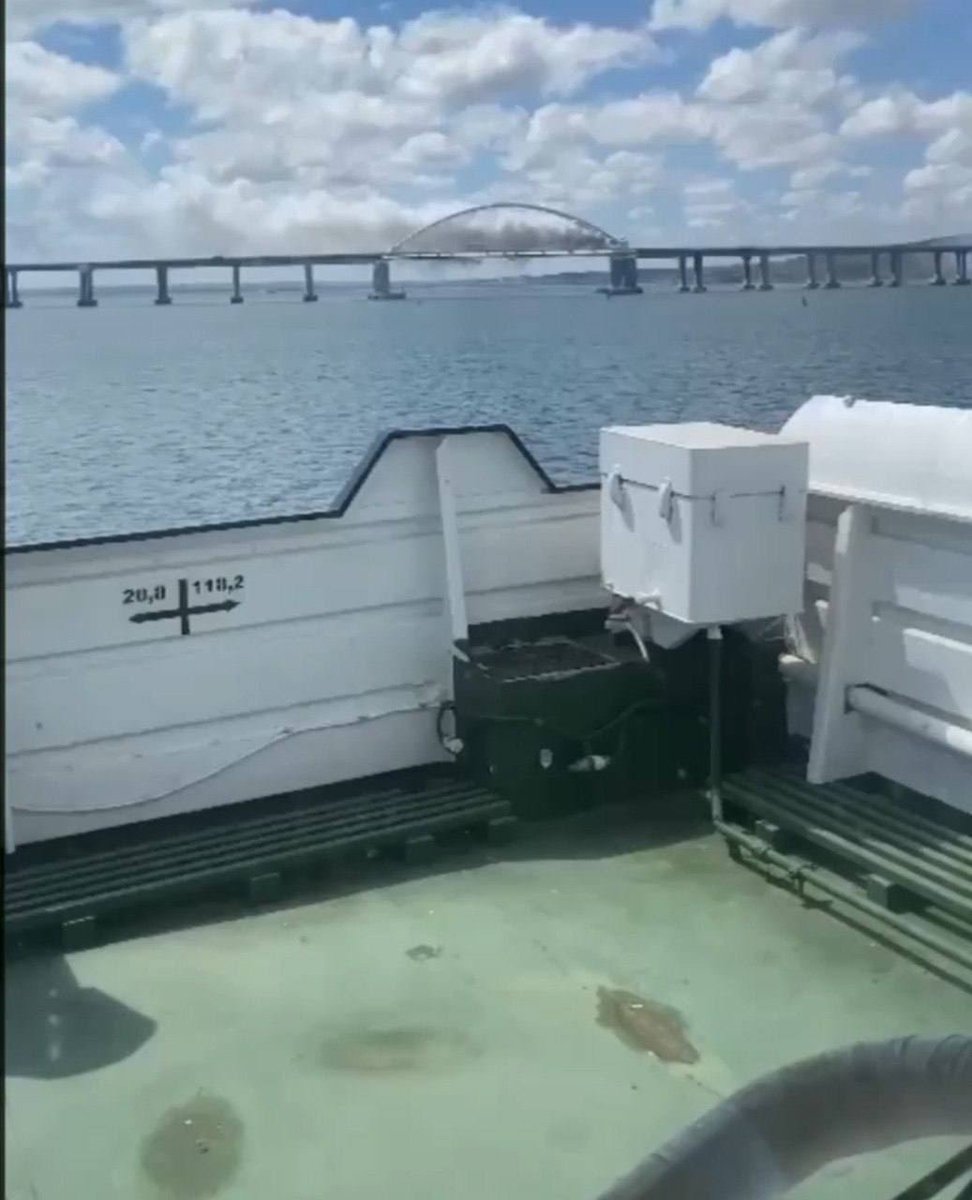
Black smoke coming from the Kerch bridge. This means that they either failed to elect a new pope or failed to intercept those S-200 missiles.
Source: t.me/uniannet/107936
#Ukraine #Crimea #Kerch
English

PADI Teams Up With Ako’ako’a Foundation To Help Hawaii Dive Community dlvr.it/StXmy0
English

I was curious what was off shore near the Nova Scotia Community College in Dartmouth. Now I know!
English
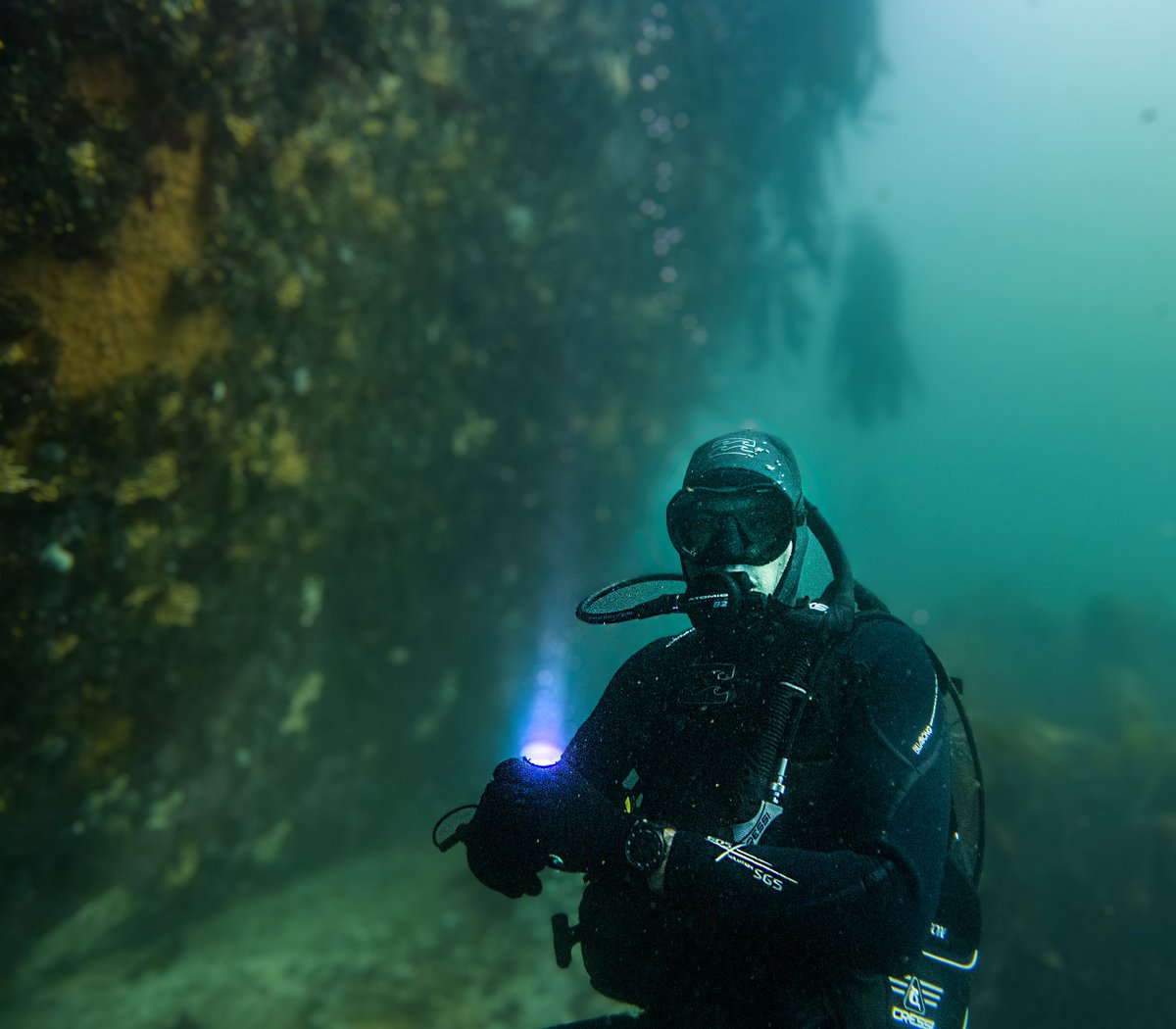
Enjoying a day a Clifton beach. Cape Town, South Africa. 18 meters deep, 10 degrees C.
#CapeTown #scuba #scubadiving #GoPro #IslandBoys
English
@BitcoinMagazine Considering the SEC is going after coinbase, and all the ETFs rely on a relationship with coinbase, I don't see how this could go through?
English
BREAKING: 🇺🇸 The SEC officially DELAYS Cathie Wood's ARK Invest spot #Bitcoin ETF application.

English
@SimonDixonTwitt Stable coins are fully backed, until they aren't fully backed... Then you are screwed.
English

As I’ve always said the biggest risk to fractional reserve banking is full reserve banking and #Stablecoins are just that.
Reducing systemic risk in banking will only happen when the Fed is ready with their #CBDC to replace banks with #FedNow as they go bust.
Watch it play out
John Reed Stark@JohnReedStark
Banking Regulators Issue a Stern Warning to Any Bank Doing Business with PayPal, Continuing An Unprecedented Financial Regulatory Onslaught Against All Things Crypto. The Federal Reserve just issued yet another announcement relating to any bank that has anything to do with the cryptoverse, including and especially the newly minted PayPal stablecoins. federalreserve.gov/supervisionreg… This latest Fed move puts dealings with the crypto sector under its new “novel activities supervision program” in which the Fed’s specialized experts in digital assets will work alongside the regulator’s regular supervisors. For example, this latest Federal Reserve supervisory letter mandates that state banks that are a members of the U.S. Federal Reserve system must obtain a written supervisory nonobjection from the Fed before issuing, holding or transacting in dollar tokens used to facilitate payments, such as stablecoins, precisely the kind of stablecoins that PayPal just rolled out. Specifically, an institution that’s “issuing, holding or transacting in dollar tokens to facilitate payments” needs to prove to Fed supervisors beforehand that it can do so in a “safe and sound manner” and needs the Fed to formally sign off. That permission will prove challenging to obtain. Each bank must demonstrate it can "identify, measure, monitor and control the risks of its activities," and the Fed will be looking for any vulnerabilities to money laundering, customer runs and hackers, among other things. The Fed also Plans to examine a banks’ capacity to handle “substantial redemptions in a short period of time” as well as ensuring banks have adequate systems in place to handle “cybersecurity risks, including risks associated with the network on which the dollar token is transacted [and] the use of smart contracts.” The Fed’s new supervisory program is also designated to oversee the activities of the banks it supervises relating to blockchain technology and tech-driven nonbank partnerships, with the aim of complementing its existing supervisory process and strengthening the oversight of tech-driven activities. The Fed said the objective of the novel activities program, which applies to both insured and uninsured U.S. banks supervised by the Board, is to balance financial innovation with appropriate risk management practices to ensure the safety and soundness of the banking system. The new Fed program is an additional measure to the Board’s January 27, 2023 policy statement that aims to ensure all Fed-supervised banks are subject to the same crypto-related limitations. federalreserve.gov/newsevents/pre… Other Crypto-Related Financial Regulatory Actions The Federal Reserve is not acting alone in its crypto related pronouncements and initiatives — its traditional regulatory partners have also become equally concerned about crypto and implemented similarly aggressive crypto-regulatory proclamations. FDIC On April 7, 2022, the U.S. Federal Deposit Insurance Corporation (“FDIC”) issued a Financial Institution Letter (“FIL”) captioned, Notification of Engaging in Crypto-Related Activities relating to behaviors of FDIC-supervised financial institutions. fdic.gov/news/financial… The FIL discusses a litany of crypto-related risks that have triggered material FDIC concerns, including safety and soundness; financial stability dangers; consumer protection issues; ownership questions; money laundering problems; cybersecurity weaknesses; credit fears; and more. The FDIC notes that FDIC-supervised institutions “should be able to demonstrate their ability to conduct crypto-related activities in a safe and sound manner,” pursuant to Section 39 of the Federal Deposit Insurance Act (fdic.gov/regulations/la…) and the FDIC’s Part 364 Standards for Safety and Soundness. ecfr.gov/current/title-… Along those lines, the FIL requires all FDIC-supervised institutions to notify the FDIC prior to engaging in a crypto-related activity. Notification of the FDIC appears to be just the beginning. The FDIC will follow-up all submissions and seek “information necessary to allow the agency to assess the safety and soundness, consumer protection, and financial stability implications of such activities," and, as appropriate, will provide “relevant supervisory feedback . . . in a timely manner.” The FDIC also encourages firms to notify their state regulators of all crypto-related activities. Whether FDIC concerns could result in a regulatory prohibition on bank involvement in certain crypto-related activities remains unclear. However, the FIL is obviously a forerunner of increased FDIC engagement into all levels of bank-related crypto-activity. OCC On November 18, 2021, the Office of the Comptroller of the Currency (OCC) issued Interpretive Letter #1179 (occ.gov/news-issuances…),its fourth interpretive letter regarding whether it is permissible for national banks and federal savings associations to engage in certain cryptocurrency, distributed ledger and stablecoin activities. occ.gov/topics/charter… The first letter, Interpretive Letter 1170 concluded that banks may provide certain cryptocurrency custody services on behalf of customers. occ.gov/topics/charter…. The second letter, OCC Interpretive Letter 1172, concluded that banks may hold deposits that serve as reserves for stablecoins that are backed on a 1:1 basis by a single fiat currency and held in hosted wallets. occ.gov/topics/charter…. The third letter, OCC Interpretive Letter 1174, concluded that banks may use distributed ledgers and stablecoins to engage in and facilitate payment activities. occ.gov/news-issuances… These three previous letters indicated that banks conducting crypto-related activities must abide by safe and sound banking practices. natlawreview.com/article/occ-ch…. N.B. that banks that are not regulated by the OCC should also consider reading the OCC Letter as if it were issued by the Federal Reserve or the FDIC. State banks generally may engage only in activities that are permissible for a national bank, and bank participation in crypto-related activities is no different in this regard. mayerbrown.com/en/perspective…. OCC Letter No. 1179 notes that national banks and federal savings associations must demonstrate to the OCC that they have adequate controls in place prior to engaging in cryptocurrency activities. Specifically, OCC Letter No. 1179 clarifies that all crypto-related activities may only be conducted after a bank both notifies its supervisory office of its intent to engage in such activities, and receives written notification of the supervisory office’s non-objection of such activities. In order to receive a grant of “non-objection,” a bank must demonstrate that they have adequate controls in place before they engage in any of the following: — Providing custody services for crypto-assets; — Holding dollar deposits serving as reserves backing stablecoins; — Acting as nodes on DLT networks to verify customer payments; and — Engaging in certain stablecoin activities to facilitate payment transactions on DLT. OCC not only evaluates the adequacy of the bank’s risk management systems, controls and threat measurement systems but OCC has apparently begun a new examination program to continue to review crypto-related activities as part of its ordinary oversight responsibilities. In deciding whether to grant supervisory “non-objection,” to a crypto-activity, the OCC supervisory office will evaluate the adequacy of a bank’s crypto-related risk measurement and management information systems including compliance obligations (such as AML and consumer protections); risk mitigations and risk-related practices, policies and procedures; and a litany of other concerns relating to cybersecurity, theft, liquidity and other hazards. Given the lack of regulatory oversight over the entire crypto (and Web3) marketplace, proving to OCC that a financial firm is conducting its crypto-related activities in a “safe and sound” manner is a challenging undertaking. Hence, OCC Letter No. 1179’s “pre-clearance obligation” is not merely a far-reaching and stark reminder of OCC crypto-related concerns. OCC Letter No. 1179 is also a definitive resetting of higher OCC expectations, and perhaps even a harbinger of an OCC plan to strictly limit crypto-related activities by national banks. Looking Ahead Big Crypto triumphantly heralded President Biden’s March 9, 2022, Executive Order on Ensuring Responsible Development of Digital Assets, praising the order as a critical and bold step forward for digital assets and all of Web3. theverge.com/2022/3/10/2296… But the actions of the Fed, FDIC and OCC since the Biden EO have been precisely to the contrary — and are far from deserving of any crypto-related celebration. For fintech professionals in particular, take heed. U.S. Banking regulators like the Fed, FDIC and OCC have officially kick-started a range of burdensome, weighty and powerful regulatory initiatives pertaining to digital assets, and crypto is not their only target. In addition, financial regulators have also begun to set their sights on: — So-called (yet not really) decentralized finance (see, e.g. the U.S. SEC enforcement actions against Coinbase, Bittrex, Binance, Beaxy, Gemini and others); — Spurious and ethereal non-fungible tokens (pun intended) (see, e.g. a litany of U.S. DOJ NFT-related prosecutions at: justice.gov/opa/pr/justice…); and — Other purportedly game-changing (yet too often menacing and destructive) Web3 variants (see, e.g. web3isgoinggreat.com) Make no mistake about it, the cryptoverse is currently operating amid an unprecedented U.S. crypto-regulatory firestorm that continues to swell exponentially - where U.S. regulatory wrath can occur anytime, anywhere. Fail not at your peril crypto-customers.
English
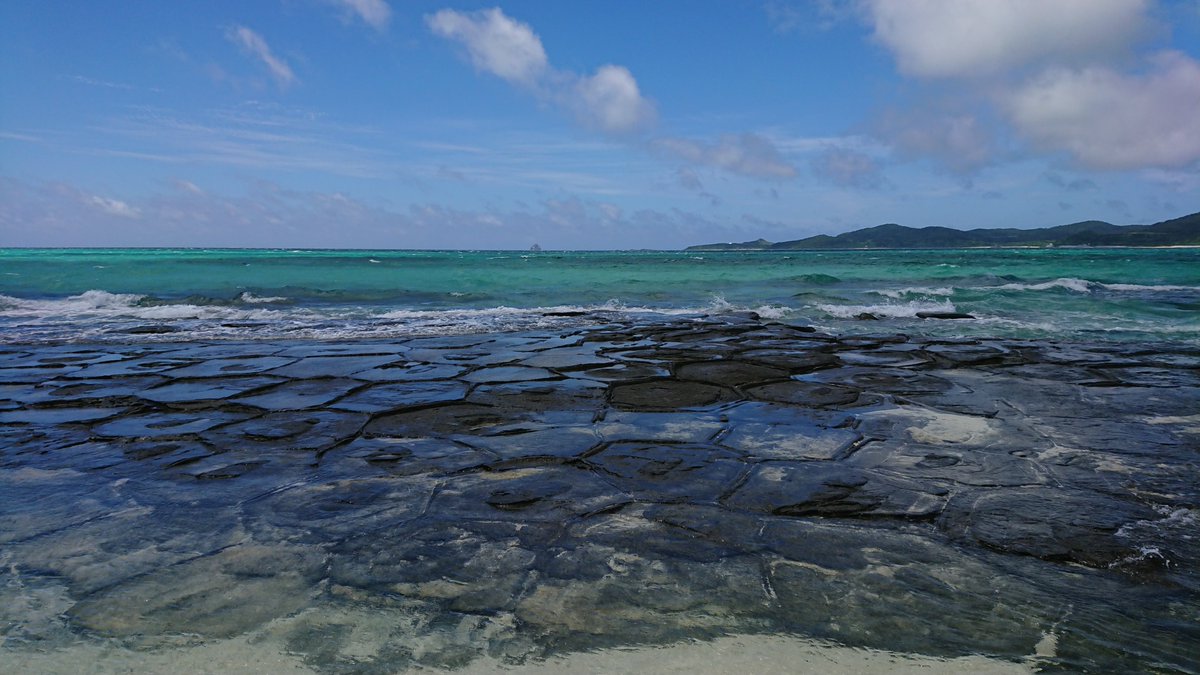
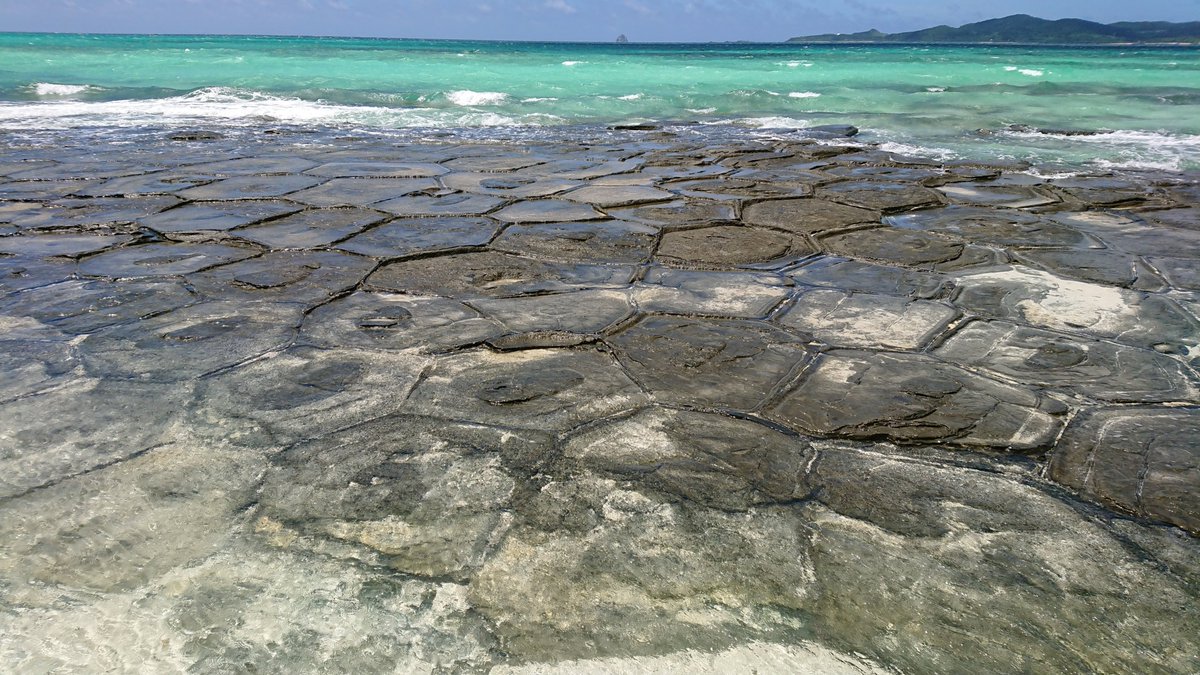
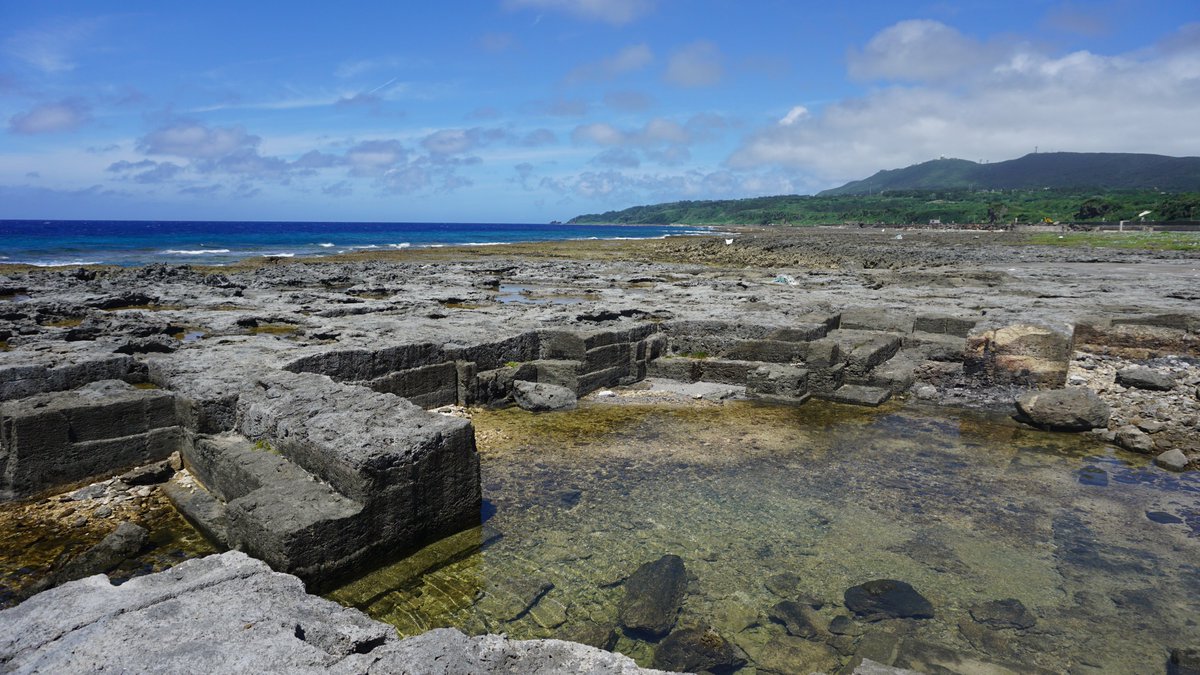
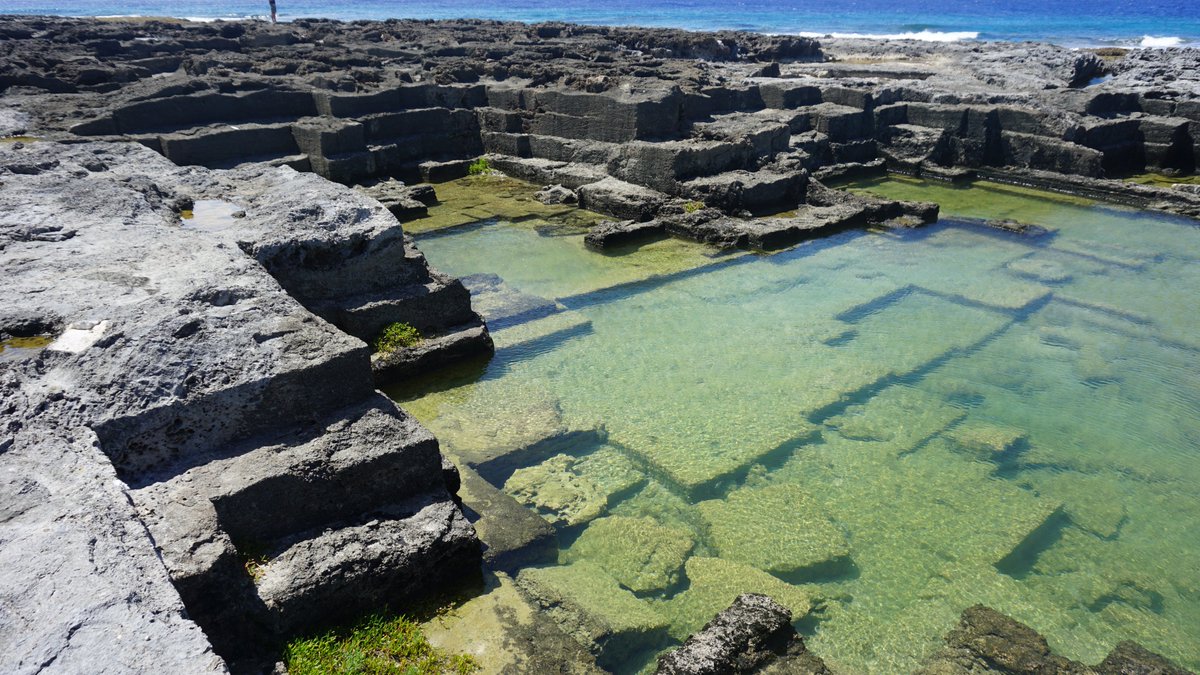
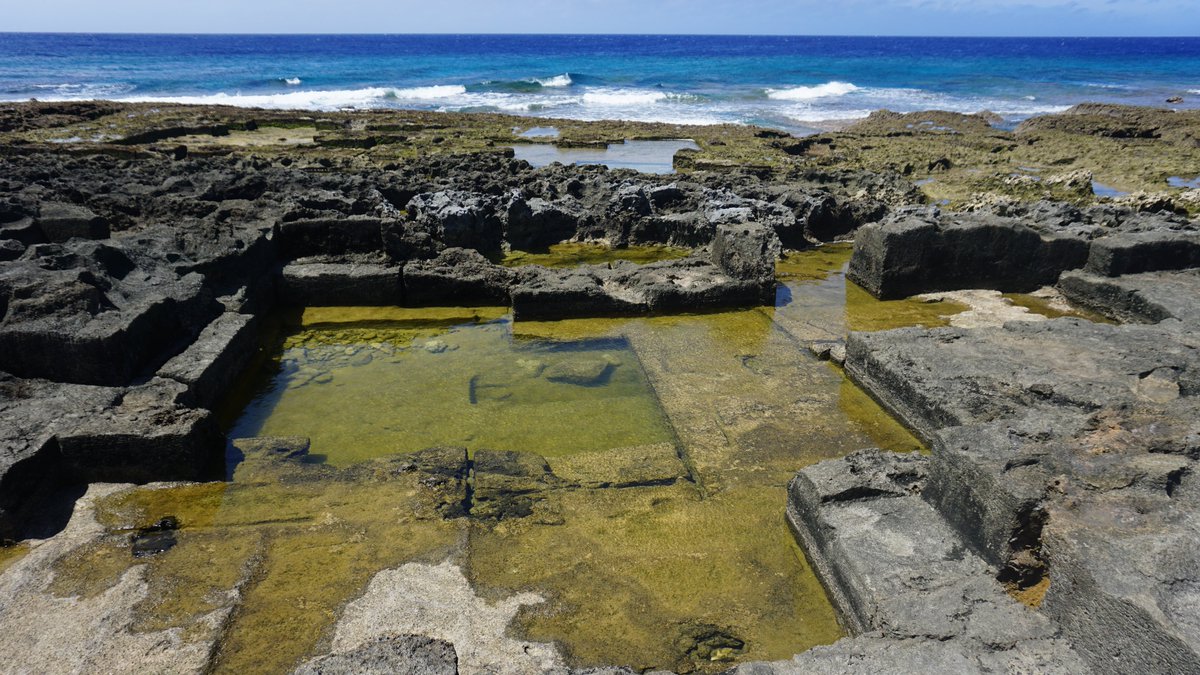
Mysterious rock formations on Kumejima. How did they form? I believe the Japanese called them Tatami rocks. What do you think? #Japan #okinawa #islandboys #island #tropical #ancientaliens #rocks


English

@freediverhd Ancient civilization. Japan is an earthquake zone. It's possible that that place was once above the sea level.
English
Mysterious rock formation on Kumejima, Japan. Alien? Man made? Natural? That is for you to decide, but this is just one of many strange rock formations in Okinawa Japan.
#ancientaliens #ancientaliens #Japan #okinawa #freediverhd #aliens #AliensOnEarth #IslandBoys
English
Mysterious rock formations in Japan. Aliens, Lost Civilization, Man made or Natural? Very similar to Yonaguni Monument, but not the same. @Graham__Hancock What do you think? This is on KumeJima, Japan, a few hundred kilometers from yonaguni. These are my own images, I stood here myself.
#ancientaliens #Aliens #AliensOnEarth #lost #Japan #okinawa #IslandBoys #IndianaJones #yonaguni

English