Harold Freiter

12.7K posts

Harold Freiter banner
Harold Freiter

Harold Freiter

@freiterh

Husband to an amazing woman & dad to great kids. Principal @LOCK_LSSD - an amazing staff creates a #ModelPLCSchool #NHLJets #Dawgs #GoBison #HawksAreUp

St. Andrews, MB, Canada Katılım Ekim 2012
568 Takip Edilen619 Takipçiler
Harold Freiter
Harold Freiter@freiterh·
BOOM 💥
Danny Steele@SteeleThoughts

Great principals do a thousand things in a given week. They solve problems, support teachers, calm worried parents, guide students, analyze data, and keep a school moving forward. It’s complex work. But when you step back and look closely, the most effective principals tend to get a few foundational things consistently right. Here are ten of the habits that set great principals apart: 1. They recognize the value of every adult in the building. From teachers to custodians to office staff, great principals know that schools succeed because of people. They notice the work others do, and they make a point to say thank you often. 2. They support their teachers—especially when it matters most. Whether the challenge is a difficult student, a frustrated parent, or a tense situation with a colleague, great principals stand beside their teachers. They trust them. They believe in them. And their staff knows they have someone in their corner. 3. They lead from the halls, not just the office. Great principals understand that leadership happens where learning happens. You’ll find them in classrooms, hallways, the lunchroom, the bus line, and at carpool—engaging with students and connecting with staff. 4. They involve others in decisions. Great principals know they don’t have all the answers—and they don’t try to. They seek input, invite perspectives, and empower others to help shape the direction of the school. 5. They stay focused on learning. Student achievement is always on their radar. They spend time in classrooms, encourage strategic instruction, and ensure assessments are meaningful. Most importantly, they help teachers use data to better meet the needs of their students. 6. They cultivate collaboration. Great principals know that teaching can’t be a solo sport. They intentionally create structures and expectations that help teachers learn from one another and grow together. 7. They refuse to settle for the status quo. The best principals hold high expectations—for themselves and for everyone in the building. They articulate a compelling vision and challenge their school community to keep getting better. 8. They protect staff morale. Great principals know that culture matters. They work to create an environment where teachers feel respected, supported, and proud to work. 9. They bring positive energy every day. Schools are emotional places, and leadership energy is contagious. Great principals understand that positivity isn’t optional—it’s essential. 10. They always keep students at the center. Every decision, every conversation, every initiative ultimately comes back to one question: What’s best for kids? Great principals build relationships with students and make sure their well-being and success drive the work of the school. None of these practices require perfection. But when principals commit to these habits day after day, they create schools where teachers feel supported, students feel valued, and learning thrives. Cheers, Danny

English
0
0
0
7
Harold Freiter retweetledi
Brad Sparling
Brad Sparling@playgolfcollege·
A college player called me a year ago. Playing well in qualifying. Not traveling. Couldn’t figure out why. I asked him one question. “Does your coach trust you?” One word describes everything a coach is looking for in a recruit and a college player. Trust. Not your scoring average. Not your swing speed. Not your world ranking. Trust. Trust that you’ll handle your academics without being reminded. Trust that you’ll show up on time, every time, no exceptions. Trust that you’ll be a good teammate, especially when you’re not in the lineup. Trust that you’ll make good decisions on the course and off it. Trust that you’ll be positive, build your teammates up, add to the culture. Trust that you’ll be mentally strong when things get hard. Trust that you’ll shoot good scores when it matters. Most players never think about it this way. They grind on their game and ignore everything else. Then they wonder why a player with a lower qualifying score is on the plane. It’s almost never just about the score. Every decision you make, on the course and off it, either builds trust or erodes it. You decide whether to go to class. You decide how you handle adversity. You decide what time you show up. You decide how you treat your teammates. You decide how you handle a bad round. You decide what Saturday night looks like the weekend before a tournament. Build trust in all of those areas and your coach’s decisions stop feeling random.
English
4
8
52
6.2K
Harold Freiter retweetledi
Ken Williams
Ken Williams@unfoldthesoul·
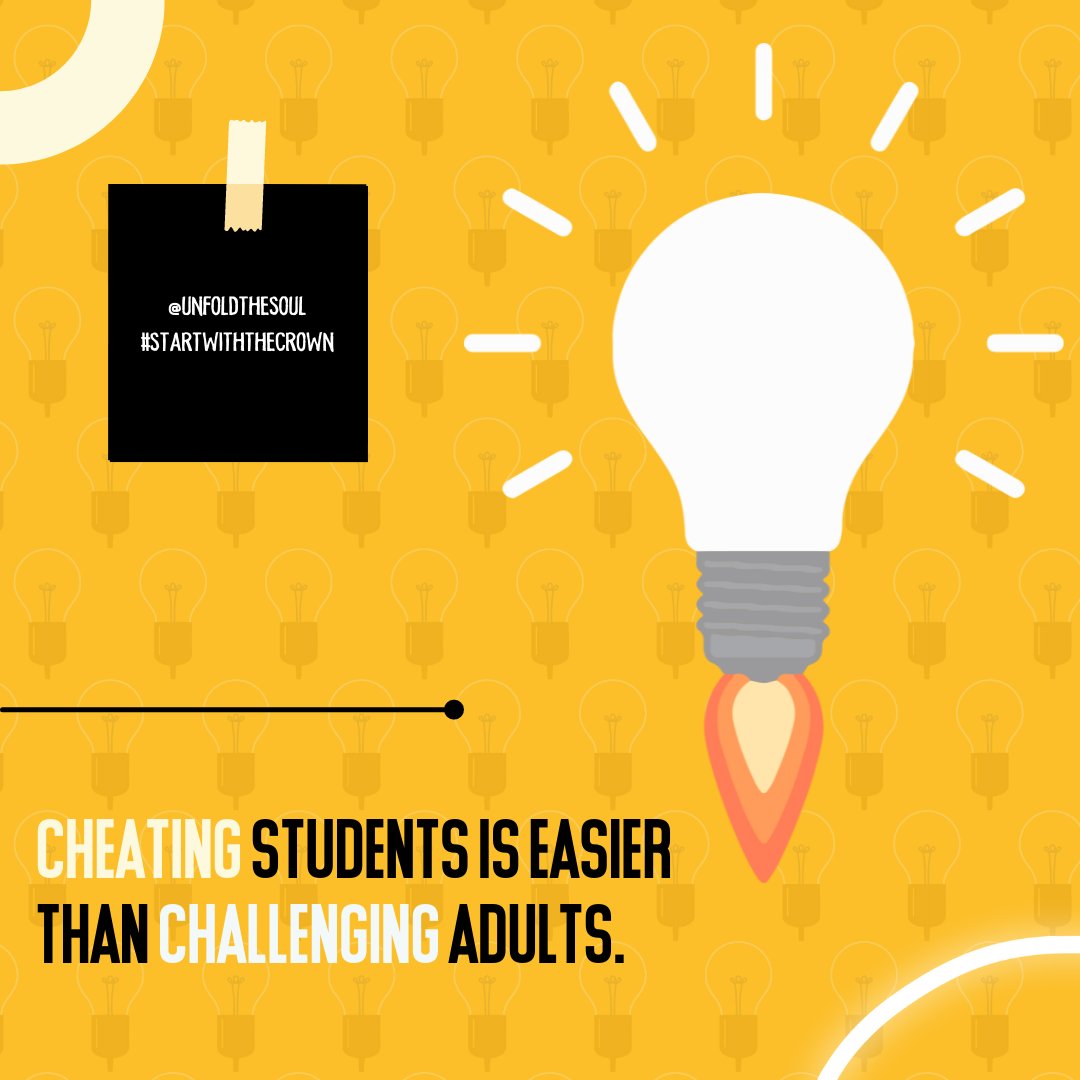
It’s easier to lower expectations for kids than challenge the adults.
Ken Williams tweet media
English
0
5
15
677
Harold Freiter retweetledi
Danny Steele
Danny Steele@SteeleThoughts·
When I was a high school principal, I interviewed a teacher named Jake Huggins. He seemed like a good candidate—friendly, experienced, and thoughtful. I believed he could be a solid addition to our faculty. But any lingering doubt disappeared when he answered one particular question. It has always been my favorite. I asked him, “Jake, in every school in America, you can place teachers on a continuum. On one end are those who don’t seem to want to be there. They’re always complaining. Their colleagues wonder why they haven’t retired yet. They drain the energy of the building. But on the other end are teachers who are excited to come to work. They love their students. They value their colleagues. They lift the spirits of everyone around them. When graduates come back, these are the teachers they want to see. So Jake… what’s the difference between these two teachers? What is the X factor? Because that’s what we’re looking for.” Most teachers answer that question by talking about passion. Or purpose. Or the desire to make a difference rather than just earn a paycheck. Those are good answers. But Jake said something different—something I’ve never forgotten. He said, “I think almost every teacher starts out idealistic. They love kids. They want to change the world. But after a few years, you hit a wall. You realize how hard this job really is. There are endless papers to grade. Some students make it incredibly challenging to teach. And parents aren’t always supportive. Some teachers never move past that reality check. They burn out. But others do. They keep their sense of purpose in spite of the challenges. The work is hard, but they remain convinced it matters. Some students are difficult, but they know those students need someone who refuses to give up on them. They face adversity, but they don’t let it steal their passion. Those are the teachers who make a difference year after year.” We hired Jake. A few years later he was named the school’s Teacher of the Year. So today, I salute Jake—and every educator who has faced that “reality check” and chosen to keep going. The ones who remember their whyon the hard days. The ones who refuse to let frustration turn into cynicism. The ones who continue to believe, even when the work is exhausting. Because those are the teachers who change lives. And they do it… year after year. Cheers, Danny
Danny Steele tweet media
English
32
240
1.5K
157.5K
Harold Freiter retweetledi
Ken Williams
Ken Williams@unfoldthesoul·
If you build more “low” groups, you’ll find more “low” kids to fill them. If you build more opportunities for high-level thinking, you’ll find more students ready to rise.
English
0
5
16
820
Harold Freiter retweetledi
NDSU Baseball
NDSU Baseball@NDSUbaseball·
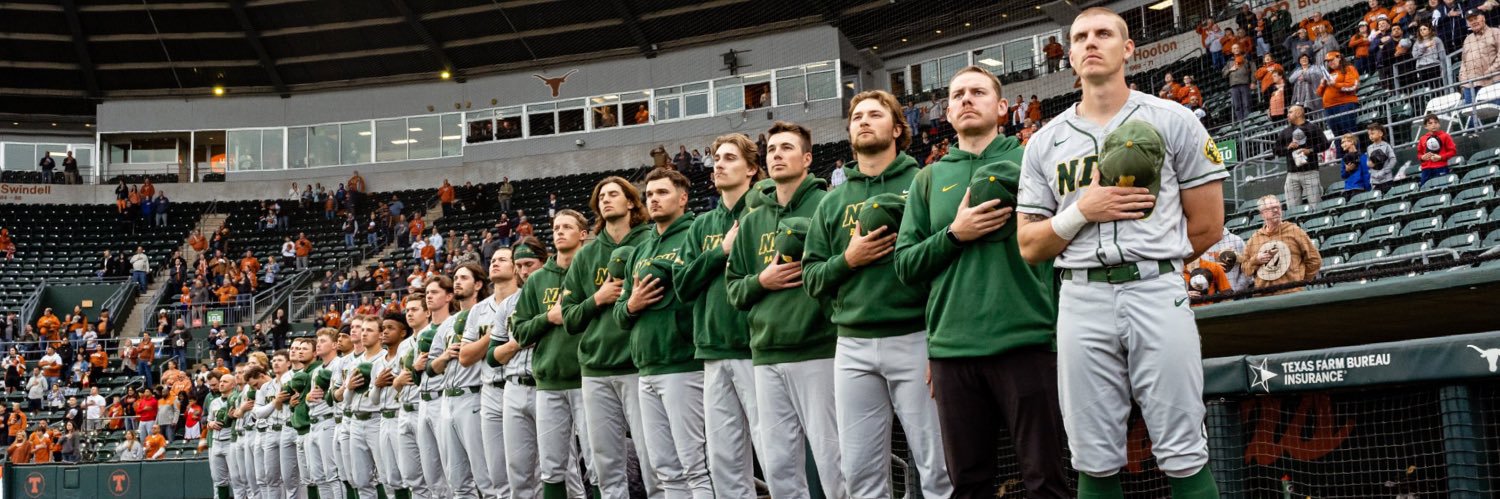
Deep double from Bennett Freiter clears the bases! 📺 SEC Network+
English
2
3
19
1.8K
Harold Freiter retweetledi
Ken Williams
Ken Williams@unfoldthesoul·
As great as this profession is, we have a habit of slipping into victimhood. We talk ourselves into martyrdom. We wear burnout like a badge. We feel sorry for ourselves and call it commitment. We are too skilled, too educated, and too important to let that mindset run the show.
English
1
2
10
954
Harold Freiter retweetledi
Ken Williams
Ken Williams@unfoldthesoul·
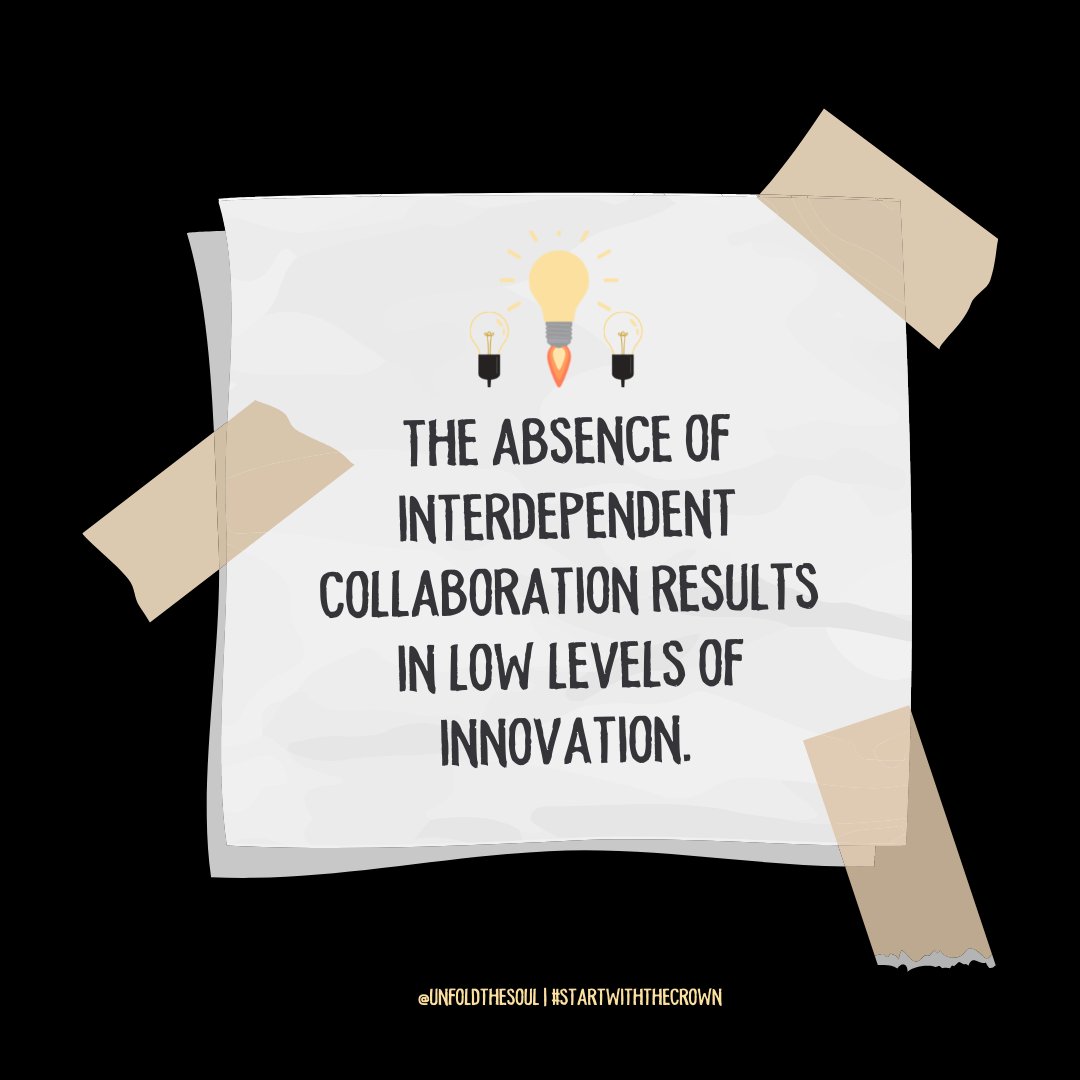
Isolation kills innovation. Collaboration fuels it.
Ken Williams tweet media
English
1
5
16
879
Harold Freiter retweetledi
Ken Williams
Ken Williams@unfoldthesoul·
Kids can learn. That’s not the debate. The real issue is whether we’re prepared—with the talent, effort, and mindset—to deliver on it.
English
0
4
24
1.3K
Harold Freiter retweetledi
Ken Williams
Ken Williams@unfoldthesoul·
Great leaders look for strengths, not shortcuts.
Ken Williams tweet media
English
0
4
11
388
Harold Freiter retweetledi
Ken Williams
Ken Williams@unfoldthesoul·
PLC work doesn’t stick because of another meeting—it sticks because of constant, visible reminders. These theme charts keep the why, the bar, and the work front and center every day… not just during PD.
Ken Williams tweet media
English
0
3
10
700
Harold Freiter retweetledi
Ken Williams
Ken Williams@unfoldthesoul·
You don’t wait to see if you matter. You show up believing you are the difference.
Ken Williams tweet media
English
0
2
14
501
Harold Freiter retweetledi
Ken Williams
Ken Williams@unfoldthesoul·
The more excuses we make for why students don't get it, the less we look at our own instruction.
English
0
4
17
2K
Harold Freiter retweetledi
Justin McMillan
Justin McMillan@justinwmcmillan·
Principal visibility matters. Period. A head coach would never try to coach a football or basketball game from the locker room. Coaches have to be on the sidelines watching the field of play, reading the game, adjusting strategy, and inspiring along the way. School leadership is no different. If principals want to impact learning, we must be visible instructional leaders in classrooms. Not to evaluate. Not to micromanage. But to understand instruction, support teachers, and keep the big picture lens at 30,000 feet. Viviane Robinson’s work on instructional leadership found that leaders who actively participate in and promote teacher learning have nearly three times the impact on student outcomes compared to leaders who focus primarily on organizational management. Her message is simple. The most powerful leadership move is being present in the core work of teaching and learning. “The more leaders focus their relationships, their work, and their learning on the core business of teaching and learning, the greater their influence on student outcomes.” Visibility is not about compliance walks or checklists. It is about credibility, trust, and shared ownership of learning. Teachers deserve leaders who know their reality, understand their challenges, and can coach from the sidelines with clarity and purpose. If we want stronger instruction, higher engagement, and better outcomes for students, leaders must be out and about, in classrooms, supporting teachers, and leading learning where it actually happens. That is instructional leadership.
Justin McMillan tweet media
English
2
16
45
2.7K
Harold Freiter retweetledi
Ken Williams
Ken Williams@unfoldthesoul·
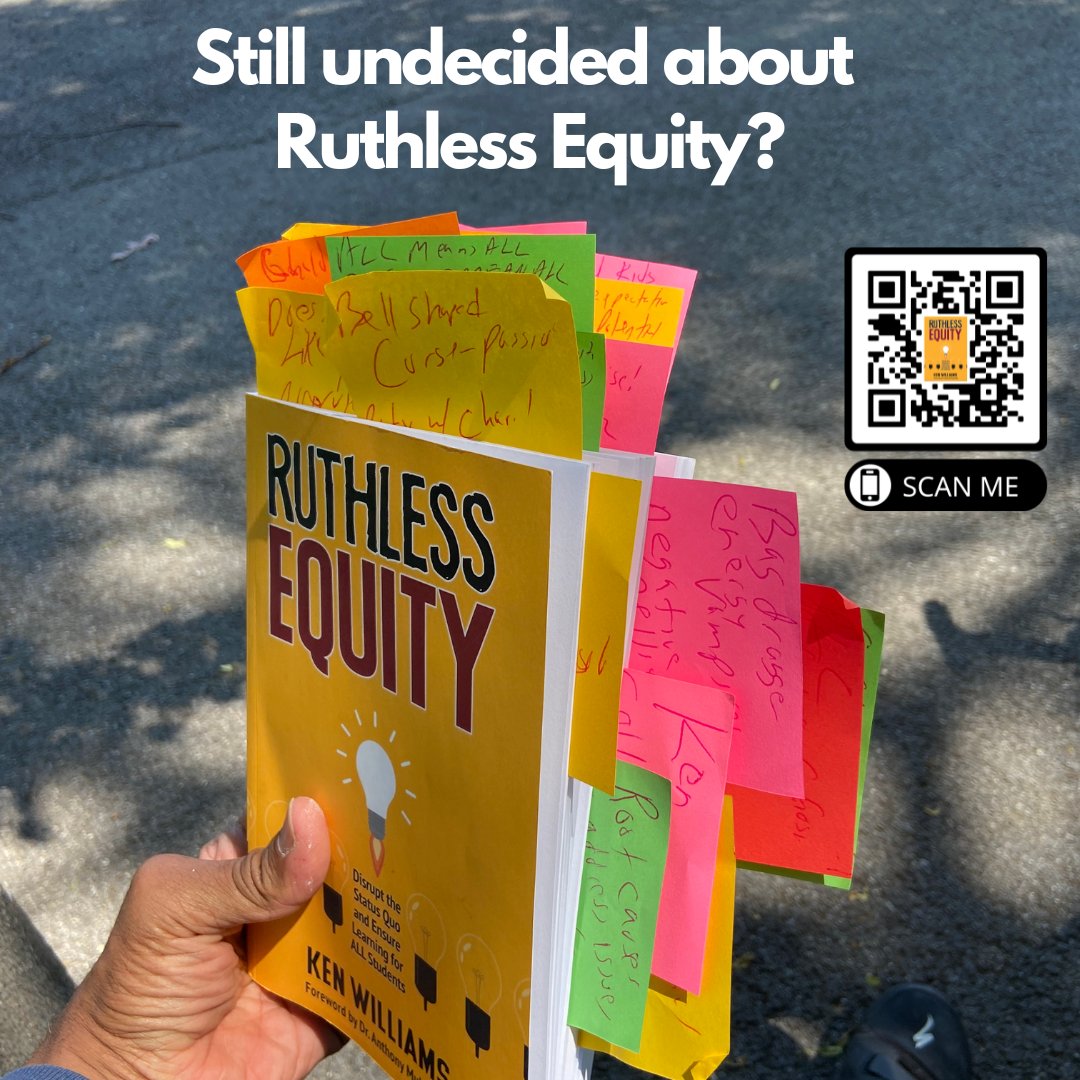
Still on the fence? If it’s already making you uncomfortable, that might be the point. Ruthless Equity isn’t about feeling better—it’s about doing better for kids. #RuthlessEquity
Ken Williams tweet media
English
1
2
8
643